

Are you planning your next international adventure and wondering about the safety and regulations of keeping your belongings secure? With the increasing popularity of Apple AirTags, you're probably curious about whether they're allowed in your checked luggage for international travel.
After all, no one wants to lose their luggage or face unexpected surprises at the airport. Understanding the rules around AirTags can save you from potential hassles and ensure that your personal items remain traceable. In this blog post, we'll unravel the mystery surrounding AirTags and international checked luggage so you can travel with peace of mind.
Keep reading to discover what you need to know before you pack your bags!
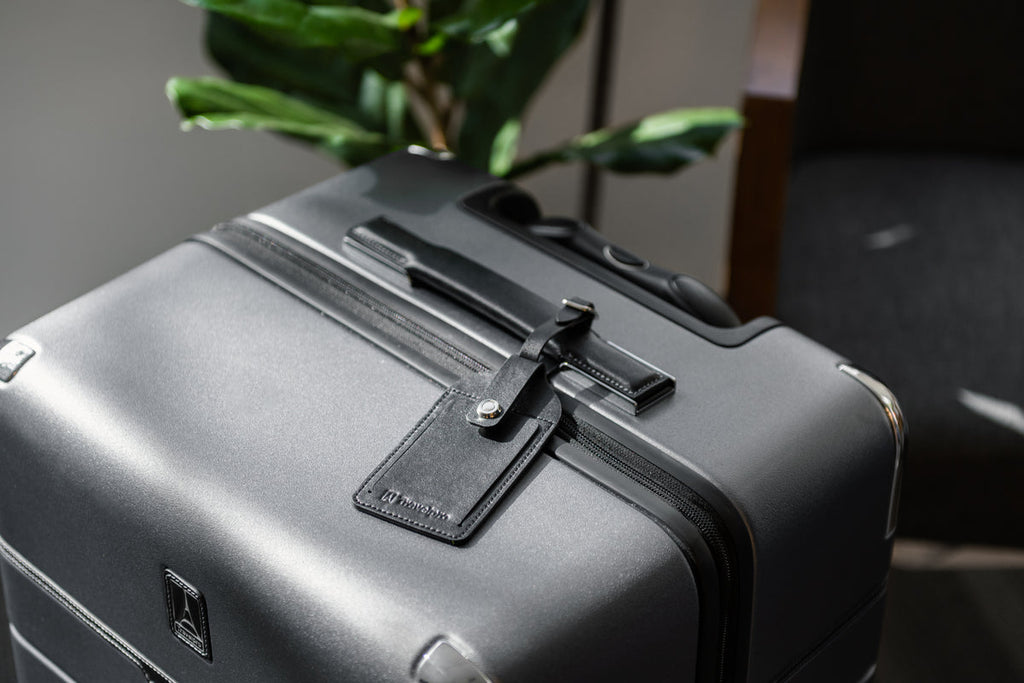
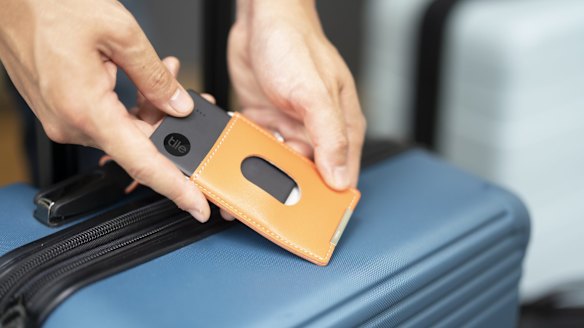
Credit: travelpro.com
Airtags And Checked Luggage
Using Airtags in checked luggage raises important questions for international travelers. You want to keep track of your bags without risking them being flagged or removed by airport security. Understanding how Airtags work and why they might be useful can help you decide if they’re right for your next trip.
How Airtags Work
Airtags are small, Bluetooth-enabled devices that help you locate your belongings through the Find My app on your Apple devices. They don’t have GPS themselves but use nearby Apple devices to anonymously relay their location. This makes tracking your luggage possible even if you’re far away from it.
Because Airtags use low energy signals, they don’t interfere with airline systems or cause safety concerns. They run on replaceable batteries that last about a year, so you don’t have to worry about frequent changes. The design is simple, and the tag is small enough to fit inside any suitcase pocket or attached discreetly.
Reasons To Use Airtags In Luggage
Have you ever landed at your destination only to find your luggage lost or delayed? Airtags provide peace of mind by giving real-time updates on your bag’s location. This can reduce stress and save time when dealing with lost baggage claims.
- Easy tracking:Know exactly where your luggage is during your journey.
- Quick recovery:If your bag is misplaced, you can help airport staff locate it faster.
- Security:You’ll receive notifications if your luggage moves unexpectedly or is separated from you.
Still, some travelers worry about airline policies and international regulations. Most airlines currently allow Airtags in checked luggage, but it’s wise to check specific airline rules before flying. Have you checked your airline’s policy recently? It could save you from surprises at the airport.
International Airline Policies
Understanding international airline policies is crucial before packing your Airtags in checked luggage. Different airlines have specific rules that may affect whether you can carry these small tracking devices on your flight. Knowing these rules helps avoid surprises and ensures your gadgets travel smoothly with you.
Major Airline Rules
Most major airlines allow Airtags in both carry-on and checked luggage, but they often emphasize how these devices use small lithium batteries. Airlines like Delta, Emirates, and British Airways generally permit Airtags but require that the batteries are installed and the device is off or in a low-power mode during the flight.
Some airlines may require you to notify staff or declare your device, especially if you carry multiple trackers. It’s a good idea to check the airline’s website or contact customer service before your trip. Did you ever face unexpected delays because of gadgets in your bag? Being proactive can save you from that hassle.
Variations By Region
Regulations about Airtags can vary widely depending on the region your flight operates in. For example, airlines in the EU and North America tend to have clear guidelines allowing Airtags, provided they meet battery safety standards. Conversely, some Asian or Middle Eastern carriers may have stricter rules or additional security checks.
These regional differences often stem from local aviation authority regulations about lithium batteries and electronic devices. You should always check the specific country’s aviation rules alongside your airline’s policy. Have you noticed how rules change even when flying the same airline on different routes? It’s always better to double-check to avoid surprises at security checkpoints.
Safety Regulations For Airtags
Safety regulations for AirTags focus on ensuring these devices do not pose risks during air travel. Airlines and international authorities set rules to prevent battery hazards and interference with aircraft systems. Knowing these rules helps travelers pack AirTags correctly and avoid delays or confiscation.
Battery Restrictions
AirTags use small lithium coin batteries. These batteries are generally safe for air travel but must meet specific rules.
- Batteries must be installed inside the AirTag.
- Spare batteries should be carried in carry-on luggage only.
- Damaged or leaking batteries are not allowed in checked or carry-on bags.
- AirTags with non-removable batteries are usually permitted if they comply with airline policies.
These rules help prevent fire hazards during flights. Airlines follow guidelines from aviation safety agencies worldwide.
Electronic Device Guidelines
AirTags are classified as small electronic devices. Airlines treat them similarly to other personal gadgets.
- AirTags must be switched off if requested by airline staff.
- They should not interfere with aircraft navigation or communication systems.
- Most airlines allow AirTags in both carry-on and checked luggage.
- International rules may vary; check with your airline before packing.
Following these guidelines helps ensure a smooth security check and flight experience. Proper use of AirTags supports safety and compliance on international flights.
Potential Risks In Checked Bags
Placing AirTags in checked luggage may cause some issues during your travels. Airlines and security agencies have concerns about these small tracking devices. Understanding the potential risks helps you decide if it is safe to pack them in your checked bags.
Signal Interference
AirTags rely on Bluetooth signals to work. These signals can interfere with airport security equipment. Scanners and other devices may pick up the signals and trigger alarms. This can cause delays and additional checks for your luggage. The metal and electronics inside bags can also weaken AirTag signals. This may make tracking less reliable during your trip.
Security Concerns
Security officers worry about hidden tracking devices in luggage. AirTags can be used to track bags without permission. This raises privacy and safety concerns. Some airports may ban or restrict AirTags in checked luggage. Bags with AirTags might be inspected more closely. There is also a risk of theft if someone detects the AirTag signal. They could target your bag intentionally.
Tips For Traveling With Airtags
Traveling with AirTags can help keep track of your luggage internationally. Following some simple tips ensures a smooth experience. Proper placement and communication with airline staff make a difference. These guidelines help avoid any issues during security checks and flights.
Best Placement In Luggage
Place your AirTag inside your checked bag, hidden but accessible. Avoid putting it near metal objects or thick padding. The signal works best when the AirTag is near the surface. Use internal pockets or compartments to secure it. This reduces the chance of damage and helps tracking.
Informing Airline Staff
Inform airline staff about your AirTag during check-in. Mention it is a small, passive tracking device. This can prevent confusion during security scans. Some airports have strict rules about electronic devices in luggage. Clear communication helps avoid delays or extra checks.
Legal Considerations Across Countries
Traveling internationally with Airtags in your checked luggage means navigating a patchwork of legal rules. These rules vary widely by country, and understanding them can save you from unexpected hassles. Let’s look at key legal considerations you should keep in mind before packing your Airtags.
Privacy Laws
Many countries have strict privacy laws that affect tracking devices like Airtags. Some places view unauthorized tracking as an invasion of privacy, even if you own the luggage. You might find that carrying an Airtag without notifying customs or relevant authorities could cause suspicion or legal trouble.
For instance, in the European Union, data protection laws like GDPR emphasize consent and transparency. This means you should consider who can access the location data of your Airtag and whether this complies with local privacy standards. Have you checked if your destination country requires disclosure of tracking devices?
Customs Regulations
Customs rules differ significantly from one country to another, affecting whether Airtags are allowed in checked bags. Some countries treat electronic trackers as restricted items, requiring declaration upon entry. Failing to declare such devices can lead to confiscation or fines.
Airlines and airport security also have their own policies. For example, some airlines might ask you to remove batteries or disable Airtags during transit. Before you travel, check the customs websites and airline guidelines for your departure and arrival countries to avoid surprises.
Alternatives To Airtags For Luggage Tracking
Many travelers want to track their luggage without using Airtags. Some airlines or countries restrict Airtags in checked bags. Finding alternative tracking devices helps keep luggage safe and easy to find. Different options offer various features and ways to track your bags.
Gps Trackers
GPS trackers use satellite signals to show your luggage location on a map. These devices work worldwide and do not rely on nearby phones or Bluetooth. Some GPS trackers have long battery life, making them good for long trips. They often come with apps to send alerts if your bag moves away.
- Track bags in real time from anywhere
- Useful for international travel and remote areas
- May require monthly fees for data service
- Usually larger and heavier than Airtags
Smart Luggage Solutions
Smart luggage has built-in tracking and other features. Some suitcases include GPS or cellular trackers inside them. These bags also offer remote locking or weight sensors. Smart luggage helps reduce the need to carry extra devices. They often sync with apps to monitor the bag’s status.
- Integrated tracking for hassle-free use
- Extra security features for peace of mind
- Can be more expensive than separate trackers
- Check airline rules for smart luggage before flying
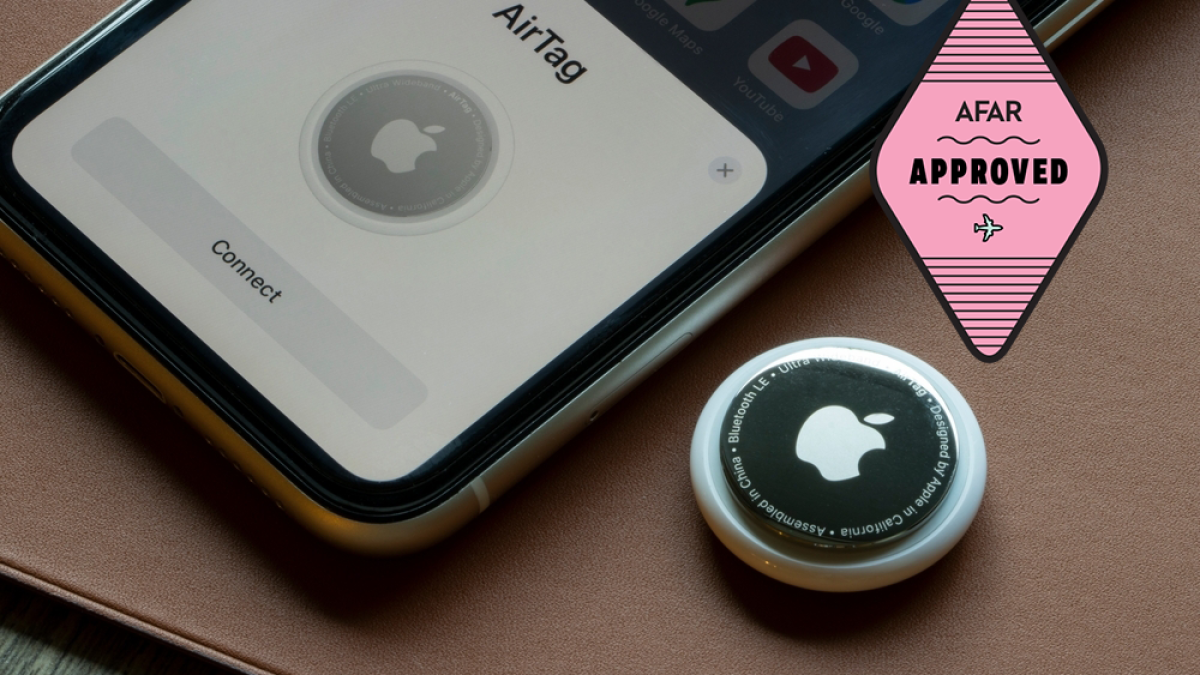
Credit: www.afar.com
Credit: www.smh.com.au
Frequently Asked Questions
Are Airtags Allowed In Checked International Luggage?
Yes, Airtags are generally allowed in checked luggage for international flights. However, airline policies may vary. It is best to check with your specific airline before travel to ensure compliance with their rules.
Can Airtags Affect Airline Safety During Checked Baggage?
No, Airtags use low-power Bluetooth and do not interfere with aircraft systems. They are safe to carry in checked baggage and comply with international aviation safety standards.
Do Airlines Have Restrictions On Airtags In Luggage?
Most airlines allow Airtags in both carry-on and checked luggage. Still, some airlines may have specific guidelines. Always review your airline’s rules before packing Airtags in checked bags.
Will Airtags Work If Placed In Checked Luggage?
Yes, Airtags can track checked luggage through Bluetooth and the Find My network. However, tracking accuracy may vary due to limited Bluetooth range and airport conditions.
Conclusion
Airtags can often be placed in checked luggage, but rules vary by airline and country. Always check specific airline policies before packing. Some airports may have restrictions due to security concerns. Keeping Airtags in carry-on bags is usually safer and more reliable.
Tracking your luggage helps reduce stress during travel. Stay informed to avoid surprises at the airport. Safe travels and smart packing make your trip smoother.