
Are you planning your next big adventure but feeling puzzled about packing your liquids? You're not alone.
The question of whether liquids are allowed in checked luggage is a common concern for many travelers. It's crucial to know the rules before you pack to avoid any last-minute surprises at the airport. Imagine arriving at your destination without your favorite shampoo or having your expensive perfume confiscated.
Frustrating, right? Understanding these guidelines not only saves you time but also ensures a smooth travel experience. Let's dive into the world of travel regulations, so your trip can be as stress-free as possible.

Credit: avinor.no
Liquids In Checked Luggage
Liquids often cause confusion when packing for a flight. You might wonder if your favorite shampoo or a bottle of wine can go in your checked luggage. Understanding the rules helps you avoid last-minute hassles at the airport and ensures a smooth travel experience.
General Airline Policies
Most airlines allow liquids in checked luggage, but the rules vary depending on the airline and destination. Usually, there is no strict size limit for liquids in checked bags, unlike carry-ons. However, airlines may have weight restrictions that could affect how much you pack.
Remember that security screenings might inspect your checked luggage more closely if you carry large quantities of liquids. Some countries impose additional regulations, so checking your airline’s website before you pack is a smart move.
Common Restrictions
Not all liquids are welcome in your checked baggage. Flammable liquids such as gasoline, paint thinner, or aerosol sprays are typically banned. Some airlines also restrict alcohol content above a certain percentage, usually 70% or higher.
What about liquids in fragile containers? If a bottle breaks, it can spill and damage your belongings. Packing liquids in sealed plastic bags or using sturdy bottles can protect your luggage and help you avoid messy surprises.
Allowed Liquid Types
Most toiletries like shampoo, conditioner, lotion, and perfume are allowed in checked luggage without size limits. Cooking oils, sauces, and non-alcoholic beverages usually pose no problem either. If you plan to bring baby formula or medication, these are generally accepted but should be declared during check-in.
Have you ever had a favorite drink confiscated at the airport? Packing allowed liquid types in checked luggage can save you from losing special items. Always label containers clearly to help security agents identify what you’re carrying.

Credit: avecobaggie.com
Exceptions And Special Cases
Checked luggage usually has rules about liquids. Still, some exceptions allow certain liquids on board without trouble. These rules help travelers carry essential or special items safely. Understanding these exceptions makes packing easier and prevents delays at the airport.
Medications And Baby Products
Travelers can carry liquids needed for health in checked bags. This includes prescription medicines and over-the-counter drugs in liquid form. Baby food, milk, and formula are also allowed. It is best to keep these items in their original containers. Sometimes, carrying a doctor’s note or prescription helps avoid issues.
Duty-free Purchases
Liquids bought at duty-free shops after security checks are allowed in checked luggage. These items often come sealed in special bags. Keep the receipt and the sealed bag intact. Breaking the seal before reaching your destination can cause problems. This rule helps travelers bring souvenirs or gifts safely.
Sports And Hobby Liquids
Liquids used for sports or hobbies, like lubricants or fuels, may be permitted. Airlines often have limits on quantity and type. It is important to check with the airline before packing these items. Proper packaging is required to prevent leaks or damage. Following rules ensures a safe trip for everyone.
Packing Tips For Liquids
Packing liquids in checked luggage can be tricky, but with the right approach, you can avoid messy spills and delays. Knowing how to handle containers, prevent leaks, and organize your items makes your travel experience smoother. Let’s dive into practical tips that help you pack liquids smartly and safely.
Proper Container Sizes
Choosing the right container size matters more than you might think. Airlines often have limits on how much liquid you can carry, even in checked bags. Smaller containers reduce the risk of leaks and save space.
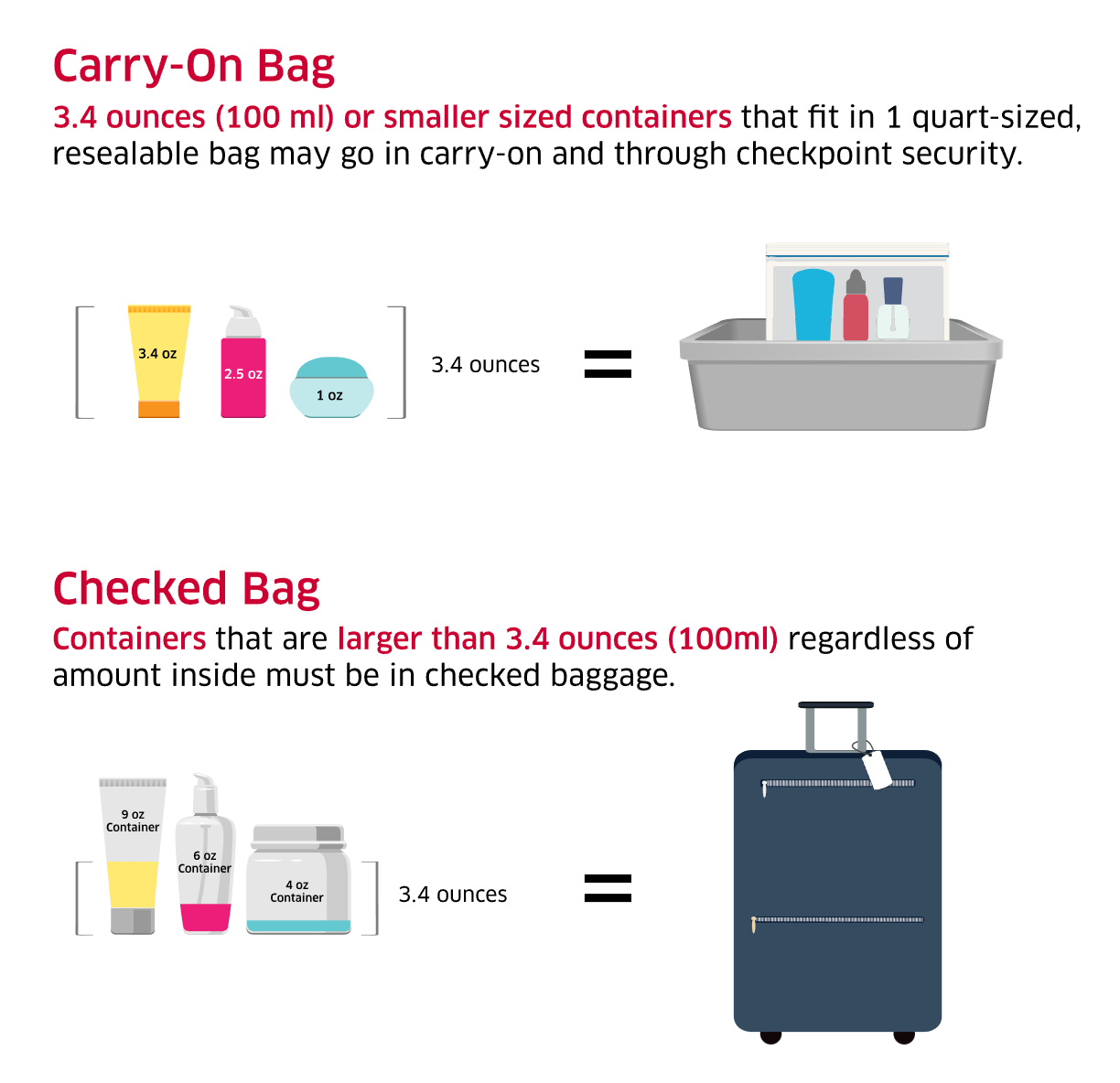
Look for travel-sized bottles, usually 100 ml or less, to keep things manageable. If you must pack larger volumes, try dividing liquids into multiple small bottles instead of one big one. This way, if one leaks, your entire supply isn't lost.
Leak Prevention Methods
Leaks can ruin your clothes and gadgets. To stop this, tightly seal every container, and consider adding a layer of plastic wrap under the cap before screwing it back on. This extra step creates a stronger barrier against spills.
Place all liquid containers in resealable plastic bags. These bags catch leaks and keep everything together. Have you ever had your shampoo explode in your suitcase? It’s a lesson in why these little precautions matter.
Labeling And Documentation
Clear labeling helps you and airport staff identify liquids quickly. Use waterproof labels or permanent markers to write the contents and date on each container. This is especially helpful if you carry medication or special skincare products.
If you’re transporting any liquids that require documentation, like prescription medicines, keep the paperwork handy. This can speed up security checks and prevent misunderstandings. Have your documents organized in one spot so you don’t scramble to find them.
Security Screening Process
The security screening process for liquids in checked luggage can sometimes feel like a mystery. Yet, understanding what happens behind the scenes helps you prepare better and avoid unnecessary delays. Let’s dive into how liquids are inspected, what common issues arise, and how you can make the screening faster.
How Liquids Are Inspected
Liquids in checked luggage undergo X-ray scanning, which helps security officers detect any suspicious substances. Unlike carry-on bags, where liquid amounts are strictly limited, checked baggage allows larger quantities but still faces scrutiny.
If the scanner flags a liquid container, officers may open your bag for a closer look. They might test the liquid’s contents to ensure it’s safe and not prohibited. This process is quick but can slow down if many passengers carry suspicious items.
Common Issues And Delays
One common cause of delay is improperly sealed containers. Liquids that leak or spill raise red flags and could lead to a bag being opened for inspection. Another issue is unlabeled or unusual liquids that require additional testing.
Security officers also watch for containers that look tampered with or are oddly shaped. Have you ever had your checked bag opened unexpectedly? It often happens for these reasons, causing stress and sometimes missing connections.
Tips To Speed Up Screening
- Seal Containers Properly:Use tight caps and double-bag liquids to prevent leaks.
- Label Your Liquids:Clear labels or original packaging reduce suspicion and speed up inspection.
- Declare Unusual Items:Inform security if you carry medical liquids or special substances.
- Pack Liquids Strategically:Place them in accessible spots inside your luggage for quick checks.
Next time you pack liquids in your checked bag, think about how these small steps can save you time and hassle. What’s the one thing you wish you knew before your last airport security check?
International Travel Considerations
Traveling internationally requires careful attention to rules about liquids in checked luggage. Each country has unique regulations. These rules affect what you can pack and how to handle liquids during your trip. Understanding these differences helps avoid problems at airports.
Differences By Country
Countries have varied rules for liquids in checked bags. Some allow large containers. Others limit volume or ban certain liquids. Always check the specific rules of your destination. Airlines may also have their own policies.
Customs Regulations
Customs officers inspect luggage for restricted items. Liquids like alcohol or perfumes may require declaration. Some countries charge taxes or have quantity limits. Carry receipts and know the allowed amounts. Failure to follow customs rules can cause fines or delays.
Handling Liquids On Connecting Flights
Connecting flights add complexity to liquid rules. Different countries may enforce different limits. Liquids packed in checked bags might need repacking. Always confirm rules for all countries in your itinerary. Label your bags clearly to ease inspections.
Credit: idram.org.br
Frequently Asked Questions
Are Liquids Allowed In Checked Luggage On Flights?
Yes, liquids are allowed in checked luggage. There are no strict volume limits like in carry-ons. However, containers must be securely sealed to prevent leaks and damage.
Can I Pack Large Bottles Of Liquid In Checked Bags?
You can pack large bottles in checked luggage. Airlines generally allow larger liquid containers here, but check specific airline rules for hazardous liquids or restrictions.
Do Liquids Need Special Packaging In Checked Luggage?
Liquids in checked bags should be well-packed. Use leak-proof containers and place them in sealed plastic bags to avoid spills and protect other items.
Are There Any Liquid Restrictions For Checked Baggage?
Some liquids, like flammable or hazardous substances, are restricted in checked luggage. Always check airline and TSA guidelines before packing such items.
Conclusion
Packing liquids in checked luggage is usually allowed with some limits. Make sure bottles are sealed tightly to avoid spills. Large containers may be subject to airline rules and airport security. Always check your airline’s policy before packing liquids. This helps avoid surprises at the airport.
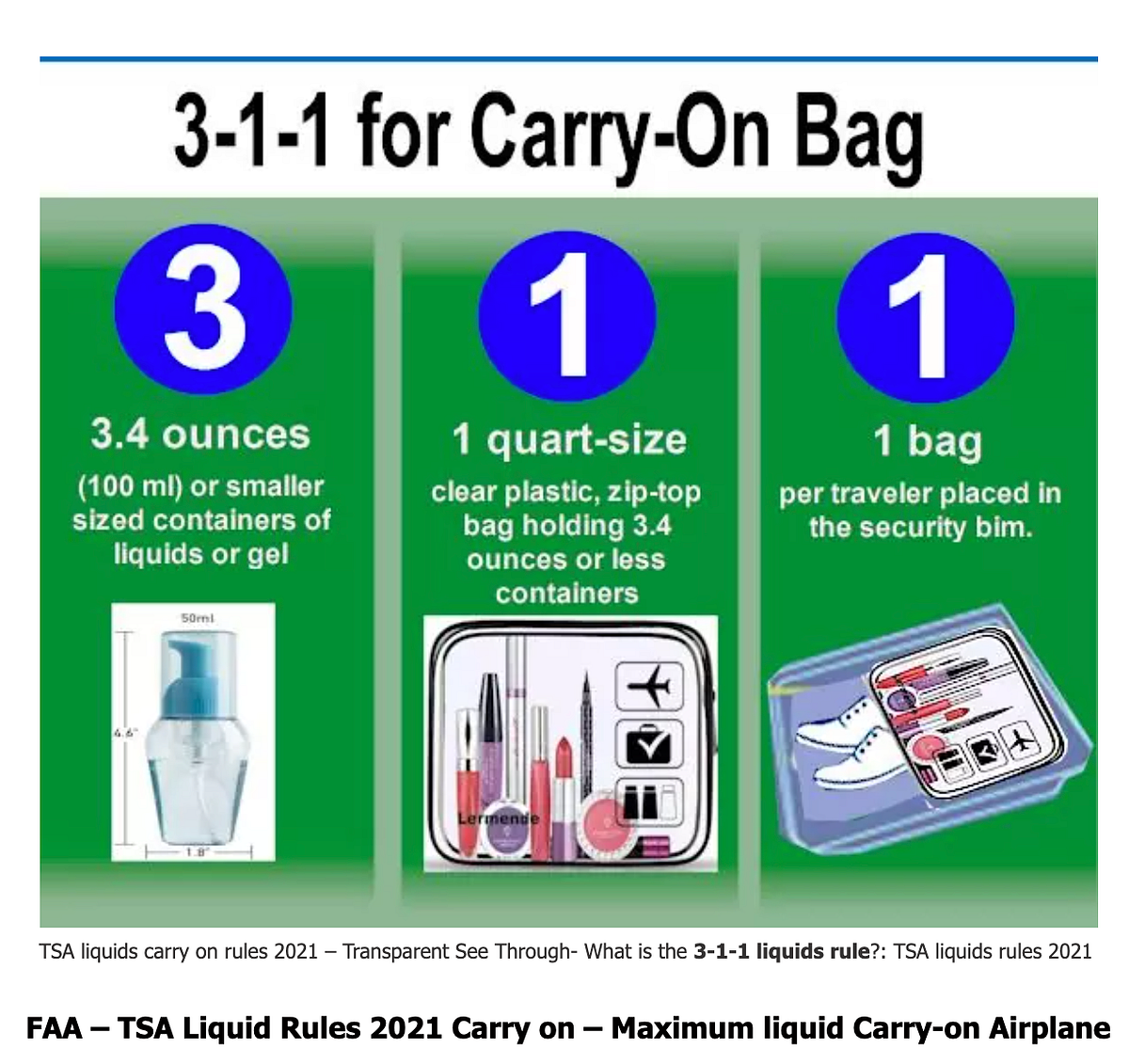
Remember, liquids in carry-on bags have stricter rules than checked bags. Being prepared can save time and stress. Keep your trip smooth by following these simple steps. Safe travels!