
Planning a trip can be exciting, yet the thought of packing often brings up one major question: "Can I bring 2 luggage for check-in?" You're not alone in wondering about this.
Navigating airline policies can be tricky, and no one wants to face unexpected fees at the airport. Understanding the ins and outs of checked baggage rules could be the difference between a smooth journey and a stressful experience. Imagine the peace of mind you'll have knowing exactly what to expect.
Stay with us to uncover the essential details and tips that could save you time, money, and hassle on your next flight.
Airline Baggage Policies
Understanding airline baggage policies can save you from unexpected fees and stress at the airport. These policies dictate how many bags you can check in, their weight limits, and size restrictions. Knowing the details helps you pack smarter and avoid last-minute surprises.
Standard Allowances
Most airlines allow at least one checked bag for free or for a fee, depending on your ticket type. Typically, a checked bag should not exceed 23 kg (50 lbs) and must fit within specific size limits, usually around 158 cm (62 inches) in total dimensions.
If you’re wondering about bringing 2 checked bags, many airlines permit it but often charge extra for the second piece. For example, on U.S. domestic flights, the first bag might be free, while the second could cost between $30 and $50.
Variations By Airline
Every airline has its own rules, which can differ widely. Budget carriers often charge for every checked bag, while premium airlines may include two checked bags in the ticket price for business or first-class travelers.
For instance, Emirates allows two free checked bags on many international routes, but Southwest Airlines in the U.S. offers two free checked bags on all flights regardless of class. Always check your specific airline’s website before packing.
International Vs Domestic Flights
International flights usually have more generous baggage allowances than domestic ones. You might get two checked bags included without extra fees on international trips, especially on long-haul flights.
Domestic flights often have stricter baggage policies, with fees for any checked luggage beyond the first bag. If you’re flying internationally and then connecting to a domestic flight, be sure to understand each segment’s rules to avoid surprises.

Credit: www.reddit.com
Types Of Luggage Allowed
Understanding the types of luggage allowed can save you from unexpected fees and airport hassles. Airlines have clear rules about what you can check in and bring on board. Knowing these details helps you pack smarter and travel stress-free.
Checked Bags
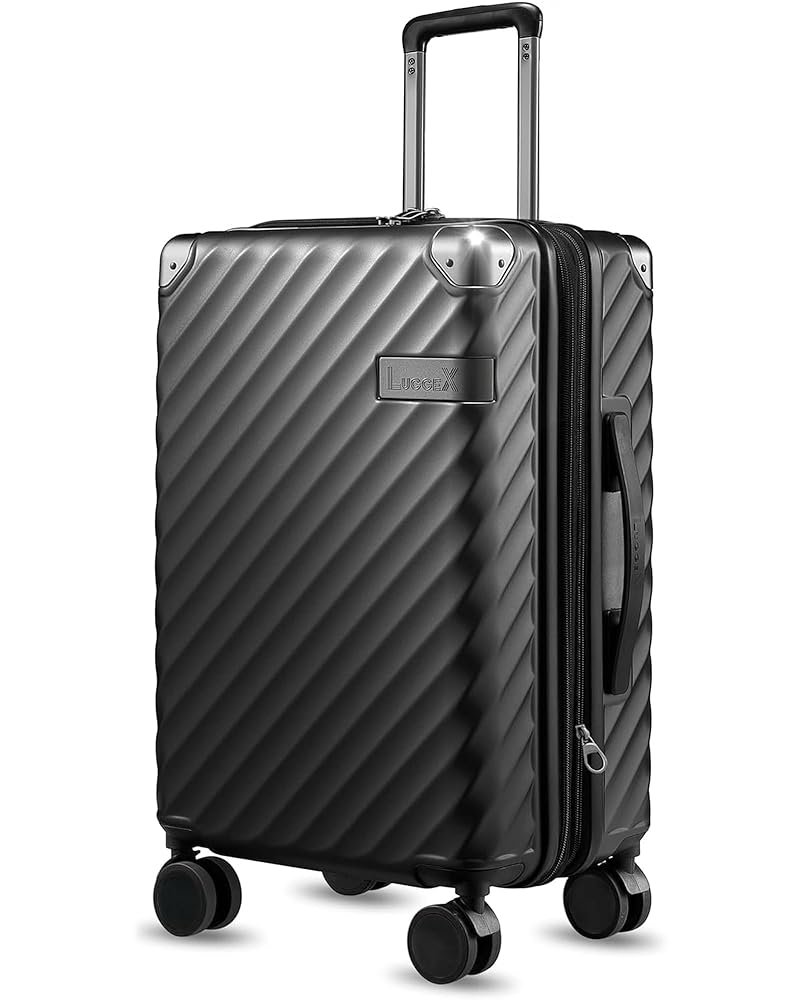
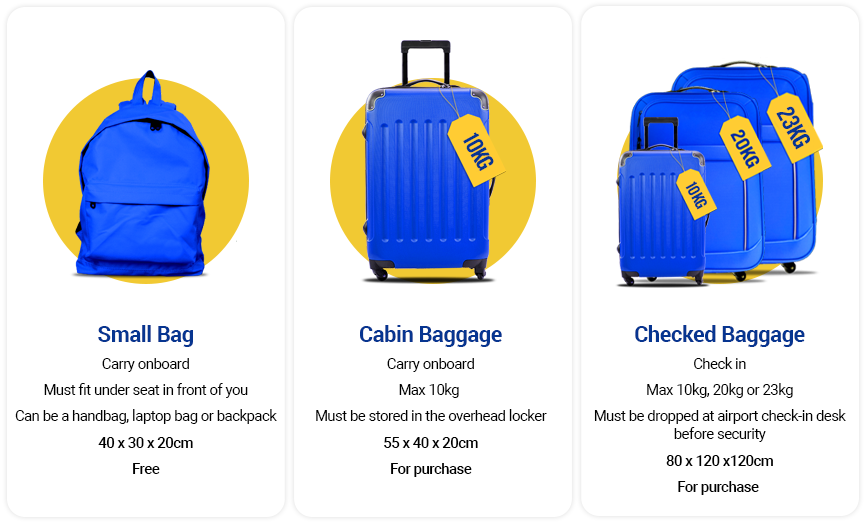
Checked bags are the larger suitcases you hand over at the counter before your flight. Most airlines let you bring at least one checked bag for free, but rules vary if you want to bring two. Weight limits usually range between 50 to 70 pounds per bag, and exceeding this can lead to extra charges.
Think about your recent trip: did you pack two big suitcases or just one? If you often travel with bulky items like winter coats or gifts, two checked bags might be necessary. Always check your airline’s policy before you fly to avoid surprises.
Carry-on Bags
Carry-on bags are smaller and stay with you during the flight. Airlines typically allow one carry-on bag plus a personal item like a backpack or purse. The size limits are strict—usually around 22 x 14 x 9 inches—to fit in overhead bins or under the seat.
Have you ever struggled to fit your bag in the overhead compartment? Choosing a carry-on that meets airline standards can prevent that frustrating moment. Plus, carry-ons save time since you skip the wait at baggage claim.
Special Items
Special items include things like sports equipment, musical instruments, or medical devices. These often don’t count as regular bags, but they usually need to be declared and sometimes come with extra fees. Some airlines have specific rules about size and packaging for these items.
Do you carry golf clubs or a bike when you travel? Planning ahead by contacting your airline can ensure these items travel safely with you. Proper preparation can turn a potential hassle into a smooth part of your journey.
Fees For Extra Bags
Understanding the fees for extra bags is crucial before you pack for your trip. Airlines often charge for luggage beyond the allowed limit, and these fees can quickly add up. Knowing what to expect helps you avoid surprises at the airport and manage your travel budget better.
Overweight Charges
Most airlines set a weight limit for each checked bag, usually around 50 pounds (23 kg). If your luggage exceeds this limit, you will face overweight charges that vary by carrier. These fees can be quite steep, sometimes even higher than the cost of an additional bag.
Think about how you pack. Could shifting some heavy items to your carry-on help you avoid these charges? Sometimes, redistributing weight can save you a lot of money.
Additional Bag Fees
Bringing a second checked bag usually comes with an extra fee. This fee depends on the airline, your ticket type, and your destination. For domestic flights, the cost might be between $30 and $50, but international flights often charge more.
Check the airline’s baggage policy online before you fly. Knowing the exact fees helps you decide whether to pack more efficiently or pay for the extra bag upfront.
How To Avoid Extra Costs
Planning ahead is your best defense against extra baggage fees. Weigh your bags at home to ensure they meet the airline’s limits. Use a luggage scale if you have one, or a bathroom scale in a pinch.
- Pack only what you need and leave non-essential items behind.
- Consider wearing your heaviest clothes during travel to reduce luggage weight.
- Join airline loyalty programs that sometimes offer free extra baggage.
- Buy additional baggage allowance online before heading to the airport, as it’s often cheaper.
Have you ever been surprised by extra baggage fees at the airport? Taking simple steps can prevent that hassle and keep your trip smooth from start to finish.
Tips For Packing Two Checked Bags
Packing two checked bags can be simple with the right approach. It helps to plan carefully to avoid extra fees and stress. Focus on balancing weight, choosing the right bag size, and following security rules. These tips make travel smoother and more organized.
Weight Distribution
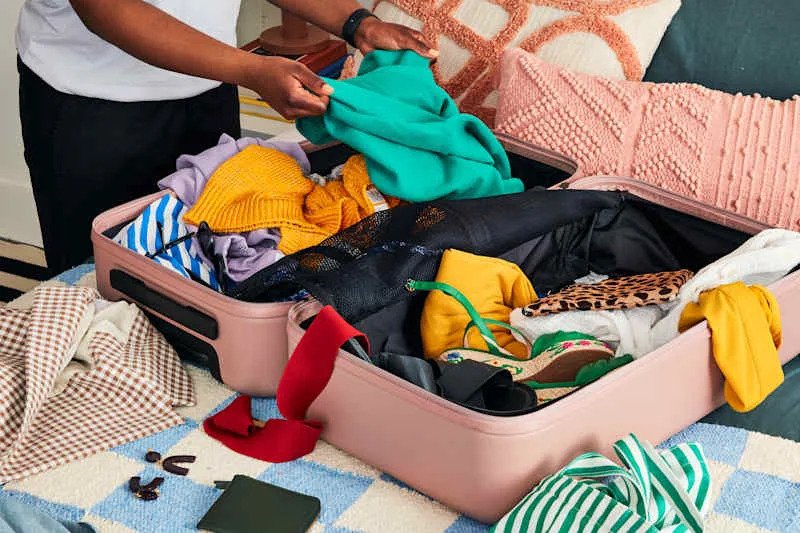
Keep each bag under the airline's weight limit. Distribute heavy items evenly between bags. Use soft items like clothes to fill gaps and protect fragile things. Avoid one heavy bag and one light bag; balance makes handling easier.
Bag Size Limits
Check your airline’s size rules before packing. Bags that are too big may cost extra fees. Use lightweight, durable suitcases to save weight. Measuring your bags helps avoid surprises at check-in.
Security Regulations
Follow airline and airport rules for checked luggage. Avoid packing prohibited items like sharp objects or liquids over limits. Use TSA-approved locks for security. Label your bags clearly with your contact information.
Airlines With Generous Baggage Policies
Knowing which airlines offer generous baggage policies can save you from unexpected fees and hassle at the airport. Some carriers allow you to check in two bags without extra charges, making your travel smoother and more budget-friendly. Understanding these policies helps you plan better and pack without stress.
Top Carriers Allowing Two Bags
Several major airlines let you check in two bags for free on international flights. Airlines like Emirates, Qatar Airways, and Turkish Airlines often include two checked bags in their standard economy allowance. Even some U.S.-based airlines, such as Delta and United, provide this benefit on certain routes.
If you travel frequently, it’s worth checking the specific baggage rules for your airline and destination. Some low-cost carriers, however, might charge for every piece beyond one bag, so always confirm before booking.
Frequent Flyer Benefits
Your loyalty to an airline can pay off with extra baggage allowances. Frequent flyer programs often reward members with additional checked bags or increased weight limits. For example, reaching Silver or Gold status with airlines like American Airlines or Lufthansa can add a free second checked bag.
Have you ever gained an unexpected perk just by showing your frequent flyer card? These benefits make packing easier and your travel experience more comfortable.
Travel Class Impact
Your ticket class influences how many bags you can bring. Business and first-class passengers usually get at least two checked bags included in their fare. Economy class travelers might only get one bag free, depending on the airline and route.
Upgrading your seat could be a smart choice if you need extra baggage allowance. Think about whether the cost difference is worth the convenience of bringing more luggage without extra fees.

Credit: www.reddit.com
Booking Strategies For Extra Luggage
Booking extra luggage requires smart planning. Airlines set different rules based on your ticket type and purchase timing. Knowing the best strategies helps avoid surprises at the airport. It also saves money and time during check-in.
Selecting Fare Types
Airlines offer fare types with various luggage allowances. Some tickets include one or two checked bags free of charge. Economy basic fares often have no free checked luggage. Choosing a fare that includes two bags can be cost-effective. Always compare fare rules before booking your ticket.
Adding Bags During Booking
Most airlines allow adding extra bags while booking your flight. This option is cheaper than paying at the airport. You can choose the number and weight of bags needed. Adding bags early avoids last-minute fees. Confirm the maximum size and weight allowed for each bag.
Using Airline Apps
Airline apps provide easy ways to manage luggage. You can add or upgrade bags anytime before your flight. Apps often offer special discounts for extra baggage. They send reminders about baggage limits and fees. Using the app keeps all your travel details in one place.
Common Luggage Mistakes To Avoid
Traveling with checked luggage can be tricky if you’re not careful. Many travelers make avoidable mistakes that lead to extra fees, delays, or even confiscated items. Knowing what to watch out for helps you save time, money, and stress at the airport.
Exceeding Weight Limits
Airlines set strict weight limits for checked bags, often around 50 pounds (23 kg). Exceeding these limits usually means paying hefty overweight fees. I once packed an extra pair of shoes and ended up paying $100 more at the counter—definitely a mistake you want to avoid.
Always weigh your luggage before leaving home. Use a portable luggage scale or bathroom scale to keep your bag under the limit. If your bag is too heavy, consider redistributing items or removing non-essential things.
Misunderstanding Policies
Each airline has its own rules about how many bags you can check and their sizes. Some airlines allow two checked bags for free; others charge from the first bag. I’ve seen travelers surprised when their second bag was unexpectedly charged, even though they assumed it was included.
Check your airline’s website carefully before packing. Look for details on the number of free checked bags, size restrictions, and fees. Being informed helps you avoid surprises at the check-in counter.
Packing Prohibited Items
Many travelers accidentally pack items that are not allowed in checked luggage. These include lithium batteries, flammable liquids, and sharp objects. I once had to remove a bottle of perfume from my bag after a security officer pointed out it was considered a hazardous liquid.
Review the list of prohibited items published by your airline and airport security. Avoid packing anything that might delay your trip or cause your bag to be confiscated. When in doubt, leave questionable items out or carry them in your hand luggage if allowed.

Credit: travel.usnews.com
Special Considerations
Special considerations come into play when you want to bring two pieces of checked luggage, especially if your items don’t fit the usual suitcase mold. Airlines often have specific rules for certain types of baggage, and understanding these can save you from unexpected fees or hassles at the airport. Let’s look at how sports equipment, musical instruments, pets, and oversized items are treated.
Traveling With Sports Equipment
Sports gear like skis, golf clubs, or surfboards usually doesn’t count as regular luggage. Airlines often allow these as separate checked items but may charge extra fees or require advance notice.
Think about your last trip with a bike or snowboard. Did you check the airline’s policy first? Many require special packaging or have weight limits for sports equipment that differ from regular bags.
- Always check if your sports gear needs to be packed in a hard case.
- Ask if you need to pay an additional fee or book your equipment in advance.
- Consider how you’ll handle transportation to and from the airport with bulky gear.
Musical Instruments
Musical instruments can be tricky. If your instrument fits in a carry-on case, you might bring it onboard, but larger instruments often need to be checked as luggage.
Have you ever worried about your guitar’s safety during a flight? Some airlines let you purchase an extra seat for valuable or fragile instruments, but most require special handling if checked.
Here’s what to do:
- Contact the airline beforehand to understand their rules.
- Use a sturdy, padded case designed for travel.
- Label your instrument clearly and consider insurance for added protection.
Pets And Oversized Items
Bringing pets or oversized items adds another layer of complexity. Pets may travel in the cabin or as checked baggage, but rules vary widely between airlines.
Oversized items like large boxes or furniture often require special arrangements. You might need to use cargo services instead of regular checked baggage.
Ask yourself these questions:
- Does your airline allow pets in the cabin, or will they go in the cargo hold?
- What are the size and weight limits for oversized items?
- Have you arranged for proper crates or packaging to ensure safety?
Understanding these special considerations can make your travel smoother and prevent surprises at check-in. What unique items are you planning to bring along, and have you checked the rules for those yet?
Frequently Asked Questions
Can I Bring Two Check-in Bags On A Flight?
Most airlines allow two checked bags, but it depends on your ticket type. Always check your airline’s baggage policy before packing.
Are There Extra Fees For Two Checked Bags?
Many airlines charge additional fees for the second checked bag. Fees vary by airline and ticket class, so verify before travel.
What Is The Weight Limit For Two Check-in Luggage?
Each airline sets specific weight limits per bag, usually 23-32 kg. Exceeding limits may incur extra charges or require repacking.
How Do I Check In Two Pieces Of Luggage?
At the airport, present both bags at the check-in counter. The agent will tag and weigh each piece for you.
Conclusion
Airlines usually allow two checked bags, but rules differ. Check your airline’s policy before packing. Extra bags might cost more money. Pack smart to avoid fees and stress. Keep weight limits in mind to travel easy. Knowing the rules helps you plan better.
Travel light, travel happy. Safe journeys!