

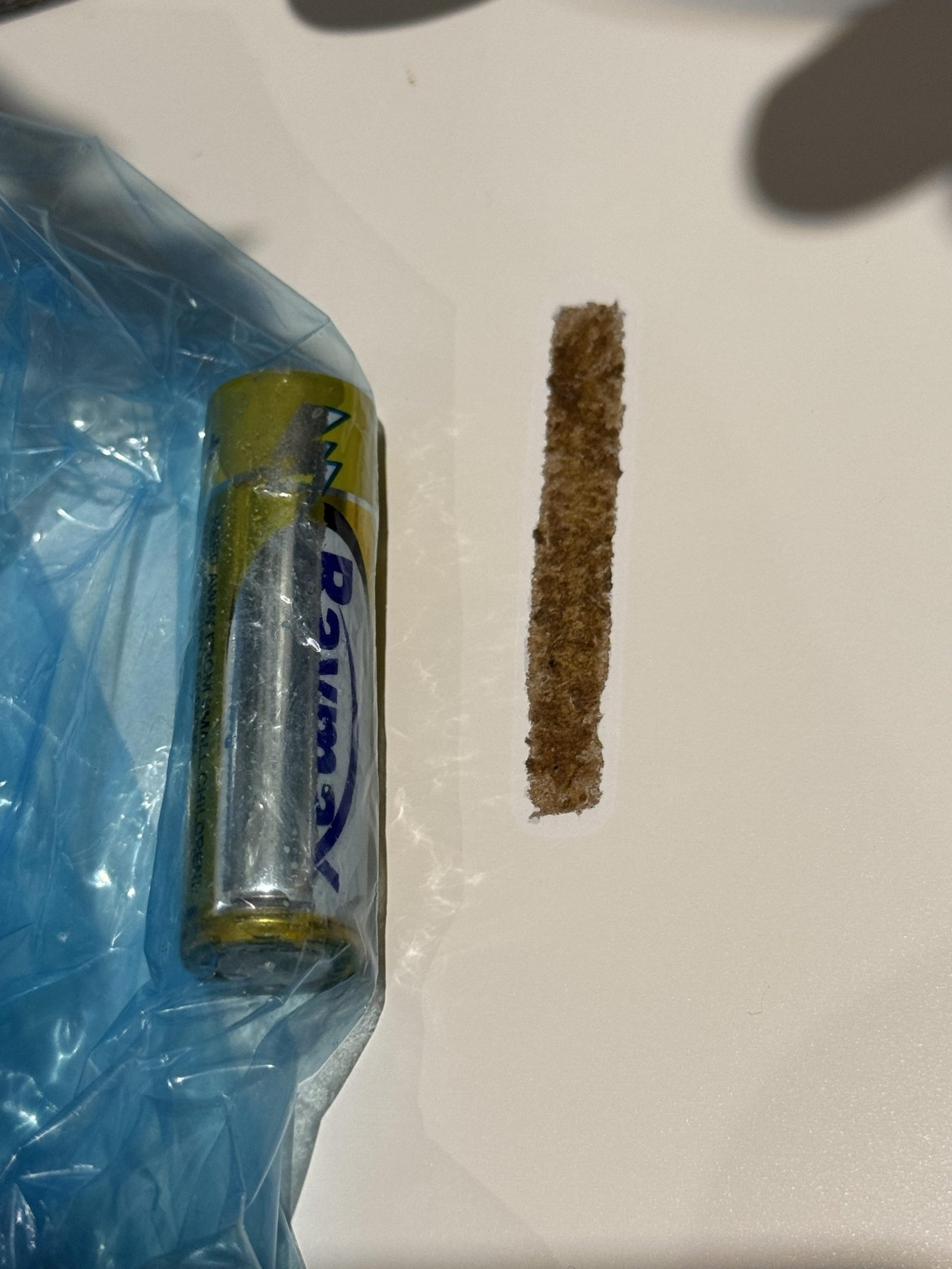
Are you wondering if storing batteries in a plastic bag is a good idea? You’re not alone.
Many people face this question and want to ensure they are storing their batteries safely and efficiently. Imagine avoiding a potential hazard in your home with just a simple storage solution. You’ll discover whether using a plastic bag is the right choice for battery storage and learn practical tips to keep your batteries safe and long-lasting.
Keep reading to find out how you can avoid common mistakes and make smart decisions about storing your batteries.
Battery Storage Basics
Understanding how to store batteries properly is key to keeping them safe and extending their lifespan. Batteries are sensitive to their environment, and small mistakes can cause leaks, corrosion, or even dangerous situations. Let’s break down the basics so you can handle your batteries confidently and avoid common pitfalls.
Types Of Batteries
Batteries come in many shapes and sizes, each with different storage needs. The most common types include:
- Alkaline batteries:Used in everyday devices like remotes and clocks. They are relatively stable but still need proper storage.
- Rechargeable batteries:Such as NiMH and lithium-ion, found in phones and cameras. These require more careful handling and storage conditions.
- Button cell batteries:Tiny batteries used in watches and small electronics. They are sensitive and can leak if stored improperly.
Knowing the type of battery you have helps you decide the best way to store it safely.
Common Storage Practices
Many people wonder if they can just toss batteries into a plastic bag for storage. It might seem convenient but is it safe?
Here are some practical tips that work well:
- Keep batteries in original packaging or a dedicated case:This prevents contact between terminals that could cause short circuits.
- Store in a cool, dry place:Heat and moisture accelerate battery degradation and increase the risk of leakage.
- Separate different battery types:Mixing alkaline with rechargeable batteries can cause issues during storage.
- Avoid storing loose batteries in plastic bags without protection:Terminals rubbing together can spark or damage the battery.
Have you ever found a battery corroded and unusable after storing it carelessly? That’s a clear sign storage matters more than you might think.
Risks Of Using Plastic Bags
Storing batteries in plastic bags might seem like a quick and easy solution. However, this practice carries several risks that could damage your batteries or even create safety hazards. It’s important to understand these risks before you decide where and how to keep your batteries safe.
Potential For Short Circuits
Batteries stored loosely in plastic bags can easily touch each other’s terminals. This contact may cause a short circuit, leading to sparks or even battery leakage. Have you ever found your batteries leaking or dead unexpectedly? This could be why.
Plastic bags don’t provide any insulation or separation between batteries. Unlike battery cases designed with individual slots, bags let batteries slide and knock against each other. This increases the chance of accidental short circuits, especially if metal objects get mixed in.
Heat And Moisture Concerns
Plastic bags trap heat and moisture inside, creating an environment that’s harmful to batteries. Excess heat can accelerate battery degradation, reducing their lifespan. Moisture buildup inside the bag can lead to corrosion on battery terminals, making them unusable.
Have you noticed batteries stored in plastic bags sometimes feel warm or damp? That’s a red flag. Proper storage should allow air circulation and keep batteries dry to maintain their performance over time.
Safe Alternatives For Battery Storage
Storing batteries properly is crucial to avoid risks like short circuits, leaks, or reduced battery life. Plastic bags might seem convenient, but they don’t offer the protection batteries need. Instead, consider safer alternatives designed to keep your batteries secure and organized.
Battery Cases And Organizers
Battery cases are specifically made to hold batteries safely. They prevent terminals from touching anything metal, which stops accidental sparks. You can find cases that fit different battery sizes, from AA to 9V.
Using a battery organizer keeps everything in one place and makes it easy to check which batteries are charged or expired. Some organizers even have compartments with labels, so you don’t mix up new and used batteries.
I once stored batteries in a drawer without any protection. One day, I found them all stuck together with corrosion because the terminals had touched. After switching to a battery case, I never had that problem again.
Using Original Packaging
Keeping batteries in their original packaging is a simple and effective way to store them. Manufacturers design these packs to protect batteries from damage and prevent contact between terminals.
If you’ve opened the package but still have some batteries left, don’t just toss the empty pack. Use it to hold the remaining batteries, or tape the terminals with electrical tape for extra safety.
Have you ever thought about how much damage a small, loose battery can cause in your bag or drawer? Original packaging stops that risk and helps you stay organized without extra cost.

Credit: www.reddit.com
Tips For Handling Batteries Safely
Handling batteries safely is essential for their performance and your safety. Proper care prevents leaks, short circuits, and damage. Follow simple practices to keep batteries in good condition and avoid accidents.
Avoiding Mixing Battery Types
Never store different battery types together. Mixing alkaline, lithium, and rechargeable batteries increases risk. Different chemistries can cause chemical reactions or leaks. Keep each type in separate containers or bags.
Checking For Leaks Or Damage
Regularly inspect batteries for signs of damage or leaks. Look for corrosion, cracks, or swelling. Dispose of any damaged batteries immediately. Leaking batteries can harm devices and cause skin irritation.
Disposing And Recycling Old Batteries
Disposing and recycling old batteries is important for safety and the environment. Batteries contain harmful chemicals that can leak and pollute soil and water. Proper disposal helps prevent damage to nature and health. Recycling recovers valuable materials and reduces waste in landfills. Understanding how to handle old batteries keeps your home safe and protects the planet.
Environmental Considerations
Batteries hold metals like lead, mercury, and cadmium. These metals can cause pollution if batteries break or leak. Throwing batteries in the trash risks toxic chemicals entering the environment. Burning batteries releases dangerous fumes into the air. Proper disposal stops these risks and keeps ecosystems safe. Recycling reduces the need for mining new metals, saving natural resources.
Local Recycling Options
Many communities offer battery recycling programs. Stores that sell batteries often have drop-off bins. Some recycling centers accept all types of batteries. Check local government websites for nearby collection points. Some areas hold special hazardous waste collection days. Use these services to dispose of batteries safely and responsibly.

Credit: www.reddit.com

Credit: www.wikihow.com
Frequently Asked Questions
Can Batteries Be Safely Stored In Plastic Bags?
Batteries can be stored in plastic bags if terminals are covered. Avoid metal contact to prevent short circuits. Use separate bags for each battery to ensure safety and prolong battery life.
Does Plastic Bag Storage Affect Battery Performance?
Plastic bags do not affect battery performance directly. However, moisture buildup inside bags can cause corrosion. Store batteries in dry, cool places to maintain optimal function.
What Are The Risks Of Storing Batteries In Plastic Bags?
Storing batteries together in plastic bags risks short circuits and leakage. Plastic bags can trap moisture, leading to corrosion. Use insulated holders or original packaging for safer storage.
Are Plastic Bags Recommended For Long-term Battery Storage?
Plastic bags are not ideal for long-term battery storage. Moisture and temperature changes inside bags can damage batteries. Use airtight containers and store batteries in a cool, dry environment instead.
Conclusion
Storing batteries in a plastic bag is not the best idea. Plastic can trap heat and moisture, which harms batteries. It’s safer to keep batteries in their original packaging or a dedicated container. Separate old and new batteries to avoid leaks and short circuits.
Always store batteries in a cool, dry place. Taking simple steps protects your devices and extends battery life. Remember, safe storage matters for both batteries and your safety. Choose smart storage for better battery performance.