

Imagine returning from a fantastic vacation, your suitcase full of souvenirs and memories. But lurking within could be unexpected stowaways: termites.
Yes, these tiny pests might just hitch a ride in your luggage, ready to infest your home. Concerned? You should be. Termites are notorious for causing extensive damage, and their presence can lead to costly repairs and headaches. If you're curious about how these pests could make their way into your bags and what you can do to prevent it, keep reading.
We'll dive into the surprising ways termites might travel with you and offer practical tips to protect your home from an uninvited infestation.
Termites And Travel
Traveling with your belongings can be exciting, but have you ever wondered if unwanted pests like termites could hitch a ride in your luggage? These tiny insects are notorious for causing damage to wood and structures, but their ability to travel with you is a concern many overlook. Understanding how termites move and the routes they take can help you protect your home and belongings from an unexpected infestation.
How Termites Spread
Termites mainly spread by flying during their swarming phase. During this time, winged termites leave their colonies to start new ones, often traveling through the air or by walking on surfaces.
They can also spread through infested materials like wood, furniture, or cardboard packed in your luggage. If you bring these items back from an area with termite activity, you risk introducing them into your home.
Think about the last time you packed wooden souvenirs or furniture for a trip. Could those have been a hidden source of termites?
Common Travel Routes For Termites
- Wooden Items:Bringing back wooden crafts, furniture, or packaging materials can carry termites unknowingly.
- Luggage and Bags:Termites can cling to the fabric or hidden crevices in your bags, especially if stored near infested wood.
- Shipping Containers:If you ship goods internationally, termites may travel inside crates or pallets made from untreated wood.
- Vehicles:Cars or RVs parked near termite colonies can become a transport medium if termites crawl inside.
Have you inspected your luggage or travel gear for signs of termites before and after trips? Taking a few minutes to check can save you from costly repairs later.

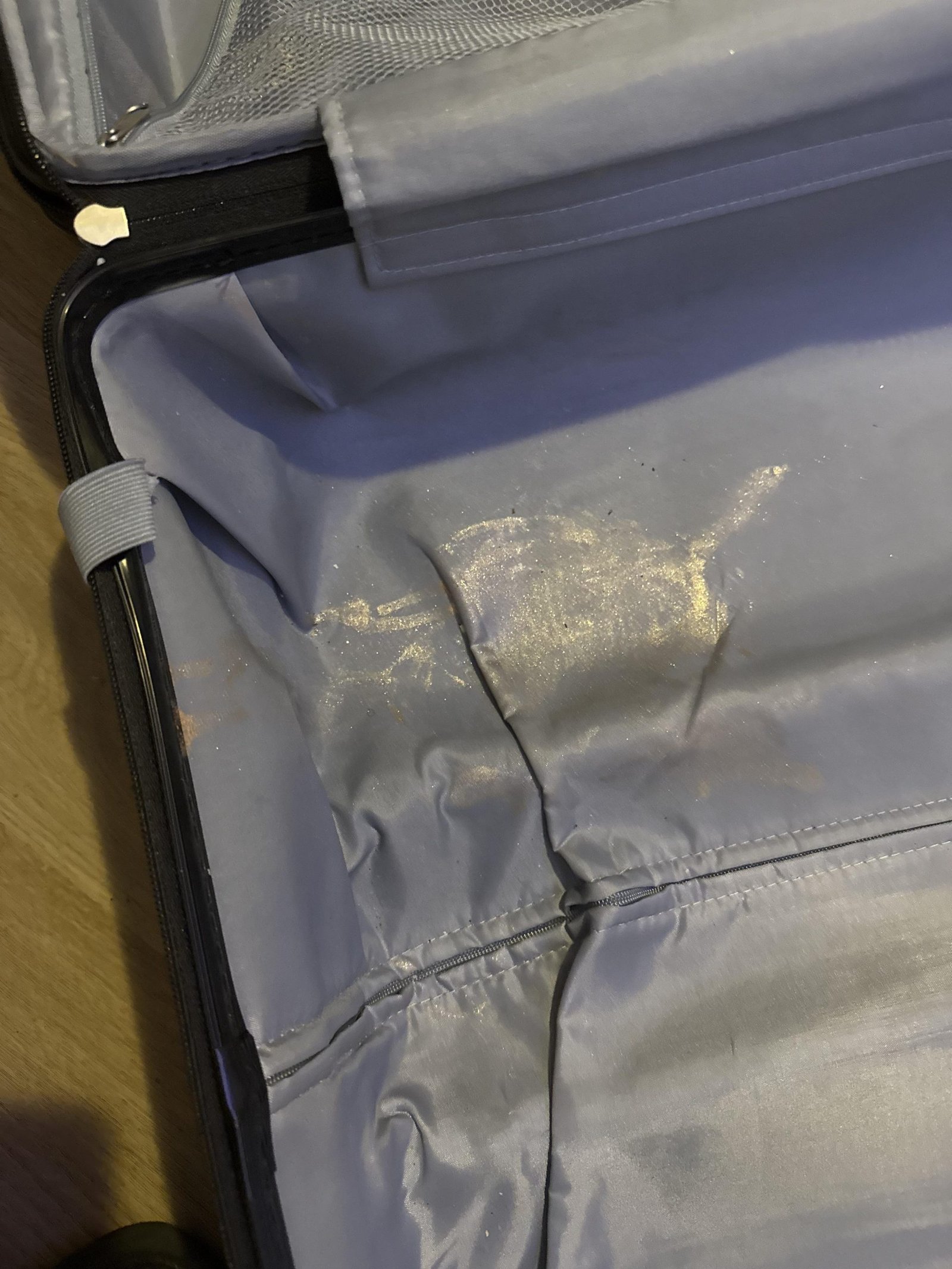
Credit: www.reddit.com
Luggage As A Termite Carrier
Your luggage can unintentionally become a vehicle for termites, especially if it contains materials that attract these pests. Understanding how termites might hitch a ride in your bags can help you avoid bringing home unwanted guests after a trip.
Termites are drawn to certain materials and environments. If your luggage holds such items or has been stored in termite-prone places, the risk increases. Let’s look closer at what makes luggage a potential termite carrier and how you can spot early signs of infestation.
Materials That Attract Termites
Termites primarily feed on cellulose, which is found in wood and plant fibers. Here are some common luggage materials and items inside that can attract termites:
- Wooden handles or frames:Some suitcases have wooden parts that termites find delicious.
- Cardboard packaging:If you pack souvenirs or products in cardboard boxes, termites could be drawn to them.
- Natural fabrics:Clothes made from cotton, linen, or hemp may attract termites, especially if stored damp.
- Paper products:Books, maps, or notebooks in your luggage provide a food source.
Have you ever noticed small pieces of wood or paper in your bag after a trip? That could be a clue that termites were present.
Signs Of Termites In Luggage
Spotting termites early can save you a lot of trouble. Here’s what to watch out for in your luggage:
- Hollow or damaged wooden parts:Check handles or frames for soft spots or crumbling wood.
- Small holes or tunnels:Look for tiny exit holes on wood or paper surfaces inside your bag.
- Frass (termite droppings):Fine, sawdust-like pellets may appear around your luggage or inside pockets.
- Swarmers or wings:Finding small flying termites or shed wings is a clear sign of infestation.
- Musty or earthy smell:An unusual odor can indicate termite activity within your luggage.
If you discover any of these signs, inspect your belongings thoroughly and consider professional pest control. Would you want to risk bringing termites into your home just because you didn’t check your suitcase?
Risks Of Termites In Luggage
Termites in luggage pose serious risks during travel. These tiny insects can cause damage unnoticed. Their presence can lead to costly repairs or replacement of items. Travelers must understand the dangers to protect their belongings and homes.
Damage To Personal Belongings
Termites feed on wood, paper, and fabric materials. They can ruin wooden souvenirs or furniture pieces. Clothes stored in luggage may develop holes from termite activity. Books and documents may become fragile and unusable. Damage often appears after travel, making it hard to identify the cause. This can lead to unexpected expenses for travelers.
Potential Spread To New Locations
Termites can travel hidden inside luggage compartments. Bringing them to a new place risks starting infestations. New termite colonies can damage homes and buildings quickly. Once established, termite control becomes expensive and difficult. Travelers unknowingly act as carriers, spreading pests across regions. Prevention is key to stopping the spread of termites.
Credit: www.cooperpest.com
Preventing Termites In Luggage
Preventing termites in your luggage is crucial to avoid unwelcome infestations that can ruin your belongings and cause damage at your destination. Termites are tiny and can easily hide in wooden items or paper products you carry. Taking a few simple precautions before and during travel can save you from a costly and stressful situation.
Inspection Techniques Before Travel
Start by carefully checking all your luggage and items before you pack. Look closely at wooden objects, books, and cardboard boxes for signs of termite activity such as small holes, sawdust, or mud tubes.
Shining a flashlight inside pockets and seams helps reveal hidden pests. Don’t forget to inspect souvenirs or gifts made of wood or natural materials before placing them in your bags.
Have you ever found unexpected bugs in your suitcase? Catching them early prevents bringing termites into your home or hotel.
Safe Packing Practices
Use airtight plastic containers or sealed bags to pack wooden or paper items. This creates a barrier that termites cannot penetrate during travel.
Keep luggage off the floor, especially in hotels or storage areas, to reduce the chance of termites crawling inside. Elevate your bags on racks or tables whenever possible.
Consider wrapping wooden souvenirs in thick plastic wrap or bubble wrap. This extra layer adds protection and keeps termites at bay.
- Avoid packing firewood or untreated wooden items in your luggage.
- Store clothes and fabrics in zipped bags to prevent contamination.
- Clean your luggage thoroughly after each trip to remove any debris or pests.
Dealing With Termite Infestation Post-travel
Discovering termites after a trip can be unsettling. These tiny invaders can hitch a ride in your luggage without you noticing. Knowing how to respond quickly can save your home from serious damage and reduce stress.
Immediate Actions To Take
First, inspect your luggage thoroughly before bringing it inside your home. Look for mud tubes, small wings, or tiny insects crawling around your bags. If you spot anything suspicious, isolate your luggage in a garage or outside area.
Next, clean your luggage with a vacuum and wipe it down with soapy water or a mild disinfectant. This helps remove any termites or eggs that might be clinging to the fabric. Avoid storing your luggage near wooden furniture or walls until you are sure it’s termite-free.
Ask yourself: Have you checked all pockets and compartments? Termites can hide in unnoticed spots. A careful, detailed inspection can prevent a bigger problem later.
Professional Treatment Options
If you find signs of termite infestation, contacting a pest control professional is crucial. Experts can identify the termite species and recommend the best treatment method for your situation.
Common professional treatments include:
- Liquid termiticides:Applied around the home’s foundation to create a barrier.
- Bait systems:Placed around your property to attract and eliminate termites.
- Fumigation:In severe cases, entire homes or belongings can be treated with gas to eradicate termites.
Remember, DIY solutions rarely solve termite issues completely. Professionals have tools and knowledge that can protect your home in the long term. Have you considered scheduling regular termite inspections after travel to catch problems early?

Credit: www.westernexterminator.com
Frequently Asked Questions
Can Termites Hide Inside Luggage During Travel?
Yes, termites can hide in luggage, especially if it contains wooden items or cardboard. They seek shelter and food. Inspect bags carefully before and after trips to avoid transporting termites unintentionally.
How Do Termites Infest Luggage Materials?
Termites infest luggage by nesting in wooden parts or packing materials like cardboard. They are attracted to cellulose-based materials, making untreated luggage vulnerable to infestation.
Are Certain Luggage Types More Prone To Termite Travel?
Luggage made of natural fibers or wood is more prone to termite infestation. Hard-shell or synthetic materials reduce the risk, as they lack cellulose that termites feed on.
Can Termites Survive Long Journeys Inside Luggage?
Termites can survive long journeys if the environment inside luggage is moist and contains food sources. Dry and synthetic luggage materials reduce their survival chances during travel.
Conclusion
Termites can travel in luggage, but it is not very common. They hide in wood or paper items inside bags. Always check your luggage carefully before packing. Avoid bringing wooden souvenirs or old books from infested areas. Early detection helps stop termite problems at home.
Taking small steps protects your house and belongings. Stay alert and keep your travels safe from pests.