
Have you ever stood in front of your suitcase, pondering whether you can safely pack that can of hairspray or bug spray for your upcoming trip? You're not alone.
Many travelers find themselves confused about what they can or cannot bring in their checked luggage, especially when it comes to aerosols. Understanding these regulations is crucial to ensure a smooth travel experience and avoid any last-minute hassles at the airport.
We'll unravel the mystery of packing aerosols in your checked luggage, providing you with clear guidelines and tips to keep your journey stress-free. Ready to pack smarter and travel with peace of mind? Let's dive in!
Credit: veronicahanson.medium.com
Aerosol Basics
Understanding aerosol basics is crucial before you pack your bags for a trip. Aerosols are common in many households, but their presence in checked luggage often raises questions about safety and airline regulations. Knowing what aerosols are and identifying everyday aerosol products helps you make informed decisions about what you can bring along.
What Are Aerosols
Aerosols are tiny particles or droplets suspended in the air, released from a container under pressure. Inside the container, a liquid product is mixed with a propellant gas that pushes the product out as a fine mist or spray.
This design makes aerosols convenient for even spreading liquids like deodorants or hairsprays. But it also means they can be flammable or pressurized, which is why airlines regulate their transport carefully.
Common Aerosol Products
You likely have several aerosol products at home without realizing it. These include:
- Personal care items like deodorants, hair sprays, and shaving creams
- Household cleaners such as air fresheners and disinfectant sprays
- Automotive products like spray paints and lubricants
- Cooking aids, for example, non-stick cooking sprays
When packing, ask yourself if the aerosol item is essential and if it complies with airline rules. Have you ever had to throw out a favorite spray because you weren’t sure if it was allowed? Knowing these details upfront can save you hassle and money at the airport.
Airline Regulations
Airline regulations control what you can carry on a plane. These rules ensure safety for all passengers. Aerosol cans are common items but have specific guidelines. Knowing these helps avoid problems at the airport. Airlines follow strict policies about aerosols in luggage. These rules differ for checked and carry-on bags. Understanding them makes travel smoother and stress-free.
Checked Luggage Rules
Aerosol cans can go in checked luggage with limits. Most airlines allow aerosols only if they are non-flammable. The container size usually must not exceed 500 ml (about 17 ounces). Airlines and airports check for hazardous contents. Aerosols like deodorants, hairspray, or insect spray must be sealed. Damaged or leaking cans are not allowed. Proper packaging helps prevent accidents during flight. Always check the airline’s policy before packing aerosols.
Carry-on Luggage Restrictions
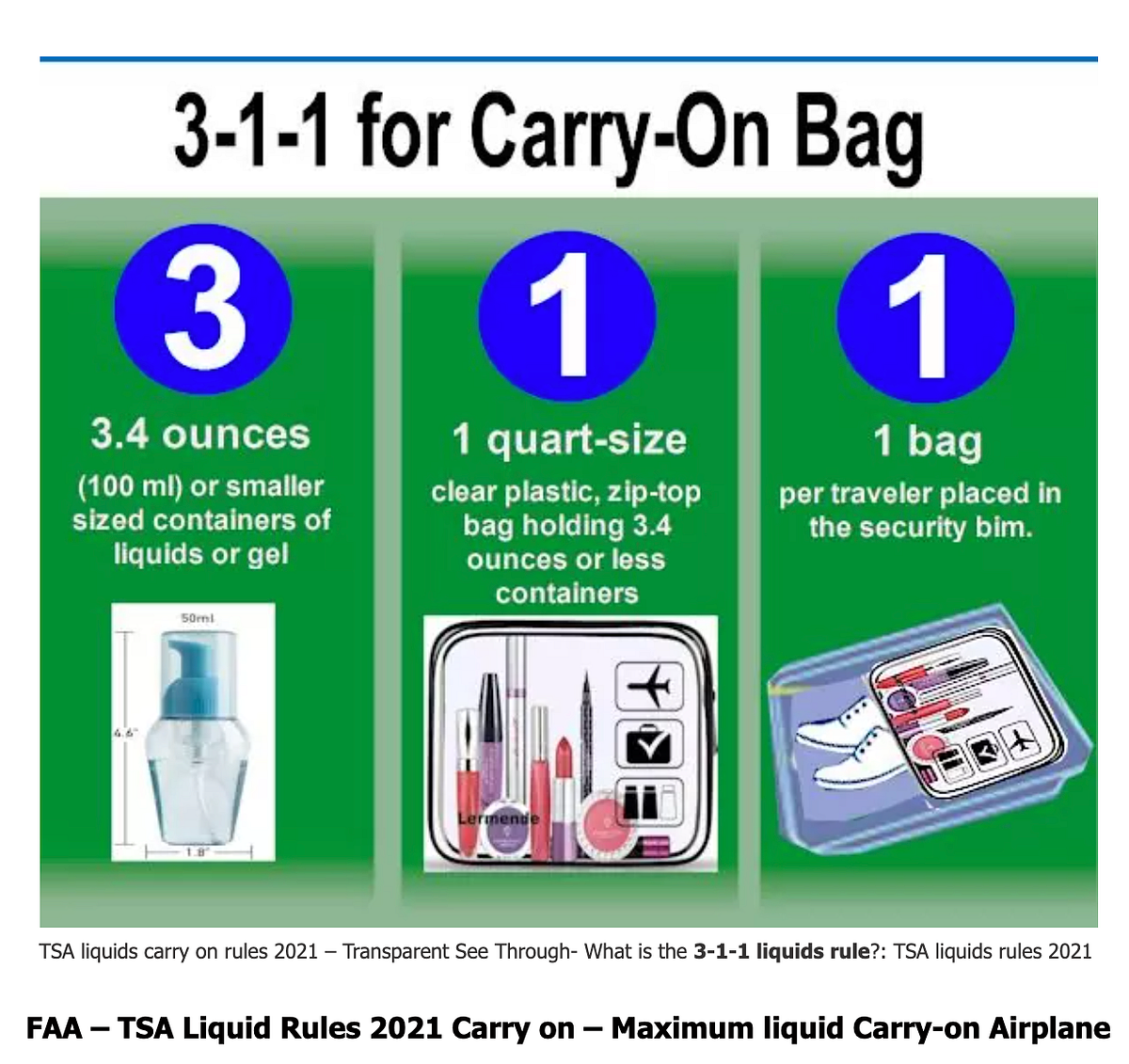
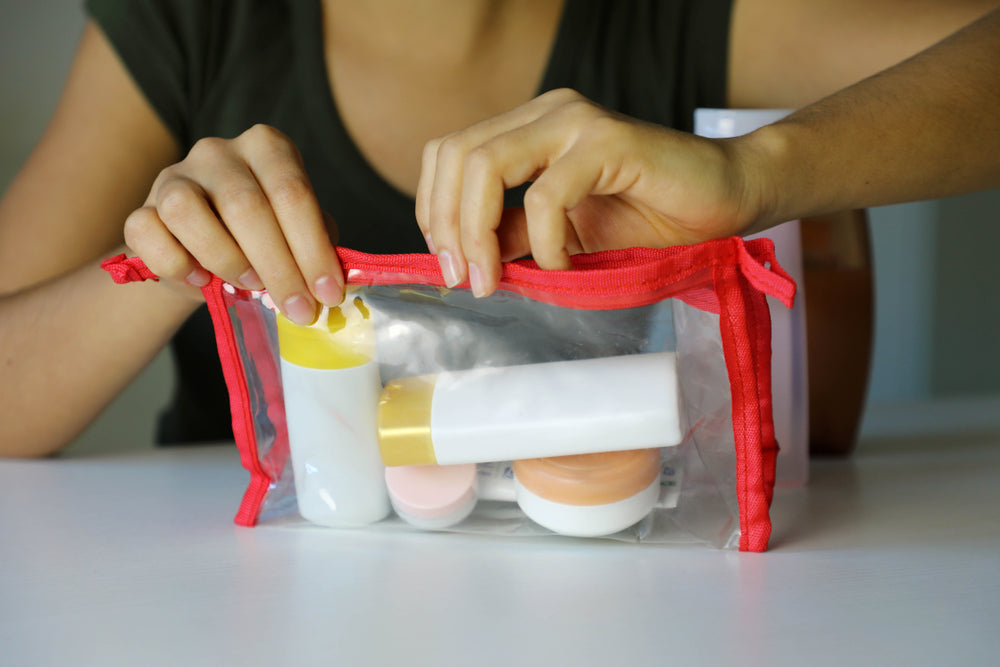
Carry-on bags have stricter rules for aerosols. Aerosols must be in containers of 100 ml (3.4 ounces) or less. All liquids and aerosols must fit in a clear, resealable bag. The total bag volume cannot exceed 1 liter (about 1 quart). Flammable aerosols are banned in carry-on luggage. Security officers may remove items that do not meet rules. Packing aerosols properly saves time at security checkpoints.
Safety Concerns
Carrying aerosol cans in checked luggage raises important safety concerns. Airlines and regulators set strict rules to prevent accidents. Understanding these risks helps travelers pack smarter and safer.
Flammability Risks
Aerosol cans often contain flammable gases or liquids. These substances can ignite if exposed to heat or sparks. The cargo hold of an airplane can experience temperature changes. High temperatures may increase the chance of an explosion. Even a small leak can cause fire hazards. Airlines usually restrict or ban aerosols with flammable contents in checked bags.
Pressure And Leakage Issues
Aerosol cans are pressurized containers. Changes in air pressure during flights can affect them. Pressure differences might cause cans to burst or leak. Leaking contents can damage luggage and belongings. It can also create slippery or harmful spills inside the cargo hold. Proper packaging can reduce risks but does not eliminate them. This is why many airlines limit the amount and type of aerosols allowed in checked luggage.
Packing Tips
Packing aerosols in checked luggage requires care to avoid leaks and damage. Proper preparation helps keep your belongings safe. Follow these tips to pack aerosols securely and meet airline rules.
Proper Sealing Techniques
Ensure the aerosol can is completely closed and locked. Check the nozzle for any damage or blockage. Tighten the cap firmly to prevent accidental sprays. Use tape around the nozzle and cap to add extra security. This reduces the risk of leaks during travel.
Using Protective Containers
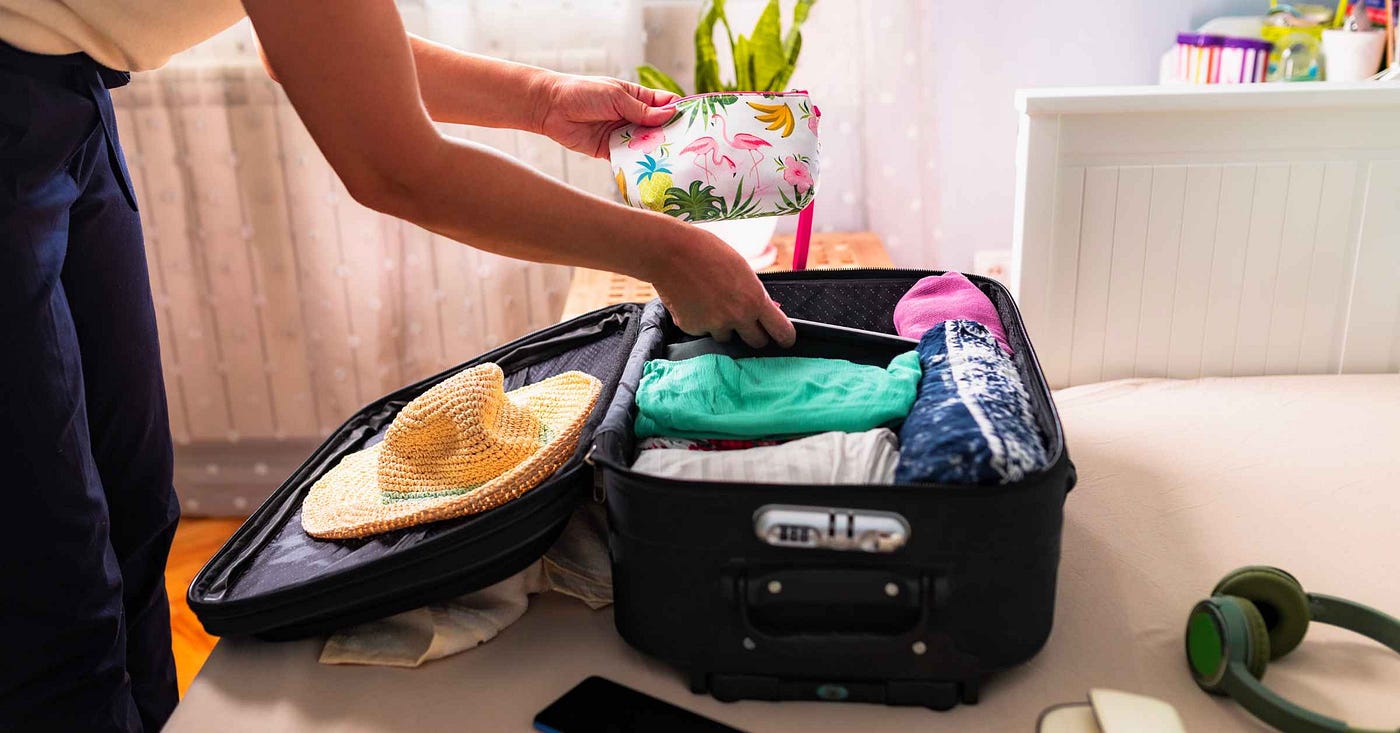
Place aerosols inside sturdy plastic bags to catch any leaks. Use small containers or boxes to keep the cans upright and stable. Cushion the container with clothes or bubble wrap to protect it from impact. Avoid placing heavy items on top to prevent crushing. Label the container clearly for easy inspection by security staff.
International Travel
Traveling internationally with aerosol products in your checked luggage can be tricky. Different countries have their own rules and restrictions. Knowing these variations can save you from delays or confiscations at the airport.
Variations In Country Rules
Each country sets its own limits on aerosols due to safety and environmental concerns. Some countries allow aerosols only if they meet specific pressure and volume standards. Others ban certain types altogether, especially flammable or hazardous aerosols.
For example, while the US permits aerosols up to 500 ml in checked bags, some European countries enforce stricter limits or outright bans. Even within the EU, rules can differ slightly between member states.
Before packing, check the airline’s policies and the regulations of your destination country. It’s important to remember that what’s allowed in your departure country might not be accepted abroad.
Customs Declarations
When you arrive, customs officers may ask about aerosols in your luggage. Declaring these items honestly can prevent fines or confiscation. Failing to declare restricted aerosols may lead to delays or legal trouble.
Keep receipts or product information handy to prove compliance if needed. Some countries require you to fill out specific forms detailing hazardous materials in your checked bags.
Have you ever faced issues with aerosols during customs checks? Sharing your experience can help others prepare better and avoid surprises at the airport.
Credit: okworldtraveltour.com
Airline Specific Policies
Each airline has its own rules about carrying aerosols in checked luggage. These airline-specific policies can affect what you pack and how you prepare your bags. Understanding these differences helps you avoid surprises at the airport and keeps your travel smooth.
Major Airlines Comparison
| Airline | Aerosol Allowed in Checked Luggage? | Restrictions | Additional Notes |
|---|---|---|---|
| American Airlines | Yes | Each container max 18 oz (500 ml), total 2 kg (70 oz) per passenger | Flammable aerosols prohibited |
| Delta Air Lines | Yes | Same limits as American Airlines | Ensure packaging is secure to avoid leaks |
| United Airlines | Yes | Max 18 oz per container, total 2 kg per passenger | Non-flammable aerosols only |
| Southwest Airlines | Yes | Follow TSA and DOT guidelines; max 70 oz total | Check for specific product restrictions |
| British Airways | Yes | Max 500 ml per aerosol, total 2 kg per passenger | Flammable aerosols not allowed |
Have you ever faced confusion because one airline accepted your aerosol product while another denied it? These differences matter, especially when you fly multiple airlines on one trip.
Checking Airline Websites
Before packing aerosols in your checked luggage, visit the airline’s official website. Policies can change, and the website is the most reliable source.
Look for sections labeled “baggage,” “dangerous goods,” or “prohibited items.” Airlines often provide clear lists about what aerosols are allowed and their size limits.
If you're unsure, contact customer service directly. A quick call or email can save you from having to throw away your items at security checkpoints.
What’s your experience with airline policies? Do you check the rules every time or rely on past knowledge? Staying updated can make your travel hassle-free and keep your belongings safe.
Alternatives To Aerosols
If you're wondering about alternatives to aerosols for your checked luggage, there are practical options that keep your travel hassle-free and safe. Aerosols often come with strict regulations, so finding non-aerosol and travel-sized products can help you avoid delays and extra checks. Let's look at some choices that work well without sacrificing convenience or quality.
Non-aerosol Products
Non-aerosol products are a great substitute for aerosols because they don’t rely on pressurized cans. You can use creams, gels, or roll-ons instead of sprays. For example, deodorant sticks or cream-based sunscreens provide the same effect without the risk of explosion or leakage during flight.
I once switched to a pump spray sunscreen instead of an aerosol spray for a trip. It was easier to pack, and I didn’t worry about it bursting in my checked bag. Plus, many brands now offer pump or squeeze bottles that deliver the same coverage safely.
- Deodorant sticks and roll-ons
- Pump spray sunscreen
- Gel-based hair styling products
- Cream insect repellents
Travel-sized Options
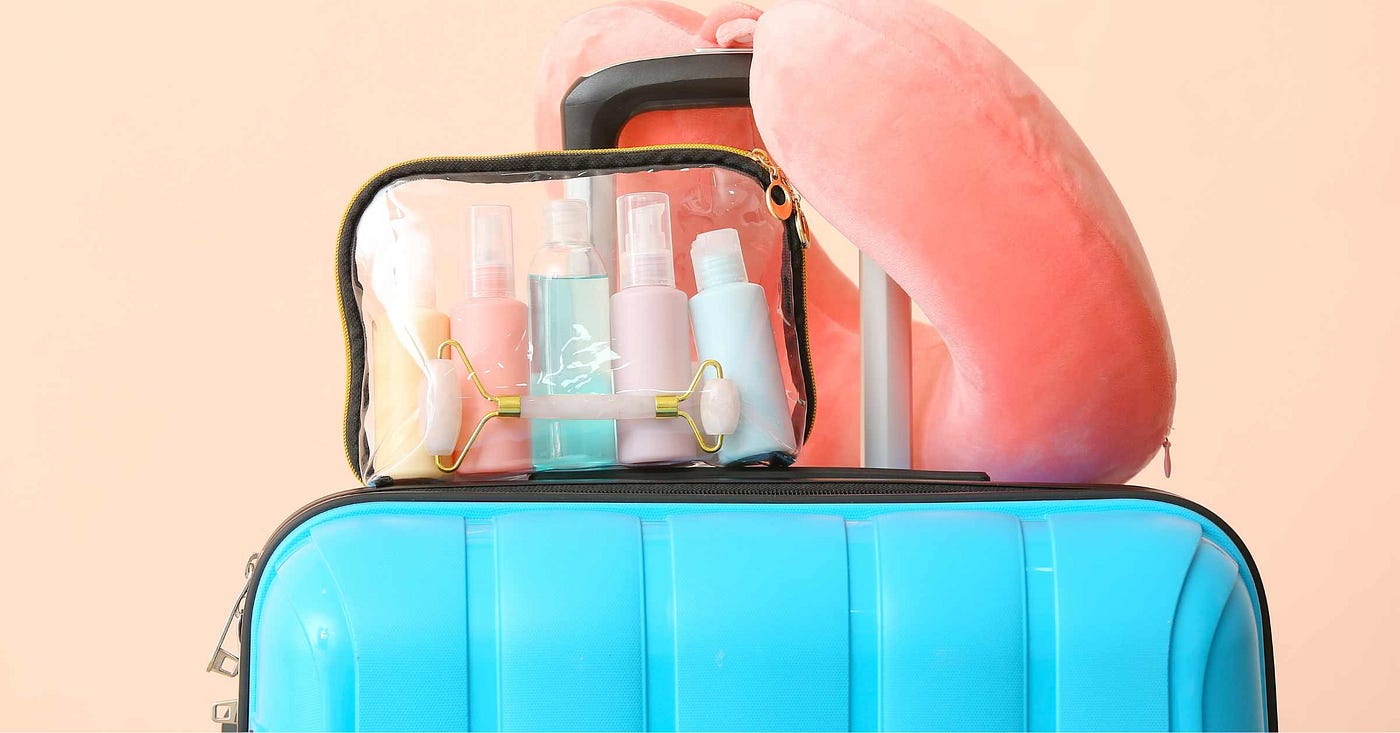
Smaller containers can help you comply with airline rules and save space. Travel-sized versions of your favorite products are often available in pharmacies or online. These mini bottles and tubes usually hold less than 100 ml, which fits well in your carry-on and checked bags.
Consider packing travel-sized toothpaste, lotion, and hair products. They reduce the risk of spills and make it easier to manage your luggage weight. Have you tried using solid shampoo bars? They’re a fantastic travel-friendly alternative that eliminates liquid restrictions altogether.
- Miniature shampoos and conditioners
- Solid shampoo and conditioner bars
- Small lotion and moisturizer tubes
- Travel-size toothpaste and mouthwash
Credit: travelpro.com
Frequently Asked Questions
Can I Pack Aerosol Cans In Checked Luggage?
Yes, you can pack aerosol cans in checked luggage. However, they must be limited in size and quantity. Airlines and TSA have specific rules to ensure safety. Always check with your airline before traveling. Aerosols containing flammable substances are generally prohibited.
Are There Size Limits For Aerosols In Checked Bags?
Yes, aerosols in checked luggage usually have size limits. Typically, each container must not exceed 18 ounces (500 ml). The total aggregate amount per passenger is often limited to 70 ounces (2 kg). Always verify current airline and TSA regulations before packing.
What Types Of Aerosols Are Banned In Checked Luggage?
Flammable aerosols, such as spray paint or insecticides, are banned in checked luggage. Non-flammable aerosols like deodorants and hairsprays are usually allowed within limits. For safety, airlines restrict hazardous materials. Check the TSA website for detailed banned items before packing.
How Should I Pack Aerosol Cans In Checked Luggage?
Aerosol cans should be tightly sealed and placed upright in your checked bag. Use padding to prevent punctures or leaks. Avoid overpacking around the cans to reduce pressure. This helps prevent accidents and complies with airline safety rules. Always declare aerosols if required.
Conclusion
Aerosols can be tricky to pack in checked luggage. Rules limit size and quantity for safety reasons. Always check your airline’s guidelines before you travel. Pack aerosols carefully to avoid leaks or damage. Following these tips helps you avoid problems at the airport.
Stay informed and pack smart for a smooth trip. Safe travels!