
Navigating airport security can be a daunting task, especially when it comes to knowing what you can and cannot bring in your carry-on luggage. If you've ever found yourself wondering whether you can bring pills on a carry-on, you're not alone.
The last thing you want is to have your medications confiscated or face unnecessary delays. This guide is here to give you peace of mind and ensure your travel experience is as smooth as possible. By the end of this article, you'll know exactly what to do to keep your medications safe and accessible during your journey.
Let's dive in and make sure you're all set for your next flight.
Carry-on Medication Rules
Traveling with medication in your carry-on can feel tricky, but knowing the specific rules helps you avoid delays and stress at the airport. Carry-on medication rules are designed to keep you safe while respecting security procedures. Understanding these rules ensures you have what you need without surprises during security checks.
Allowed Medication Types
You can bring most types of medications in your carry-on bag, including prescription pills, over-the-counter drugs, and essential supplements. This also covers liquid medications, inhalers, and insulin. However, all medications must be for personal use and not for resale or distribution.
Have you ever had to explain your medication to airport security? Being clear about what you carry can speed up the process. Remember, controlled substances require proper documentation, so keep your prescriptions handy.
Quantity Limits
There’s no strict limit on the amount of medication you can carry if it’s for personal use during your trip. You can bring a reasonable quantity that matches the length of your travel. Still, carrying only what you need prevents unnecessary hassle.
Liquid medications are an exception. While the usual 3.4-ounce (100ml) limit applies to liquids in carry-ons, medically necessary liquids are exempt. You must declare these at the security checkpoint and may need to show supporting documents.
Packaging Requirements
Keep your medications in their original containers with clear labels. This helps security officers verify what you are carrying quickly. For pills, prescription labels with your name and dosage information are essential.
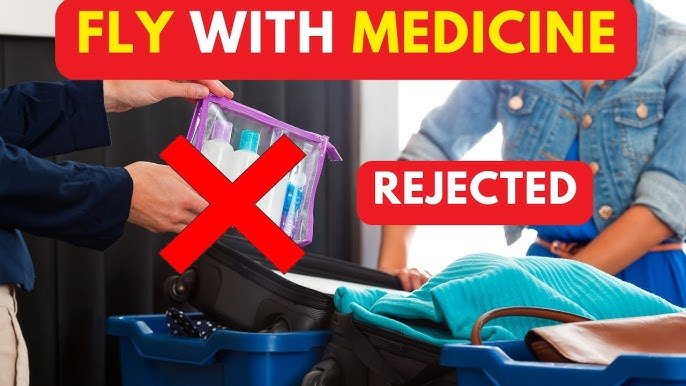
If you carry liquid medicines, pack them separately in a clear, resealable plastic bag for easy inspection. Also, bring a doctor’s note or prescription in case TSA agents ask for proof. Organizing your medication this way saves time and reduces stress during screening.
Credit: www.goodrx.com
Prescription Pills And Documentation
Carrying prescription pills in your carry-on requires proper documentation. This helps airport security identify your medication quickly. Clear paperwork avoids delays and confusion during checks. Always keep your documents accessible and organized.
Doctor's Notes And Prescriptions
Carry a copy of your doctor’s note or prescription. It must state your name and the medication’s purpose. This proves the pills are for personal use. Digital copies on your phone are helpful but keep paper versions too. Some airports may ask for original documents.
Labeling Guidelines
Keep pills in their original containers with labels intact. Labels should show your name, medication name, and dosage. Clear labeling helps security officers verify your pills quickly. Avoid transferring pills to unmarked containers. This can cause suspicion or delays.
Handling Controlled Substances
Controlled substances need extra care and documentation. Obtain written permission from your doctor and pharmacy. Check the airline and country rules about such medications. Carry only the amount you need for the trip. Declare these medicines at security checkpoints to avoid issues.
Security Screening Process
Going through airport security with your medication can feel tricky. Understanding the security screening process helps you avoid delays and stress. Knowing what to expect ensures your pills pass through smoothly and safely.
Declaring Medication At Checkpoint
You should always declare your medication before the screening begins. Let the security officer know you have pills or liquid medicine with you. This prevents confusion and speeds up the process.
If your medication is in its original packaging, it’s easier to identify. However, if you carry pills in a separate container, be ready to explain what they are. Have your prescription or a doctor’s note handy if possible.
Screening Procedures
Security officers usually screen medication separately from other items. Pills might be subjected to additional checks, such as visual inspection or swabbing for traces of explosives. This doesn’t mean your medication is suspicious; it’s standard practice.
Expect to remove your medication from your bag and place it in a bin. If your pills are in liquid form, they must comply with liquid limits or be declared as medically necessary. Remember, security staff aim to keep everyone safe, not to make your journey difficult.
Tips For Smooth Security Checks
- Organize your medication:Keep all pills together in a clear, labeled container.
- Carry a prescription or doctor’s note:This helps clarify your need for the medication.
- Arrive early:Extra time reduces stress if additional screening is needed.
- Communicate clearly:Inform officers about your medication before screening starts.
- Know the rules:Check TSA or your country’s airport security guidelines for medication policies.
Have you ever faced unexpected questions about your medication at security? Sharing your experience might help others prepare better and avoid similar issues.

Credit: www.youtube.com
International Travel Considerations
Traveling internationally with medication requires careful planning. Different countries have unique rules about carrying pills in your carry-on. Knowing these rules helps avoid problems at airports and customs. Always check the regulations of your destination before you pack your medication. This ensures a smooth and stress-free travel experience.
Country-specific Regulations
Each country sets its own rules for bringing medication. Some allow common prescriptions with no issues. Others require special permits or prescriptions in the local language. Controlled substances often face strict limits or bans. Research your destination’s official health or customs websites. This prevents delays or confiscation at the border.
Customs Declarations
Many countries ask travelers to declare medication at customs. Be honest and clear about what you carry. Keep medication in original packaging with labels visible. Carry a doctor’s note explaining your need for the pills. This helps customs officers verify your medication quickly. Failure to declare can cause fines or confiscation.
Traveling With Foreign Medications
Some countries restrict medications not approved locally. Bringing foreign pills may cause questions or denial. Check if your medication is legal at your destination. Consider carrying a translated prescription or medical letter. Always pack enough supply for your entire trip. Avoid buying medicines abroad unless from trusted pharmacies.
Tips For Packing Pills Safely
Packing pills for air travel needs care and planning. Safe packing helps avoid delays and protects your health. Follow simple tips to keep your medication secure and accessible. These tips make your journey smoother and safer.
Using Original Containers
Always keep pills in their original containers. These containers show the prescription label. Labels include important details like your name and dosage. Security officers trust original packaging more. It helps prove the medication is legal and prescribed to you. Avoid transferring pills to other bottles or bags. Original containers also protect pills from damage and contamination.
Organizing Medication
Organize your pills in a clear, easy-to-access way. Use a small pill organizer if you take multiple medicines. Label compartments with days or times. Keep the organizer in your carry-on bag. Carry a copy of your prescription or doctor’s note. This document explains why you need the pills. Organizing medication reduces stress and saves time at security checks.
Avoiding Common Mistakes
- Do not pack pills only in checked luggage.
- Avoid carrying large quantities without proof of prescription.
- Do not mix different pills in one container.
- Never hide medication in unmarked bags or pockets.
- Do not forget to check airline and country rules.
Credit: creators.yahoo.com
Frequently Asked Questions
Can I Bring Prescription Pills On A Carry-on?
Yes, you can bring prescription pills in your carry-on. Keep them in their original labeled containers for TSA security checks. Carry a doctor’s note or prescription if possible to avoid delays or questions during screening.
Are There Restrictions On The Quantity Of Pills In Carry-on?
There is no strict limit on the number of pills you can carry. However, only bring the amount needed for your trip. Large quantities may raise questions, so carry a prescription or doctor’s note for clarity.
Do I Need To Declare Pills At Airport Security?
You do not need to declare prescription pills unless requested. Keep them accessible for inspection. Inform TSA officers if you have medically necessary liquids or medications exceeding usual limits.
Can I Bring Over-the-counter Pills In My Carry-on?
Yes, over-the-counter pills are allowed in carry-on bags. Keep them in their original packaging to speed up security checks. Avoid carrying large quantities to prevent suspicion or questioning.
Conclusion
Carrying pills on a plane is usually allowed with some rules. Keep medicines in their original bottles. Carry a doctor’s note if possible. Always declare your pills at security if asked. Avoid packing large quantities without explanation. Remember, each airline and country may have different rules.
Being prepared helps avoid delays or problems. Travel safe and keep your health in mind. Simple steps make your trip easier and stress-free.