

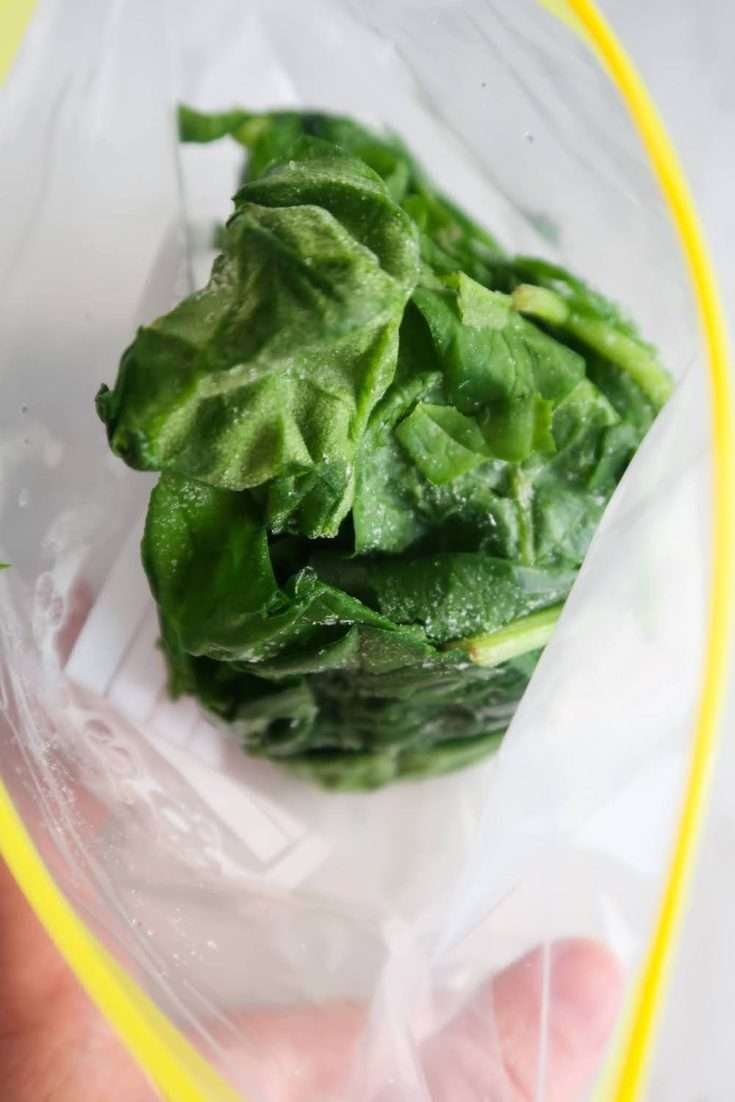
Imagine this: You’re at the grocery store, and spinach is on sale. You think of all the healthy salads and smoothies you can make, but you wonder—can you freeze spinach in a bag?
The answer could save you time, money, and effort. You’re not alone in this dilemma. Many people want to enjoy the benefits of spinach without the worry of it wilting away in the fridge. By learning how to properly freeze spinach, you can always have this nutritious green on hand for any recipe.
Curious about how you can do it effectively? Keep reading to discover how freezing spinach can become your new kitchen hack.
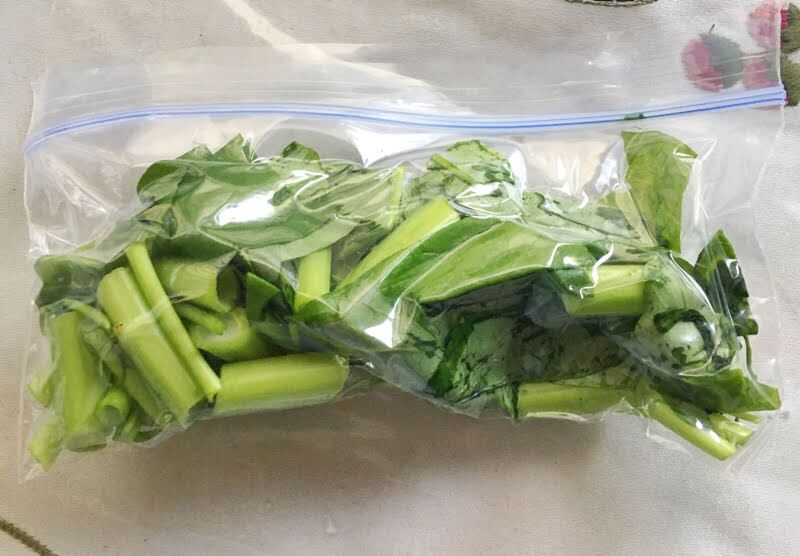
Credit: www.makergardener.com
Choosing The Right Spinach
Choosing the right spinach is key to freezing it properly. The spinach quality affects taste and texture after freezing. Picking the best leaves ensures your frozen spinach stays fresh and tasty.
Fresh Vs. Frozen Spinach
Fresh spinach is crisp and bright green. It has a mild, slightly sweet flavor. Frozen spinach is often blanched before freezing, which softens it. Frozen spinach is convenient but may lose some texture. Fresh spinach holds better texture for freezing at home.
Selecting Quality Leaves
Look for leaves that are firm and vibrant. Avoid spinach with yellow or wilted leaves. Choose spinach without dark spots or slimy texture. Smaller leaves tend to freeze better than large, mature ones. Wash spinach well before freezing to remove dirt and bugs.
Preparing Spinach For Freezing
Preparing spinach for freezing is a simple process that helps keep its taste and nutrients. Proper preparation stops the leaves from becoming soggy or losing flavor. Clean and sort the spinach carefully before freezing.
Washing And Drying
Rinse the spinach leaves under cold water to remove dirt and bugs. Use a large bowl filled with water to soak the leaves for a few minutes. Drain the water and repeat if necessary. Dry the spinach thoroughly by using a salad spinner or patting with paper towels. Removing excess water prevents ice crystals and soggy leaves after freezing.
Trimming And Sorting Leaves
Check the spinach leaves for any yellow or damaged parts. Remove the stems if they are thick or tough. Sort the leaves by size to help them freeze evenly. Use only fresh, healthy leaves for the best taste and texture after thawing.
Freezing Spinach In A Bag
Freezing spinach in a bag is one of the easiest ways to preserve its freshness and nutrients. It allows you to keep spinach handy for smoothies, soups, or sautés without worrying about it spoiling quickly. But the process requires a bit of care to maintain the texture and flavor after freezing.
Using Freezer Bags
Choose high-quality freezer bags that seal tightly to protect spinach from freezer burn. These bags are designed to withstand low temperatures and keep moisture out, which is crucial for spinach’s delicate leaves.
Before freezing, you can blanch the spinach briefly to preserve its color and nutrients, but it’s not mandatory if you plan to use it in cooked dishes. Just make sure the spinach is dry to avoid ice crystals forming inside the bag.
Removing Air For Freshness
Air inside the bag causes freezer burn and degrades spinach quality over time. To keep your spinach fresh, press out as much air as possible before sealing the bag.
If you have a vacuum sealer, use it to remove air completely. If not, gently squeeze the bag by hand or use a straw to suck out air through the seal before closing it fully.
Portioning For Convenience
Think about how you use spinach in your meals and freeze it in small, ready-to-use portions. This saves time and prevents thawing more spinach than you need.
For example, pack spinach in 1-cup or 2-cup sizes depending on your recipe needs. Label each bag with the date and portion size, so you don’t waste time guessing later.

Credit: www.acouplecooks.com
Blanching Spinach Before Freezing
Blanching spinach before freezing helps keep it fresh and tasty. This simple process stops enzymes that cause spoilage. It also preserves the bright green color and nutrients. Blanched spinach freezes better and lasts longer.
Benefits Of Blanching
- Preserves color and texture
- Stops enzyme activity to prevent spoilage
- Keeps vitamins and minerals intact
- Makes spinach easier to pack in bags
- Reduces the risk of freezer burn
Step-by-step Blanching Process
- Boil a large pot of water.
- Prepare a bowl with ice water.
- Wash spinach leaves thoroughly.
- Place spinach in boiling water for 1-2 minutes.
- Quickly transfer spinach to ice water to stop cooking.
- Drain and squeeze out excess water from spinach.
- Pack spinach into freezer bags, removing air.
- Seal bags tightly and label with date.
Storing And Thawing Frozen Spinach
Storing and thawing frozen spinach correctly keeps its flavor and texture fresh. Proper handling prevents freezer burn and sogginess. Knowing how to store and thaw spinach helps maintain its nutrients and taste for meals.
Proper Storage Tips
- Use airtight, freezer-safe bags or containers.
- Remove as much air as possible before sealing the bag.
- Label bags with the date of freezing.
- Freeze spinach flat in thin layers for quick freezing and easy stacking.
- Store spinach at 0°F (-18°C) or lower for best quality.
- Use frozen spinach within 8 to 12 months for optimal taste.
Safe Thawing Methods
- Thaw spinach overnight in the refrigerator.
- Drain excess water after thawing to avoid sogginess.
- Use thawed spinach directly in cooked dishes like soups or stews.
- Quick thaw by placing sealed bag in cold water for 30 minutes.
- Avoid thawing spinach at room temperature to reduce bacteria risk.

Credit: www.homemademastery.com
Using Frozen Spinach In Recipes
Using frozen spinach in your cooking can save you time and reduce waste. It keeps well in the freezer and can be added directly to many dishes without thawing first. Knowing how to use it properly can keep your meals fresh and flavorful.
Cooking Tips
Frozen spinach holds a lot of moisture, so squeezing out excess water before cooking is key. This prevents your dish from becoming watery or bland. You can thaw it in the fridge or microwave, then press it with a clean towel or paper towel.
Adding frozen spinach early in the cooking process helps it blend better with other ingredients. It softens quickly and releases flavor as it heats. Don’t forget to season well—spinach benefits from a bit of salt, pepper, or garlic to boost its taste.
Best Dishes For Frozen Spinach
Frozen spinach works well in soups and stews because it melds into the broth smoothly. It’s perfect for creamy dishes like spinach dip or lasagna layers, where it adds nutrition without changing texture much.
- Stir it into scrambled eggs or omelets for a quick green boost.
- Add to pasta sauces for extra color and flavor.
- Mix into casseroles or baked dishes where moisture is welcome.
Have you tried frozen spinach in smoothies? It’s a great way to get greens without the fibrous texture fresh spinach sometimes has. What’s your favorite recipe to use frozen spinach in?
Common Mistakes To Avoid
Freezing spinach in a bag is a great way to keep it fresh. Avoid mistakes that ruin its taste and texture. Some common errors cause freezer burn or sogginess. Knowing what not to do saves time and food quality.
Skipping Drying Steps
Wet spinach freezes poorly. Excess water forms ice crystals. These crystals damage leaves and make spinach mushy. Pat spinach dry with a clean towel. Use a salad spinner to remove extra moisture. Dry leaves freeze better and keep their texture.
Freezing Without Blanching
Blanching stops enzyme activity that spoils spinach. Skip this step, and spinach loses color and flavor. Boil spinach for 1-2 minutes, then cool quickly. This process preserves nutrients and freshness. Frozen spinach lasts longer and tastes better after blanching.
Frequently Asked Questions
Can You Freeze Fresh Spinach In A Bag?
Yes, fresh spinach can be frozen in a bag. Wash and dry it thoroughly, then remove excess air before sealing. This method preserves nutrients and flavor for up to 12 months.
Should Spinach Be Blanched Before Freezing?
Blanching spinach before freezing is recommended. It stops enzyme activity that causes spoilage, preserving color and texture. Blanch spinach for 1-2 minutes, then cool in ice water before freezing.
How Long Does Frozen Spinach Last In A Bag?
Frozen spinach in a sealed bag lasts about 10-12 months. For best quality, use it within this time. Always store spinach at consistent freezer temperatures below 0°F (-18°C).
Can You Freeze Cooked Spinach In A Bag?
Yes, cooked spinach can be frozen in a bag. Cool it completely, then pack in airtight bags. Label with date and use within 3 months for best taste.
Conclusion
Freezing spinach in a bag keeps it fresh for longer. It saves time and reduces waste. You just need to wash, dry, and pack it well. Freeze in small portions for easy use later. Frozen spinach works great in soups, stews, and smoothies.
It may lose some crunch but keeps its nutrients. Store it properly to avoid freezer burn. This simple method helps you enjoy spinach anytime. Give it a try and see how convenient it is.