
Imagine standing at the luggage carousel after a long flight, only to realize your suitcase is nowhere in sight. Anxiety creeps in, leaving you with a sinking feeling.
It's a travel nightmare, right? But what if you had a simple way to always know exactly where your luggage is? Enter the GPS tracker—your new travel ally. By the end of this article, you’ll discover how a small device can bring peace of mind and security to your travels.
Curious if you can put a GPS tracker in your luggage and how it might transform your travel experience? Read on to find out!
Benefits Of Gps Trackers In Luggage
GPS trackers in luggage offer many benefits for travelers. They help keep your belongings safe and let you know exactly where your bags are. These devices add a layer of protection and convenience that traditional luggage tags cannot provide.
Using a GPS tracker means you can quickly find lost or misplaced luggage. It makes travel less stressful by giving you more control over your belongings.
Enhanced Security During Travel
GPS trackers improve luggage security by allowing constant monitoring. You can detect if your bag moves unexpectedly or is taken. This reduces the risk of theft or loss at airports and hotels. Some trackers alert you immediately if your luggage leaves a set area.
Real-time Location Updates
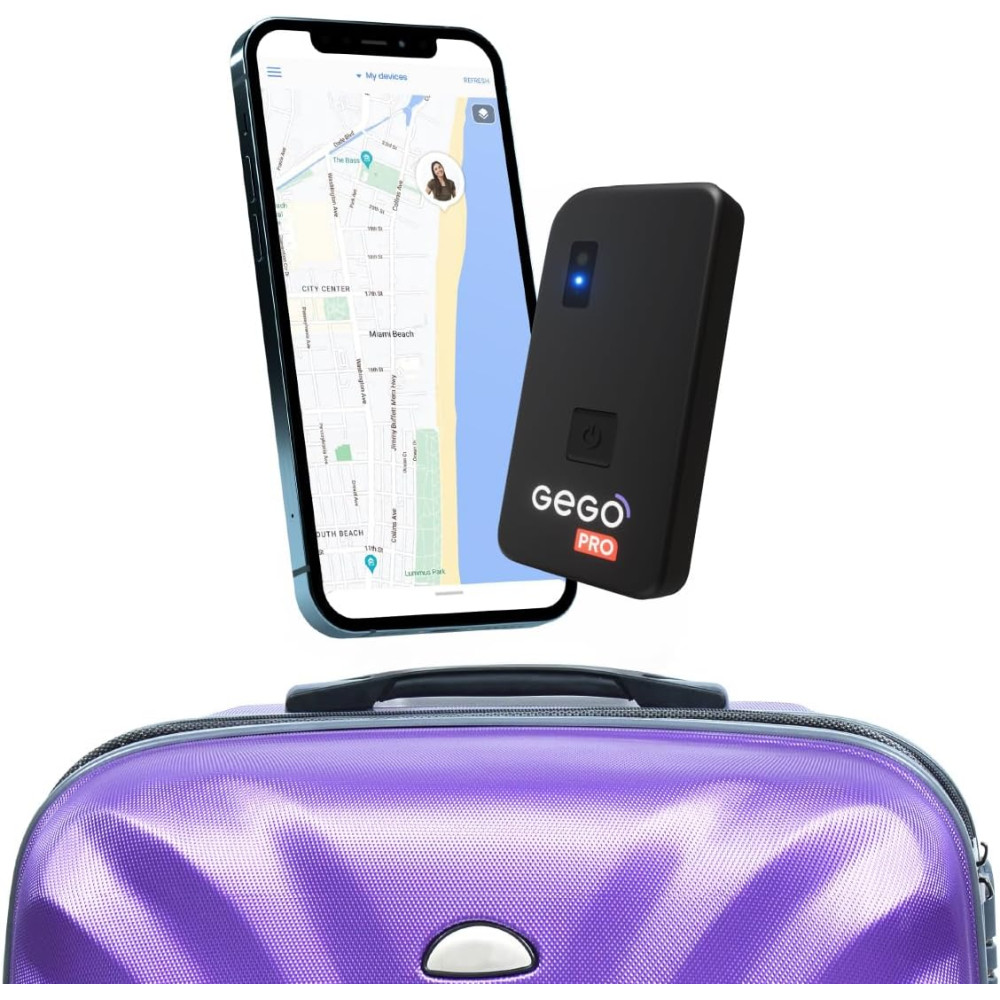
Trackers provide live updates on your luggage’s position. You no longer have to guess where your bag might be. Apps connected to the tracker show the exact location on a map. This feature helps you act fast if your luggage goes missing.
Peace Of Mind For Travelers
Knowing your luggage’s location gives you peace of mind. You can relax and enjoy your trip without constant worry. GPS trackers reduce anxiety about lost bags, especially during long or busy journeys. Travel becomes smoother and more enjoyable with this extra safety net.
Types Of Gps Trackers Suitable For Luggage
Choosing the right GPS tracker for your luggage can make a huge difference in keeping your belongings safe and easily traceable. Different types of trackers offer unique features that cater to various travel needs. Understanding these options helps you pick a device that fits your travel style and luggage type.
Battery-powered Trackers
Battery-powered GPS trackers are the most common choice for luggage tracking. They are compact, easy to use, and don’t depend on external power sources once charged. You can find models with battery lives ranging from a few days to several weeks.
Many travelers prefer these because they offer reliable tracking without adding much weight. However, ask yourself how long your trip will last and if the battery life matches that duration. Some trackers also have low-battery alerts, which can save you from losing connection unexpectedly.
Solar-powered Options
Solar-powered GPS trackers are a smart choice if you often travel to sunny destinations or go on extended trips. These devices recharge themselves using sunlight, reducing the need for frequent charging. This feature can be a game-changer when you're on the move and access to power outlets is limited.
Still, consider whether your travel routes have enough sunlight exposure to keep the tracker charged. In shady or indoor environments, these might not perform as well. You could combine solar power with a backup battery to avoid losing track of your luggage.
Sim Card Enabled Devices
Trackers with SIM cards provide real-time location updates by using cellular networks. This means you can track your luggage almost anywhere there's mobile coverage. They often include features like SMS alerts and remote monitoring apps on your phone.
Before buying one, think about network compatibility in your travel destinations. International trips may require multi-network SIM cards or roaming plans. These devices usually need a monthly subscription, so factor in ongoing costs when deciding.
How To Choose The Right Gps Tracker
Choosing the right GPS tracker for your luggage helps keep your belongings safe. The perfect tracker fits your travel needs and luggage type. Several factors matter when selecting one. Focus on size, battery life, and tracking accuracy. These help you find a reliable and easy-to-use device.
Size And Portability
Pick a small GPS tracker that fits inside your luggage easily. It should not add weight or bulk. A compact design hides better and stays secure. Choose one that blends with your bag’s interior. Portability makes it simple to move and place the tracker anywhere.
Battery Life Considerations
Battery life is key for long trips. Look for a tracker with a long-lasting battery. It must work throughout your journey without recharging. Some trackers offer sleep mode to save power. Check how often you need to charge it. This avoids losing signal when traveling.
Tracking Accuracy And Range
Good accuracy helps locate your luggage fast. Choose a tracker that gives precise location updates. Also, check the tracking range it covers. Some devices work worldwide, while others need nearby signals. A wider range means better chances to find your bag anywhere.
Placement Tips For Gps Trackers In Luggage
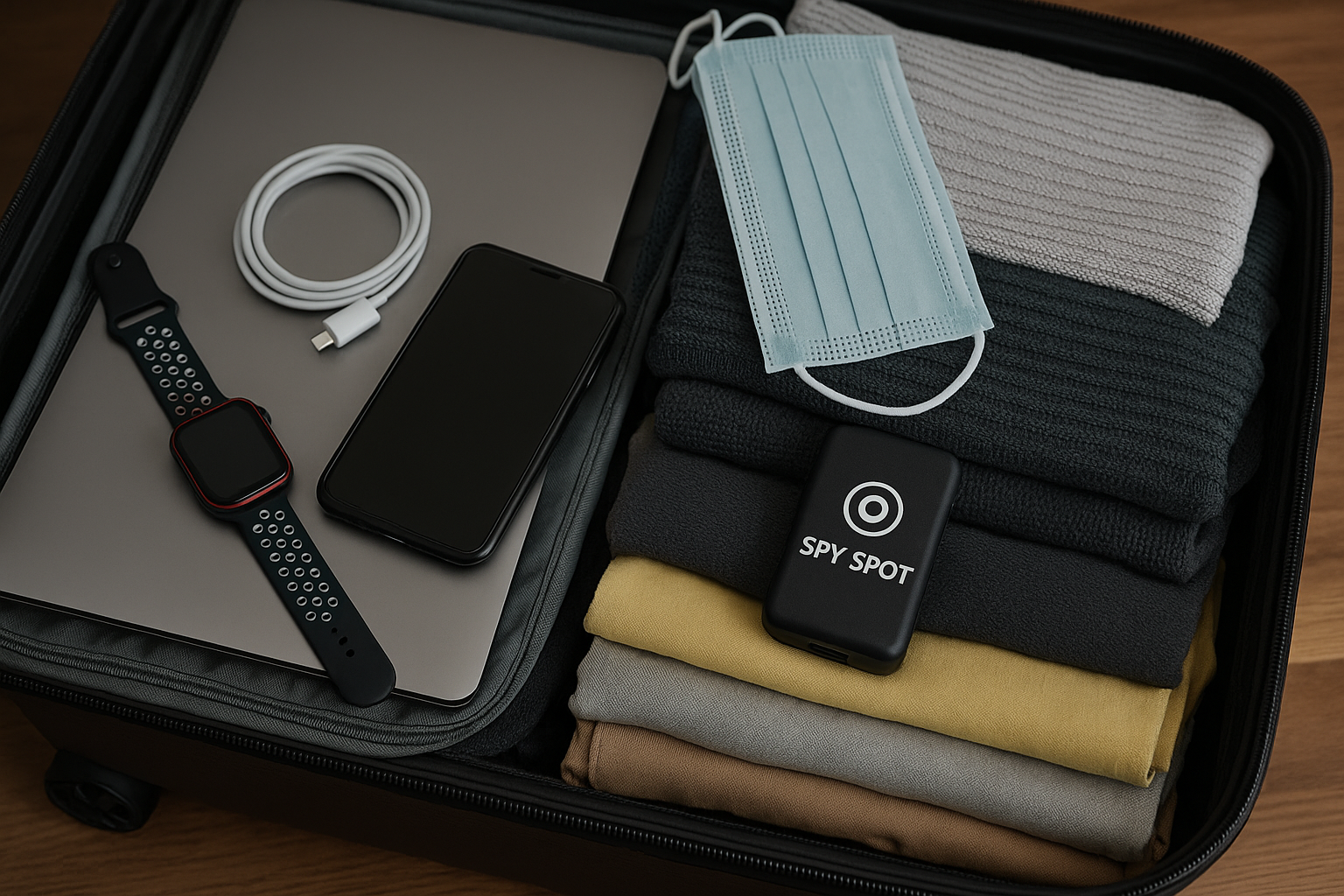
Placing a GPS tracker in your luggage isn’t just about slipping it inside and hoping for the best. The right placement can make a big difference in how well the tracker works and how discreet it remains. You want it hidden from plain sight but also easy to reach when you need to check or charge it.
Hidden Compartments
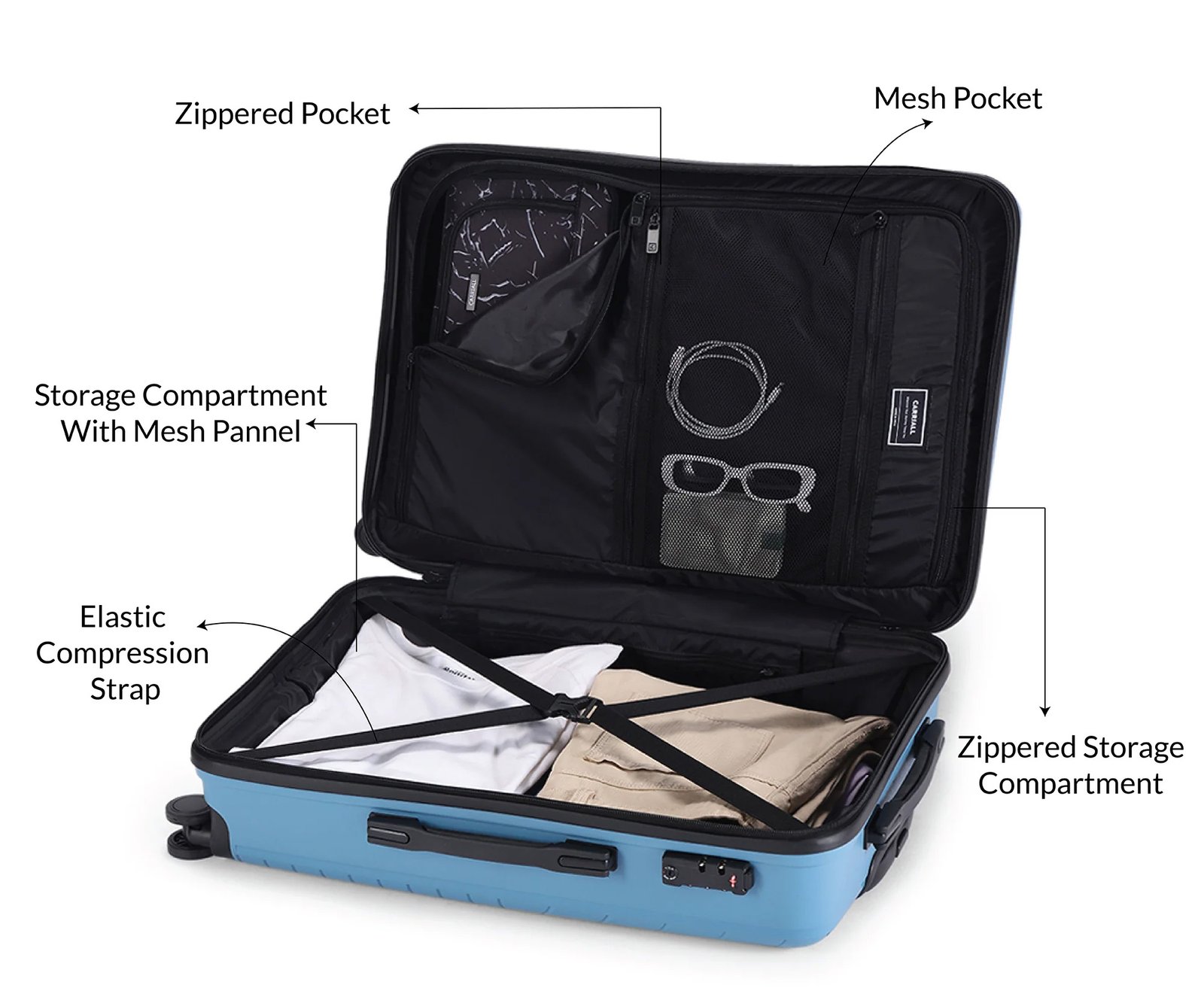
Look for secret pockets or built-in compartments in your luggage. Many suitcases have small zipped sections or lining folds that can hide a GPS tracker perfectly.
If your bag doesn’t have these, consider adding a small pouch inside an inner pocket. This keeps the tracker out of sight and reduces the chance of it being accidentally removed or damaged.
Easy Access For Maintenance
While hiding the tracker is important, you also need to access it easily. What’s the point of a hidden tracker if you can’t replace the battery or check the signal?
Place it in a spot that’s quick to reach without unpacking your entire bag. A pocket near the top or inside a flap can save you time and hassle at the airport or hotel.
Avoiding Interference
Metal parts and thick padding can block GPS signals. Avoid placing your tracker near zippers, locks, or heavy frames inside your luggage.
Instead, aim for areas with softer fabric or near openings where signals can travel more freely. Have you noticed how some trackers lose signal inside certain bags? This small detail makes all the difference.
Legal And Airline Regulations
Using a GPS tracker in your luggage raises important legal and airline rules. Understanding these rules helps avoid trouble at airports. Airlines and countries have strict guidelines on electronic devices in bags. These rules ensure safety and security during flights. Knowing them keeps your travel smooth and stress-free.
Rules For Electronic Devices In Luggage
Most airlines allow small electronic devices like GPS trackers inside luggage. Devices must not interfere with airplane systems. Airlines often require devices to be switched off during the flight. Carry-on bags usually have fewer restrictions than checked luggage. Always check the airline’s specific rules before packing your tracker.
Restrictions On Battery Types
Batteries in GPS trackers must meet airline safety standards. Lithium-ion batteries are common but have strict size and power limits. Oversized or damaged batteries are usually banned. Airlines require batteries to be inside the device or packed safely. Carry spare batteries in carry-on bags, not checked luggage.
Informing Airlines About Trackers
Some airlines ask travelers to declare electronic devices with batteries. Informing the airline before your flight can prevent delays. It helps staff handle your luggage carefully. Check airline websites or contact customer service about their policies. Being upfront about your GPS tracker avoids surprises at security checks.

Credit: www.amazon.com
Common Challenges And How To Overcome Them
Placing a GPS tracker in your luggage can bring peace of mind during travel. Yet, several challenges may arise that affect its performance. Understanding these common issues helps keep your tracker reliable and effective. Below, we explore key problems and practical tips to solve them.
Signal Loss Issues
GPS trackers rely on signals from satellites and cellular networks. Luggage made with thick materials or placed deep in cargo holds often block these signals. Airports and airplanes can create interference too.
- Choose trackers with strong signal reception and multiple network support.
- Place the tracker near the luggage's outer layer for better connectivity.
- Check signal strength before traveling to ensure proper function.
Battery Drain Solutions
GPS devices consume power quickly, especially when tracking frequently. Low battery means losing track of your luggage at critical times.
- Use trackers with long-lasting batteries or rechargeable options.
- Turn off real-time tracking when not needed to save power.
- Carry a portable charger or spare batteries for extended trips.
Dealing With Damaged Devices
Luggage moves through many hands and machines, increasing the risk of damage. A broken tracker will not work when you need it most.
- Buy rugged, water-resistant GPS trackers designed for travel.
- Secure the device inside a padded compartment or case.
- Regularly test the tracker before packing to ensure it works.
Alternative Tracking Methods
If you’re hesitant about putting a GPS tracker directly in your luggage, there are other smart ways to keep tabs on your bags. Alternative tracking methods offer different levels of convenience, cost, and reliability. Let’s look at some practical options that might fit your travel style better.
Bluetooth Trackers
Bluetooth trackers are small devices you can attach to your luggage. They connect to your phone via an app and show you where your bag is within a certain range, usually about 100-200 feet.
These trackers are perfect if you’re navigating busy airports or hotels and want quick alerts if your bag moves away from you. However, they don’t work if your luggage is out of Bluetooth range, such as on a plane or in a distant baggage claim.
Have you ever lost track of your bag just for a few minutes? A Bluetooth tracker could save you from that stress by sending immediate notifications.
Rfid Tags
Radio Frequency Identification (RFID) tags are another option. Airlines often use RFID to scan luggage, and you can buy RFID tags to add to your bags as well.
These tags don’t provide real-time location updates but can help you identify your luggage quickly. If your bag is misplaced, the RFID tag can be scanned at airports or baggage centers, speeding up recovery.
Think about your last trip—would having a unique RFID tag have made it easier to prove your bag was yours?
Mobile App-based Solutions
Some travel apps now offer luggage tracking features by partnering with airlines or baggage services. These apps use flight and baggage data to give you updates on your luggage status.
You won’t get real-time GPS tracking, but you will receive notifications when your bag is loaded, unloaded, or ready for pickup. This helps reduce uncertainty during layovers or long waits.
Using these apps turns your phone into a centralized travel assistant. Isn’t it convenient to have all your travel info, including luggage tracking, in one place?
Credit: onefantasticshop.com
Tips For Maximizing Luggage Safety
Keeping your luggage safe during travel is more important than ever. Using a GPS tracker can help you monitor your bags, but combining technology with practical safety steps boosts your chances of protecting your belongings. Here are some tips to help you get the most out of your luggage safety setup.
Combining Gps With Physical Locks
A GPS tracker shows you where your luggage is, but it won’t stop someone from opening it. Adding a sturdy physical lock adds a layer of protection that deters casual theft. Look for TSA-approved locks that airport security can open without damaging your bag.
Think about how you pack too. Keep valuable items in locked compartments or even hidden inside your luggage. Would you feel safer knowing your bags are locked and tracked?
Regularly Updating Tracker Firmware
GPS trackers rely on software to work correctly. Manufacturers often release updates to improve accuracy, fix bugs, or add new features. Make it a habit to check for firmware updates before trips to ensure your tracker performs at its best.
Failing to update can cause your tracker to lose signal or show incorrect locations. Have you ever ignored an update only to regret it later? Staying current helps avoid that frustration.
Sharing Location With Trusted Contacts
Sharing your luggage’s location with someone you trust adds an extra safety net. If something goes wrong, they can help track your bag or alert you quickly. Choose contacts who understand how to use the tracking app and can respond fast.
Consider setting up notifications for sudden changes in your luggage’s location. How would it feel to have a friend or family member watching over your belongings when you can’t?

Credit: travelpro.com
Frequently Asked Questions
Can You Legally Put A Gps Tracker In Your Luggage?
Yes, you can legally place a GPS tracker in your luggage for personal use. However, check airline and country regulations. Avoid placing trackers where privacy laws prohibit tracking. Always inform relevant parties if required to prevent legal issues during travel.
How Does A Gps Luggage Tracker Work?
A GPS luggage tracker uses satellite signals to pinpoint your bag’s location. It transmits real-time data to your smartphone or computer. This helps you monitor your luggage during travel and reduces the risk of loss or theft.
Are Gps Luggage Trackers Allowed On Airplanes?
Most airlines allow GPS trackers in checked and carry-on luggage. Ensure the device has no lithium batteries exceeding airline limits. Always check airline policies before traveling to avoid issues at security or boarding.
What Are The Best Gps Trackers For Luggage?
Top GPS luggage trackers are small, lightweight, and have long battery life. Popular options include Tile, AirTag, and Trakdot. Choose trackers with real-time tracking and global coverage for the best results.
Conclusion
Using a GPS tracker in your luggage helps you stay aware of its location. It adds extra security and peace of mind during travel. Choose a small, lightweight tracker that fits easily inside your bag. Remember to check airline rules before packing any device.
Tracking technology is simple and can reduce stress while traveling. Always keep your tracker charged and connected to your phone. This small step can make a big difference in your travel experience. Safe travels start with smart choices.