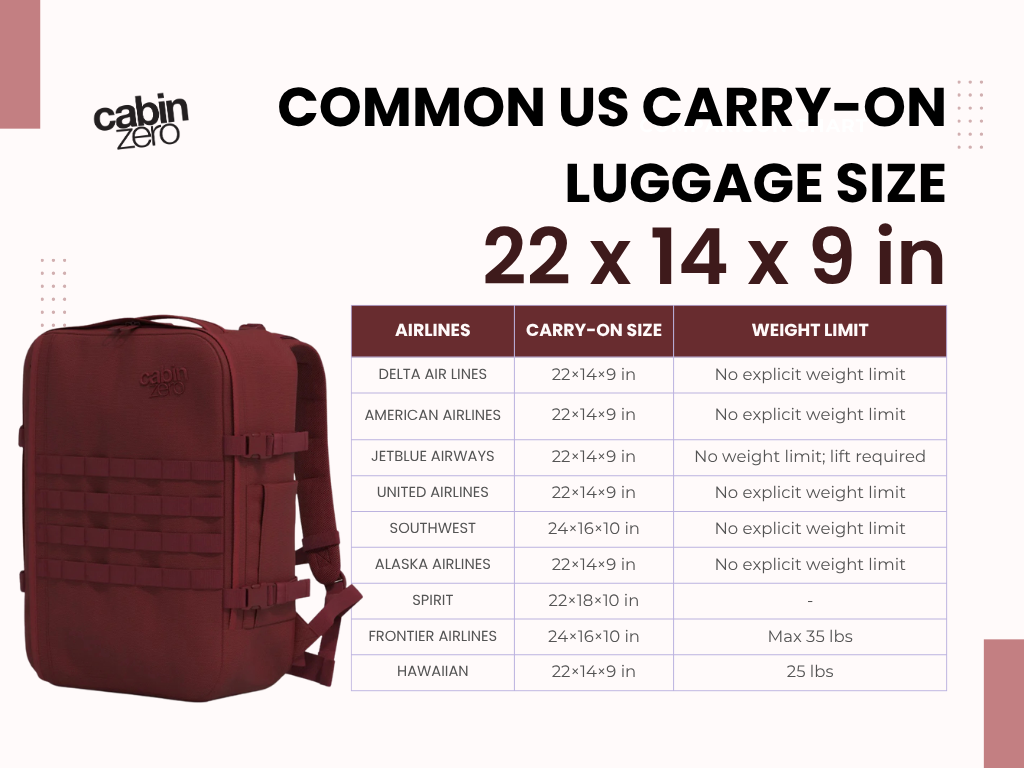


Have you ever wondered if lugging around a heavy backpack could actually be doing your back a favor? It’s a question that crosses the minds of many students, hikers, and commuters alike.
You might think that a hefty load could turn you into a back-strengthening machine, or maybe you're worried it’s more likely to cause harm than good. The truth is, your backpack may be doing more than just carrying your belongings.
It could be affecting your posture, muscle strength, and overall health in ways you haven't considered. Curious to find out if your daily haul is a secret workout or a potential problem? Keep reading to uncover the surprising truths about how your backpack could be impacting your back.
Credit: www.newbalance.co.uk
How Back Muscles Respond To Weight
Back muscles play a key role in supporting the spine and body posture. They react to weight by adjusting strength and endurance. Carrying weight can prompt these muscles to work harder and adapt over time. This section explores how back muscles respond to weight and the effects on muscle growth and spinal health.
Muscle Growth And Conditioning
Back muscles grow stronger through repeated stress and recovery. Carrying a heavy backpack creates resistance that challenges these muscles. This resistance causes small tears in muscle fibers. The body repairs these fibers, making muscles thicker and stronger. Over time, muscles become more conditioned to handle weight.
Consistency matters for muscle growth. Occasional heavy loads may not build strength effectively. Gradual increase in load helps muscles adapt safely. Conditioning also improves muscle endurance, reducing fatigue during daily activities.
Impact Of Load On Spinal Health
Weight affects the spine’s structure and alignment. Heavy backpacks can compress spinal discs and strain ligaments. Poor load distribution increases the risk of back pain and injury. Proper posture and balanced weight help protect the spine.
Carrying excessive weight for long periods may cause spinal issues. These include disc degeneration and muscle imbalances. Using ergonomic backpacks and limiting load can reduce negative effects. Listening to your body and avoiding pain is crucial.

Credit: www.youtube.com
Benefits Of Carrying Weight
Carrying weight regularly, like wearing a heavy backpack, can have surprising benefits for your back. It challenges your muscles and forces your body to adapt, often leading to stronger support and better overall function. But how exactly does this happen?
Improved Posture And Stability
When you wear a heavy backpack, your body naturally adjusts to keep balanced. This adjustment helps train your spine to stay aligned and encourages better posture. Over time, you may notice less slouching and more upright standing, which reduces the risk of back pain.
Think about the last time you carried a heavy bag. Your core and back muscles worked together to prevent you from tipping forward. This constant engagement improves your stability, making everyday movements easier and safer.
Increased Muscle Endurance
Carrying extra weight for extended periods forces your back muscles to work harder. This repeated effort builds endurance, allowing your muscles to support your body longer without fatigue. You become less prone to strain during daily activities.
For example, hikers who carry heavy packs often develop stronger backs that can handle long walks without discomfort. This shows how consistent, controlled weight-bearing can enhance muscle stamina.
Are you ready to challenge your back muscles in a safe way? Start with lighter weights and short durations, and pay attention to your body's signals to avoid injury.
Risks Of Heavy Backpack Use
Wearing a heavy backpack can put a lot of strain on your body. The risks are often overlooked but can lead to serious problems. Understanding these risks helps you protect your back and overall health.
Potential For Injury
Heavy backpacks increase the chance of muscle strain and joint pain. Carrying too much weight can cause shoulder soreness and neck stiffness. Sudden movements or falls may lead to sprains or fractures. Poor posture while carrying the load adds pressure on muscles and ligaments. This can cause discomfort and reduce your mobility.
Long-term Spinal Issues
Consistently carrying heavy backpacks may affect spinal alignment. The spine may curve unnaturally to balance the weight. This can lead to conditions like scoliosis or kyphosis over time. Disc problems and chronic back pain are also common. These issues can impact daily activities and quality of life.

Credit: www.techradar.com
Optimal Backpack Weight Guidelines
Choosing the right backpack weight is key to protecting your back. Carrying too much weight can strain muscles and cause pain. A balanced load supports your posture and helps maintain strength. Follow these guidelines to find the best weight and fit for your backpack.
Recommended Weight Limits
Keep your backpack weight under 10 to 15 percent of your body weight. This range helps avoid stress on your spine and muscles. For example, if you weigh 150 pounds, your backpack should not exceed 15 to 22 pounds.
- Children should carry less than 10 percent of their weight.
- Adults can handle slightly more, but stay below 15 percent.
- Heavy loads for long periods increase injury risk.
- Lighten your backpack by removing unnecessary items.
Proper Backpack Fit And Adjustment
The right fit improves comfort and reduces back strain. Adjust straps to keep the pack close to your body. A well-fitted backpack spreads weight evenly across shoulders and hips.
- Use padded shoulder straps to reduce pressure.
- Adjust the hip belt to shift weight to your hips.
- The backpack should sit high on your back, near the shoulder blades.
- Ensure the load is balanced side to side.
Check your backpack fit regularly. Small adjustments can prevent pain and injury.
Alternatives To Heavy Backpack Training
Heavy backpack training is not the only way to build a stronger back. It can strain muscles and joints if done incorrectly. There are safer and more effective methods to improve back strength. These alternatives focus on controlled movements and proper form.
Targeted Strength Exercises
Targeted exercises help build specific back muscles without extra load. They improve posture and reduce injury risk. Some effective exercises include:
- Superman stretches to strengthen lower back muscles
- Rows using resistance bands or light weights
- Planks to engage core and back stabilizers
- Bird-dog exercise for balance and lower back strength
These exercises improve muscle tone and endurance steadily. They offer better control and reduce the chance of pain.
Safe Load-bearing Practices
Carrying weight can strengthen the back if done safely. Proper load-bearing habits protect the spine and muscles. Follow these tips:
- Use backpacks with padded straps and waist belts
- Distribute weight evenly on both shoulders
- Limit backpack weight to no more than 10-15% of body weight
- Take breaks to avoid continuous heavy load
- Practice good posture while carrying weight
These practices reduce strain and prevent back injuries. Gradual load increases allow the body to adapt safely.
Real-life Experiences And Expert Opinions
People who regularly wear heavy backpacks often share mixed experiences about whether it actually strengthens their backs or causes strain. Hearing from those who live this reality, along with expert opinions, can help you decide if carrying weight on your back is beneficial or risky. Let’s look at what athletes and medical professionals say about this common question.
Athlete Insights
Athletes who carry weighted backpacks during training usually report increased muscle endurance and improved posture over time. Many hikers and military personnel say that gradually adding weight helped build their back muscles, making them stronger for everyday tasks.
However, some athletes emphasize the importance of proper technique. One runner shared how carrying a heavy backpack without adjusting the straps caused shoulder pain and back discomfort, which improved only after changing how the weight was distributed.
Have you ever considered how your body reacts to added weight? Small changes in how you carry a backpack can make a big difference in whether it helps or harms your back.
Medical Professional Advice
Doctors and physical therapists often warn about the risks of wearing heavy backpacks incorrectly. They point out that too much weight or poor posture can lead to muscle strain, spinal issues, or long-term back problems.
Experts recommend keeping the backpack weight below 10-15% of your body weight. They also advise using backpacks with padded straps and multiple compartments to distribute weight evenly.
Physical therapists suggest combining backpack use with regular back-strengthening exercises. This approach supports muscle development without overloading your spine.
Are you mindful of how much weight you carry and how it affects your back health? Listening to expert advice can help you make smarter choices that protect your body.
Frequently Asked Questions
Does Wearing A Heavy Backpack Build Back Muscles?
Wearing a heavy backpack can engage back muscles but may not effectively build strength. Proper exercise is better for muscle growth.
Can Heavy Backpacks Cause Back Pain Or Injury?
Yes, carrying heavy backpacks improperly can lead to back pain and injury. Balanced weight and correct posture are essential.
How Much Weight Is Safe For A Backpack?
Experts recommend carrying no more than 10-15% of your body weight in a backpack to avoid strain and injury.
Does Backpack Weight Affect Posture And Spine Health?
Heavy backpacks can negatively impact posture and spinal alignment if worn incorrectly or too often, increasing discomfort and risk of injury.
Conclusion
Wearing a heavy backpack does not always strengthen your back. It can cause pain or injury if used wrong. Your muscles need balanced exercise to grow strong. Carrying too much weight strains your spine and posture. Try lighter loads and regular back exercises instead.
Listen to your body and avoid discomfort. Strong backs come from safe, steady effort. Choose healthy habits that protect your spine daily.