
Are you planning your next trip and wondering how to choose the right suitcase? You’re not alone.
Understanding how suitcases are measured is crucial, especially when airlines have strict size restrictions. Imagine arriving at the airport only to find out your luggage doesn't meet the requirements. Frustrating, right? Don’t let this happen to you. By knowing how suitcases are measured, you can save time, avoid stress, and ensure a smooth travel experience.
You'll discover the secrets to measuring suitcases accurately and make the best choice for your travel needs. Ready to dive in? Let's get started!
Suitcase Size Basics
Understanding suitcase size basics is essential before you pick the perfect luggage. Knowing how sizes are measured helps you avoid surprises at the airport and ensures your belongings fit comfortably. It also guides you in choosing a suitcase that meets airline restrictions without wasting space.
Standard Measurement Methods
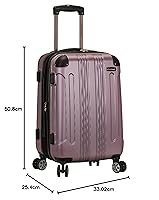
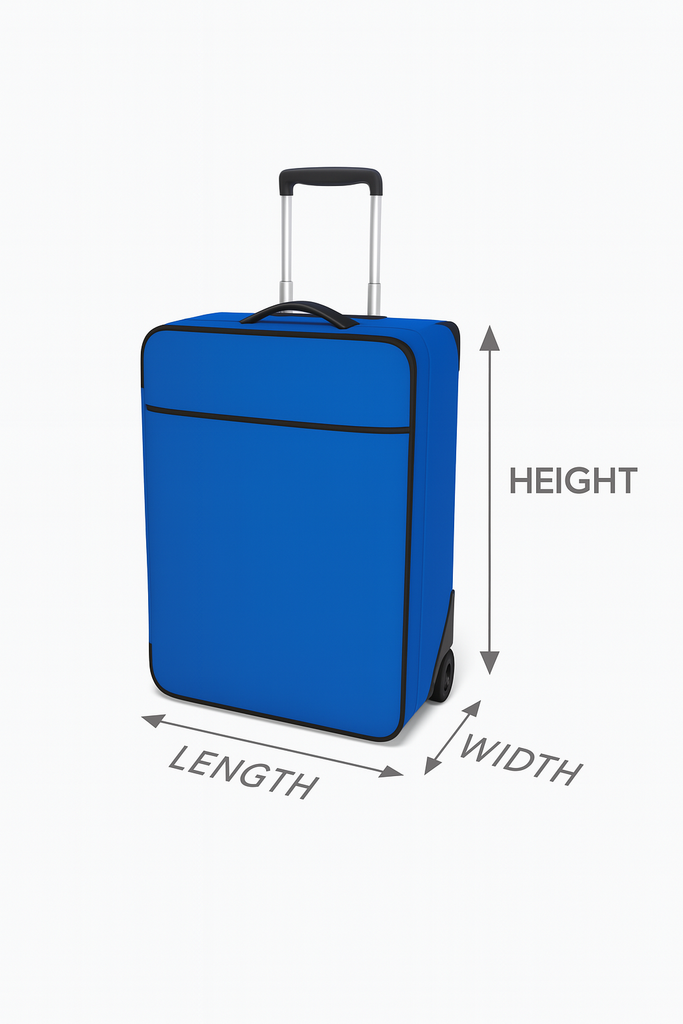
Suitcases are usually measured by adding three main dimensions: height, width, and depth. This total size is often expressed in inches or centimeters.
Airlines often use this combined measurement to set size limits for carry-on and checked bags. Some brands also list suitcase sizes based on just height or volume, so it’s important to understand which measurement applies.
Have you ever bought a suitcase that looked perfect in photos but was too big or small in real life? This happens because size labels can be misleading without standard measurement knowledge.
Height, Width, And Depth Explained
Height is the distance from the bottom wheels or base to the top handle or edge. This is usually the longest dimension of the suitcase.
Width measures the suitcase from side to side, excluding any side handles. It shows how wide the suitcase will be when standing upright.
Depth (or thickness) measures from the front to the back of the suitcase. This affects how much you can pack inside and how bulky the suitcase feels.
- Height example: A suitcase might be 22 inches tall, including wheels.
- Width example: It could be 14 inches wide, making it easy to fit in overhead bins.
- Depth example: At 9 inches deep, it offers enough space for a weekend trip.
Knowing these exact measurements helps you pick a suitcase that fits your travel style and airline rules. What’s your current suitcase size, and how well has it worked for your trips?

Credit: www.cabinzero.com
Choosing The Right Size
Choosing the right suitcase size matters for a smooth travel experience. The right size saves time, avoids extra fees, and fits your needs perfectly. It depends on your trip type, length, and airline rules. This guide helps you pick the best suitcase size easily.
Carry-on Vs Checked Luggage
Carry-on bags fit in the airplane cabin. They must meet size limits set by airlines. Usually, carry-ons measure about 22 x 14 x 9 inches. Small and easy to handle. Perfect for short trips or quick business travel.
Checked luggage goes in the airplane’s cargo hold. Bigger and heavier than carry-ons. Size limits vary but often up to 62 linear inches (length + width + height). Use checked bags for longer trips or when you need more clothes and items.
Matching Size To Trip Length
Short trips of 1 to 3 days work well with carry-ons. Pack light and smart. Medium trips (4 to 7 days) often need a medium-sized checked bag. Larger bags fit longer trips over a week. Think about what you need to carry and how much space you want.
- 1-3 days: Carry-on suitcase
- 4-7 days: Medium checked suitcase
- More than 7 days: Large checked suitcase
Airline Size Restrictions
Airline size restrictions for suitcases are strict and vary by airline. These rules help ensure bags fit in overhead bins or cargo holds. Knowing these limits avoids extra fees and delays at the airport.
Each airline sets its own size limits. These depend on the type of flight and aircraft. Passengers must check size rules before packing for smooth travel.
Common Carry-on Limits
Carry-on bags must fit in overhead bins or under seats. Most airlines allow bags around 22 x 14 x 9 inches. This size includes wheels and handles. Weight limits often range from 15 to 22 pounds.
Small personal items like backpacks or purses have smaller limits. These usually fit under the seat in front. Airlines may limit both carry-on and personal item sizes.
Checked Bag Size Rules
Checked bags have larger size limits but strict total dimensions. Airlines measure length, width, and height. Most allow checked bags up to 62 linear inches (length + width + height).
Weight limits usually range from 50 to 70 pounds. Oversized or overweight bags often require extra fees. Checking airline policies saves money and hassle at the airport.

Credit: travel.usnews.com
Measuring Your Suitcase Accurately
Measuring your suitcase accurately is essential to avoid surprises at the airport. Airlines often have strict size limits, and even a small miscalculation can lead to extra fees or forced baggage adjustments. Taking the time to measure your suitcase correctly ensures you travel with confidence and avoid unnecessary stress.
Tools You Need
Gathering the right tools makes measuring your suitcase easy and precise. You will need a flexible tape measure or a ruler that can handle curved edges. A flat surface to place the suitcase on helps keep your measurements steady.
A pen and paper or your phone to jot down the dimensions is also useful. If your tape measure is in inches, keep a converter handy if the airline uses centimeters. Having these tools ready before you start will save you time and frustration.
Step-by-step Measurement Guide
Start by placing your suitcase upright on a flat surface. Measure the height from the base to the top, including wheels and handles if they don’t retract. This gives you the total height, which some airlines count as part of the size limit.
Next, measure the width across the widest part of the suitcase. Be sure to include any side pockets or protrusions that add to the overall width. Finally, measure the depth from the front to the back, again including any extra compartments.
Add these three numbers together to get the total linear measurement. This sum is what airlines often use to determine if your suitcase fits their size requirements. Have you ever been surprised by an airline’s measurement rules? Measuring carefully can help you avoid that situation.
Tips For Buying Perfect Luggage
Choosing the right luggage makes travel easier and more comfortable. Perfect suitcases fit your needs and travel style. Consider size, weight, and durability. Think about how often you travel and what you carry. These tips help pick luggage that lasts and suits your trips.
Material And Weight Considerations
Light suitcases reduce overall baggage weight. Hard-shell materials protect items better but may weigh more. Soft fabrics offer flexibility and extra pockets. Check if the suitcase is water-resistant. Strong zippers and handles improve durability. Balance weight with strength for easy carrying.
Expandable Vs Fixed Sizes
Expandable suitcases offer extra space when needed. Use the expansion feature only if allowed by airlines. Fixed-size luggage fits strict size rules better. Expandable bags can get bulky when zipped out. Choose based on your packing habits and trip length. Think about airport size limits and convenience.

Credit: uuhluggages.com
Packing Efficiency And Size
Packing efficiency and suitcase size go hand in hand when preparing for a trip. The dimensions of your suitcase determine not only how much you can pack but also how easily you can carry it. Understanding how to measure and optimize these factors can save you time, money, and stress.
Maximizing Space Inside
Think about how you arrange your items inside your suitcase. Rolling clothes instead of folding can save space and reduce wrinkles. Using packing cubes helps keep things organized and compresses your belongings.
Don’t forget to use every corner. Shoes can hold socks or small accessories inside them. Filling gaps with smaller items ensures no space goes wasted.
Have you tried layering heavier items at the bottom and lighter ones on top? This method helps keep your suitcase balanced and prevents damage to delicate items.
Balancing Size And Portability
Choosing a suitcase size isn’t just about fitting everything in. You need to consider how easy it is to carry or wheel around. A large suitcase may hold more, but it can be cumbersome and heavy.
Check airline carry-on size limits before buying. Staying within these limits saves you from extra fees and waiting at baggage claim. If you travel often, a medium-sized suitcase might be your best bet—big enough for essentials but small enough to manage.
Think about your travel style. Do you prefer quick trips with just a backpack or longer journeys needing more luggage? Your suitcase size should support how you move, not slow you down.
Frequently Asked Questions
How Are Suitcases Typically Measured?
Suitcases are measured by adding their length, width, and height. This total dimension helps airlines determine size compliance. Measurements include wheels and handles for accuracy.
Why Is Suitcase Measurement Important For Travel?
Accurate suitcase measurement ensures compliance with airline size limits. It helps avoid extra fees and baggage rejection. Proper measurement guarantees hassle-free travel.
What Tools Help Measure A Suitcase Correctly?
A tape measure or ruler is ideal for measuring suitcases. Measure length, width, and height including wheels and handles. Accuracy is key for meeting size requirements.
Do Airlines Measure Suitcase Size Differently?
Most airlines use total linear dimensions (L+W+H). However, some may have unique size rules. Always check your airline’s specific baggage policy before travel.
Conclusion
Measuring a suitcase is simple once you know the steps. Always measure height, width, and depth carefully. This helps avoid surprises at airports. Size matters for packing and airline rules. Choose the right size for your trip needs. Keep measurements handy when shopping for luggage.
This way, you save time and money. Understanding how suitcases are measured makes travel easier. It helps you pack smarter and travel light. Remember, good preparation leads to smooth trips.