
Ever found yourself in the garden section, staring at bags of mulch, and wondering how many square feet one bag will cover? You're not alone.
Understanding this can save you time, money, and a lot of guesswork. Getting the right amount of mulch is crucial for maintaining a healthy garden and enhancing its appearance. Imagine having the perfect amount, with no waste or shortage. This knowledge can transform how you approach your gardening projects.
Let's dive into what you need to know to make the most out of every bag of mulch you purchase.
Credit: www.homedepot.com
Mulch Bag Sizes
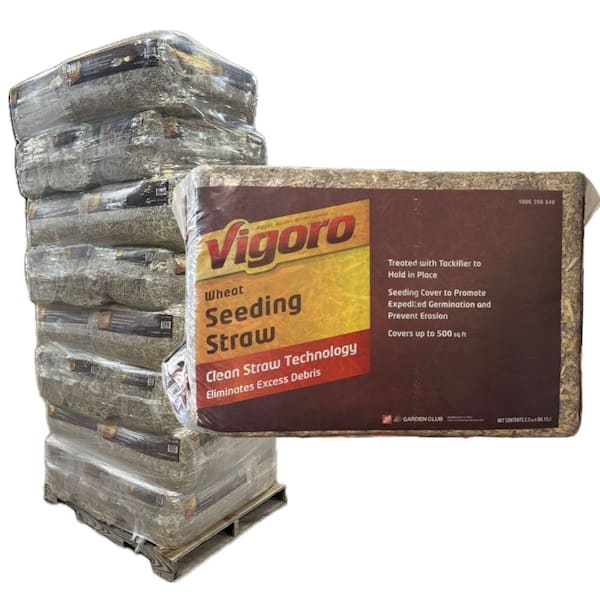
Mulch bags come in different sizes to fit various gardening needs. Choosing the right size helps cover the area efficiently and saves money. Knowing bag sizes also aids in planning how much mulch to buy.
Common Weights And Volumes
Mulch bags usually range between 1 and 3 cubic feet in volume. Weight varies depending on mulch type and moisture content. On average, a 2 cubic feet bag weighs about 40 to 50 pounds.
Here are common mulch bag sizes:
- 1 cubic foot – light and easy to carry, covers small areas
- 2 cubic feet – most popular size, suitable for medium gardens
- 3 cubic feet – heavier, good for larger spaces
Types Of Mulch Bags
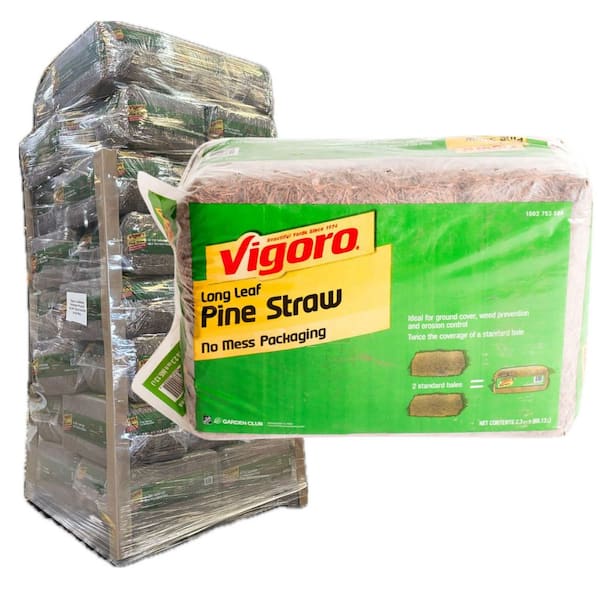
Mulch bags differ by material and purpose. Some bags hold shredded wood, others contain rubber or colored mulch. Each type affects coverage and bag weight.
- Wood mulch bags – usually lighter, perfect for flower beds
- Rubber mulch bags – heavier, last longer, ideal for playgrounds
- Colored mulch bags – dyed for aesthetics, weight varies
- Compost mulch bags – nutrient-rich, denser and heavier
Credit: www.homedepot.com
Coverage Per Bag
Understanding how much area a bag of mulch covers helps plan your garden or landscaping project. Coverage per bag varies based on bag size and mulch thickness. Knowing this information prevents buying too much or too little mulch. It also helps keep your yard looking neat and well-maintained.
Calculating Square Feet Coverage
Most mulch bags list coverage based on a 2-3 inch depth. The standard depth is 3 inches for proper weed control and moisture retention. To calculate coverage:
- Check the bag weight or volume, often in cubic feet.
- Decide the mulch depth you want, usually 2 to 3 inches.
- Use the formula: Coverage (sq ft) = Bag volume (cu ft) ÷ Mulch depth (ft).
For example, a 2 cubic feet bag at 3 inches depth covers about 8 square feet. Adjust depth to cover more or less area as needed.
Factors Affecting Coverage
Several factors influence how far one bag of mulch goes. These include:
- Mulch type:Heavier or denser mulches cover less area per bag.
- Bag size:Common sizes range from 1 to 3 cubic feet.
- Application depth:Thicker layers reduce coverage area.
- Settling:Mulch compacts over time, reducing coverage.
- Ground shape:Uneven surfaces require more mulch.
Consider these factors to estimate how many bags you need more accurately.
Depth And Thickness
Understanding the depth and thickness of mulch is key to knowing how many square feet one bag will cover. The depth you choose affects not only the appearance of your garden but also how well the mulch protects soil and retains moisture. Even a small change in thickness can significantly alter the coverage area of a bag.
Recommended Mulch Depths
Most gardeners find that a mulch depth between 2 to 4 inches works best. Two inches is enough to suppress weeds and conserve moisture without suffocating plants. However, thicker layers, up to 4 inches, provide extra insulation for roots during extreme weather.
Too thin a layer may require you to add mulch more frequently, while too thick can prevent water from reaching the soil. Have you ever noticed mulch piling up around plant stems? That’s a sign it’s too thick and can cause rot.
Impact On Coverage Area
The thicker your mulch layer, the fewer square feet a single bag will cover. For example, a 2-cubic-foot bag typically covers about 8 square feet at a 3-inch depth.
| Mulch Depth | Coverage per 2-cubic-foot Bag |
|---|---|
| 2 inches | 12 square feet |
| 3 inches | 8 square feet |
| 4 inches | 6 square feet |
Think about your garden’s needs before choosing mulch depth. Would a thinner layer save you money but require more frequent topping? Or does your soil need a thicker layer to stay healthy longer? Answering these questions helps you plan your mulch purchase wisely.
Credit: shop.grafsgardenshop.com
Types Of Mulch And Density
Understanding the types of mulch and their density is key to estimating coverage. Different mulches cover different areas based on their weight and volume. Density affects how thickly mulch spreads and how many square feet one bag will cover. This section explains the main types of mulch and how density impacts coverage.
Organic Vs Inorganic Mulch
Organic mulch comes from natural materials like wood chips, bark, or leaves. It breaks down over time, enriching the soil. Organic mulch is lighter and less dense.
Inorganic mulch includes materials like rubber, stones, or plastic. It does not decompose and lasts longer. Inorganic mulch is usually denser and heavier.
Organic mulch tends to cover more area per bag because it is lighter. Inorganic mulch covers less area but lasts longer without needing replacement.
Density Differences And Effects
Density refers to how much material fits in a certain volume. High-density mulch weighs more per cubic foot. Low-density mulch is lighter and fluffier.
Denser mulch bags cover fewer square feet because the material packs tightly. Less dense mulch spreads out more and covers a larger area.
Mulch depth also matters. Thicker layers need more mulch and reduce coverage. Typical mulch depth is 2 to 3 inches.
- Light, fluffy mulch: covers 3 to 4 square feet per bag
- Dense mulch: covers 1.5 to 2 square feet per bag
Knowing mulch type and density helps plan the right amount for your garden. It avoids buying too much or too little mulch.
Estimating Mulch Needs
Estimating how much mulch you need can save you time, money, and effort. Buying too little means extra trips to the store, while too much mulch can pile up unused. Knowing how to measure your garden and adjust for its unique shape helps you get the right amount in one go.
Measuring Your Garden Area
Start by measuring the length and width of the area you want to mulch. Use a tape measure or a measuring wheel for larger spaces. Multiply the length by the width to get the square footage.
If your garden has multiple sections, measure each one separately and add the totals. For example, if you have a 10 ft by 5 ft flower bed and a 6 ft by 4 ft vegetable patch, your total is (10 × 5) + (6 × 4) = 50 + 24 = 74 square feet.
Adjusting For Slopes And Irregular Shapes
Slopes affect the amount of mulch you need because the surface area is larger than a flat plane. To adjust, multiply the measured flat area by 1.1 to 1.2 depending on the steepness. This accounts for the extra surface on the slope.
For irregular shapes like circles or triangles, break the area into smaller, regular shapes. Calculate each section’s area and add them up. For instance, find the area of a triangle garden section using base × height ÷ 2and add it to the rectangular parts.
Are you factoring in these adjustments before buying mulch? It can make a big difference in how smoothly your gardening project goes.
Tips For Buying Mulch
Buying mulch requires some thought to get the right amount and quality. Choosing the right type and quantity can save money and effort. Knowing how much area a bag covers helps avoid extra trips to the store. Consider your garden size and the depth of mulch needed.
Bulk Vs Bagged Mulch
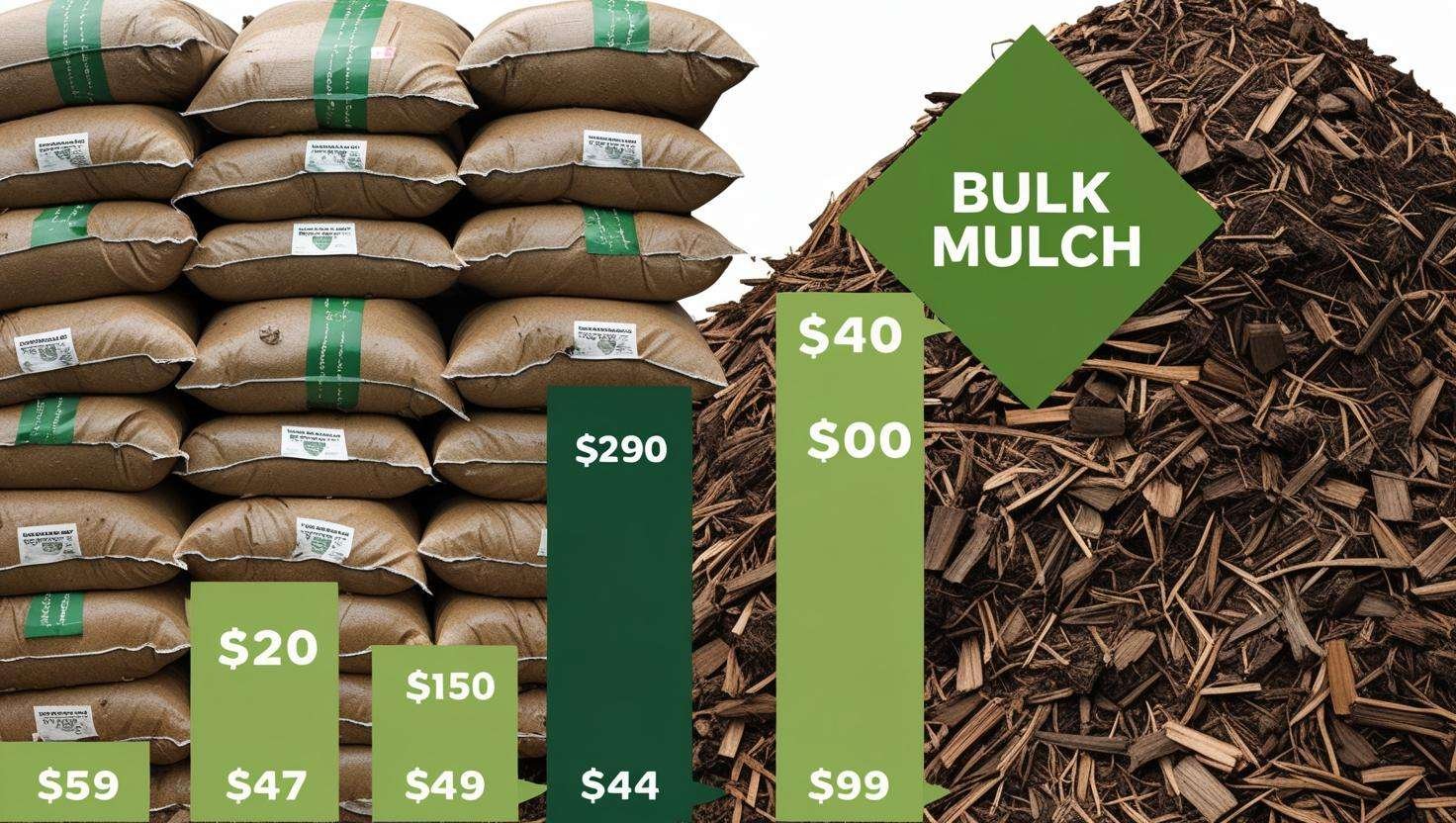
Bulk mulch comes in large quantities, delivered by truck. It suits big gardens or landscaping projects. Bulk mulch is often cheaper per square foot. You can order the exact amount you need. Bagged mulch is easy to carry and store. Ideal for small areas or spot treatments. Bags usually cover between 2 to 3 square feet at 3 inches depth. Choose bagged mulch for convenience and bulk for larger jobs.
Cost Considerations
Mulch prices vary by type, quantity, and supplier. Bagged mulch costs more per square foot than bulk. Factor in delivery fees for bulk mulch. Compare prices at local stores and online suppliers. Look for sales or discounts, especially in spring and fall. Remember, cheaper mulch may break down faster, requiring more frequent replacement. Investing in quality mulch can save money over time.
Frequently Asked Questions
How Many Square Feet Does One Bag Of Mulch Cover?
One bag of mulch typically covers 2 to 3 square feet at a 3-inch depth. Coverage depends on bag size and mulch thickness. Always check the bag label for exact coverage details.
What Factors Affect Mulch Coverage Per Bag?
Mulch coverage varies by bag size, mulch type, and depth applied. Denser mulches cover less area. Applying mulch thicker than 3 inches also reduces coverage.
How Deep Should Mulch Be Spread For Best Coverage?
A 2 to 3-inch depth is ideal for mulch coverage. This depth conserves moisture, suppresses weeds, and allows healthy root growth.
Can I Calculate Square Feet Coverage From Bag Weight?
Yes, but it’s less accurate. Bag weight varies by moisture and mulch type. Volume-based coverage estimates are more reliable.
Conclusion
Knowing how many square feet a bag of mulch covers helps plan your garden well. Each bag covers a certain area based on depth and mulch type. Measure your space before buying mulch to avoid waste or shortage. Use this guide to pick the right amount for your project.
Mulching keeps plants healthy and soil moist, so it’s worth getting right. Simple steps make your garden look neat and fresh. Now you can mulch with confidence and save time and money.