
Are you planning a landscaping project or trying to refresh your garden? One of the essential components you might be considering is mulch.
It's great for maintaining soil moisture, preventing weeds, and adding an aesthetic touch to your garden. But before you head to the store, it's crucial to know how much area a bag of mulch covers. This knowledge not only helps you purchase the right amount but also saves you time and money.
We'll break down exactly what you need to know, ensuring your garden looks stunning without any hassle. Curious about how much ground you can cover with just one bag? Let’s dig into the details and get you ready to transform your outdoor space!
Types Of Mulch
Mulch comes in various types, each serving a unique purpose in your garden or landscape. Choosing the right kind affects not only the look but also how much area a single bag will cover. Understanding the differences between organic and inorganic mulches helps you decide what suits your needs best.
Organic Mulch Varieties
Organic mulches break down over time, enriching your soil with nutrients. Common options include:
- Bark chips:Long-lasting and great for flower beds and trees.
- Wood chips:Ideal for pathways and around shrubs but may need replenishing yearly.
- Straw:Affordable and excellent for vegetable gardens but can blow away easily.
- Leaves:Free if you rake your yard, they improve soil but might mat down.
- Compost:Adds nutrients directly while acting as mulch, best for garden beds.
Organic mulches generally cover about 2-3 square feet per bag at a 3-inch depth. Have you noticed how your garden soil feels richer after a season with organic mulch?
Inorganic Mulch Options
Inorganic mulches don’t decompose, so they last longer but don’t improve soil fertility. Popular choices include:
- Rubber mulch:Made from recycled tires, it resists weather and reduces weeds effectively.
- Gravel and stones:Perfect for pathways and areas where drainage is important.
- Landscape fabric:Used under other mulches to block weeds but doesn’t add visual appeal alone.
- Plastic mulch:Common in vegetable gardening to retain moisture and heat.
Inorganic mulches usually cover more area per bag, especially gravel and rubber types, often up to 5 square feet or more at similar thickness. Are you aiming for low maintenance or long-lasting ground cover? Your choice here will make a big difference in how often you need to top up.

Credit: www.amazon.com
Standard Bag Sizes
Understanding standard bag sizes helps you plan your gardening or landscaping projects better. Mulch bags come in various sizes, each covering a different area. Knowing these sizes prevents buying too much or too little mulch. It also helps estimate costs and effort needed for application.
Common Weight And Volume
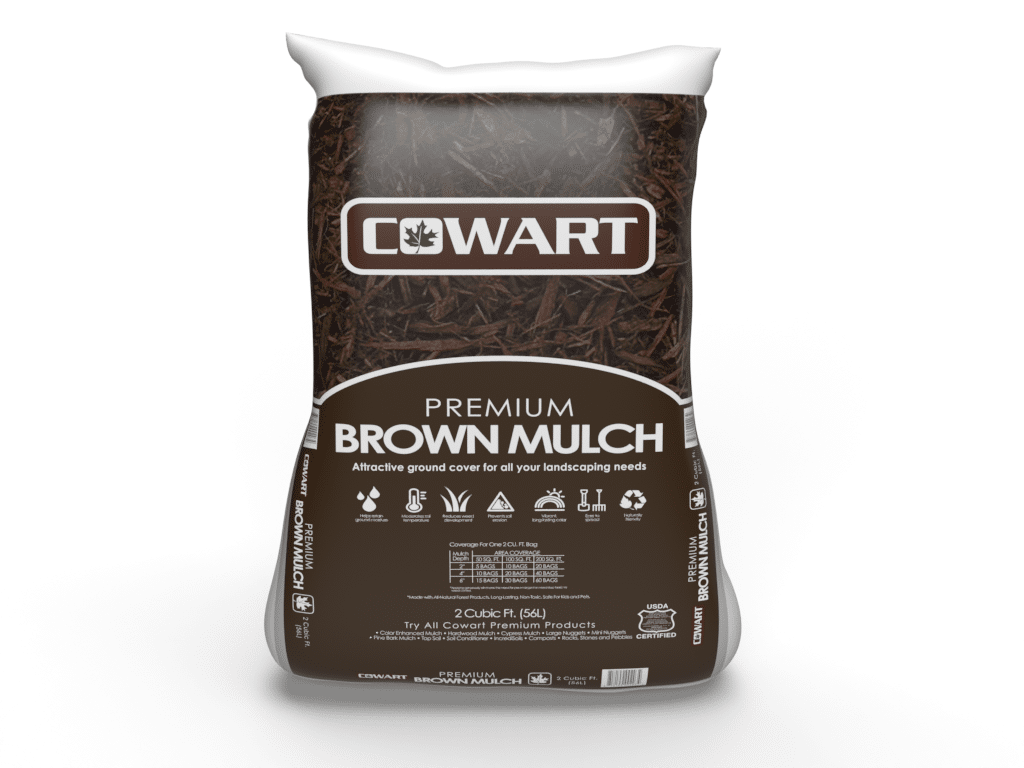
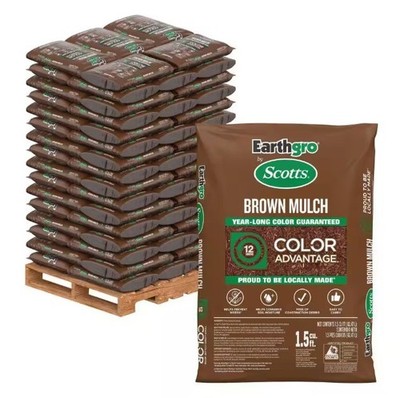
Most mulch bags weigh between 1.5 and 3 cubic feet. A typical bag usually weighs around 40 to 50 pounds. The volume in cubic feet shows how much space the mulch fills. This volume helps calculate how many bags cover a specific area. For example, a 2-cubic-foot bag covers about 20 square feet at 3 inches deep.
Size Variations By Brand
Different brands offer bags that vary in weight and volume. Some brands sell 1.5 cubic feet bags, while others offer 3 cubic feet. Weight can also differ due to moisture content and mulch type. Read labels carefully to compare sizes and coverage. Choose the bag size that fits your project needs and budget.
Coverage Per Bag
Knowing how much area a bag of mulch covers helps plan your garden project well. It avoids buying too much or too little mulch. Coverage depends on bag size and mulch layer thickness. Understanding these factors saves money and effort.
Calculating Square Footage
To find how many square feet a bag covers, check the bag weight and volume. Most bags come in 2 to 3 cubic feet sizes. Use this simple formula:
- Square footage = Bag volume (cubic feet) ÷ Desired mulch depth (feet)
Example: For a 2 cubic feet bag and 3-inch depth:
- Convert 3 inches to feet: 3 ÷ 12 = 0.25 feet
- Coverage = 2 ÷ 0.25 = 8 square feet
This means one bag covers about 8 square feet at 3 inches deep.
Depth Recommendations
The right depth keeps soil moist and controls weeds. Most gardeners choose 2 to 4 inches of mulch.
- 2 inches: Good for light coverage and smaller plants
- 3 inches: Ideal for most garden beds
- 4 inches: Best for heavy weed control and moisture retention
Too thin mulch dries quickly. Too thick mulch blocks air and water flow. Follow these depth tips for healthy plants.
Factors Affecting Coverage
Understanding the factors that affect how much area a bag of mulch covers can save you both time and money. Coverage isn’t fixed; it varies based on a few key elements that influence how thickly and evenly the mulch spreads over your garden or yard. Paying attention to these details helps you plan better and avoid buying too much or too little mulch.
Mulch Thickness
The thickness of the mulch layer directly impacts the coverage area. A thinner layer covers more ground but may not suppress weeds or retain moisture effectively. On the other hand, a thicker layer offers better protection but reduces the coverage area per bag.
For most garden beds, a mulch depth of 2 to 3 inches is ideal. If you apply mulch too thinly, it might dry out quickly and require more frequent replacement. Have you considered how deep your mulch layer should be for your specific plants?
Soil And Surface Type
The type of soil or surface you are covering also changes how much ground a bag of mulch can cover. Rough or uneven surfaces need more mulch to fill gaps and create an even layer. Smooth, compacted soil allows mulch to spread more efficiently.
If your soil has many rocks or roots, expect to use extra mulch to get a consistent layer. Similarly, mulch spread over grass can be less dense since the grass blades take up space. Do you know the texture of your garden soil and how it might affect your mulch coverage?
Estimating Yard Needs
Estimating yard needs is essential before buying mulch. It helps avoid waste and extra costs. Knowing how much area to cover makes the process efficient. Accurate estimates save time and effort in yard work.
Measuring Your Yard
Start by measuring the length and width of the area to mulch. Use a tape measure for accuracy. Multiply length by width to get square footage. For irregular shapes, divide the area into smaller rectangles. Measure each part, then add the totals together.
Consider the depth of mulch needed, usually 2 to 3 inches. Convert depth to feet by dividing inches by 12. Multiply area by depth to find cubic feet of mulch required. This helps determine how many bags you need.
Using Online Calculators
Online mulch calculators simplify yard measurements. Enter length, width, and desired mulch depth. The tool calculates the exact amount of mulch needed. Some calculators allow input for irregular shapes too.
These tools save time and reduce errors in estimating mulch amounts. Use trusted websites to ensure accurate results. Online calculators help plan purchases and avoid running out of mulch.
Tips For Efficient Mulching
Efficient mulching goes beyond just spreading a bag of mulch over your garden. It’s about how you apply and maintain it to get the most benefit for your plants and soil. Proper mulching can save you time, water, and effort while keeping your garden healthy and attractive.
Proper Application Techniques
Start by laying mulch in an even layer about 2 to 3 inches thick. Too thin, and weeds might peek through; too thick, and your plants could suffocate. Avoid piling mulch against the stems or trunks of plants—it can trap moisture and cause rot.
Think about the type of mulch you have. Organic mulches like wood chips break down over time, adding nutrients to the soil. You might need to top up these mulches more often than inorganic types like rubber or gravel.
Have you ever noticed water pooling on top of mulch? That usually means it’s packed too tightly. Fluff it up occasionally to allow water and air to reach the roots easily.
Maintenance For Longevity
Mulch isn’t a one-time job. Check it regularly for signs of thinning or decomposition, especially after heavy rain or strong winds. Adding a fresh layer once or twice a year keeps your mulch working effectively.
Keep an eye out for weeds that manage to grow through your mulch layer. Pulling them early prevents them from spreading seeds and taking over your garden.
Consider raking the mulch gently to break up compacted areas. This simple step improves water absorption and air flow. Have you tried mixing different mulch types to balance aesthetics and functionality? Experimenting can lead to surprisingly good results.
Cost Considerations
Cost plays a big role when buying mulch for your garden. Understanding how much a bag covers helps avoid overspending. It’s important to compare price and coverage to get the best deal. Choosing mulch within your budget keeps your garden beautiful without breaking the bank.
Price Per Bag Vs. Coverage
Mulch bags vary in price based on type and quality. Some bags cost more but cover a larger area. Cheaper bags might cover less ground or break down faster. Check the weight and volume on the bag label for coverage info.
For example:
| Mulch Type | Bag Weight | Coverage (sq. ft.) | Price |
|---|---|---|---|
| Shredded Bark | 2 cu. ft. | 15-20 | $4.50 |
| Colored Mulch | 2 cu. ft. | 12-18 | $6.00 |
| Hardwood Mulch | 3 cu. ft. | 20-25 | $7.00 |
Calculate cost per square foot to compare. This step helps find the best value.
Budget-friendly Mulching
Mulching does not have to be costly. Look for sales or bulk discounts at local stores. Consider buying larger bags for better price per unit. Using recycled mulch or shredded leaves can reduce costs.
Try these tips:
- Buy in bulk for lower prices.
- Choose local mulch to save on shipping.
- Mix different mulch types to stretch supply.
- Reuse old mulch after sifting out debris.
Small savings add up over time. Smart buying keeps your garden healthy and affordable.
Credit: www.ebay.com

Credit: www.mrmulch.com
Frequently Asked Questions
How Much Area Does One Bag Of Mulch Cover?
One bag of mulch typically covers about 2 to 3 square feet at a 3-inch depth. Coverage depends on bag size and desired mulch thickness. Always check bag details for exact coverage information.
What Thickness Of Mulch Is Ideal For Coverage?
A 2 to 3-inch layer of mulch is ideal. This depth conserves moisture, controls weeds, and improves soil health. Thinner layers cover more area but offer less protection.
Does Mulch Type Affect Coverage Area?
Yes, mulch type affects coverage. Heavier mulches like hardwood cover less area per bag than lighter mulches like pine bark. Check specific mulch density and bag size.
How To Calculate Mulch Needed For My Garden?
Measure your garden’s length and width to find square footage. Decide on mulch depth, usually 2-3 inches. Use a mulch calculator or formula for precise bag quantity.
Conclusion
A single bag of mulch usually covers about 2 to 3 square feet. Coverage depends on mulch depth and type used. Thicker layers need more mulch to cover the same area. Always measure your garden space before buying bags. This helps avoid waste and saves money.
Mulch keeps soil moist and stops weeds from growing. It also makes your garden look neat and healthy. Now, you can plan your mulch purchase with confidence. Choose the right amount to keep your garden thriving. Simple steps lead to better garden care and results.