

Have you ever stood at the baggage carousel, feeling a twinge of anxiety as you try to spot your suitcase among a sea of similar-looking luggage? Attaching a luggage tag might seem like a small detail, but it can make all the difference in ensuring your bags find their way to you effortlessly.
In this guide, you'll discover the simple steps to securely attach a luggage tag to your Away suitcase, giving you peace of mind and helping you avoid the dreaded mix-up at the airport. By understanding this straightforward process, you're taking a proactive step to streamline your travel experience.
Ready to ensure your luggage stands out and stays with you? Keep reading to find out how.

Credit: www.awaytravel.com
Choosing The Right Luggage Tag
Choosing the right luggage tag is essential for easy identification and safe travel. A good tag helps you spot your bag quickly. It also protects your contact details from damage and loss. Picking the right tag depends on style, durability, and the information it holds.
Types Of Luggage Tags
Luggage tags come in many forms. Some have straps to attach to handles. Others use clips or loops. There are also smart tags with digital tracking. Each type fits different travel needs and bag styles.
- Strap tags: Simple and adjustable for most bags.
- Clip tags: Quick to attach and remove.
- Loop tags: Secure but sometimes harder to open.
- Smart tags: Offer GPS tracking and alerts.
Materials And Durability
Tags should last through rough handling and weather. Leather offers style but may wear over time. Plastic tags resist water and tears. Metal tags are very sturdy but heavier. Choose a material that fits your travel habits.
| Material | Pros | Cons |
|---|---|---|
| Leather | Stylish, flexible | Can scratch, less water-resistant |
| Plastic | Waterproof, lightweight | Can crack, less durable |
| Metal | Strong, long-lasting | Heavy, may scratch luggage |
Information To Include
Tags should have enough details to identify your bag easily. Name and phone number are most common. Some add email or home address. Avoid sharing too much personal data for safety. Use clear, easy-to-read fonts. Consider privacy covers to hide info from strangers.
Preparing Your Luggage Tag
Preparing your luggage tag properly can save you from a lot of travel headaches. The right preparation ensures your bag reaches you quickly if it gets lost. It also protects your personal information from unwanted attention. Let’s look at how to get your tag ready before attaching it to your luggage.
Filling Out Contact Details
Start by adding clear and accurate contact details on your luggage tag. Include your full name, phone number, and email address. Avoid using your home address if you’re worried about privacy.
Think about which contact method is easiest for airport staff to reach you quickly. A mobile number often works best since it allows instant communication. Double-check for typos—mistakes here can make a lost bag harder to return.
Protecting Your Information
While you want your contact info visible, you also need to protect it from prying eyes. Avoid writing anything too detailed that could put your identity at risk. Simple details like your name and phone number usually suffice.
Consider what information you’d feel comfortable sharing with strangers. Could someone misuse your phone number or email? If yes, keep your details minimal but still enough for retrieval.
Using Privacy Covers
Privacy covers are a smart way to shield your contact info while keeping it accessible. These covers let only authorized personnel see your details when needed. They often feature a flap or a sliding panel.
I once used a privacy cover during a busy trip, and it gave me peace of mind. No random person could glance at my information, but airport staff could easily access it. If you travel frequently, investing in one is a simple step that protects your privacy without sacrificing safety.
Selecting The Attachment Point
Choosing the right spot to attach your away luggage tag is more important than you might think. The location affects how secure the tag stays, how easy it is to spot, and whether it might get damaged during your travels. Let’s look at how you can pick the best attachment point to keep your luggage tag safe and visible throughout your journey.
Ideal Locations On Luggage
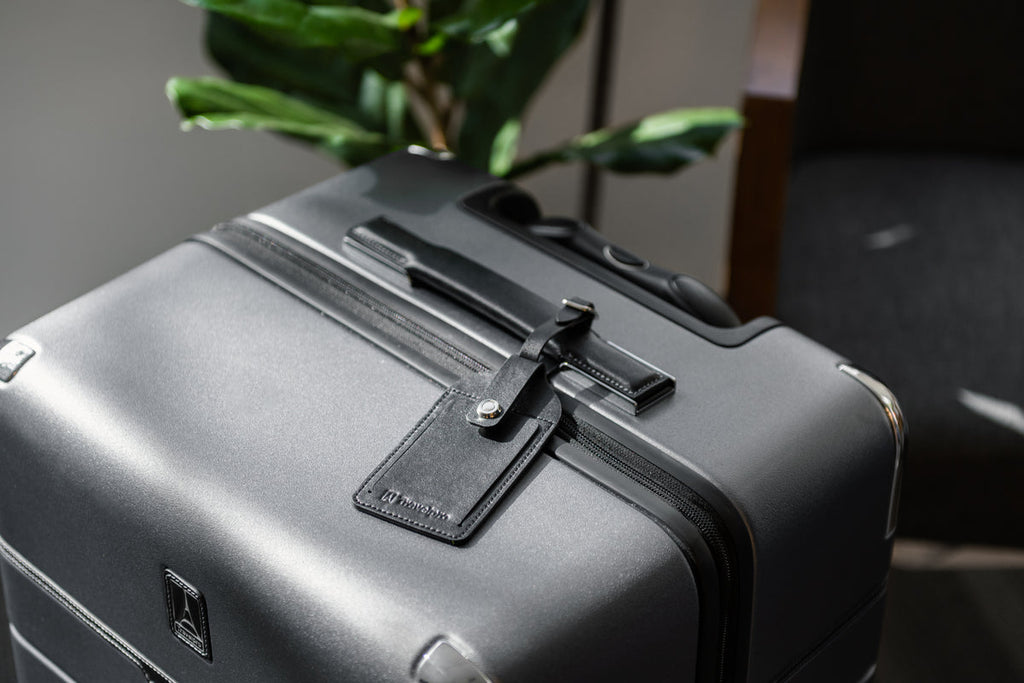
Look for sturdy parts of your luggage like the handle or a strong strap. These areas can hold the tag without putting stress on the attachment. Many travelers find that attaching the tag to the main handle works well since it’s strong and easy to access.
Another good spot is near a zipper pull, especially if it has a reinforced loop. This keeps the tag secure and close to where you open your bag, making it easier to spot quickly at baggage claim.
Avoiding Fragile Areas
Stay away from thin fabric sections or decorative parts that might tear easily. Tags attached to weak spots can fall off or damage your luggage. Avoid areas that bend a lot or get crushed when bags are stacked or handled roughly.
Think about your own travel experience—have you ever lost a tag or had it ripped off? That likely happened because it was attached to a fragile or awkward spot. Learn from those moments and pick a strong, flat area that won’t catch or tear.
Ensuring Visibility
Your luggage tag should stand out and be easy to spot from a distance. Choose a location that faces outward and isn’t hidden behind other straps or pockets. Brightly colored tags work best when they are in clear view.
Ask yourself, can you see your tag easily on a crowded baggage carousel? If not, try another spot or flip the tag so the information is visible without moving your bag. This simple adjustment can save you time and frustration when retrieving your luggage.
Methods To Attach Luggage Tags
Attaching your luggage tag securely is crucial to ensure your bag stays identifiable throughout your journey. Different attachment methods offer varying levels of durability and convenience. Choosing the right one depends on your luggage type, travel style, and how often you travel.
Using Straps And Buckles
Straps and buckles are the most common way to attach luggage tags. They usually come with a leather or plastic strap that loops through your bag's handle and fastens with a buckle or snap.
This method is durable and easy to adjust. If you’ve ever struggled to remove a tag, it’s often because the strap is too tight or the buckle is stuck. Make sure you can quickly undo it in case of security checks.
Think about the material of your luggage handle—some straps work better on thicker handles, while thinner ones might require a smaller loop.
Zip Ties And Plastic Loops
Zip ties are a simple, low-cost option that many travelers use for their security and ease. They’re especially handy if you want a tamper-evident tag.
Plastic loops work similarly but can be reusable, unlike most zip ties. Both options require a bit of effort to remove, which can deter tag theft or accidental loss.
However, consider how easy it is for you to remove the tag when you arrive. Have you ever struggled with a stubborn zip tie at the baggage claim? Using plastic loops might save you that hassle.
Adhesive Tags And Alternatives
Adhesive tags stick directly to your luggage, eliminating the need for straps or loops. They’re great for carry-ons or bags without handles.
These tags are often waterproof and tear-resistant, but their sticking power varies by surface texture. Smooth, hard surfaces hold adhesive tags best.
As an alternative, some travelers use luggage wraps or cover sleeves that include built-in tag slots. This adds protection and keeps your tag visible.
Securing The Tag For Travel
Securing your luggage tag properly is vital for stress-free travel. A well-attached tag stays in place through handling, transport, and weather changes. It also helps identify your bag quickly. Taking a few extra moments to secure the tag can save you from lost luggage headaches.
Double Checking Fasteners
Check that the fastener is tight and secure around the handle. Tug gently on the tag to ensure it won’t slip off. Use tags with sturdy straps or loops designed for travel. Avoid flimsy materials that can break easily during transit.
Make sure the buckle or clip locks firmly. Fasten the tag in a spot where it won’t get caught or torn. Confirm the name card is inside the tag holder and protected from rain or dirt.
Preventing Tag Loss
Attach the tag to a solid part of the luggage, like the handle or zipper pull. Avoid loose straps or areas that bend often. Position the tag where it won’t snag on conveyor belts or other bags.
Use tags made of durable plastic or thick leather. Avoid paper or thin cardboard tags prone to damage. Consider waterproof covers to protect the tag details from smudging or fading.
Using Backup Tags
Add a second tag inside your luggage with your contact details. This helps if the outer tag falls off or is lost. Use a business card or a printed label inside a sealed plastic bag.
Backup tags increase the chance of reuniting with your bag. Keep the information clear and up to date. This small extra step can prevent major travel stress.

Credit: www.amazon.ca
Tips For Maintaining Luggage Tags
Keeping your luggage tags in good shape helps protect your belongings. Tags can wear out or get dirty from travel. Proper care keeps tags visible and attached securely. Here are some tips to maintain your luggage tags for many trips.
Regular Inspection
Check your luggage tags before every trip. Look for cracks, fading, or loose attachments. Make sure the tag holder is not broken. Confirm the ID card is readable and complete. Early checks prevent losing your luggage or important info.
Cleaning And Care
Clean tags gently with a soft cloth and mild soap. Avoid harsh chemicals that can damage plastic or leather. Let tags dry completely before reattaching. Store tags in a dry place when not traveling. Proper cleaning keeps tags clear and fresh-looking.
Replacing Damaged Tags
Replace tags that are cracked, torn, or unreadable. Damaged tags risk your luggage getting lost. Choose durable materials like silicone or hard plastic. Update your contact details regularly. Fresh tags improve safety and ease during travel.
Credit: travelpro.com
Frequently Asked Questions
How Do I Attach An Away Luggage Tag Securely?
Attach the Away luggage tag by threading the strap through your suitcase handle. Loop it back and fasten the buckle tightly to prevent slipping. Ensure the tag is visible and firmly in place to avoid loss during travel.
Can I Reuse The Away Luggage Tag For Multiple Trips?
Yes, the Away luggage tag is designed for reuse. Simply unbuckle it after your trip and reattach it for your next journey. Its durable material ensures long-lasting use, making it eco-friendly and cost-effective.
Where Should I Place The Away Luggage Tag On My Suitcase?
Place the Away luggage tag on a sturdy, easily accessible handle of your suitcase. This location ensures visibility for airline staff and quick identification during baggage claim. Avoid placing it on zippers or weak spots.
Is Personal Information Safe On The Away Luggage Tag?
The Away luggage tag features a privacy flap to hide your personal details. This design protects your information while keeping it accessible when needed. Always double-check that the flap is securely closed before travel.
Conclusion
Attaching an away luggage tag is simple and quick. Secure the tag tightly to your bag handle. This helps identify your luggage easily. Always check that the tag stays in place during travel. Using a clear and readable tag keeps your information safe.
This small step can save time and stress at airports. Keep your travel smooth by tagging your luggage right. Safe travels start with proper luggage identification.