

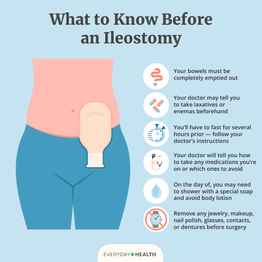
Are you concerned about the possibility of needing a colostomy bag? It’s a thought that can be unsettling, but understanding how you can take proactive steps to avoid it is empowering.
Whether you’re here because of a medical condition or simply as a precaution, taking charge of your health is a smart move. In this guide, we’ll explore practical tips and lifestyle changes that can significantly reduce your risk. Imagine the peace of mind knowing you’re doing everything possible to maintain your health and avoid surgery.
Keep reading to discover actionable insights that could be life-changing for you and your loved ones.
Causes Leading To Colostomy
Understanding the causes leading to a colostomy helps prevent the need for one. A colostomy is a surgical opening created to divert waste from the colon. This often results from serious health issues or injuries affecting the digestive system. Knowing these causes allows individuals to take early action and reduce risks.
Common Medical Conditions
Several medical conditions can damage the colon or rectum, leading to a colostomy. These include:
- Colorectal cancer
- Diverticulitis
- Inflammatory bowel diseases like Crohn’s disease and ulcerative colitis
- Severe infections in the bowel
- Trauma or injury to the abdomen
These illnesses may cause blockages, tears, or severe inflammation in the colon.
Surgical Necessities
Sometimes surgery requires creating a colostomy to protect or heal the bowel. It may be needed when:
- Removing a diseased part of the colon
- Repairing a damaged bowel after injury
- Allowing the colon to rest after serious inflammation
- Managing complications after cancer treatment
Surgeons choose colostomy to avoid serious complications during recovery.
Risk Factors
Certain factors increase the chance of conditions that may lead to a colostomy. These include:
- Smoking and poor diet
- Obesity and lack of exercise
- Family history of colon diseases
- Chronic bowel infections
- Age over 50 years
Reducing these risks can help maintain colon health and avoid surgery.

Credit: www.amazon.com
Dietary Habits For Colon Health
Maintaining a healthy colon starts with what you eat every day. Your diet directly affects how well your colon functions and can reduce the risk of needing a colostomy bag later in life. By paying attention to your food choices, you can support your colon’s natural processes and avoid serious complications.
Fiber-rich Foods
Fiber plays a crucial role in keeping your colon healthy. It helps move waste smoothly through your digestive system, preventing constipation and reducing strain. Adding foods like whole grains, beans, fruits, and vegetables can make a big difference.
- Oats and barley for soluble fiber
- Broccoli, carrots, and leafy greens for insoluble fiber
- Apples and pears with skin on for a natural fiber boost
I once struggled with irregular bowel movements until I started eating a bowl of oatmeal every morning. It was a simple change, but it helped keep my digestion on track and gave me more energy throughout the day.
Hydration Importance
Drinking enough water is just as important as eating fiber. Water softens stool and helps fiber do its job better, preventing blockages and irritation in your colon. Aim for at least 8 glasses a day, and more if you’re active or live in a hot climate.
Have you ever noticed how dehydration can lead to discomfort and sluggish digestion? Staying hydrated keeps everything moving smoothly and supports your overall gut health.
Foods To Avoid
Some foods can harm your colon and increase the risk of complications. Processed meats, excessive red meat, and fried foods can cause inflammation and slow digestion. Cutting back on sugary snacks and refined carbs also helps reduce the risk of colon problems.
- Limit sausages, bacon, and deli meats
- Avoid deep-fried fast foods
- Reduce intake of white bread, pastries, and sugary drinks
Think about your last meal—did it include any of these items? Small changes in your daily diet can protect your colon and keep your body feeling its best.
Lifestyle Changes To Reduce Risk
Changing your lifestyle can play a huge role in reducing the risk of needing a colostomy bag. Small, consistent habits help protect your digestive system and overall health. Let’s look at some key areas where your daily choices make a difference.
Regular Exercise
Exercise keeps your digestive system moving smoothly. Aim for at least 30 minutes of moderate activity most days. Even a daily walk can improve bowel function and reduce inflammation.
Think about how your energy changes after a workout. Do you notice better digestion or less bloating? These are signs your body is benefiting from physical activity.
Avoiding Smoking And Alcohol
Smoking and heavy drinking increase the risk of digestive problems and cancers that may lead to a colostomy. Quitting smoking improves blood flow to your intestines, aiding healing and reducing damage.
Cutting back on alcohol lowers inflammation and prevents irritation of the bowel lining. If quitting feels tough, try replacing cigarettes or drinks with healthier habits like herbal tea or deep breathing exercises.
Weight Management
Excess weight strains your abdomen and increases the chance of conditions like hernias and bowel issues. Maintaining a healthy weight reduces pressure on your digestive organs and supports better function.
Focus on balanced meals with plenty of fiber, fruits, and vegetables to help control weight and improve digestion. Have you noticed how your gut feels after eating certain foods? Tracking this can guide smarter choices for your body.
Early Detection And Screening
Early detection and screening play a vital role in preventing the need for a colostomy bag. Detecting issues early can stop serious complications from developing. Regular screenings help find problems before symptoms appear. Understanding symptoms and knowing when to seek medical help can save lives.
Colorectal Cancer Screening
Screening tests check for cancer or growths in the colon and rectum. Common tests include colonoscopy, stool tests, and sigmoidoscopy. These tests find polyps before they turn cancerous. Doctors recommend starting screenings at age 45 or earlier for high-risk people. Early screening reduces the chance of surgery and colostomy.
Recognizing Symptoms
Symptoms of colorectal problems may include:
- Changes in bowel habits
- Blood in stool
- Abdominal pain or cramps
- Unexplained weight loss
- Fatigue or weakness
Noticing these signs early helps catch diseases before they worsen. Many early symptoms are mild and easy to miss. Pay close attention to any unusual or persistent changes.
When To See A Doctor
See a doctor if symptoms last more than two weeks. Immediate medical advice is crucial for bleeding or severe pain. People with a family history of colorectal cancer should act quickly. Early consultation leads to better treatment options. Don't delay; early care often avoids the need for a colostomy bag.
Managing Chronic Conditions
Managing chronic conditions is essential if you want to reduce the risk of needing a colostomy bag. These long-term illnesses often affect your digestive system, and careful attention can prevent complications that lead to surgery. Taking control of your health means staying informed and making daily choices that support your gut.
Inflammatory Bowel Disease Care
If you have Crohn’s disease or ulcerative colitis, consistent care is crucial. Regular check-ups with your gastroenterologist help catch flare-ups early, allowing treatment adjustments before damage occurs.
Eating a balanced diet tailored to your condition can ease symptoms. Many people find keeping a food diary helps identify triggers to avoid. Have you noticed certain foods worsen your symptoms? Tracking these can empower you to make better choices.
Stress management also plays a big role. Activities like yoga or meditation can reduce inflammation by calming your body’s response.
Diverticulitis Prevention
Diverticulitis happens when small pouches in your colon become inflamed or infected. To prevent this, focus on a high-fiber diet rich in fruits, vegetables, and whole grains. Fiber keeps your stool soft and reduces pressure inside the colon.
Drinking plenty of water supports this process. Aim for at least eight glasses a day to help fiber work effectively.
Physical activity also matters. Regular exercise keeps your bowels moving and lowers inflammation. Simple walks or gentle stretching can make a difference.
Medication Adherence
Taking your prescribed medications exactly as directed can be a game-changer. Skipping doses or stopping early might cause your condition to worsen unnoticed.
Set reminders on your phone or use a pill organizer to stay on track. If side effects trouble you, talk openly with your doctor rather than quitting the medication.
Have you ever stopped a medication because you felt better? That’s common but risky. Consistency helps control symptoms and prevents complications that might lead to surgery.
Surgical Alternatives And Innovations
Facing the possibility of a colostomy bag can feel overwhelming. However, surgical alternatives and innovations continue to improve, offering new hope and options that might help you avoid this outcome. Understanding these alternatives can empower you to have informed conversations with your healthcare provider and explore treatments tailored to your needs.
Minimally Invasive Procedures
Minimally invasive surgeries use small incisions and specialized tools to reduce trauma to your body. These techniques often lead to faster recovery, less pain, and fewer complications compared to traditional open surgery.
For example, laparoscopic and robotic-assisted surgeries allow surgeons to remove or repair affected areas with precision. Have you discussed with your surgeon whether these options could apply to your condition?
Reconstructive Options
Reconstructive surgery aims to restore normal bowel function and avoid the need for a colostomy bag. Surgeons may reconstruct the colon or rectum to maintain or improve continence.
One approach involves creating an internal pouch to collect waste, reducing reliance on external bags. This can dramatically improve your quality of life—have you considered if this option fits your situation?
Advances In Treatment
New treatments are continuously emerging, including improved medications and targeted therapies that reduce inflammation or treat underlying conditions more effectively. These advances can sometimes prevent the progression to surgery that requires a colostomy.
Innovations like stem cell therapy and bioengineered tissues show promise in healing damaged bowel areas. Staying informed about the latest research might give you an edge in managing your health proactively.
Mental Health And Support Systems
Mental health plays a key role in avoiding serious health issues, including colostomy. Strong support systems help manage stress and boost emotional well-being. Stress and anxiety can worsen physical symptoms and slow healing. Building healthy mental habits supports overall health and may reduce the need for invasive treatments.
Support from friends, family, and professionals creates a safety net. Knowing someone is there to listen helps reduce feelings of isolation. Taking care of your mind is as important as taking care of your body in health journeys.
Coping Strategies
Simple coping strategies reduce stress and improve mental strength. Deep breathing calms the mind and lowers tension. Regular physical activity releases feel-good hormones that lift mood. Keeping a daily journal helps express feelings and clear the mind. Setting small, achievable goals builds confidence and focus. These habits create resilience against emotional strain and health challenges.
Support Groups
Support groups connect people facing similar health struggles. Sharing experiences reduces loneliness and offers practical advice. Group members encourage each other through tough times. Listening to others’ stories can inspire hope and new coping methods. Support groups often meet in person or online, making them accessible. Finding a group focused on digestive health or chronic illness can be very helpful.
Professional Counseling
Professional counselors provide expert guidance for mental health issues. They offer tools to manage anxiety, depression, and stress. Counseling sessions create a safe space to explore emotions. Therapists teach techniques to change negative thought patterns. Early counseling can prevent mental health from worsening. Seeking help shows strength and dedication to overall well-being.

Credit: www.amazon.com
Credit: www.exmed.net
Frequently Asked Questions
What Are Common Causes Leading To A Colostomy Bag?
Colostomy bags are often needed due to bowel diseases, cancer, or injury. Conditions like colorectal cancer, diverticulitis, or severe trauma can require colostomy surgery. Early diagnosis and treatment can sometimes prevent the need for a colostomy bag.
How Can Diet Help Prevent Colostomy Surgery?
A high-fiber diet promotes healthy bowel movements and reduces complications. Eating fruits, vegetables, and whole grains supports colon health. Staying hydrated and avoiding processed foods also lowers risks that might lead to colostomy.
Can Lifestyle Changes Reduce Colostomy Risks?
Yes, regular exercise and quitting smoking improve colon health. Maintaining a healthy weight and managing stress also help prevent bowel diseases. These lifestyle changes support overall digestive system function and lower colostomy chances.
When Should You See A Doctor To Avoid Colostomy?
Seek medical advice if you have persistent abdominal pain or bleeding. Early symptoms of bowel problems need prompt evaluation. Timely treatment can prevent complications requiring colostomy surgery.
Conclusion
Taking care of your health helps reduce the risk of needing a colostomy bag. Eat well, exercise often, and visit your doctor regularly. Early check-ups can catch problems before they become serious. Managing bowel habits and avoiding injury also play a key role.
Small changes make a big difference over time. Stay aware of your body’s signals and act quickly. Protecting your digestive health is important for a better life. Keep these simple steps in mind to stay strong and healthy.