
If you love boxing or want to start training at home, having a sturdy boxing bag stand can make all the difference. Imagine punching your bag anytime you want, without worrying about where to hang it or if it will hold up.
Building your own boxing bag stand is easier than you think—and it saves you money. In this guide, you’ll discover simple steps to create a strong, reliable stand that fits your space perfectly. Ready to take your workouts to the next level?
Let’s get started.
Materials Needed
Gathering the right materials is the first key to building a sturdy and reliable boxing bag stand. Choosing quality components ensures your stand will hold up under heavy use and provide the stability you need during workouts.
Think about the space where you’ll place the stand and the weight it must support. This will help you decide on the type of wood or metal and the specific tools required. Ready to see what you’ll need?
Types Of Wood And Metal
Wood offers a natural, strong base that’s relatively easy to work with. Popular choices include:
- Pine:Affordable and easy to find but less durable for very heavy bags.
- Oak:Very strong and long-lasting, though more expensive and harder to cut.
- Maple:A good balance between strength and workability.
If you prefer metal, steel is your best bet. It’s extremely sturdy and can handle heavy bags without bending. Aluminum is lighter but might flex more under stress. Keep in mind the thickness—you want metal at least 1/8 inch thick to avoid wobbling.
Tools Required
Having the right tools makes the build smoother and safer. Essential tools include:
- Power drill:For making precise holes and driving screws.
- Saw (circular or handsaw):To cut wood or metal pieces to the right size.
- Measuring tape and square:To ensure your cuts and angles are accurate.
- Wrenches or socket set:For tightening bolts securely.
- Sandpaper or grinder:To smooth rough edges and avoid splinters.
Have you checked if your drill bits fit the screws and bolts you plan to use? Mismatched bits can cause frustration and damage.
Additional Supplies
Beyond wood, metal, and tools, you’ll need some extra supplies to complete your stand:
- Screws and bolts:Use rust-resistant types to keep your stand durable over time.
- Wood glue:Adds extra strength to joints when working with wood.
- Protective finish:Such as paint or sealant to protect wood from moisture and wear.
- Rubber feet or mats:To prevent slipping and protect your floor.
Think about how the stand will be used daily—adding rubber feet can make a surprising difference in stability and noise reduction. What small details could improve your setup?
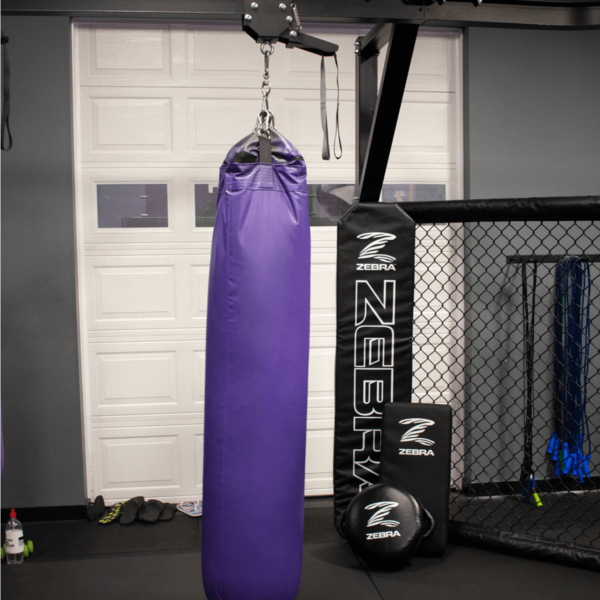
Credit: www.zebraathletics.com
Choosing The Right Location
Choosing the right location for your boxing bag stand is crucial to create an effective and safe workout space. The spot you pick affects your training experience, convenience, and how long your setup will last. Think about where you feel most comfortable and how your environment supports your boxing routine.
Indoor Vs Outdoor Setup
Deciding between an indoor or outdoor setup changes many factors. Indoors, you control the environment — no rain, wind, or extreme temperatures. This keeps your bag and stand in better shape and lets you train year-round.
Outdoor setups give you more space and fresh air but expose your equipment to weather damage. If you choose outside, consider weatherproof materials or a protective cover for the bag and stand. Also, check if your outdoor surface is level and solid enough to hold the stand steady.
Space Requirements
Your boxing bag needs room to swing freely. Aim for at least 3 feet of clearance around the bag to avoid hitting walls or furniture. This space lets you practice footwork and full punches without restrictions.
Remember that the stand itself also takes up floor space. Measure the area carefully before building or buying a stand to ensure it fits comfortably. If space is tight, you might want to opt for a wall-mounted bag instead.
Safety Considerations
Safety should be your top priority. Place the stand on a flat, stable surface to prevent tipping during intense workouts. Avoid slippery floors or uneven ground that could cause accidents.
Check for any overhead obstacles like low ceilings, lights, or fans. These can interfere with your movement or cause injury. Also, keep the area around the bag free of clutter to reduce tripping hazards.
Designing Your Stand
Designing your boxing bag stand is a crucial step that sets the foundation for a durable and functional workout setup. Your design choices affect how stable the stand will be and how well it fits into your workout space. Thoughtful design helps avoid unnecessary costs and ensures your stand supports your training style effectively.
Basic Stand Structures
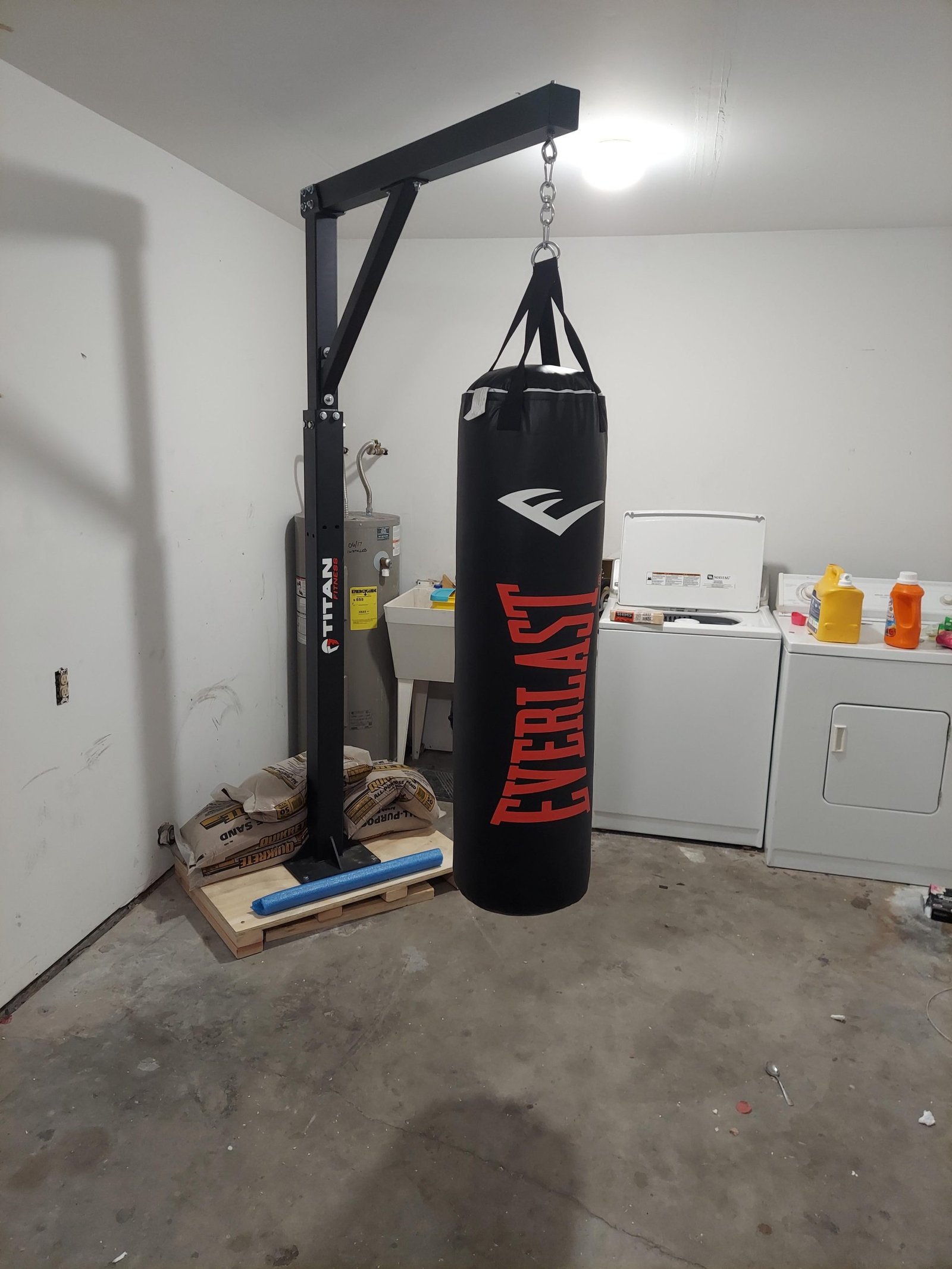
There are three common structures for boxing bag stands: A-frame, T-frame, and free-standing. The A-frame offers great stability with a wide base, ideal if you have enough floor space. The T-frame is simpler and more compact but might need extra weight at the base.
Free-standing stands often come with built-in weights or platforms to prevent tipping. Think about the space you have and how much movement your workouts involve before choosing a structure. Which structure do you feel will best support your boxing style?
Weight And Stability Factors
Stability is key to a safe and effective stand. The heavier the base, the less likely your bag will swing uncontrollably or tip over. You can add weight by attaching sandbags or using heavy-duty steel plates at the base.
Consider also the distribution of weight. A well-balanced stand prevents wobbling and lets you focus on your punches. Have you tested different weights to find the perfect balance for your stand?
Customizing Dimensions
Dimensions should match both your bag size and your workout area. Measure your bag’s height and length, then add extra clearance to allow full movement without hitting walls or furniture. Adjusting the height of the hanging point can also optimize your training experience.
Width and depth of the base matter too. A wider base increases stability but takes up more space. What dimensions will fit comfortably in your workout zone while keeping your bag secure?
Step-by-step Construction
Building your own boxing bag stand can be a rewarding project that saves space and money. The key is to focus on clear, manageable steps that guide you through the process without overwhelming you. Let's break down the construction into practical parts so you can confidently create a sturdy stand for your training sessions.
Cutting And Preparing Materials
Start by gathering your materials: sturdy wood or metal pipes, screws, bolts, and a bag hanger. Measure carefully before cutting to ensure each piece fits perfectly. Precise cuts help avoid wobbly frames and make assembly smoother.
Use a saw or pipe cutter depending on your material. Sand down any rough edges to prevent splinters or scratches. How often do you overlook preparation only to struggle later during assembly?
Assembling The Frame
Lay out all your cut pieces on a flat surface to visualize the frame. Connect the base first to create a stable foundation. Use screws or bolts to join the parts tightly—loose connections can compromise your stand’s strength.
Check your frame’s alignment with a level tool. A tilted stand will affect your boxing bag’s swing and your workout quality. Remember, a solid frame is the backbone of your setup.
Securing The Bag Hanger
Attach the bag hanger to the top crossbar of your frame using heavy-duty bolts or hooks. Make sure it can support the weight of your boxing bag without any movement. Reinforce the hanger with extra brackets if needed for added security.
Test the hanger by gently pulling and twisting it before hanging the bag. Would you trust it to hold during an intense session without double-checking?
Installing The Boxing Bag
Installing the boxing bag properly ensures safe and effective workouts. This stage requires careful attention to support and placement. Follow key steps to hang your bag securely and adjust it for your training needs.
Hanging Techniques
Choose a strong hook or swivel to hang the bag. Use heavy-duty chains or straps designed for boxing bags. Attach the bag to the stand’s top beam firmly. Avoid weak materials that might break during use. Ensure the bag hangs freely without touching the ground.
Testing Stability
Check the stand’s balance before starting exercises. Push the bag lightly from different angles. Watch for any wobbling or shifting in the stand. Tighten all bolts and screws if the stand moves. Confirm the bag stays secure during movement.
Adjusting Height
Set the bag height based on your reach and training style. The bag’s center should be at chest or shoulder level. Use adjustable chains or straps to change the height easily. Make small adjustments and test with punches and kicks. Keep the bag at a comfortable height to avoid injury.

Credit: visapoint.travel
Maintenance Tips
Maintaining your boxing bag stand ensures it stays safe and lasts longer. Regular care prevents damage and keeps the stand stable during workouts. Simple maintenance steps keep your equipment ready and secure.
Regular Inspections
Check the stand often for any signs of wear or damage. Look for cracks, rust, or loose parts. Inspect the joints and base for stability issues. Early detection helps avoid accidents and costly repairs.
Tightening And Repairs
Keep all bolts and screws tight to maintain strength. Use the right tools to avoid stripping bolts. Replace any broken or worn parts immediately. Small repairs stop problems from getting worse.
Protecting Against Weather
Place your stand in a covered area to shield it from rain. Use a waterproof cover if kept outdoors. Apply rust-resistant paint or spray to metal surfaces. Proper protection extends the life of your stand.
Troubleshooting Common Issues
Building a boxing bag stand is satisfying, but issues may arise. Troubleshooting common problems helps keep the stand safe and effective. This section covers typical concerns and simple fixes. You will find tips on stabilizing, reducing noise, and managing wear. These solutions make your boxing practice smooth and enjoyable.
Wobbly Stands
A shaky stand can cause accidents and disrupt training. Check the base first. Make sure all bolts and screws are tight. Use a level to confirm the stand is even on the floor. If the surface is uneven, place rubber pads or wood blocks under the base. Adding weight to the bottom with sandbags or heavy plates increases stability. Avoid lightweight materials for the stand frame. Solid wood or metal frames hold better over time.
Noise Reduction
Noise comes from metal parts hitting or the bag swinging. Use rubber washers or felt pads between metal joints to absorb sound. Wrap the chains or hooks with cloth or tape to reduce clanking. Install a heavy-duty spring between the bag and stand to soften impact noise. Place the stand on a thick rubber mat to prevent vibrations. These small fixes make training quieter and less distracting.
Handling Wear And Tear
Wear and tear shorten the stand’s life and safety. Inspect the stand regularly for cracks or rust. Sand and repaint metal parts to stop corrosion. Replace worn-out chains, hooks, or straps immediately. Use protective covers on metal parts exposed to sweat or weather. Lubricate moving joints with oil to prevent stiffness. Keep the bag and stand dry and clean to avoid damage.
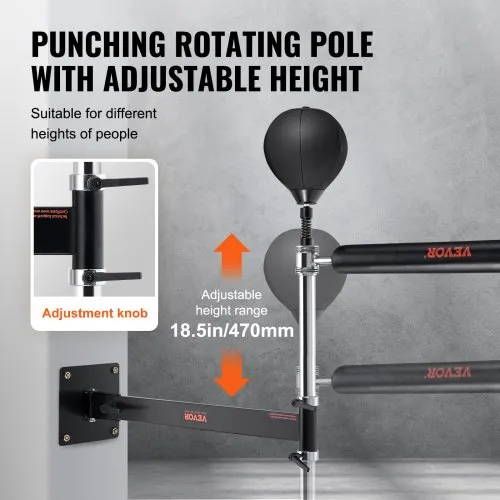
Credit: www.vevor.ca
Frequently Asked Questions
How Do I Choose Materials For A Boxing Bag Stand?
Selecting materials depends on durability and weight capacity. Common choices include steel and wood. Steel offers strength and stability, while wood provides a classic look. Consider the weight of the bag and the space available. Ensure materials can support the bag's weight and withstand regular use.
What Tools Are Needed To Build A Boxing Bag Stand?
Basic tools are required for building a stand. You'll need a drill, saw, measuring tape, and wrench. These tools help in cutting, assembling, and securing materials. Ensure you have safety gear like gloves and goggles. Having the right tools ensures precision and safety during the building process.
How Much Space Is Needed For A Boxing Bag Stand?
Allocate enough space for safe movement around the bag. Ideally, you'll need at least a 6x6 feet area. This space allows for unrestricted movement and prevents injuries. Ensure the ceiling height is adequate for the bag's height. Proper spacing enhances your workout experience and safety.
Can A Beginner Build A Boxing Bag Stand?
Yes, a beginner can build a stand with basic skills. Follow detailed plans and instructions carefully. Start with simple designs to gain confidence. Ensure you have the right tools and materials. Take your time and double-check measurements to ensure accuracy.
Building can be a rewarding DIY project.
Conclusion
Building a boxing bag stand can save money and space. It gives you a sturdy place to train at home. Use strong materials and follow safety steps carefully. This project fits many skill levels and tools. A good stand holds your bag steady while you punch.
Keep it simple and check for stability often. Enjoy your training with a stand you built yourself. Practice regularly and improve your boxing skills over time. A solid stand supports your fitness goals well.