
Have you ever stood in front of your suitcase, struggling to remember the combination to your luggage lock? Or perhaps you've just bought a brand-new suitcase and want to set a personal code to keep your belongings safe?
You're not alone. Changing a luggage lock might seem daunting, but it's actually a simple process that can save you time and stress on your travels. Imagine the peace of mind knowing that your valuables are secure and only you have the code.
In this guide, you’ll discover easy-to-follow steps that will empower you to change your luggage lock quickly and confidently. Let’s turn that moment of frustration into a moment of triumph, ensuring your next trip is as smooth and secure as possible. Keep reading to unlock the secrets of luggage lock changes!
Types Of Luggage Locks
Choosing the right type of luggage lock can affect your travel experience more than you might expect. Different locks offer various levels of security and convenience. Knowing the options helps you pick one that fits your needs perfectly.
Combination Locks
Combination locks let you set a personal code, usually a three- or four-digit number. You don't need to carry a key, which means one less item to worry about losing. However, remember that weak or common codes can be guessed easily, so choose a unique combination.
Many travelers appreciate the ease of resetting the code if they feel it’s been compromised. Have you ever forgotten a combination? It’s frustrating, but most locks have a reset process that can save your trip.
Keyed Locks
Keyed locks use a physical key to open and close. They often provide a straightforward, reliable way to secure your luggage. On the downside, losing the key can create a big problem, especially if you don’t have a backup.
Some keyed locks come with multiple keys, so you can keep a spare in your wallet or with a travel companion. Consider how you usually handle your keys before choosing this type. Do you often misplace small items?
Tsa-approved Locks
TSA-approved locks are designed to be opened by airport security without damaging your luggage. If you travel to or within the United States, these locks can save you from the hassle of broken zippers or cut straps. They come in both combination and keyed varieties.
Think about your travel destinations. Will your luggage be inspected by TSA agents? If yes, investing in a TSA-approved lock might be the smartest choice. Have you ever had your luggage damaged during security checks?

Credit: medium.com
When To Change Your Luggage Lock
Knowing when to change your luggage lock is key to keeping your belongings safe. It’s easy to overlook this small detail until you face a problem. But paying attention to certain signs can save you time, stress, and even money.
Signs Of Wear And Tear
Does your lock feel stiff or jam when you try to open it? Rust, scratches, or broken parts can weaken its security. A worn lock is easier to break, so don’t wait until it fails completely.
I once ignored a rusty lock because it still closed. That mistake cost me when it jammed at the airport, causing a frantic scramble. Inspect your lock regularly and replace it at the first sign of damage.
Lost Or Forgotten Combinations
Have you ever forgotten the combination to your luggage lock? It happens more often than you think. If you can’t open your lock, it’s time to change it or reset the code if possible.
Trying to force a lock open can damage your luggage and delay your travel plans. Keep a record of your combination in a secure place to avoid this hassle. But if you lose it, don’t hesitate to get a new lock.
Upgrading Security Features
Are you still using an old lock without modern safety features? Newer models offer better protection against picking and tampering. Upgrading your lock can give you peace of mind, especially on long trips.
Consider a lock with TSA approval or biometric options if you want extra convenience and security. Investing in a better lock is a smart move that protects your valuables more effectively. What security features matter most to you?
Tools Needed For Changing Locks
Changing a luggage lock requires the right tools to make the process smooth and stress-free. Having these tools on hand saves you from frustration and potential damage to your luggage. Let’s look at what you’ll need to get the job done efficiently.
Basic Tools Checklist
- Small Screwdriver Set:A precision screwdriver with flathead and Phillips tips is essential. These help you remove screws holding the lock in place.
- New Lock or Combination Set:Have your replacement lock or the new combination ready. This ensures you can set it immediately after removal.
- Needle-Nose Pliers:Useful for gripping small parts or pulling out stubborn pins.
- Flashlight:A compact light helps you see tiny screws and mechanisms inside the lock.
- Cleaning Cloth:Dust or dirt can obstruct your work. Wiping the area first makes everything clearer.
These tools cover most standard luggage locks. If you’ve ever struggled with tiny screws slipping or a lock stuck tight, you know the importance of having the right screwdriver size and a good grip tool.
Optional Tools For Difficult Locks
- Lock Pick Set:If the lock is a combination or TSA style and you don’t know the code, this can help you open it without damage.
- Lubricant Spray:A small amount of lubricant can free up rusty or jammed lock parts.
- Magnifying Glass:For inspecting intricate lock details or tiny screws, this makes a huge difference.
- Plastic Pry Tools:These prevent scratches when removing lock covers or panels.
Have you ever faced a stubborn lock that just wouldn’t budge? These optional tools can turn a frustrating experience into a quick fix. Think about the last time you tried opening a jammed lock—could a lubricant or a lock pick have saved you time?

Credit: www.swissgear.com
Steps To Change A Combination Lock
Changing a combination lock on your luggage helps keep your belongings safe. The process involves a few clear actions. Follow these steps carefully to change your lock without trouble.
Resetting The Combination
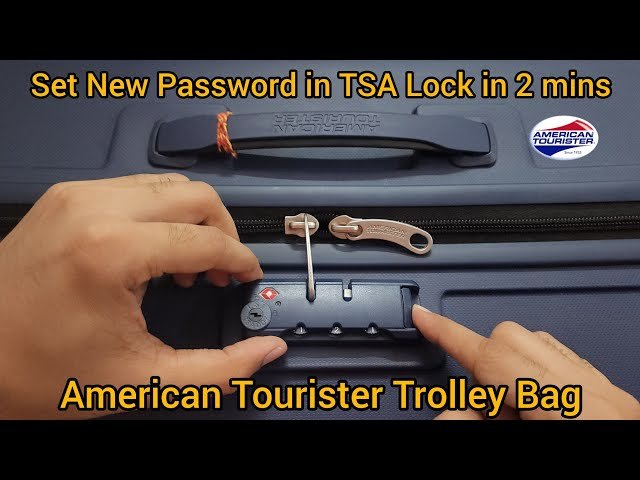
First, unlock the luggage using the current combination. Locate the reset button or lever near the dials. Hold or push the reset mechanism as instructed in your lock’s manual. Turn the dials to your new desired code. Release the reset button or lever to save the new combination. Test the new code to ensure it works smoothly.
Removing The Old Lock
Open the luggage fully for easy access. Find the screws or clips holding the old lock. Use a screwdriver or tool to remove these fasteners. Carefully take out the old lock from its place. Keep the screws safe if you plan to reuse them. Clean the area where the old lock was attached.
Installing The New Lock
Align the new lock with the holes on the luggage. Insert and tighten screws or clips to secure the lock. Set the lock to the factory default code first. Test the lock to confirm it fits properly. Reset the combination to your personal code as shown earlier. Close the luggage and check the lock’s function again.
Steps To Change A Keyed Lock
Changing a keyed lock on your luggage is simple and quick. It improves security and lets you control who can open your bag. Follow these steps carefully to remove the old lock and install the new one without damage.
Removing The Current Lock
Start by opening your luggage and locating the screws holding the lock. Use a screwdriver to carefully unscrew and remove them. Keep the screws safe for the new lock. Gently pull the old lock out from its place.
Fitting The Replacement Lock
Take your new lock and align it with the holes where the old lock was. Insert the lock into position. Use the screws you saved to secure it firmly. Make sure the lock fits snugly and does not move.
Testing The New Lock
Close your luggage and turn the key to lock it. Try opening it with the key to check if it works smoothly. Repeat locking and unlocking several times. Confirm the lock stays secure and the key turns easily.
Tips For Setting A Strong Combination
Setting a strong combination for your luggage lock is key to keeping your belongings safe. A good combination is easy for you to remember but hard for others to guess. This balance helps protect your luggage during travel. Below are some tips to help choose a strong and secure code.
Choosing Easy-to-remember Numbers
Pick numbers that hold personal meaning but are not obvious. Birthdays or anniversaries are common but not very secure. Try combining parts of different dates or special numbers. Use patterns only you recognize. This makes the code easier to recall without writing it down.
- Mix numbers from different important dates
- Use favorite numbers or lucky digits
- Create a sequence based on a memorable event
- Keep the combination simple but unique
Avoiding Common Patterns
Steer clear of simple and predictable patterns. Codes like 1234, 0000, or 1111 are often tried first by thieves. Avoid repeating numbers or sequences that appear on the keypad. Do not use easily guessed codes like 2580, which follow a straight line on the lock.
- Do not use all the same digits
- Avoid sequences like 1234 or 4321
- Skip patterns that form shapes on the keypad
- Choose random numbers that don’t follow a clear order
Maintaining Your Luggage Lock
Maintaining your luggage lock ensures it works smoothly and lasts longer. Regular care prevents jams and keeps your belongings secure. Small actions protect your lock from dirt and wear.
Regular Cleaning
Clean your luggage lock often to remove dust and grime. Use a soft cloth to wipe the surface gently. Avoid harsh chemicals that can damage the lock's finish. For stubborn dirt, use a mild soap solution and a soft brush. Dry the lock completely before using it again.
Lubrication Techniques
Lubricate your lock to keep its parts moving freely. Use a small amount of graphite powder or silicone spray. Avoid oil-based lubricants that attract dirt and cause stickiness. Apply lubricant inside the keyhole and around the shackle. Move the lock parts to spread the lubricant evenly.
Storage Tips
Store your luggage lock in a dry place to prevent rust. Keep it away from extreme heat or moisture. If you do not use the lock for a long time, unlock it before storing. This reduces tension on the internal parts and extends the lock's life.
Troubleshooting Common Lock Issues
Facing trouble with your luggage lock can be frustrating, especially when you're rushing to catch a flight or secure your belongings. Knowing how to identify and fix common lock problems can save you time and stress. Let’s dive into some typical issues and how you can troubleshoot them effectively.
Stuck Locks
A stuck lock can feel like a dead end, but it often has simple solutions. Dirt, dust, or rust inside the lock mechanism can cause it to jam. Try applying a small amount of graphite powder or a silicone-based lubricant to the keyhole to loosen it up.
If the lock still won’t budge, gently wiggle the shackle while turning the dial or key. Avoid forcing it, as that may break the lock. Sometimes, tapping the lock lightly with a small tool can help dislodge debris. Have you ever tried cleaning your lock with compressed air? It can blow out hidden particles causing the jam.
Forgotten Combinations
Forgetting your combination might feel like a lockout from your own luggage. Before panicking, try to recall any familiar number sequences like birthdays, anniversaries, or simple patterns you tend to use. Many locks allow you to reset the combination only if you know the current one, so guessing is key.
If guessing doesn’t work, look for a reset button or lever inside the lock. Sometimes, shining a flashlight inside the lock can reveal a small reset hole. If you bought your luggage new, check the manufacturer’s website or manual—some offer default codes or recovery methods.
Have you kept a written record of your combinations? It’s a simple habit that prevents this hassle. If not, setting up a secure digital note might be your next best step.
Broken Keys
Breaking a key inside the lock can feel like a disaster. First, don’t panic or force the lock open, as you might damage it further. Use a pair of fine tweezers or needle-nose pliers to carefully extract the broken piece.
If the piece is lodged deeply, applying a bit of lubricant can help ease its removal. In some cases, a small magnet can pull out metal fragments. Can you access a locksmith or luggage repair service nearby? They often have specialized tools for this exact problem.
Replacing the key or lock might be necessary if extraction fails. Remember, keeping a spare key in a safe place can prevent future headaches.
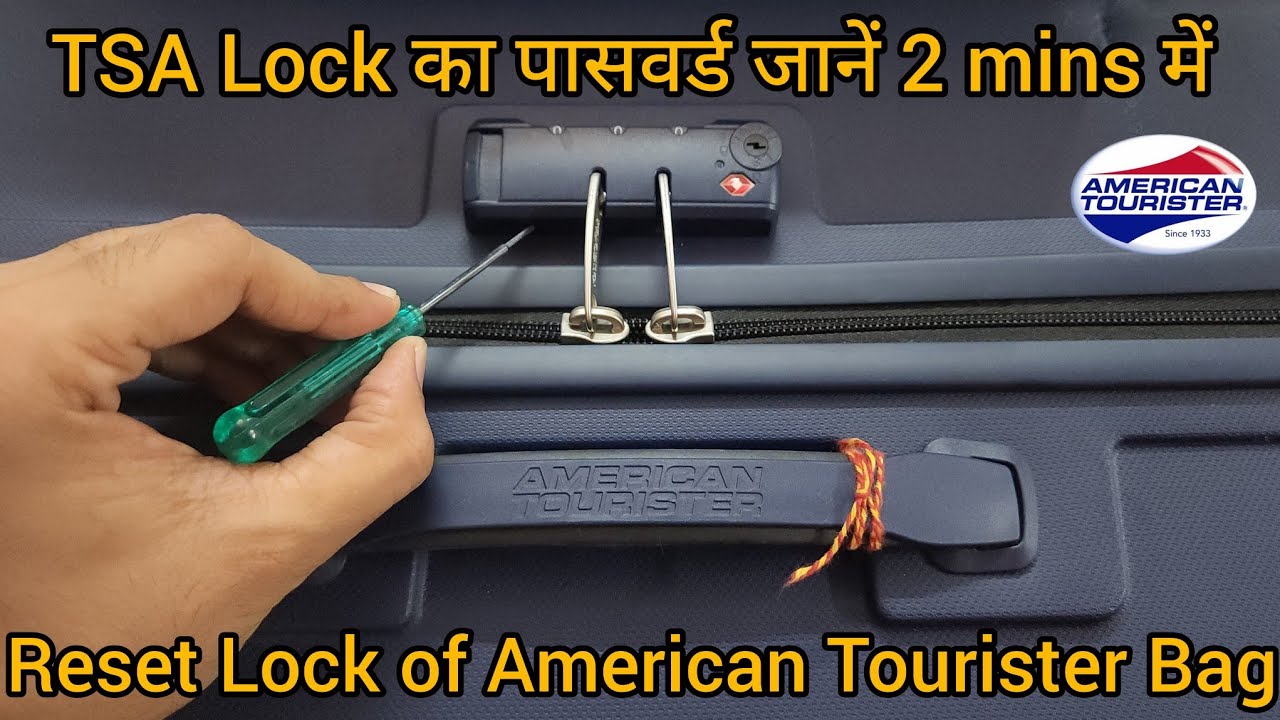
Credit: www.youtube.com
Frequently Asked Questions
How Do I Reset A Luggage Lock Combination?
To reset a luggage lock, align the dials to the current code. Hold the reset button or lever, then set your new combination. Release the button to save the new code. Always test the lock before traveling to ensure it works correctly.
Can I Change A Tsa Luggage Lock Code?
Yes, TSA luggage locks allow you to change the code. First, unlock it using the current combination. Press and hold the reset button, then set your new code. Release the button to save the change. TSA locks ensure security and TSA inspection access.
What If I Forget My Luggage Lock Combination?
If you forget your lock code, try default combinations like 000 or 123. Alternatively, contact the manufacturer with your lock’s serial number. Some locks have a reset tool or master key option for recovery. Avoid forcing the lock to prevent damage.
Is It Easy To Replace A Luggage Lock?
Replacing a luggage lock is straightforward. Remove the old lock by unscrewing or releasing latches. Attach the new lock using the provided hardware or integrated slots. Ensure the new lock fits your luggage and test it before use.
Conclusion
Changing your luggage lock can be simple and quick. Follow the steps carefully to avoid mistakes. Make sure your new lock fits well and works smoothly. Double-check the combination or key before you travel. This small task helps keep your belongings safe.
Practice changing the lock a few times for confidence. Travel with peace of mind knowing your luggage is secure. Taking a little time now can save trouble later. Stay safe and enjoy your trip without worry.