
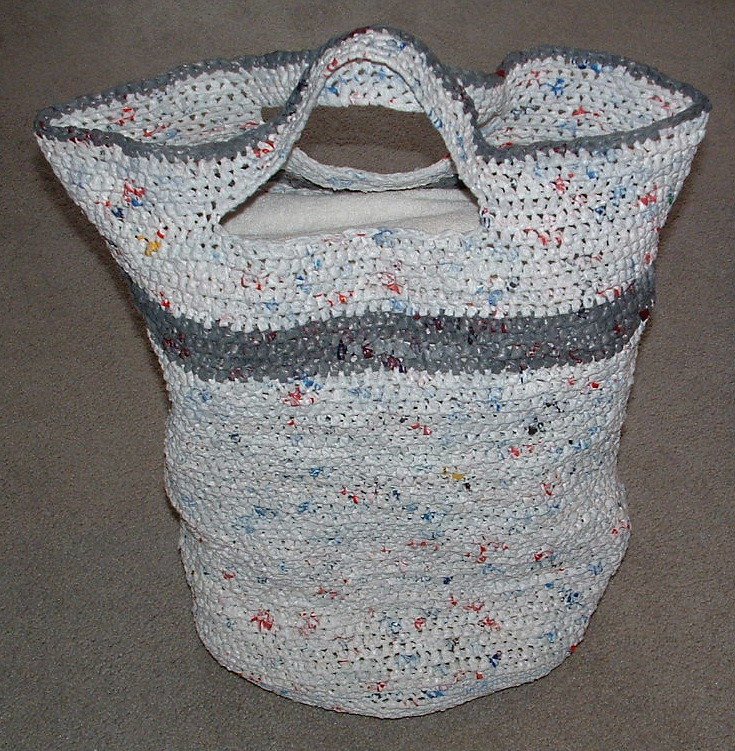
Are you tired of throwing away countless plastic bags, only to feel a twinge of guilt each time? What if I told you that you could transform these everyday nuisances into something beautiful and functional?
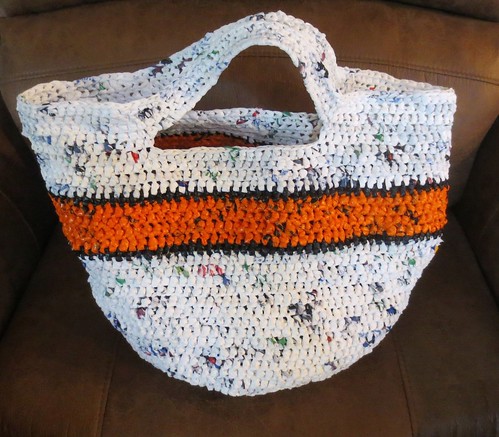
That's right—by learning how to crochet a bag with plastic bags, you can turn waste into a trendy, eco-friendly accessory. Imagine carrying a unique bag that not only complements your style but also tells a story of sustainability. You'll discover step-by-step instructions to create your own chic bag while helping the environment.
Let's dive in and turn those plastic bags into something you're proud to carry!
Gathering Materials
Gathering the right materials is the first step in crocheting a bag with plastic bags. Choosing quality supplies makes the project easier and improves the final look. This section covers selecting plastic bags, the right crochet hook size, and other tools needed for your craft.
Choosing Plastic Bags
Use clean plastic bags without tears or holes. Thicker bags hold their shape better. Grocery bags, produce bags, and retail bags work well. Avoid bags with heavy prints or slick surfaces. Cut bags into strips before crocheting. This creates a yarn-like material called plarn.
Selecting Crochet Hook Size
Pick a crochet hook that matches the thickness of your plarn. Larger hooks create looser stitches and a flexible bag. Smaller hooks make a tighter, more durable fabric. A hook size between 8 mm and 12 mm usually works best. Test a small swatch to find your preferred tension.
Additional Tools Needed
- Scissors for cutting bags into strips
- Measuring tape to check strip length and width
- Stitch markers to keep track of rounds
- Tapestry needle for weaving in ends
- Optional: Gloves to protect hands from rough plastic

Credit: makezine.com
Preparing Plastic Yarn
Preparing plastic yarn is the first step in crocheting a bag from plastic bags. This yarn, often called plarn, is made by cutting plastic bags into strips. The strips are then joined to create a long, continuous yarn for easy crocheting. Proper preparation makes your crafting smoother and more enjoyable.
Cutting Bags Into Strips
Start by flattening the plastic bags. Remove handles and seams for even strips. Cut the bags into long, thin strips about 1 to 2 inches wide. Keep the strips consistent in size for uniform yarn. Folding the bag helps cut multiple layers quickly.
Joining Strips For Continuous Yarn
To crochet without breaks, join the strips. Overlap the ends of two strips by a few inches. Fold one end into a loop and pull the other strip through it. Pull tight to create a strong knot. Repeat this process to make a long yarn.
Tips For Smooth Yarn
- Use sharp scissors for clean cuts.
- Avoid twisting strips while cutting.
- Keep knots tight but not bulky.
- Store plarn in a ball to prevent tangles.
- Test the yarn by pulling gently before crocheting.
Basic Crochet Stitches
Mastering basic crochet stitches is essential when making a bag from plastic bags. These stitches form the foundation of your project and affect the bag's strength and appearance. Even if you’re new to crochet, focusing on these simple stitches will boost your confidence and help you create something durable and stylish.
Chain Stitch
The chain stitch is the starting point of almost every crochet project. It creates the base row on which you build the rest of your bag. When working with plastic bags, keep your tension even to avoid holes that are too large.
Try making a chain of about 20 stitches to start your bag. Notice how the chain feels sturdier with the thicker plastic yarn compared to traditional yarn. Have you tried adjusting your tension to make the bag more flexible or rigid?
Single Crochet
Single crochet is a tight, dense stitch perfect for crafting a strong and stable bag. It’s simple to learn and works well with the plastic strips you create from bags. This stitch helps the bag hold its shape and carry weight without stretching out.
When you insert your hook into the chain stitch and pull through, make sure to pull the plastic strips gently to avoid tearing. Single crochet rows stack nicely, creating a solid fabric that’s ideal for carrying groceries or books. How might changing the stitch count affect your bag’s size?
Slip Stitch
Slip stitch is useful for joining parts of your bag or moving your yarn to a different position without adding height. This stitch is quick and barely visible, making your bag look neat and professional. It also helps finish edges cleanly.
Use slip stitches to join the sides of your bag or to create handles. They don’t add bulk, which is perfect when working with thick plastic yarn. Have you considered how slip stitches could improve the durability of your bag’s seams?
Starting The Bag Base
Starting the base of your crochet bag with plastic bags sets the stage for a strong and neat project. This part forms the bottom, which must be sturdy and well-shaped. A solid base helps the bag keep its form and hold weight better. Focus on creating a stable foundation chain first. Then, shape the bottom to match your desired bag style.
Creating A Foundation Chain
The foundation chain is the first row of loops that anchors your work. Use strips of plastic bags twisted or cut into yarn-like strands. Make a slip knot and place it on your crochet hook.
Chain the number of stitches needed for your bag’s width. Count carefully to keep the chain even. Keep the tension consistent. Too tight or loose chains affect the bag’s shape.
This chain will be the edge of your bag’s base. Make it longer or shorter depending on your bag size. A neat foundation chain leads to a neat project.
Forming The Bottom Shape
Once the foundation chain is ready, turn your work to start the first row. Work single crochet stitches into each chain stitch. This builds the base’s thickness.
To shape the bottom, add extra stitches at the ends of the row. This makes the base wider and more rounded. Use increases evenly to avoid bumps.
Check the shape often. Adjust stitches to keep the base flat and balanced. A well-formed bottom supports the bag’s weight and style.
Building The Bag Body
Building the body of your crocheted bag using plastic bags is where your project starts to take shape. This stage involves creating a sturdy and flexible fabric that will hold your items securely. Understanding how to work in rounds, adjust stitch counts, and keep your tension consistent will make your bag both functional and beautiful.
Crocheting In Rounds
Crocheting in rounds means working in a continuous circle instead of rows. This technique is perfect for bags because it creates a seamless, strong structure without edges that could weaken over time.
Start by making a small ring with your plastic yarn, then crochet stitches evenly around it. You can choose slip stitches or single crochet to keep the fabric dense.
Do you notice how working in rounds feels like building a spiral? This helps avoid weak points and gives your bag a smooth, uniform look.
Increasing And Decreasing Stitches
To shape your bag’s body, you’ll need to increase or decrease stitches strategically. Increasing means adding stitches to widen the bag, while decreasing tightens and narrows your work.
For example, when making the base wider, add two stitches in one stitch to expand the circle. When shaping the top or sides, reduce stitches to taper the bag.
Think about how your bag will be used—should it be roomy or snug? Adjusting stitches lets you customize the shape exactly how you want it.
Maintaining Even Tension
Keeping your tension even is crucial for a neat and durable bag. Too tight stitches make the fabric stiff and hard to handle; too loose stitches create gaps that weaken the bag.
Focus on holding your plastic yarn comfortably and pulling each stitch with the same amount of force. If you feel your stitches are inconsistent, take a moment to relax your hands and try again.
Have you ever noticed how your mood affects your crochet tension? Staying calm helps keep your stitches uniform and your bag looking professional.
Adding Handles
Adding handles to your crochet bag made from plastic bags transforms it from a simple pouch into a functional accessory. Handles not only provide ease of carrying but also enhance the bag's overall look and durability. Choosing the right style and attaching them securely makes all the difference in your finished product.
Choosing Handle Style
Think about how you want to use your bag. Do you prefer short handles for a handbag style or longer straps to wear over your shoulder? Each style affects comfort and convenience differently.
Here are some common options:
- Short Handles:Great for carrying by hand or on your wrist. They add a sturdy, compact feel.
- Long Straps:Perfect for wearing crossbody or on your shoulder. They offer hands-free convenience.
- Adjustable Handles:Let you change the length depending on your outfit or use. This flexibility can be a real plus.
Consider the weight your bag will carry. Plastic bags can be surprisingly strong, but your handle choice should balance style and support. What kind of handle would fit your daily needs?
Crocheting And Attaching Handles
Crocheting handles from the same plastic strips you use for the bag keeps the look cohesive and durable. Use a tight stitch like single crochet for strength. You can also braid the strips before crocheting for extra thickness.
Attach the handles firmly to the bag's edges. Sewing them on with a strong needle and thread or crocheting them directly into the bag’s body works well. Reinforce the attachment points with extra stitches to prevent pulling or tearing.
Try holding the bag with your new handles before finishing. Does it feel secure? Adjust the length or attachment if needed. Your bag should carry your essentials comfortably without strain.
Finishing Touches
Finishing touches can make a big difference in your crocheted bag made from plastic bags. They help secure your work, add personality, and ensure the bag looks neat and lasts longer. Taking a little extra time here pays off with a sturdy and stylish final product.
Securing Loose Ends
Loose ends can unravel your hard work if left unattended. Use a yarn needle to weave the ends back into the stitches tightly. This not only hides them but also strengthens the structure of your bag.
If you find it tricky to tuck in the ends, try trimming them close after weaving to keep the bag looking clean. Make sure not to cut too short—leave enough length to prevent the stitches from loosening over time. Have you noticed how a few loose threads can quickly make a project look unfinished?
Optional Decorations
Adding decorations lets you express your style and make the bag uniquely yours. You can sew on buttons, beads, or small patches to brighten up the plain plastic texture. Even simple tassels or braided handles can add a fun, tactile element.
Think about the bag’s purpose—do you want it casual or more polished? Adding a lining with fabric can also elevate the look and protect items inside. What small details would make your bag stand out in a crowd?
Cleaning And Shaping The Bag
After finishing, give your bag a gentle wash to remove any dust or dirt from the plastic bags. Use mild soap and lukewarm water, then air dry it completely. Avoid harsh scrubbing, which can weaken the plastic strands.
While drying, shape your bag by stuffing it with towels or paper to keep its form. This helps prevent sagging and keeps your bag looking fresh and sturdy. Have you ever seen a bag lose its shape and wished it held up better?
Tips For Durability
Making a crochet bag from plastic bags is eco-friendly and fun, but durability is key to enjoying your creation for a long time. Paying attention to how you reinforce and care for your bag can make all the difference. Let’s dive into practical tips that help your bag hold up under daily use.
Reinforcing Stress Points
Stress points like handles and the bottom of your bag face the most wear and tear. Strengthen these areas by crocheting extra rows or rounds with tighter stitches. Adding a second layer or lining at these spots can also provide added support.
Try doubling the plastic strips when working on handles. This simple trick prevents stretching and tearing over time. Think about where your bag will carry the most weight and focus your reinforcement efforts there.
Storing And Caring For The Bag
Proper storage helps your plastic bag crochet project stay in shape. Avoid folding your bag tightly; instead, hang it or store it flat to prevent creases and weak spots. Keeping it out of direct sunlight protects the plastic from becoming brittle.
If your bag gets dirty, wash it gently by hand with mild soap and cool water. Avoid using harsh detergents or wringing it out, as this can damage the fibers. Have you noticed how well your bag holds up after a careful wash? That’s the payoff of good care!
Eco-friendly Benefits
Creating a bag from plastic bags offers more than just a fun craft project—it brings real eco-friendly benefits that impact your community and environment. By transforming plastic waste into something useful, you actively reduce pollution and give discarded materials a new life. This small effort adds up when many people join in, making a noticeable difference.
Reducing Plastic Waste
Every plastic bag you crochet into a new bag keeps it out of landfills and oceans. These bags take hundreds of years to decompose, so finding alternative uses for them is crucial. You might be surprised how many plastic bags accumulate at home—turning them into a crochet bag helps you manage that clutter while fighting pollution.
Have you ever thought about how many plastic bags you use weekly? By saving and crocheting them, you stop these bags from becoming litter or harming wildlife. It’s a simple action that lowers your personal plastic footprint and encourages others to rethink their plastic use too.
Creative Recycling Ideas
Crocheting plastic bags into bags is just one of many creative ways to recycle. You can also weave them into mats, baskets, or even plant pot holders. These projects not only recycle plastic but also create durable, water-resistant products that last longer than many store-bought options.
Think about how crafting with plastic bags can inspire your friends and family. Sharing your creations often sparks curiosity and motivates others to find new ways to reuse waste. What other everyday items could you turn into something valuable through simple creativity?

Credit: zween.wordpress.com
Credit: www.myrecycledbags.com
Frequently Asked Questions
How Do You Prepare Plastic Bags For Crocheting?
To prepare plastic bags, cut them into strips about 1 inch wide. Fold strips to create a yarn-like material called “plarn. ” This plarn is easier to crochet and provides strength for the bag.
What Crochet Hook Size Is Best For Plastic Bags?
A large hook, such as size K (6. 5mm) or bigger, works best. It helps handle thick plarn and creates a sturdy, flexible bag.
Can Crocheted Plastic Bags Hold Heavy Items?
Yes, crocheted plastic bags are durable and can hold heavy items. The strength depends on the tightness of stitches and plarn thickness.
How Do You Clean A Crocheted Bag Made From Plastic Bags?
Simply wipe it with a damp cloth or rinse with mild soap and water. Avoid harsh chemicals to maintain the plastic material’s integrity.
Conclusion
Crocheting a bag with plastic bags saves money and helps the planet. You can turn waste into something useful and creative. The process is simple and fun to try at home. Each bag you make reduces plastic pollution a little more.
Practice makes your stitches neat and strong. Start small and enjoy making unique bags. This craft shows how small actions can make a big difference. Keep creating and inspire others to reuse and recycle too.