
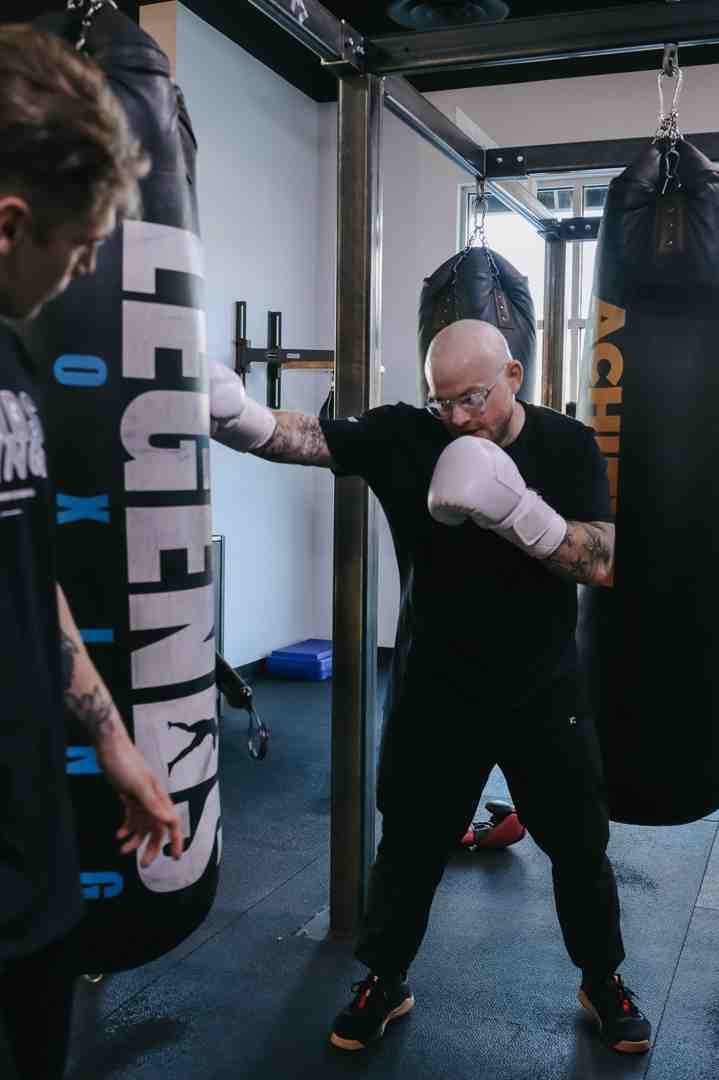
Looking to spice up your fitness routine? Exercising with a punching bag might be just what you need.
It's not only a great way to burn calories, but it also helps you release stress and boost your confidence. Imagine the thrill of each punch, feeling your strength and agility grow. But how do you get started? And how can you make sure you're doing it right to avoid injuries?
Stick around, because we're diving into everything you need to know to effectively exercise with a punching bag. You’ll discover tips, techniques, and the benefits that will keep you motivated and coming back for more. Get ready to unleash your inner fighter!
Benefits Of Punching Bag Workouts
Punching bag workouts offer more than just a way to release stress. They provide a full-body exercise that can transform your fitness routine. By adding punching bag sessions, you can enjoy a range of physical and mental benefits that keep you motivated and energized.
Boosting Cardiovascular Health
Hitting the punching bag gets your heart pumping fast. It’s a high-intensity workout that improves your heart and lung function over time. Just a few rounds can increase your stamina and help you recover quicker from intense activity.
Think about how your breathing changes during a session. That’s your cardiovascular system working harder, which strengthens it. Would you believe a 15-minute round can burn as many calories as a quick run?
Enhancing Strength And Endurance
Each punch you throw builds muscle strength, especially in your arms, shoulders, and core. The resistance from the bag forces your muscles to work harder with every hit. Over weeks, you’ll notice your punches feel more powerful and your muscles less tired.
Endurance is another big gain. Punching repeatedly trains your muscles to keep going without fatigue. How long can you keep your energy up in other workouts? Punching bag training can push that limit further.
Improving Coordination And Agility
Punching bag workouts challenge your hand-eye coordination. You learn to time your punches and adjust your movements quickly. This sharpens your reflexes and helps your body move more smoothly.
Agility improves as you shift your weight and change directions to strike the bag. This quick footwork translates well to many sports and everyday activities. Can you feel your balance getting better after a few sessions?
Choosing The Right Punching Bag
Choosing the right punching bag is crucial for effective workouts and injury prevention. The perfect bag matches your fitness goals, space, and skill level. Let's break down what to consider before making your purchase.
Types Of Punching Bags
You’ll find several types of punching bags, each designed for different training needs. Heavy bags are great for building power and endurance, while speed bags improve hand-eye coordination and timing.
There are also double-end bags that help with accuracy and reflexes. Think about what aspect of your workout you want to focus on before picking a style.
Size And Weight Considerations
Size and weight impact how the bag moves and feels during your workout. Heavier bags, usually 70 to 100 pounds, offer more resistance but require more strength to move.
Lighter bags, around 40 to 60 pounds, swing more and help improve speed and technique. If you’re just starting out, a medium-weight bag might balance power and control well.
Material And Durability
The bag’s material affects its lifespan and how it handles repeated strikes. Genuine leather bags last long and feel great but can be pricey.
Vinyl and synthetic leather are budget-friendly and still quite durable. If you hit hard or train often, investing in a high-quality material saves you money over time.
Essential Gear And Safety Tips
Using the right gear and following safety tips makes punching bag workouts safe and effective. Proper equipment protects your hands and body. Safety habits prevent injuries and improve performance.
Focus on wearing hand wraps and gloves to shield your knuckles and wrists. Choose suitable footwear for balance and movement. Warm-up and stretching prepare your muscles and joints for exercise.
Hand Wraps And Gloves
Hand wraps keep your wrists stable and protect the skin. Wrap your hands tightly but not too tight. Gloves cushion your knuckles from impact. Use gloves designed for punching bags. This gear reduces the risk of bruises and sprains.
Proper Footwear
Wear shoes with good grip and ankle support. Avoid slippery soles that can cause falls. Lightweight shoes help you move quickly around the bag. Proper footwear improves balance and protects your feet.
Warm-up And Stretching
Warm-up raises your heart rate and blood flow. Start with light jogging or jumping jacks for 5 minutes. Stretch your arms, shoulders, and legs gently. Stretching increases flexibility and lowers injury risk. Always warm up before hitting the bag hard.

Credit: m.youtube.com
Basic Punching Techniques
Basic punching techniques form the foundation of any workout with a punching bag. Learning these punches helps improve strength, speed, and coordination. Each punch targets different muscles and requires specific body movements. Practicing them builds confidence and skill in boxing or fitness routines.
Jab
The jab is a quick, straight punch thrown with the lead hand. It helps maintain distance and sets up other punches. Keep your arm slightly bent and snap it out fast. Rotate your fist so the thumb is on top at impact. The jab is a key tool for control and defense.
Cross
The cross is a powerful straight punch thrown with the rear hand. Rotate your hips and shoulders to add force. Step forward slightly with your rear foot for more power. Keep your guard up and extend your arm fully. The cross can deliver strong impact and break through defenses.
Hook
The hook is a punch thrown in a curve with the lead or rear hand. Rotate your body and pivot your feet to generate power. Keep your elbow bent at about 90 degrees. Aim to hit the side of the bag with your knuckles. The hook works well for close-range strikes.
Uppercut
The uppercut is an upward punch thrown with the lead or rear hand. Bend your knees slightly and drop your body for leverage. Drive the punch upward using your legs and hips. Aim for the underside of the bag with your fist. Uppercuts are effective for close combat and lifting power.
Combining Punches Into Combos
Combos mix different punches to increase workout intensity. Start with simple combos like jab-cross or jab-cross-hook. Move smoothly from one punch to the next. Keep your guard up between punches. Combos improve timing, rhythm, and endurance.
Maintaining Proper Form
Good form prevents injuries and maximizes results. Keep your hands up to protect your face. Keep elbows close to your body during punches. Use your whole body, not just your arms. Breathe steadily and stay relaxed. Proper stance and movement boost power and speed.
Structuring A Fat-burning Workout
Structuring a fat-burning workout with a punching bag boosts your calorie burn and builds strength. A well-planned session includes bursts of intense activity, varied movements, and rest periods. This balance keeps your heart rate high and muscles engaged.
High-intensity Interval Training (hiit) Approach
Use short bursts of maximum effort followed by brief rest. For example, punch the bag hard for 30 seconds. Then, rest or move lightly for 15 seconds. Repeat this cycle for 15 to 20 minutes. HIIT increases your metabolism and burns fat faster.
Incorporating Punching And Kicks
Mix punches with kicks to work different muscles. Jab, cross, hook, and uppercut combined with front and side kicks create variety. This variety improves coordination and burns more calories. Keep your movements quick and controlled for best results.
Rest And Recovery Periods
Short rest times improve endurance and prevent injury. Take 30 to 60 seconds to catch your breath between sets. Use this time to hydrate and stretch lightly. Proper recovery helps maintain workout intensity and supports fat loss.
Tracking Progress And Staying Motivated
Tracking your progress and staying motivated are key to making the most out of your punching bag workouts. Without clear markers of improvement, it's easy to lose interest or feel stuck. By regularly checking in on how you’re doing, you can keep your energy high and your goals within reach.
Setting Realistic Goals
Start by setting clear, achievable goals. Instead of aiming to master every combo in a week, focus on improving your punch speed or endurance gradually. Small wins like adding five more punches or lasting an extra minute on the bag build confidence and momentum.
Ask yourself: What do you want to improve first? Strength? Stamina? Technique? Write down your goals and revisit them weekly to adjust as needed. This keeps your workouts purposeful and your progress measurable.
Using Timers And Counters
Timers and punch counters are your best friends in tracking performance. Using a timer helps you stick to rounds and rest periods, mimicking real training sessions. Counters can show how many punches you throw, giving a clear number to improve on.
Try apps or simple stopwatch tools to time your rounds—30 seconds of intense punching followed by 15 seconds of rest, for example. Challenge yourself to increase punches per round or reduce rest time. Seeing these numbers rise keeps motivation alive and workouts focused.
Mixing Up Workouts To Avoid Plateaus
Doing the same routine daily can stall your progress and bore your mind. Change your punching combinations, add footwork drills, or switch between power punches and speed bursts. This not only improves different skills but also makes training exciting.
Think about what part of your workout feels stale. Is it the same jab-cross combo? Try adding hooks or uppercuts. Vary your workout intensity or duration to push your limits without burning out. Keeping your body guessing is essential to avoid plateaus and stay motivated.
Common Mistakes To Avoid
Using a punching bag effectively means avoiding some common pitfalls that can slow your progress or even cause injury. Many beginners jump in with high energy but miss key aspects that make their workouts efficient and safe. Recognizing these mistakes early can keep your training on track and help you build skills faster.
Overtraining And Fatigue
Punching bag workouts can feel addictive, but pushing too hard without rest leads to fatigue and burnout. Your muscles need time to recover, or you risk injury and reduced performance. Pay attention to how your body feels—if your punches lose power or your form slips, it’s time to pause and rest.
Try spacing your sessions with at least one day off between intense workouts. This gives your muscles a chance to heal and grow stronger. Have you noticed a drop in your energy or increased soreness after back-to-back sessions?
Incorrect Punching Techniques
Throwing punches with bad form wastes energy and can cause joint pain. Common errors include locking the elbows, twisting wrists incorrectly, and not rotating the hips. These mistakes reduce your power and increase the risk of injury.
Focus on controlled movements and aim for clean, precise punches. Watching tutorial videos or getting feedback from a trainer can help you spot these errors early. What’s one part of your punching form you think needs improvement?
Neglecting Warm-up And Cool-down
Skipping warm-ups and cool-downs is a frequent mistake that affects your workout quality. Warming up prepares your muscles and joints, reducing injury risk. Cooling down helps your body recover and prevents stiffness.
Start with light cardio and dynamic stretches before hitting the bag. After your session, spend a few minutes stretching and slowing your breathing. How often do you set aside time to warm up or cool down before and after your workouts?

Credit: www.youtube.com

Credit: energiefitness.in
Frequently Asked Questions
How Do I Start Exercising With A Punching Bag?
Begin with a proper warm-up to avoid injuries. Start with basic punches like jabs and crosses. Focus on form and controlled movements. Gradually increase intensity and duration as you build stamina and skill.
What Are The Best Exercises With A Punching Bag?
Best exercises include jabs, crosses, hooks, uppercuts, and kicks. Combine punches in combos for cardio. Use footwork drills to improve agility. Include rest intervals to maximize endurance and power.
How Often Should I Train With A Punching Bag?
Train 3 to 4 times weekly for optimal results. Allow rest days for muscle recovery. Short sessions of 20-30 minutes work well. Consistency improves technique, strength, and cardiovascular fitness.
Can Punching Bag Workouts Improve Weight Loss?
Yes, punching bag workouts burn calories effectively. They combine cardio and strength training. This boosts metabolism and fat burning. Regular sessions help reduce body fat and tone muscles.
Conclusion
Exercising with a punching bag builds strength and improves fitness. It also helps reduce stress and increase focus. Start slow and keep your movements steady. Practice regularly to see real progress. Remember to warm up and stretch before each session.
Stay consistent and listen to your body’s signals. Enjoy the process and watch your skills grow. Punching bag workouts can fit any schedule or level. Stay safe and have fun while staying active.