
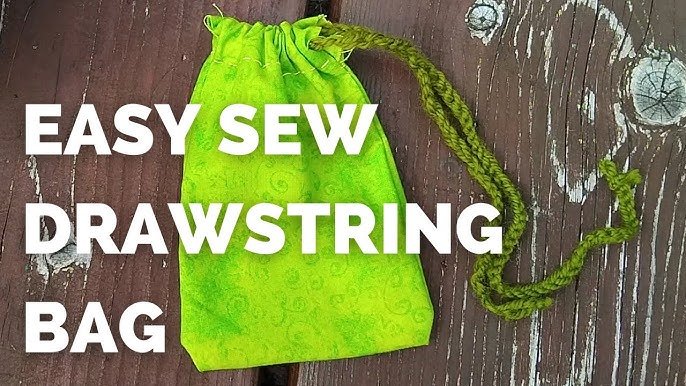
Picture this: you're getting ready for a day out, and just as you grab your favorite drawstring bag, the string slips out. Frustrating, right?
But don't worry, you’re not alone. Many people face this common issue with their beloved bags, and the good news is that it’s an easy fix. Imagine the satisfaction and relief you'll feel once your drawstring bag is back to its original, functional self.
By following a few simple steps, you can save time, money, and the hassle of buying a new bag. Ready to learn how to fix your drawstring bag and make it as good as new? Let’s dive into it!

Credit: www.youtube.com
Common Drawstring Bag Issues
Drawstring bags often show wear and tear after regular use. Certain issues are common and easy to fix with basic tools. Recognizing these problems helps keep your bag functional longer. Below are frequent drawstring bag issues and how they appear.
Frayed Drawstrings
Drawstrings can fray over time due to rubbing and pulling. This makes them weak and prone to breaking. Frayed ends also look messy and catch on fabric. Regular inspection helps catch fraying early. Trimming and sealing ends can prevent further damage.
Torn Fabric
Fabric tears occur from sharp objects or overstretching. Small rips can grow if not repaired quickly. Torn fabric reduces the bag’s strength and usability. Sewing or patching small holes restores the bag’s integrity. Choose strong thread and matching fabric for best results.
Broken Eyelets
Eyelets guide the drawstring and bear its tension. They may crack or fall out with heavy use. Broken eyelets cause the drawstring to slip or get stuck. Replacing eyelets keeps the drawstring running smoothly. Metal or plastic eyelets can be installed with simple tools.
Damaged Seams
Seams bear the load of the bag’s contents. Heavy weight or rough handling can split seams. Damaged seams make the bag unsafe for carrying items. Restitching torn seams with strong thread extends bag life. Use a needle suited for the bag’s fabric type.

Credit: elizabethmadethis.com
Tools And Materials Needed
Fixing a drawstring bag doesn’t require a fancy toolkit. Having the right tools and materials at hand saves you time and frustration. It also ensures your repair looks neat and lasts longer. Let’s look at what you’ll need to get started.
Basic Sewing Kit
A basic sewing kit is your go-to for most drawstring bag repairs. It should include:
- Needles suitable for fabric
- Thread in colors matching your bag
- Scissors for trimming loose threads
- Thimbles to protect your fingers
- Pins to hold fabric in place
I once fixed my torn bag on a trip with just a small sewing kit from my backpack. Having those essentials made it quick and painless.
Replacement Drawstrings
If your drawstring has snapped or worn out, a replacement is a must. Look for cords made from durable materials like nylon or cotton. You can repurpose old shoelaces or purchase ready-made drawstrings in various lengths and colors.
Think about the bag’s use—will it carry heavy items? Choose a thicker drawstring for extra strength. Have you checked your local craft store? They often have surprising options that fit perfectly.
Fabric Glue And Patches
Fabric glue is a handy alternative when sewing isn’t an option. It works well for small tears or loose fabric edges. Pair it with iron-on patches to reinforce weak spots or cover holes.
These materials can save your bag from permanent damage without any sewing skills. Keep in mind, fabric glue isn’t waterproof, so it’s best for light-duty repairs. Have you tried fabric glue on other gear? It might surprise you how strong it holds.
Eyelet Repair Supplies
Drawstrings often pass through metal or plastic eyelets that can loosen or fall off. Eyelet repair kits include:
- Replacement eyelets
- A setting tool
- Hammer or press for installation
Using these tools, you can restore the bag’s drawstring holes to their original strength. If you ignore worn eyelets, your drawstring might slip out again. Do you have eyelets on your bag? Checking them before starting your repair saves hassle later.
Fixing Frayed Or Broken Drawstrings
Frayed or broken drawstrings can turn your favorite bag into a frustrating hassle. But fixing them is easier than you might think, and it saves you from buying a new one. Let’s walk through the simple steps to get your drawstring bag working like new again.
Removing Old Drawstrings
Start by carefully pulling out the old drawstrings. If they are stuck or knotted, use a pair of scissors or seam ripper to cut them close to the openings.
Be gentle to avoid damaging the fabric or the drawstring channel. Removing the old strings completely gives you a clean slate to work on.
Measuring And Cutting New Strings
Measure the length of the old drawstring to determine how long the new one should be. If the old string is missing, use the bag’s circumference and add a few extra inches for tying knots.
Choose a strong, durable cord or ribbon that matches your bag’s style. Cut the new string cleanly to avoid fraying, and consider sealing the ends with a little clear nail polish or heat from a lighter.
Threading Drawstrings Back
Thread the new drawstring through the bag’s channel using a safety pin or a bodkin. Attach the pin securely to one end of the string to help guide it smoothly.
Take your time and gently push the pin through until the drawstring comes out the other side. Once threaded, tie knots at the ends to keep the string from slipping back inside.
Have you ever tried threading a drawstring without tools? It’s tricky! Using a pin makes the process much quicker and less frustrating.

Credit: www.jordanmariepowers.com
Repairing Torn Fabric
Torn fabric on a drawstring bag can make it unusable. Fixing these tears quickly saves money and extends the bag’s life. Repairing fabric needs simple tools and some patience. Small tears require gentle hand stitching to keep the bag strong. Larger holes need fabric patches for a neat look. For extra strength, fabric glue helps hold the repairs firmly. Each method suits different damage sizes and types. Choose the best way based on your bag’s tear.
Hand Stitching Small Tears
Hand stitching is perfect for tiny tears. Use a needle and thread matching your bag’s color. Thread the needle and tie a knot at the end.
- Start stitching a little before the tear.
- Use small, close stitches to pull fabric edges together.
- Keep stitches tight but not too tight to avoid puckering.
- Finish past the tear and tie a secure knot.
- Trim any extra thread for a clean finish.
This method keeps the tear hidden and restores strength. It works best for tears less than 2 inches long.
Using Fabric Patches For Larger Holes
Larger holes need fabric patches to cover and strengthen. Pick a patch made of similar material and color.
- Cut the patch about 1 inch larger than the hole.
- Place the patch inside the bag or on the outer side.
- Sew around the patch edges with strong thread.
- Use a tight, even stitch for durability.
- Check that the patch lies flat and covers the hole fully.
Fabric patches protect the bag from more damage. They work well for holes bigger than 2 inches.
Applying Fabric Glue For Reinforcement
Fabric glue adds extra hold to stitched repairs. It also works alone for very small rips or frayed edges.
- Clean the area and let it dry before applying glue.
- Apply glue sparingly on the tear or patch edges.
- Press fabric layers firmly together for a few minutes.
- Let the glue dry completely as per instructions.
- Avoid using the bag until glue sets fully.
Fabric glue strengthens repairs and prevents loose threads. It is a quick fix for light damage and reinforcement.
Replacing Or Repairing Eyelets
Replacing or repairing eyelets keeps your drawstring bag functional and neat. Eyelets hold the strings and reduce fabric wear. Fixing them restores the bag’s strength and look. This process is simple and saves money.
Removing Damaged Eyelets
First, check the eyelets for damage like rust or bending. Use pliers to gently pull the eyelet apart. Push the back side out carefully to avoid tearing the fabric. Clean the hole to remove any leftover material. Make sure the area is smooth for the new eyelet.
Installing New Eyelets
Choose eyelets that fit the bag’s hole size. Place the eyelet through the hole from the front side. Position the washer on the back side to secure it. Use an eyelet setter or hammer with a firm surface. Tap gently until the eyelet is tight and flat. Check that it holds the fabric firmly without damage.
Alternative Solutions Without Eyelets
Eyelets are useful but not the only option. Sew small fabric loops or reinforced holes instead. Use strong thread and double stitch for durability. Another option is to attach metal rings with fabric glue. These methods avoid metal parts and keep the bag light. They work well for light to medium use.
Strengthening And Reseaming
Strengthening and reseaming your drawstring bag is key to extending its life and keeping your belongings safe. Weak seams can easily give way under stress, but with the right approach, you can reinforce these areas effectively. Taking time to strengthen seams not only fixes the problem but also prevents future damage.
Reinforcing Weak Seams
Start by closely inspecting your bag’s seams for any signs of wear or small tears. Use a strong fabric glue or iron-on patches on the inside of the bag to add an extra layer of support before sewing. This approach helps distribute tension and reduces the chance of the seam ripping again.
Have you ever noticed how some bags start fraying exactly where the drawstring pulls the hardest? Reinforcing those spots early can save you from a complete seam failure later.
Using A Sewing Machine For Durable Repairs
If you own a sewing machine, it’s your best tool for creating strong, lasting repairs. Set your machine to a straight stitch and sew slowly along the damaged seam, overlapping the original stitching by at least half an inch on both sides.
Use a heavy-duty needle and polyester thread designed for thick fabrics to avoid breaking threads during use. This technique creates a reinforced seam that will hold up even under daily wear and tear.
Adding Extra Stitching For Longevity
Extra stitching adds durability and gives your drawstring bag a professional finish. Try sewing a double seam or use a zigzag stitch along the edges to secure the fabric better.
You might also consider stitching a box or an X pattern at stress points where the drawstring ties attach. This distributes the load and dramatically reduces the risk of future seam failures.
Tips For Maintaining Drawstring Bags
Maintaining your drawstring bag well can save you from frequent repairs and extend its life significantly. Simple habits and small efforts make a big difference in keeping your bag functional and looking fresh. Here are some practical tips to help you care for your drawstring bags effectively.
Proper Cleaning Techniques
Cleaning your drawstring bag regularly prevents dirt buildup and fabric damage. Use a gentle detergent and cold water to hand wash the bag, avoiding harsh chemicals that can weaken the material.
Spot clean stains promptly using a soft cloth and mild soap. If your bag is machine washable, place it inside a laundry bag and select a delicate cycle to protect the strings and seams.
Regular Inspections And Early Repairs
Check your drawstring bag often for signs of wear like frayed cords or loose stitching. Catching these issues early allows you to fix them before they worsen.
Have you ever ignored a small tear only to find it turned into a huge hole? Repair minor damage with a needle and thread or use fabric glue for quick fixes to keep your bag in good shape.
Storage Suggestions To Prevent Damage
Store your drawstring bag in a cool, dry place away from direct sunlight to prevent fading and material breakdown. Avoid hanging it by the strings for long periods, as this can stretch or weaken them.
Instead, fold your bag neatly and place it on a shelf or inside a drawer. This helps maintain its shape and protects it from accidental snags or tears.
Frequently Asked Questions
How Do I Repair A Torn Drawstring Bag?
To fix a torn drawstring bag, sew the tear with a strong needle and thread. Use a backstitch for durability. If the fabric is thin, add a patch before sewing to reinforce the area and prevent further damage.
Can I Replace A Broken Drawstring Cord?
Yes, you can replace a broken drawstring cord. Remove the old cord and measure a new one of similar length. Use a safety pin to thread the new cord through the bag’s channel easily.
What Materials Are Best For Fixing Drawstring Bags?
Strong polyester or nylon thread works best for repairing drawstring bags. For patches, use durable fabric like canvas or denim. These materials withstand wear and tear, extending the bag’s life.
How To Prevent Drawstring Bags From Tearing Again?
Avoid overloading the bag to prevent tears. Reinforce weak areas with fabric patches or extra stitching. Handle the drawstring gently to reduce stress on the seams and fabric.
Conclusion
Fixing a drawstring bag can be simple and quick. Small tears or broken strings do not mean the bag is useless. With basic tools and a little time, you can restore its function. Regular care helps your bag last longer and stay strong.
Try these easy steps to keep your bag ready for daily use. Remember, a little effort saves money and waste. Keep your drawstring bag working well and enjoy its convenience every day.