
Are you ready to unleash your inner fighter and get fit at the same time? Hitting a boxing bag is not just about throwing punches; it’s an incredible workout that challenges your body and sharpens your mind.
Whether you’re a beginner or looking to refine your technique, knowing how to hit a boxing bag effectively can make all the difference in your training. Imagine feeling the adrenaline rush and the satisfaction of each punch connecting perfectly. It’s not just a physical activity; it’s a mental boost, a stress reliever, and a confidence builder.
Dive into this guide, and discover how mastering the art of hitting a boxing bag can transform your fitness routine and empower your life. Are you ready to feel the power in every punch? Let’s get started!

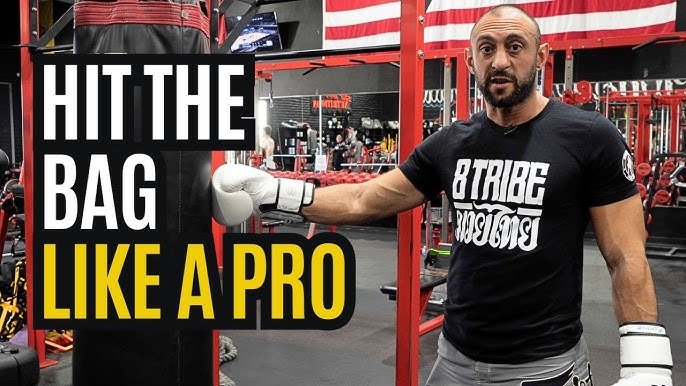
Credit: www.youtube.com
Choosing The Right Boxing Bag
Choosing the right boxing bag is key for effective training. It affects your technique, power, and safety. The right bag matches your skill level, workout goals, and space. Picking the perfect bag helps you improve faster and enjoy every session.
Types Of Bags
Boxing bags come in several types. Each serves a different purpose.
- Heavy bags:Great for power punches and strength. They weigh 70 to 150 pounds.
- Speed bags:Small and light. They improve hand speed and timing.
- Double-end bags:Bounce back quickly. They help with accuracy and reflexes.
- Uppercut bags:Shaped for practicing uppercuts and close punches.
Bag Weight And Size
Bag weight should suit your body weight and skill. Light bags are better for beginners and technique. Heavy bags help build power and endurance.
| Boxer Weight | Recommended Bag Weight |
|---|---|
| Under 150 lbs | 40 to 70 lbs |
| 150 to 200 lbs | 70 to 100 lbs |
| Over 200 lbs | 100 to 150 lbs |
Bag size also matters. Longer bags work well for kicks and punches. Shorter bags fit smaller spaces.
Setting Up Your Bag
Place the bag in a spot with enough room around it. Make sure it hangs securely from a strong beam or stand.
Check the height. It should match your shoulder level for best practice. Use heavy-duty chains or straps to avoid accidents.
Keep the area clear. This prevents injuries and helps your movement during training.
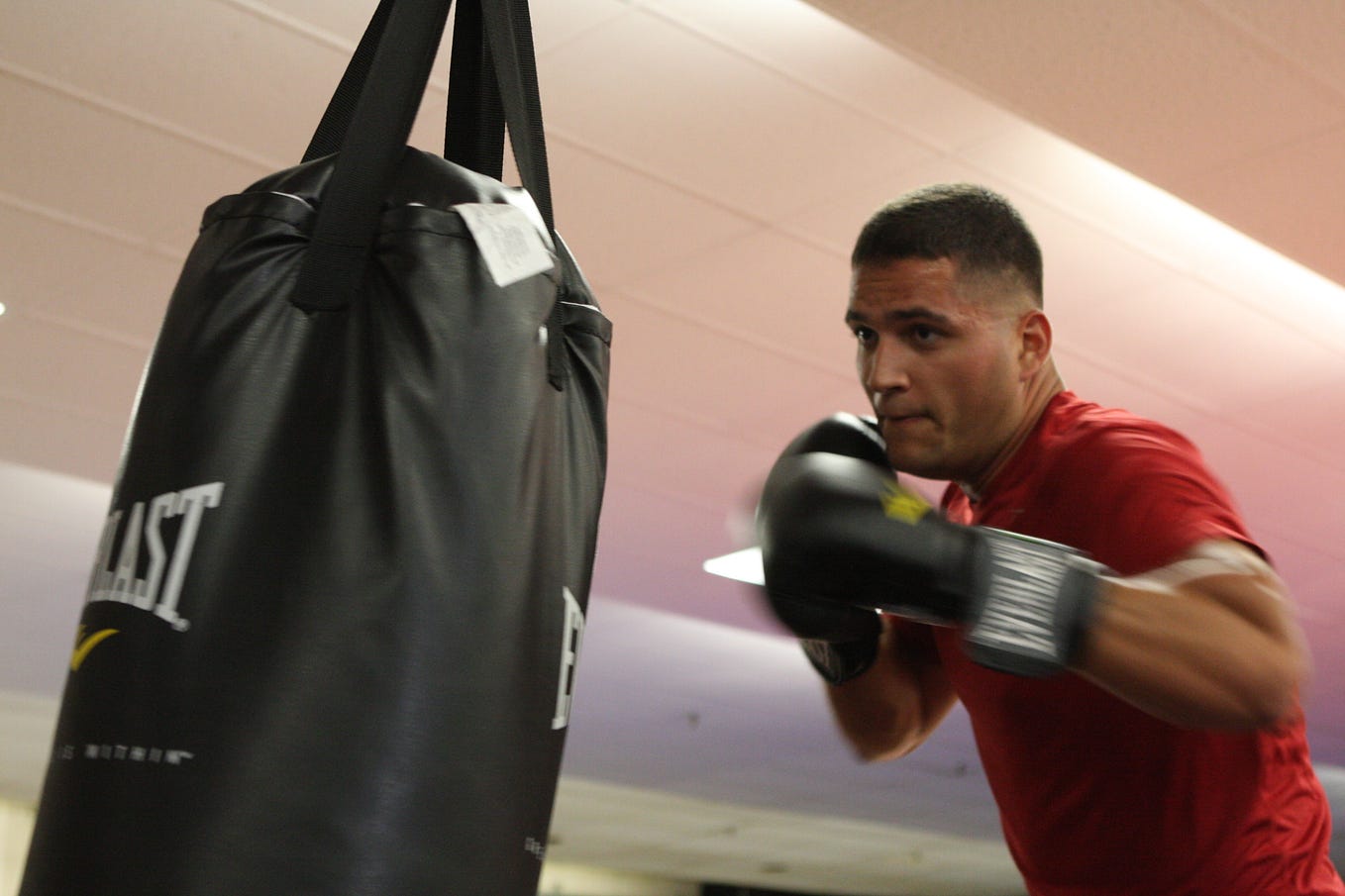
Credit: boxingathome.medium.com
Proper Stance And Footwork
Proper stance and footwork form the base of effective boxing. Without solid footing, punches lose power and control. Good stance helps keep balance and protects the body. Footwork allows you to move quickly and stay in range of the bag. Focus on these basics to improve your bag work.
Finding Your Balance
Balance means steady weight on your feet. Stand with feet shoulder-width apart. Keep knees slightly bent. Distribute weight evenly between both feet. Your body should feel stable but relaxed. This stance helps absorb punches and deliver strong hits.
Basic Foot Positions
- Lead foot points forward at the bag.
- Rear foot placed slightly back and angled outward.
- Heels stay on the ground for better grip.
- Feet about one foot-length apart for stability.
This position offers a strong base. It supports your punches and quick moves.
Moving While Punching
Keep your feet active. Step with the lead foot first when moving forward. Follow with the rear foot to maintain stance. Slide feet gently to avoid losing balance. Pivot on the balls of your feet when changing direction. This movement keeps you ready and strong.
Basic Punches To Master
Learning the basic punches builds a strong foundation in boxing. These punches help improve speed, power, and technique. Practice them regularly to increase your confidence and skill at the bag.
Jab Technique
The jab is a quick, straight punch thrown with your lead hand. Keep your elbow close to your body as you extend your arm fast. Snap your fist out and bring it back quickly to guard your face. Stay balanced and push off your back foot to add reach.
Cross Punch
The cross is a powerful straight punch thrown with your rear hand. Rotate your hips and shoulders as you extend your arm. Keep your other hand up to protect your face. Transfer your weight from back foot to front foot to add force. Aim for speed and accuracy rather than just strength.
Hooks And Uppercuts
Hooks are short punches thrown with a bent arm. Swing your arm sideways while turning your body. Keep your wrist straight and your elbow up. Uppercuts move upward, targeting under the opponent’s chin. Drop your body slightly and drive your fist up using your legs and hips. Both punches work well close to the bag.
Combining Punches For Power
Combining punches creates more force than throwing single hits. It builds momentum and keeps the opponent off balance. Using combos trains your body to move fluidly, increasing power and speed. Practice smooth transitions between punches for maximum effect.
Punch Combinations
Mix different punches like jabs, crosses, hooks, and uppercuts. Common combos include:
- Jab, cross
- Jab, cross, hook
- Cross, hook, uppercut
These sequences help you deliver stronger hits by linking moves. Repeating combos builds muscle memory and sharpens accuracy.
Timing And Rhythm
Timing controls when to strike for the best impact. Rhythm keeps your punches flowing smoothly. Work on:
- Pausing briefly before a powerful punch
- Varying speed between punches
- Matching your breath to your strikes
This approach helps your punches land harder and faster.
Using Hips And Shoulders
Power comes from your whole body, not just your arms. Rotate your hips and shoulders with each punch. This movement adds weight and force.
Keep your feet steady while turning your body. Your hips should lead the motion, followed by your shoulders and arms. This technique maximizes punch strength and reduces arm fatigue.
Breathing And Endurance Tips
Breathing and endurance play a huge role in how effectively you hit a boxing bag. Proper breathing keeps your muscles fueled with oxygen, while good endurance lets you maintain power and speed throughout your workout. Without these, you’ll tire quickly and lose form, which can lead to injuries or less progress.
Breathing Techniques
Focus on controlled, rhythmic breathing while punching. Exhale sharply every time your fist connects with the bag—this helps tighten your core and deliver stronger hits.
Try breathing out through your mouth instead of your nose to get rid of carbon dioxide faster. It might feel strange at first, but it prevents breath-holding, which often causes early fatigue.
Have you noticed how some boxers grunt or make sharp sounds when they punch? This isn’t just for show; it helps synchronize breath with movement and maintain rhythm.
Building Stamina
Start by pacing your rounds with timed intervals. For example, punch hard for 30 seconds, then go lighter for 15 seconds before ramping back up.
Add variety to your bag sessions by mixing fast combinations with slower, powerful punches. This challenges your cardiovascular system and builds endurance faster.
Remember, consistency beats intensity. Practicing three times a week for 20 minutes builds stamina better than one long, exhausting session.
Avoiding Fatigue
Monitor your form closely. Tiring muscles lead to sloppy punches and wasted energy.
Take short breaks when needed—don’t push through exhaustion. Even 15 seconds of rest can help reset your breathing and keep your technique sharp.
Stay hydrated and fuel your body properly before training. Dehydration and low energy cause fatigue way quicker than you might expect.
Common Mistakes To Avoid
Hitting a boxing bag is more than just throwing punches. Many beginners make common mistakes that reduce their training quality. Avoiding these errors helps improve technique and prevent injuries. Focus on proper form and control for better results.
Overextending Punches
Stretching your arm too far causes loss of power. It also puts stress on your shoulder and elbow. Keep your punches short and controlled. Aim for a snap rather than a reach. This keeps your balance and speed intact.
Poor Hand Position
Incorrect hand placement weakens your punches. Always keep your wrist straight and aligned with your forearm. Bent wrists increase the risk of injury. Protect your knuckles by wrapping hands properly before training.
Ignoring Defense
Boxing is not just about offense. Neglecting defense leaves you open to counterattacks. Keep your other hand up to guard your face. Move your head and body to avoid hits. Practice defense along with punching for full skill development.
Improving Speed And Accuracy
Improving your speed and accuracy when hitting a boxing bag transforms your training from basic exercise into skill-building practice. Speed lets you land punches faster and catch your opponent off guard. Accuracy ensures each hit counts, targeting the right spot with precision.
Speed Drills
Speed drills push your hands to move quicker without losing control. Try rapid-fire punches in short bursts—like throwing 10 jabs as fast as possible, then resting briefly. This helps your muscles adapt to fast movements and builds endurance.
Shadowboxing with light weights also adds resistance, making your punches faster when you remove the weights. Remember, speed isn’t just about throwing punches fast; it’s about snapping your hand back quickly to guard yourself.
Focus And Targeting
Focus sharpens your mind and body on the exact spot you want to hit. Pick a small target area on the bag and aim all your punches there. This trains your brain to connect with your muscles for precise hits.
Practice different combinations but keep your eyes locked on the target. This improves hand-eye coordination and makes your strikes more effective in real fights or competitions.
Using Visual Cues
Visual cues help you anticipate and react faster. Some boxers mark spots on the bag with tape or stickers to simulate an opponent’s vulnerable areas. This makes your training more dynamic and challenges your accuracy under pressure.
Try shifting your gaze quickly between targets to improve your reaction time. Have you noticed how your focus sharpens when you train with specific visual points? This simple trick can make a big difference in your bag work.

Credit: www.youtube.com
Incorporating Bag Work Into Training
Incorporating bag work into training builds strength and sharpens technique. It offers a focused way to practice punches and footwork. Regular sessions help develop timing, speed, and endurance. Consistency is key to gaining the most benefits from bag work.
Warm-up Routines
Start with light cardio to increase blood flow. Jump rope or jog in place for five minutes. Follow with dynamic stretches for shoulders, arms, and legs. Add shadowboxing to prepare your muscles and practice movements. Proper warm-up reduces injury risk and improves performance.
Structured Workouts
Plan bag sessions with clear goals. Alternate between power punches and quick combinations. Use rounds of two to three minutes with rest breaks. Include drills focusing on specific punches like jabs or hooks. Mix in movement around the bag to simulate real fights.
Tracking Progress
Keep a training log to record session details. Note punches thrown, rounds completed, and how you feel. Track improvements in speed, power, and stamina. Review your log weekly to adjust workouts and set new goals. Progress tracking keeps motivation high and ensures steady gains.
Frequently Asked Questions
How Do I Properly Position My Hands On A Boxing Bag?
Place your hands at chin level with wrists straight. Wrap your thumbs outside your fists to protect them. Keep elbows close to your body. This ensures better control and reduces injury risk while hitting the bag.
What Is The Best Stance For Hitting A Boxing Bag?
Stand with feet shoulder-width apart, one foot slightly forward. Keep knees slightly bent for balance. Distribute weight evenly and stay light on your toes. This stance improves power and mobility when striking the bag.
How Can I Increase Power When Hitting A Boxing Bag?
Use your hips and core to generate force. Rotate your body with each punch instead of relying on arm strength. Keep your punches quick and precise. This technique maximizes power and efficiency during your workout.
How Long Should I Practice Hitting A Boxing Bag?
Start with 3 rounds of 3 minutes each, resting 1 minute between rounds. Gradually increase duration as stamina improves. Consistency over time builds strength, technique, and endurance.
Conclusion
Hitting a boxing bag takes practice and patience. Focus on your stance, speed, and power. Keep your hands up and stay light on your feet. Practice different punches to build strength and skill. Breathe steadily and move with purpose. Regular training improves your technique and fitness.
Stay consistent, and you will see progress. Enjoy the process and keep pushing yourself. Boxing is about discipline and fun. Keep hitting the bag, and you will get better every day.