
Are you planning your next adventure and want to avoid any baggage mishaps at the airport? You're not alone.
Many travelers face the frustrating challenge of ensuring their suitcase meets airline size regulations. But don't worry, measuring your suitcase doesn't have to be a headache. By taking a few simple steps, you can ensure a smooth check-in process and eliminate any extra fees or delays.
In this guide, we'll reveal the straightforward techniques to accurately measure your suitcase, so you can travel with confidence. Ready to make your travel experience stress-free? Let's dive right in and explore how you can master this essential travel skill.

Credit: fr.cabinzero.com
Suitcase Size Basics
Understanding the basics of suitcase size helps avoid travel troubles. Airlines have strict rules about luggage dimensions. Measuring your suitcase correctly saves time and money. It ensures your bag fits airline requirements. Knowing the basics makes packing easier and stress-free.
Key Dimensions To Measure
Measure three parts of your suitcase. These include:
- Height:From bottom to top, including wheels.
- Width:Across the suitcase at its widest point.
- Depth:From front to back, including handles.
Use a tape measure for accuracy. Measure the suitcase when fully packed. Airlines check the total size, not just the empty bag.
Why Size Matters For Airlines
Airlines set size limits for safety and space. Oversized luggage may cause extra fees or be rejected. Carry-on bags have strict size rules for overhead bins. Checked bags must fit in airline containers. Measuring avoids surprises at the airport.
Properly sized luggage helps you travel smoothly. It saves money and prevents delays. Knowing size rules improves your travel experience.
Tools For Measuring Suitcases
Measuring your suitcase correctly helps avoid extra fees at the airport. Using the right tools makes this task simple and accurate. Several tools work well for measuring suitcases. Choose one that fits your needs and is easy to use.
Using A Tape Measure
A tape measure is the best tool for measuring suitcase dimensions. It shows length, width, and height clearly. Flexible tape measures wrap around corners easily. This helps measure curved or soft-sided bags accurately.
Use the tape measure to check the suitcase’s:
- Height from bottom to top
- Width from side to side
- Depth from front to back
Record each measurement in inches or centimeters. Compare these numbers to airline size limits. This ensures your suitcase meets airline requirements.
Alternative Measuring Tools
If you don’t have a tape measure, other tools can work. A ruler or yardstick helps but may be less flexible. Use them for straight edges and flat suitcases.
Another option is a piece of string. Wrap it around the suitcase edges, then measure the string length with a ruler. This method works well for bulky bags.
Smartphone apps with measuring features are useful too. These apps use your phone’s camera to estimate dimensions. Accuracy varies, so double-check with a physical tool if possible.
Step-by-step Measuring Guide
Knowing how to measure your suitcase correctly can save you from unexpected fees or last-minute repacking at the airport. Airlines often have strict size limits, and even a small miscalculation can make a big difference. Follow these simple steps to get the exact dimensions of your luggage, including the parts you might overlook.
Measuring Height
Place your suitcase upright on a flat surface. Use a tape measure to find the distance from the bottom of the wheels to the top of the suitcase. Remember to measure the highest point, which might be a handle or a hard shell edge.
Measuring Width
Measure across the suitcase at its widest point. This usually means measuring from one side to the other, including any side pockets or bulges. Don’t forget to keep the tape straight and not angled, as that can give you an inaccurate reading.
Measuring Depth
This is the distance from the front to the back of the suitcase. Lay the tape measure flat against the suitcase’s side and pull it straight across the thickest part. Make sure to include any protrusions like external pockets or straps that add to the depth.
Including Wheels And Handles
Many travelers forget to include wheels and handles in their measurements, but airlines count these too. Measure the wheels from the bottom of the suitcase to ensure they’re part of the height. Then, add any extended handles or fixed handles to your total dimensions.
Have you ever been surprised by a suitcase that looked small but didn’t fit airline requirements? Careful measuring can prevent that. Grab your tape measure and double-check—your wallet and travel mood will thank you.
Airline Size Restrictions
Airlines enforce size restrictions on luggage to ensure safety, efficiency, and comfort during flights. Knowing these limits before you pack can save you from unexpected fees and hassle at the airport. Understanding airline size restrictions helps you choose the right suitcase and pack smartly.
Carry-on Luggage Limits
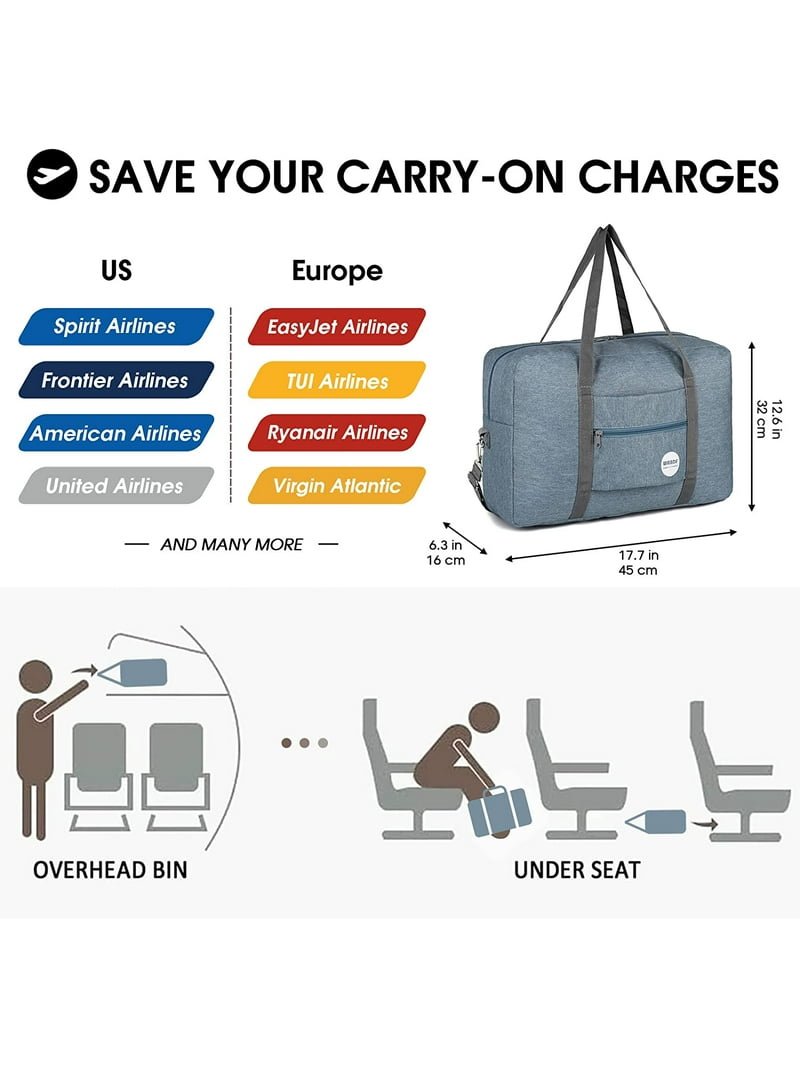
Carry-on luggage usually has strict size limits because it needs to fit in overhead bins or under the seat. Most airlines allow carry-ons around 22 x 14 x 9 inches(56 x 36 x 23 cm), but this can vary. Weight restrictions often apply too, with limits typically between 15 to 22 pounds (7 to 10 kg).
Have you ever tried to shove an oversized bag into the overhead bin only to be told to check it? That’s a frustrating experience you can avoid by measuring your suitcase carefully. Use a tape measure to check the height, width, and depth including wheels and handles.
Checked Baggage Size Rules
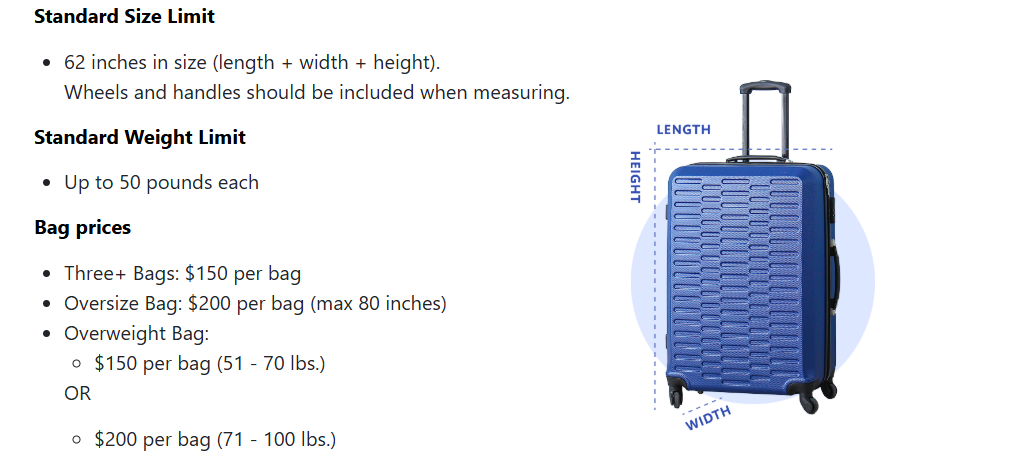
Checked baggage size limits are more generous but still capped to prevent damage and delays. Airlines often use a total linear measurement rule, adding length + width + height. For many carriers, the maximum is 62 linear inches(158 cm).
Remember, even if your suitcase fits the size limit, exceeding the weight limit can cause extra fees. Typical weight limits range from 50 to 70 pounds (23 to 32 kg). Always check your airline’s specific rules before your trip to avoid surprises at the check-in counter.
Regional Differences
Size restrictions aren’t the same worldwide. European carriers sometimes allow smaller carry-ons compared to U.S. airlines. Low-cost airlines often have tighter restrictions to maximize cabin space.
For example, Ryanair limits carry-ons to just 10 x 15 x 7 inches (25 x 38 x 20 cm) unless you pay extra. Meanwhile, some Asian airlines offer more generous size and weight allowances. Always verify the airline’s website for the most accurate and current rules.
Are you ready to measure your suitcase and pack like a pro? Knowing these size restrictions turns packing from a guessing game into a smooth start for your journey.
Common Suitcase Sizes Explained
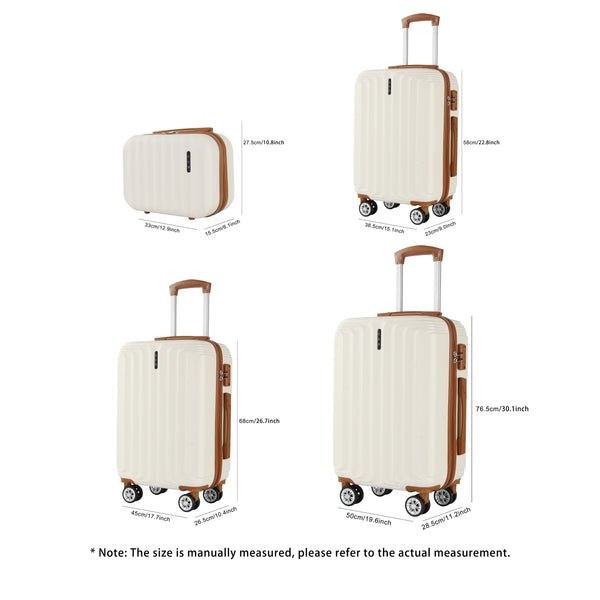
Suitcase sizes vary widely. Choosing the right size helps avoid extra fees and travel stress. Airlines have specific size rules for carry-ons and checked luggage. Understanding common suitcase sizes makes packing easier. It also ensures your bag fits airline limits.
Small Carry-on Options
Small carry-on bags usually measure around 22 x 14 x 9 inches. These fit in overhead bins on most planes. Ideal for short trips or weekend travel. They hold essentials like clothes, toiletries, and electronics. Lightweight and easy to carry through airports.
Medium Checked Bags
Medium checked suitcases often measure 24 to 26 inches tall. Suitable for one-week trips or longer. These bags offer more space for extra clothes and shoes. Airlines may charge fees based on weight or size. Check airline rules to avoid surprises at check-in.
Large Suitcases For Extended Travel
Large suitcases range from 27 to 30 inches or more. Perfect for long trips or family vacations. They provide ample room for bulky items and souvenirs. Heavy and less convenient to carry. Confirm airline size and weight limits before packing.

Credit: fr.cabinzero.com
Tips To Choose The Right Suitcase
Choosing the right suitcase can make your travel experience smoother and less stressful. The right size and type of bag help you avoid extra fees and packing headaches. Here are some practical tips to help you pick a suitcase that fits your trip perfectly.
Matching Bag Size To Trip Length
Think about how long you’ll be traveling. A weekend trip usually needs just a carry-on, while a week-long vacation might require a medium-sized suitcase. If you pack light, you might even squeeze a longer trip into a smaller bag.
Ask yourself: Do you tend to bring extras like shoes or gadgets? Those items take up space, so factor them in when choosing your bag size. It’s better to have a little extra room than to struggle with an overstuffed suitcase.
Considering Airline Policies
Each airline has its own rules about suitcase dimensions and weight limits. These rules can vary widely, especially between domestic and international flights. Check your airline’s baggage policy before buying a suitcase to avoid surprise fees at the airport.
Remember, some airlines charge for checked bags but allow free carry-ons, while others have strict size limits for both. Have you ever paid an unexpected baggage fee? Avoid that hassle by matching your suitcase size to the specific airline rules.
Maximizing Packing Efficiency
Choosing the right suitcase goes beyond size. The internal design matters a lot for organizing your belongings. Look for bags with compartments, compression straps, or expandable sections to help you pack smart.
Rolling clothes instead of folding can save space and reduce wrinkles. Also, use packing cubes to keep items organized and easy to find. How much easier would your travel be if you could grab exactly what you need without unpacking everything?
Avoiding Extra Fees
Extra fees can quickly turn a budget-friendly trip into an expensive one. Airlines charge you more when your suitcase exceeds their size or weight limits. Knowing how to measure your suitcase correctly helps you avoid these surprise costs and travel stress-free.
How Size Affects Baggage Charges
Airlines set strict size limits for both carry-on and checked luggage. If your suitcase is even an inch over the allowed dimensions, expect to pay extra fees. These charges can range from $30 to over $100 depending on the airline and route.
Keep in mind that size limits include wheels and handles. Some travelers forget to add these parts when measuring, leading to unexpected fees at the airport. Have you ever measured your bag without the handles only to be caught off guard later?
Strategies To Stay Within Limits
- Use a tape measure:Measure height, width, and depth of your suitcase including handles and wheels.
- Choose soft-sided luggage:These can compress slightly to fit into tight spaces, unlike hard cases.
- Pack smarter:Avoid overstuffing your suitcase to keep it within size and weight limits.
- Check airline rules:Different airlines have different size restrictions, so verify before you pack.
Have you tried weighing your luggage at home? A simple bathroom scale can save you from overweight fees. If your suitcase edges over the limit, shifting a few items to your carry-on might save you money and hassle.
Trends And Updates For 2026
Travel rules and suitcase styles change every year. Airlines update their size limits to fit more passengers comfortably. Suitcase makers create new designs that suit these rules. Knowing the latest trends helps travelers pick the right luggage and avoid extra fees.
New Airline Size Policies
Many airlines have adjusted their carry-on and checked bag size limits for 2026. Some now allow slightly larger carry-ons but with stricter weight limits. Others have introduced fees for bags that used to be free. Always check the airline’s website before packing.
Common size limits for carry-ons are around 22 x 14 x 9 inches. Checked bags often must not exceed 62 linear inches (length + width + height). These rules aim to improve boarding speed and safety.
Innovations In Suitcase Design
Suitcase makers focus on lightweight materials and flexible sizes. Expandable compartments help travelers adjust luggage size during the trip. Smart suitcases with built-in scales and GPS tracking are more popular.
New designs include:
- Hard shells with shock absorption
- 360-degree spinner wheels for easy movement
- Modular compartments for better organization
- Eco-friendly materials for sustainability
These innovations help travelers pack smarter and comply with airline rules.

Credit: fr.cabinzero.com
Frequently Asked Questions
How Do I Measure Suitcase Dimensions For Airlines?
Measure the suitcase’s length, width, and height using a tape measure. Include wheels and handles for accurate size. Airlines use these combined dimensions to check size limits.
What Suitcase Size Is Allowed For Carry-on Luggage?
Most airlines allow carry-ons up to 22 x 14 x 9 inches. Check your airline’s website for exact size rules to avoid extra fees or gate check.
Why Include Wheels When Measuring Suitcase Size?
Wheels add to the suitcase’s overall dimensions. Excluding them can cause your bag to exceed airline size limits, leading to additional charges or denied boarding.
How To Measure A Soft-sided Suitcase?
Use a tape measure to find the fullest points of length, width, and height. Compress the soft sides slightly, but measure as it will be packed.
Conclusion
Measuring your suitcase correctly helps avoid extra airline fees. Check length, width, and height carefully before packing. Use a tape measure for best results. Remember to include wheels and handles in your measurements. Each airline has specific size rules. Follow them to make your travel smooth.
Double-check measurements to prevent surprises at the airport. Carrying the right-sized suitcase saves time and stress. Simple steps lead to better travel experiences. Keep these tips in mind for your next trip.