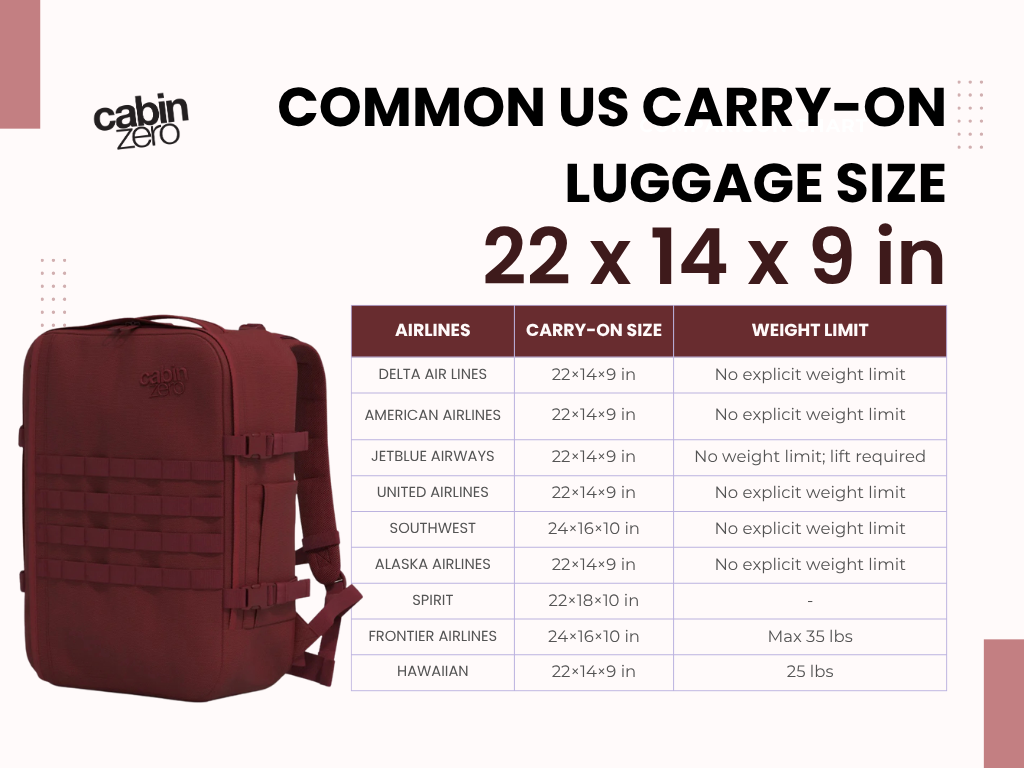

Finding the perfect backpack isn't just about style; it’s crucial for comfort and functionality too. But how do you ensure it’s the right size for your needs?
If you've ever struggled with a backpack that just didn't fit right or couldn't carry all your essentials, you're not alone. Measuring a backpack correctly can save you from discomfort and inconvenience. Imagine a backpack that feels like it was custom-made for you, fitting all your items perfectly without straining your shoulders.
In this guide, you'll discover simple yet effective ways to measure backpack size, ensuring you choose the best fit every time. Dive in to uncover the secrets to a perfect backpack fit!

Credit: www.amazon.com
Why Backpack Size Matters
Choosing the right backpack size is essential for comfort and convenience. A backpack too big or too small can cause problems during use. The right size helps carry all your items without feeling heavy or bulky. It also supports your back and shoulders properly.
Understanding why backpack size matters can help you make a better choice. It can improve your experience whether you travel, hike, or use it daily. Size affects storage, weight distribution, and overall comfort.
Comfort And Support
A backpack that fits well reduces strain on your body. It balances the load evenly across your shoulders and back. This prevents pain and fatigue during long use. A proper size keeps the backpack close to your body, improving stability.
Storage Capacity
Backpack size determines how much you can carry. A small backpack may not hold all your essentials. A large backpack can be too heavy and bulky. Choosing the right size helps organize your items efficiently without overpacking.
Activity Suitability
Different activities need different backpack sizes. Hiking backpacks are usually larger for gear and supplies. Daypacks are smaller for light carrying needs. Matching size to activity ensures better performance and convenience.
Ease Of Movement
A correctly sized backpack allows easy movement. Oversized backpacks can limit your mobility and balance. Smaller backpacks offer more freedom but less storage. The right size keeps you agile and comfortable.
Key Backpack Measurements
Knowing the key measurements of a backpack helps you pick the right size. It ensures comfort and enough space for your items. Focus on volume, dimensions, and weight capacity to find the perfect fit.
Volume In Liters
Volume shows how much the backpack can hold. It is measured in liters. A higher number means more space. Small backpacks range from 10 to 20 liters. Medium backpacks hold 20 to 40 liters. Large backpacks can carry 40 liters or more. Choose volume based on how much you need to carry.
Dimensions To Consider
Length, width, and depth are the main dimensions. These tell how big the backpack is overall. Length is the height from bottom to top. Width measures side to side. Depth is the thickness or how far it sticks out. Check these to make sure the backpack fits your body and gear.
Weight Capacity
Weight capacity means how much weight the backpack can safely carry. It depends on the materials and design. Carrying too much can cause discomfort or damage. Look for a weight limit on the label. Pick a backpack that matches the weight of your usual load.
Measuring Your Body For Fit
Getting the right backpack fit starts with knowing your body measurements. A well-fitted backpack feels like it’s part of you, not something you’re dragging around. Taking accurate measurements of your torso, hips, and shoulders can make all the difference in comfort and support during your adventures.
Torso Length
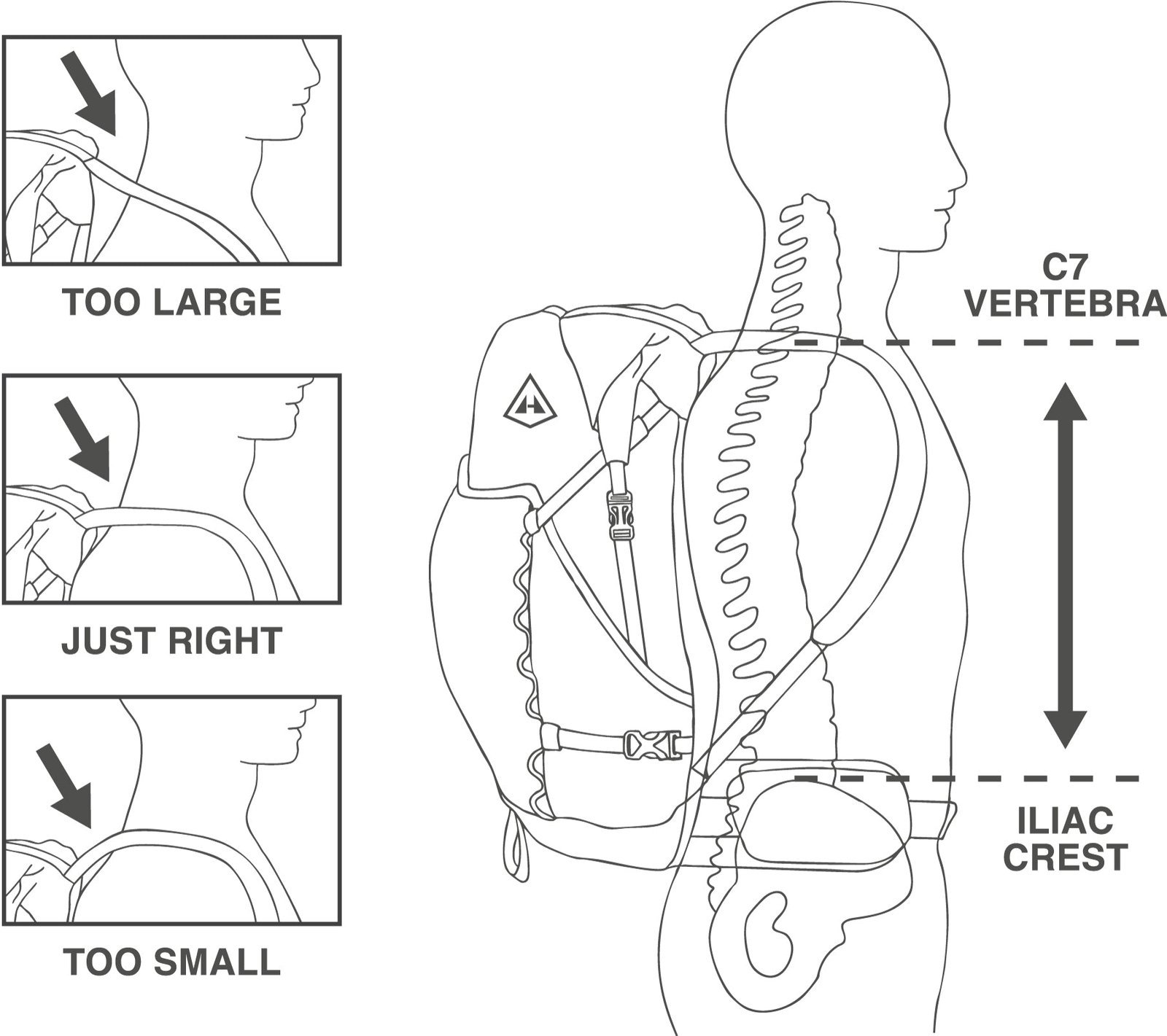
Your torso length is the backbone of choosing the right backpack size. It’s the distance from the base of your neck to the top of your hip bones. Use a flexible tape measure or ask a friend to help you measure from the bony bump at the base of your neck down to where your hips start.
Why does this matter? A backpack with the correct torso length sits well on your back, balancing the load and reducing strain. If the pack is too long or too short, you’ll feel uncomfortable quickly, especially on long hikes.
Hip Size
Your hips bear most of the backpack’s weight, so measuring your hip size accurately is crucial. Wrap the tape measure around the widest part of your hips, usually where your hip bones are most prominent. This helps you find a hip belt that fits snugly without digging in or slipping off.
Think about the last time you carried a heavy bag on your hips—was it comfortable or did it pinch? A properly sized hip belt transfers the weight off your shoulders and onto your hips, making a big difference in how heavy loads feel.
Shoulder Width
Shoulder width affects how the backpack straps sit on your body. Measure across your back from the outer edge of one shoulder to the other. This ensures the shoulder straps align with your body shape, preventing them from slipping off or pressing uncomfortably.
Have you ever had straps that squeezed your shoulders or felt loose? Matching your shoulder width with the backpack’s strap design keeps your balance steady and your movements free. This small detail can change your entire carrying experience.

Credit: backpackies.com
Matching Backpack Size To Activity
Choosing the right backpack size depends heavily on what you plan to do with it. Matching your backpack to your activity ensures comfort and efficiency. A backpack too big or too small can ruin your experience, whether you’re out for a quick trip or a long adventure.
Day Trips And Commuting
For day trips or daily commuting, you want something compact and light. Backpacks between 15 and 25 liters usually work best here. They offer enough space for essentials like a water bottle, snacks, a light jacket, and your tech gear without weighing you down.
Think about your daily needs—do you carry a laptop, lunch, or gym clothes? A slim design with organized compartments makes accessing items easier. Also, consider features like water resistance if you’re walking or biking in unpredictable weather.
Overnight And Weekend Trips
When staying out overnight or for a weekend, your backpack needs to hold more gear but still remain manageable. A size range of 30 to 50 liters often fits this category well. This space allows for a sleeping bag, change of clothes, toiletries, and some cooking supplies.
Ask yourself how many layers you’ll bring and if you need room for extra shoes or electronics. Packing cubes or compression sacks can help maximize space. Remember, you want to carry comfort, not bulk.
Extended Hiking And Travel
For trips lasting several days or longer, backpacks of 50 liters and above are necessary. These larger packs can carry tents, food supplies, and more clothing for changing weather. However, they require good support systems to distribute weight evenly.
Have you tried a heavy pack on a long trail? It changes how you move and can cause fatigue fast. Focus on adjustable straps, padded hip belts, and ventilation to keep your body comfortable throughout your journey.
Adjusting Backpack Straps For Comfort
Adjusting your backpack straps properly is key to carrying your load comfortably and avoiding strain. Each strap plays a specific role in distributing weight and keeping the pack stable. Paying attention to these details can transform your hiking or daily commute experience.
Shoulder Straps
Start with your shoulder straps. They should fit snugly but not squeeze your shoulders. If they dig into your skin or feel loose, you’ll end up with sore shoulders or a sloppy pack.
Adjust the straps so the backpack sits close to your back. The weight should rest on your shoulders without pulling you backward. Test this by walking around and noticing if the pack shifts or feels unbalanced.
Hip Belt
The hip belt is your backpack’s secret weapon for comfort. It carries most of the weight—up to 70%—so it needs to fit properly around your hips, not your waist.
Position the hip belt so it rests on your hip bones. Tighten it firmly but comfortably. If you feel the weight pressing on your lower back instead of your hips, try adjusting the belt’s position or strap length.
Load Lifters
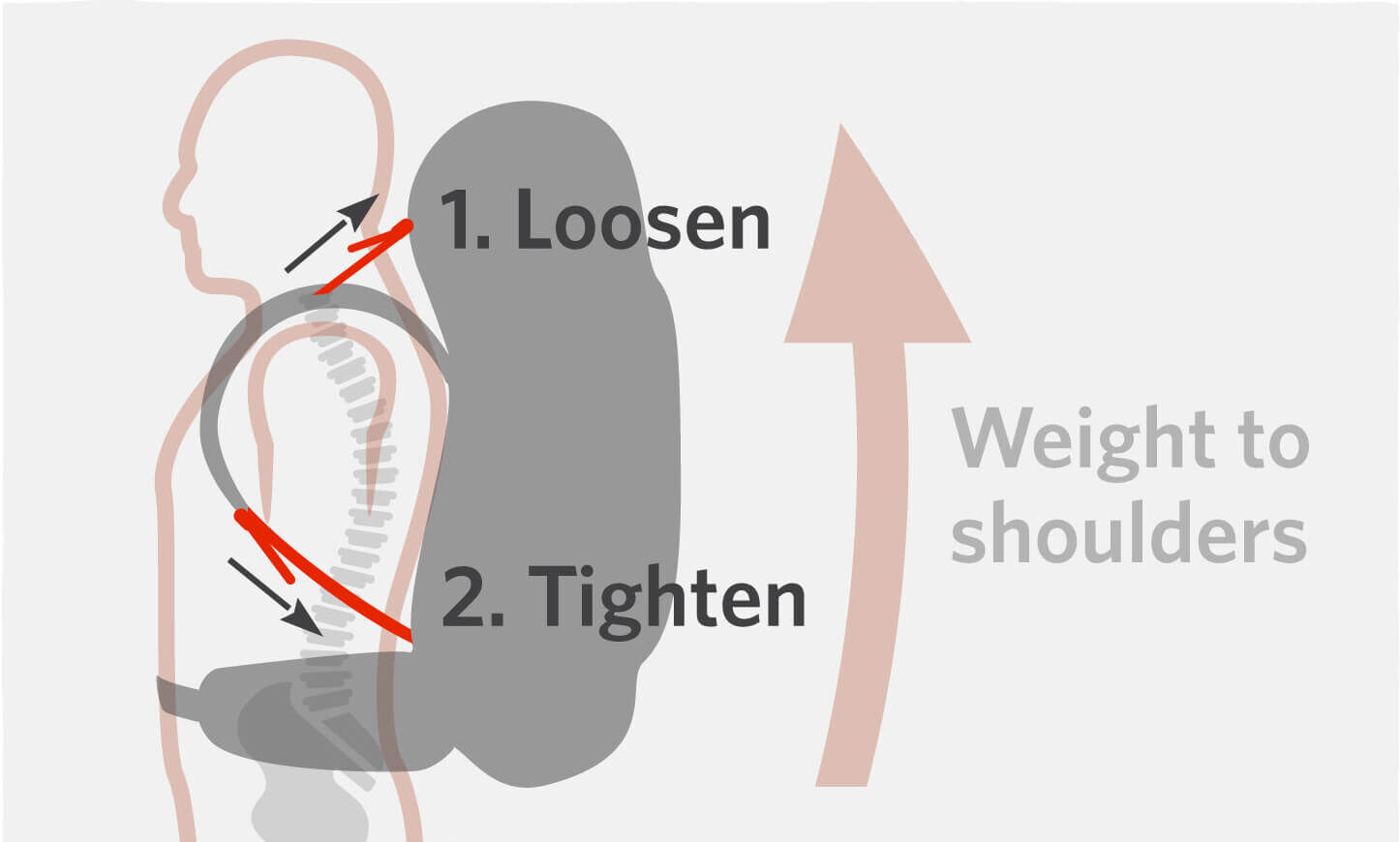
Load lifters are small straps connecting your shoulder straps to the top of the pack. Adjusting them changes how the weight sits on your back.
Tighten load lifters to pull the top of the pack closer to your body. This prevents the pack from leaning backward and reduces strain on your shoulders. Loosen them if the pack feels too tight or restricts your movement.
Credit: eu.gregorypacks.com
Tips For Trying On Backpacks
Trying on a backpack is essential to find the right fit. It helps avoid discomfort and injury during use. Follow these tips to test a backpack properly before buying.
Load The Pack Properly
Fill the backpack with items that match your usual load. Use weight similar to what you will carry daily. This helps mimic real conditions and shows how the pack fits.
Check Weight Distribution
Adjust the straps to balance the weight evenly. The heaviest items should be close to your back. Make sure the pack sits snugly without sagging or pulling.
Test Movement And Comfort
Walk around with the backpack on. Try bending, twisting, and reaching. Notice any pressure points or discomfort on your shoulders and back.
Common Mistakes To Avoid
Measuring backpack size might seem simple but many make common errors. These mistakes can lead to buying a backpack that doesn’t fit well or serve your needs. Avoiding these pitfalls saves time and money. It also ensures comfort and proper support during use.
Not Measuring Your Torso Length
Many focus only on the backpack’s total volume. They forget torso length, which is key for fit. A backpack too long or short causes discomfort and strain. Measure your torso from the base of your neck to your waist.
Ignoring Hip Belt Size
The hip belt carries most of the pack’s weight. Ignoring its size leads to poor weight distribution. Always measure your hip circumference at the widest point. Choose a backpack with an adjustable or well-fitting hip belt.
Overlooking Shoulder Strap Adjustability
Shoulder straps must fit snugly but not tightly. Not checking their adjustability limits comfort and stability. Ensure the straps can be adjusted to your body shape and size. This helps balance the load evenly.
Choosing Size Based Only On Volume
Volume shows how much you can carry, not how it fits. Backpacks with the same volume can feel very different. Consider shape, padding, and fit alongside volume. Focus on what fits your body and your gear needs.
Skipping A Fit Test With Loaded Weight
Trying a backpack empty can be misleading. Weight changes how it feels on your back. Test with your typical gear loaded inside. Walk around to check comfort and balance before deciding.
Frequently Asked Questions
How Do I Measure Backpack Capacity Correctly?
Measure the backpack's width, height, and depth in inches. Multiply these dimensions to get volume in cubic inches. Convert cubic inches to liters by dividing by 61. This gives you the backpack capacity accurately for comparison and selection.
What Is The Best Way To Measure Backpack Height?
Place the backpack upright on a flat surface. Measure from the bottom base to the highest point of the backpack. Ensure the backpack is empty and uncompressed for an accurate height measurement.
How To Measure Backpack Width And Depth?
Measure the backpack’s widest point horizontally for width. Measure from front to back at the thickest part for depth. These measurements help determine how much space the backpack offers.
Why Is Knowing Backpack Size Important?
Knowing backpack size ensures it fits your body and storage needs. It helps avoid discomfort and overpacking. Choosing the right size improves travel or hiking experience.
Conclusion
Measuring backpack size helps you find the right fit and comfort. Use a tape measure to check height, width, and depth. Consider your body size and what you will carry daily. A well-sized backpack reduces strain and keeps your items organized.
Always try the backpack before buying if possible. Remember, the right size makes your trips easier and more enjoyable. Simple steps lead to better choices and happier travels. Choose wisely and carry your gear with ease.