
Picture this: You’re standing at the trailhead, your backpack snugly fitted on your back, ready to embrace nature’s beauty for the next three days. But wait—did you pack everything you need?
Or maybe you packed too much, and your back is already aching? Learning how to pack a backpack for a three-day adventure is an art. It’s about finding the right balance between comfort, necessity, and weight. Imagine the joy of knowing you have everything you need without carrying unnecessary pounds.
This guide will reveal the secrets of packing smart, ensuring your journey is as enjoyable as the destination itself. Stick around to discover the ultimate packing strategy that will transform your hiking experience.
Choosing The Right Backpack
Choosing the right backpack is the first and most important step for a successful 3-day trip. Your backpack will carry everything you need, so it must suit your style, body, and the nature of your journey. Picking the wrong one can turn your adventure into a struggle, but the right one makes packing and carrying a breeze.
Size And Capacity
For a 3-day trip, size matters a lot. You want a backpack that’s big enough to hold your essentials without being bulky.
- Look for backpacks between 30 to 50 liters in capacity.
- Smaller than 30 liters might not fit all your items comfortably.
- More than 50 liters can lead to overpacking and extra weight.
Think about what you truly need. Do you pack light, or do you prefer having options? This will help you decide the right size.
Comfort And Fit
Comfort is not negotiable. You will carry your backpack for hours, so it must fit your body well.
- Adjustable straps let you customize the fit.
- Padded shoulder straps and hip belts reduce pressure on your back.
- Try the backpack with some weight before buying to feel how it sits.
Ask yourself: Does it feel balanced? Does it put strain anywhere? If it doesn’t feel right, you’ll regret it halfway through your trip.
Durability And Features
Your backpack needs to handle rough conditions and keep your gear safe.
- Choose materials like ripstop nylon or polyester for resistance to tears and water.
- Look for water-resistant zippers or rain covers to protect your belongings.
- Extra features like multiple compartments, external pockets, and hydration bladder compatibility can be game-changers.
Think about your trip’s environment. Will you face rain, rough trails, or city streets? Matching features to your needs avoids unpleasant surprises.
Essential Gear For Three Days
Packing smart is key for a three-day trip. Bringing just the right gear keeps your backpack light and organized. Focus on items that serve multiple purposes and fit your activities.
Essentials cover clothing, toiletries, and electronics. Each category helps you stay comfortable and prepared. Planning well avoids overpacking and stress.
Clothing Basics
- Two to three shirts, preferably quick-dry
- One pair of comfortable pants or shorts
- Underwear and socks for each day
- Light jacket or sweater for cool evenings
- Comfortable shoes suitable for walking
- Hat or cap for sun protection
Toiletries And Personal Items
- Travel-sized toothbrush and toothpaste
- Small bottle of shampoo and soap
- Deodorant and any personal hygiene items
- Compact towel or quick-dry microfiber cloth
- Basic first aid kit with band-aids and pain relievers
- Prescription medications, if needed
Electronics And Accessories
- Phone and charger
- Portable power bank
- Headphones or earbuds
- Camera or action cam, if desired
- Travel adapter, if needed
- Small flashlight or headlamp
Packing Strategies
Packing a backpack for a 3-day trip requires smart strategies to maximize space and keep your load comfortable. How you organize your clothes and gear can make a big difference in your travel experience. Here are some practical tips to help you pack efficiently and avoid last-minute chaos.
Rolling Vs Folding Clothes
Rolling clothes saves space by minimizing wrinkles and allowing you to fit more items in tight spots. I once packed for a weekend getaway using rolling and managed to fit an extra pair of shoes just by saving a few inches here and there.
Folding works better for bulkier items like sweaters or jackets because it keeps their shape intact. Mixing rolling and folding based on your clothing type lets you optimize every inch of your backpack.
Using Packing Cubes
Packing cubes are game changers for staying organized. They separate your clothes into categories, making it easy to find exactly what you need without unpacking everything.
Try using one cube for tops, another for bottoms, and a small one for accessories or toiletries. This way, your backpack stays tidy, and you avoid digging through a messy pile.
Weight Distribution Tips
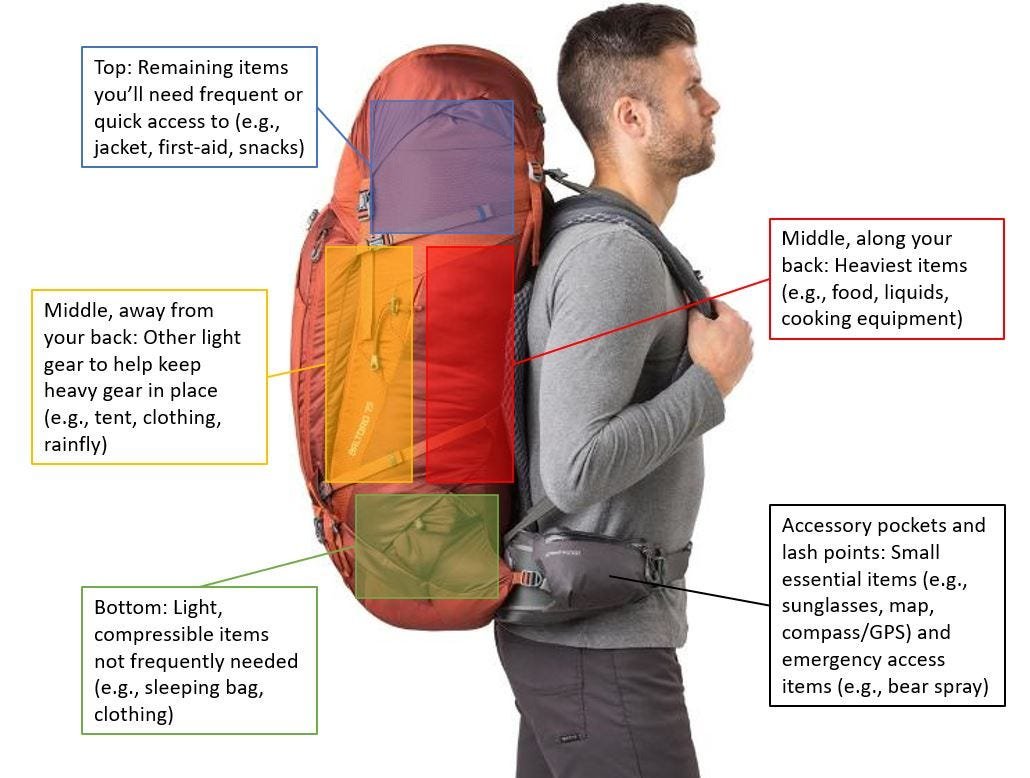
Distribute weight evenly to prevent back strain during your trip. Place heavier items like shoes and toiletries close to your back and near the middle of the pack.
Lighter clothes and gear should go towards the top and outer edges. Ever felt your backpack pulling you backward? That’s usually because the weight is off balance.
Organizing Your Backpack
Organizing your backpack smartly can make your 3-day trip much more enjoyable. How you arrange your items affects not only the weight distribution but also how quickly you can find what you need. A well-organized pack helps you stay efficient and comfortable on the go.
Bottom Layer Essentials
Place heavy and bulky items at the bottom of your backpack. This could include your sleeping bag, extra clothes, or a compact tent. Keeping these items low helps balance the pack and prevents it from tipping backward.
Try using compression sacks to save space and keep the bottom layer tight. Avoid putting things you’ll need early in your trip here, so you don’t have to unpack everything to reach them.
Middle Layer Items
This section is ideal for medium-weight items you’ll use throughout the day but don’t need immediate access to. Think food supplies, cooking gear, or a first aid kit. These go close to your back to help with stability.
Organize items in small pouches or dry bags to keep similar things together. This avoids the frustration of digging through a jumble and helps maintain order as you move.
Top Layer And Quick Access
Keep your frequently used items on the top or in external pockets. Your rain jacket, map, snacks, and headlamp should be within easy reach. Imagine needing your rain cover suddenly—would you want to empty your bag first?
Use small compartments for these essentials so they don’t get lost. You’ll thank yourself when you can grab what you need without stopping and unpacking everything.
Maximizing Space
Packing a backpack for three days requires smart use of every inch. Maximizing space helps carry more without feeling heavy. Organizing items well keeps your pack balanced and easy to carry.
Focus on packing techniques that save room and reduce weight. Small changes make a big difference in space and comfort.
Compression Techniques
Compression bags and packing cubes reduce bulk by squeezing air out. Rolling clothes tightly also saves space better than folding. Use straps inside your backpack to compress items further. These tricks make your pack more compact and organized.
Multi-purpose Items
Choose gear that serves more than one function. A jacket that acts as a raincoat and windbreaker cuts down on extra items. A bandana can be a towel, head cover, or pot holder. Multi-use tools reduce the number of things you carry.
Minimizing Bulk
- Pick lightweight clothing made from thin, quick-dry fabric.
- Limit shoes to one pair suitable for all activities.
- Bring travel-sized toiletries instead of full bottles.
- Remove unnecessary packaging and repack items in smaller containers.
Cutting down on bulky items frees up room for essentials and keeps your pack lighter.

Credit: www.graveltravel.com
Safety And Accessibility
Packing for a 3-day trip requires careful thought about safety and accessibility. Keeping important items secure and easy to reach can save time and stress. Organizing your backpack smartly ensures you stay prepared for any situation.
Securing Valuables
Place valuables like wallets and phones in inner pockets. Choose compartments with zippers or hidden sections. Use small pouches or bags for extra protection. Keep these items close to your body when wearing the backpack. This reduces the risk of loss or theft.
Weather Protection
Store rain gear and waterproof covers at the top or outer pockets. Use dry bags or plastic covers to protect clothes and electronics. Pack items that can get wet separately from dry ones. Quick access to weather gear helps you stay comfortable and dry.
Emergency Gear Placement
Keep emergency items like first aid kits and flashlights in side pockets or near the top. Use bright-colored cases for easy spotting. Arrange these essentials so you can grab them quickly. This setup is crucial in sudden situations.
Final Checks Before Departure
Before heading out on a 3-day trip, performing final checks on your backpack is crucial. This ensures your gear is packed properly and your load feels right. Taking a few moments to review your packing can prevent discomfort and missing items during your adventure.
Weight Limit Considerations
Keep your backpack weight manageable. Aim for no more than 20-25% of your body weight. Overpacking can cause strain and slow you down. Remove any non-essential items if the pack feels too heavy. Distribute weight evenly to maintain balance while walking.
Checklist Review
Go through your packing list one last time. Confirm essentials like clothes, food, and toiletries are included. Check that electronics and chargers are packed. Make sure your first aid kit is complete. This final review stops you from forgetting important gear.
Adjusting For Comfort
Try on your backpack with all items inside. Adjust shoulder straps, hip belt, and chest strap for a snug fit. The pack should sit close to your back without digging in. Walk around briefly to test comfort. Make small changes to avoid pain on the trail.

Credit: www.maxpedition.com
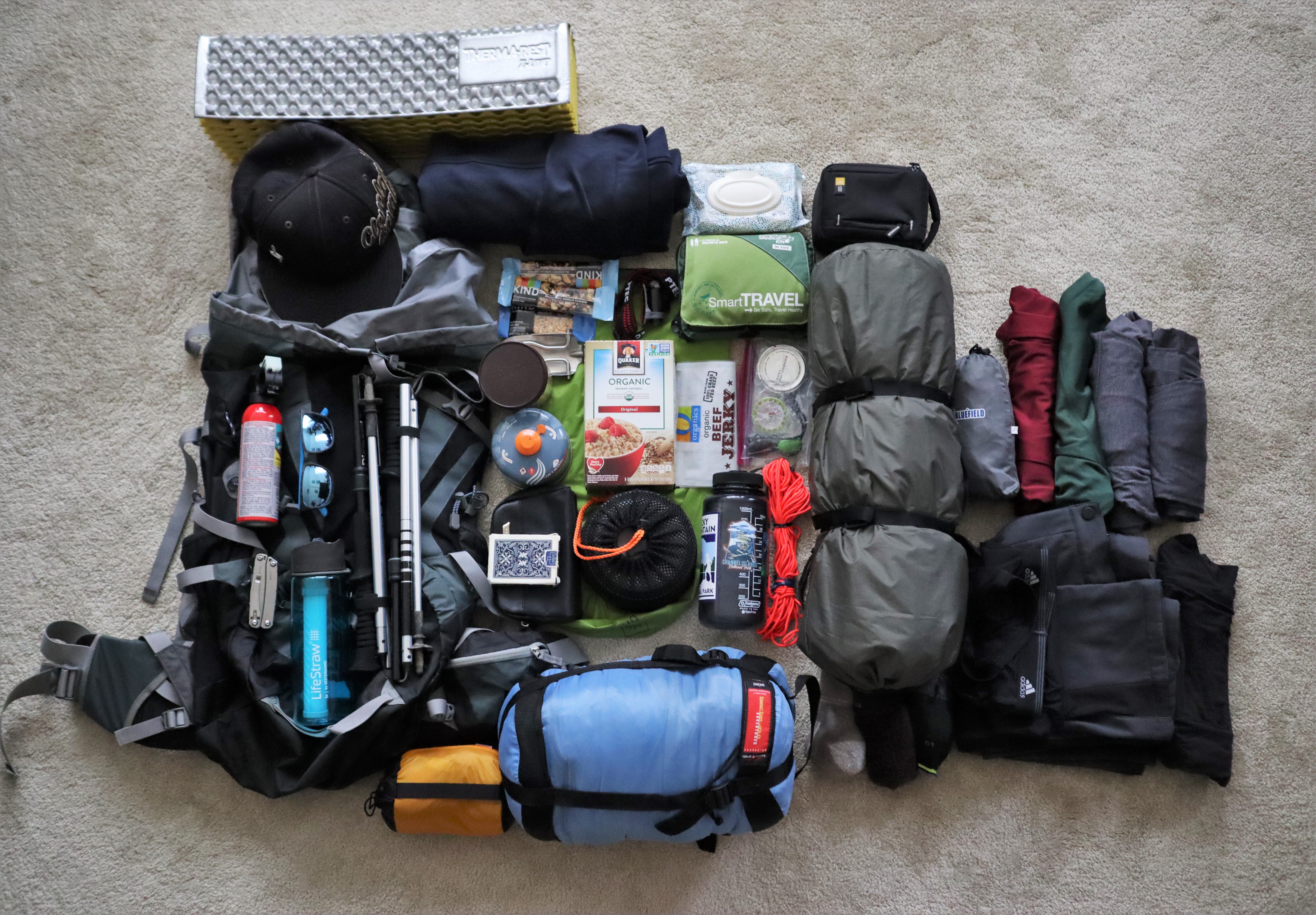
Credit: pangolinswithpacks.com
Frequently Asked Questions
What Essentials Should I Pack For A 3-day Backpack Trip?
Pack lightweight clothes, toiletries, a first aid kit, snacks, and a water bottle. Don’t forget a map and a multi-tool for convenience and safety.
How Do I Organize Items Inside A 3-day Backpack?
Place heavy items near your back and bottom. Use packing cubes for clothes and keep frequently used items accessible in outer pockets.
Can I Carry Electronics For A Short Backpacking Trip?
Yes, bring essential electronics like a phone, charger, and a power bank. Avoid overpacking to keep your load light and manageable.
How To Keep My Backpack Balanced And Comfortable?
Distribute weight evenly on both sides. Adjust shoulder straps and hip belt for proper fit to reduce strain during your hike.
Conclusion
Packing a backpack for three days does not have to be hard. Plan what you need and pack only essentials. Roll clothes to save space and keep items organized. Place heavy things at the bottom for better balance. Keep snacks and water easy to reach.
Check your bag before you leave to avoid forgetting anything. A well-packed backpack makes your trip more comfortable and fun. Simple steps lead to smart packing every time. Ready for your adventure?