
Packing checked luggage can often feel like a daunting task. You want to fit everything you need without overstuffing your suitcase or risking extra fees at the airport.
But how can you achieve this perfect balance? Imagine the peace of mind you'll have knowing your belongings are organized, secure, and ready for your adventure. In this guide, you'll discover practical tips and clever hacks to master the art of packing checked luggage efficiently.
Whether you're a seasoned traveler or packing for your first big trip, these insights will make your travel experience smoother and more enjoyable. Ready to transform the way you pack? Let's dive in!
Choosing The Right Luggage
Choosing the right luggage is key to a smooth trip. The luggage must protect your belongings and fit airline rules. It should be easy to handle and carry. Picking the right type helps avoid extra fees. It also makes your travel more comfortable and organized.
Hard Shell Vs Soft Shell
Hard shell luggage offers strong protection for fragile items. It resists impacts and water well. Soft shell luggage is lighter and easier to squeeze into tight spaces. It often has extra pockets for small items. Soft shell bags can expand for more space. Hard shells hold their shape better under pressure.
Size And Weight Limits
Airlines set limits on checked luggage size and weight. Oversized bags can cause extra fees. Choose luggage within standard limits to avoid surprises. Check your airline’s rules before buying. A medium-sized suitcase often works best. Lightweight luggage helps you pack more without extra cost.
Durability And Security Features
Durable luggage lasts through many trips. Look for strong zippers and sturdy handles. Reinforced corners protect against rough handling. Security features like TSA-approved locks keep belongings safe. Some bags have anti-theft zippers and hidden compartments. Choose luggage that balances toughness and ease of use.
Credit: www.rd.com
Preparing Your Items
Packing checked luggage starts with smart preparation. Organizing your items well saves time and prevents last-minute stress. Proper preparation also helps avoid overpacking and forgotten essentials. Follow simple steps to get your items ready efficiently.
Making A Packing List
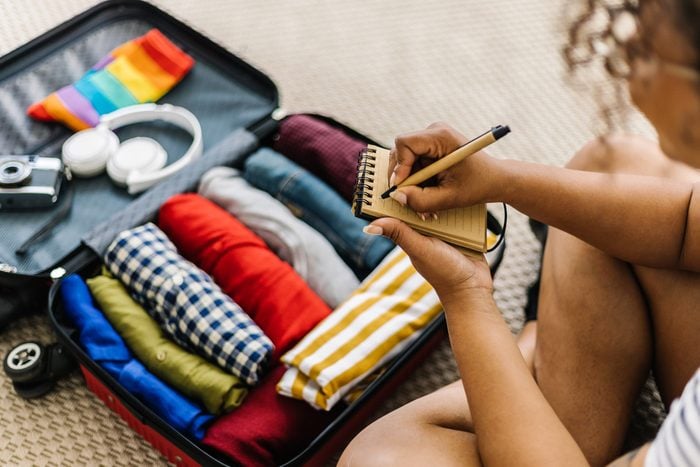
Create a list of all items needed for the trip. Include clothing, toiletries, gadgets, and documents. Write down specific items like socks, chargers, and medications. A list keeps packing focused and reduces the chance of leaving things behind.
Sorting By Category
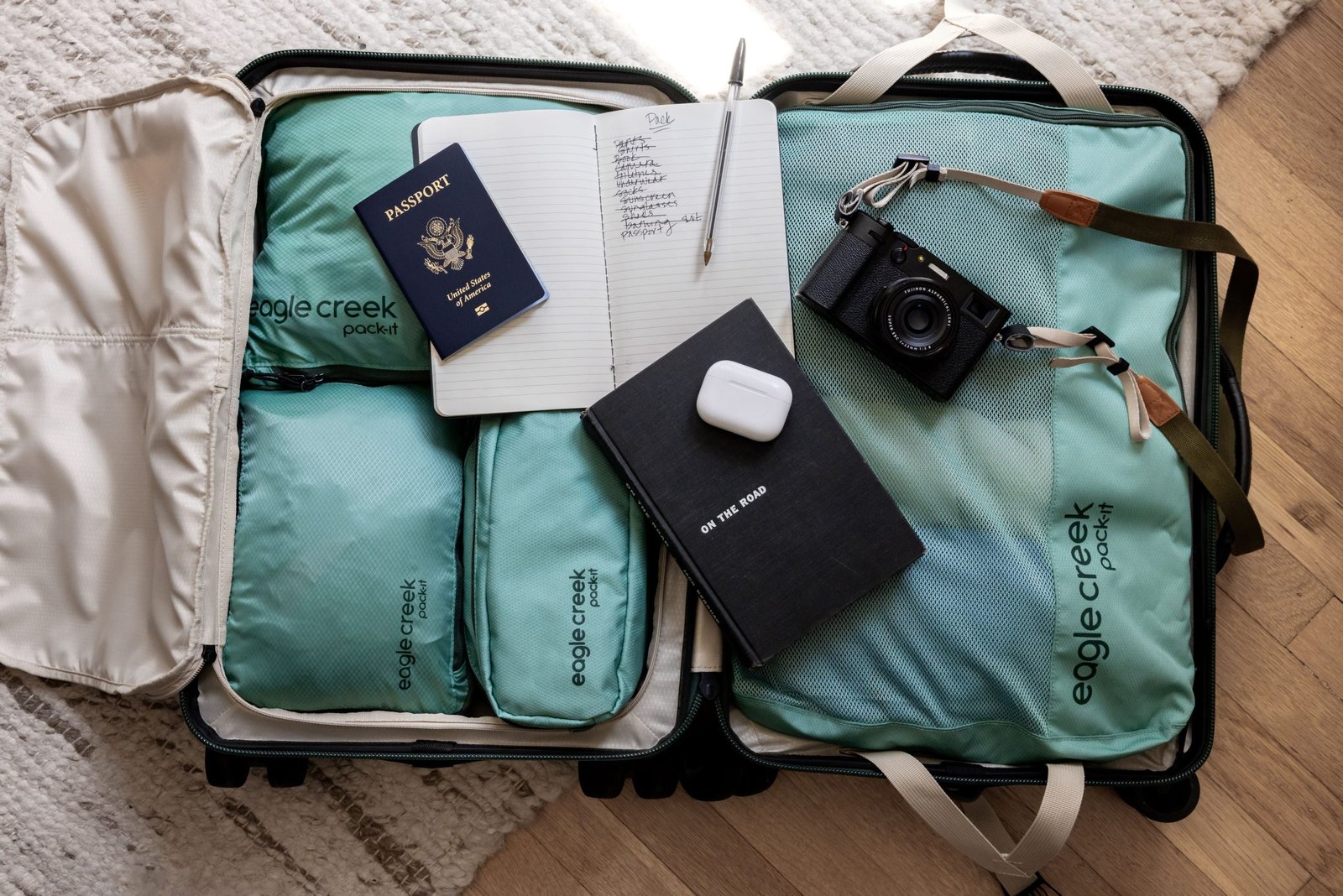
Group your items into categories before packing. Separate clothes, electronics, and personal care products. Use packing cubes or bags to keep categories organized inside the suitcase. Sorting helps you find things quickly and keeps your luggage neat.
Checking Airline Restrictions
Review your airline’s rules for checked luggage size and weight. Check for prohibited items such as liquids over 100ml or sharp objects. Knowing these rules avoids extra fees or baggage delays at the airport. Pack only allowed items to ensure smooth travel.
Efficient Packing Techniques
Packing checked luggage efficiently saves space and keeps items organized. Smart techniques prevent wrinkles and reduce luggage weight. These approaches help fit more clothes without stress. Use simple tricks to create room for everything you need. Choose the best method for your travel style.
Rolling Vs Folding Clothes
Rolling clothes saves space and reduces wrinkles. Clothes stay compact and easier to fit in bags. Folding works best for stiff or delicate fabrics. Flat folding keeps shirts neat and less creased. Mix rolling and folding based on fabric type. Rolling is great for t-shirts, jeans, and casual wear. Folding suits dress shirts and formal clothes.
Using Packing Cubes
Packing cubes organize clothes by category or outfit. They keep items separate and easy to find. Cubes compress clothes slightly, freeing extra space. Use different sizes for shoes, underwear, and shirts. Cubes help unpack quickly and keep luggage tidy. Choose lightweight cubes to avoid adding weight.
Maximizing Space With Compression Bags
Compression bags reduce bulk by removing air from clothes. They work well for bulky items like jackets and sweaters. Vacuum or squeeze air out to shrink volume. These bags protect clothes from moisture and dirt. Use them for long trips or to save room for souvenirs. Avoid overstuffing bags to prevent damage to clothes.
Protecting Fragile Items
Protecting fragile items in your checked luggage can make the difference between arriving with memories intact or dealing with broken valuables. Fragile belongings need extra care and thoughtful packing strategies to survive the rough handling that checked bags often face. Let’s dive into how you can safeguard these items effectively and reduce your travel stress.
Wrapping And Cushioning Tips
Start by wrapping each fragile item individually using soft materials like bubble wrap, clothing, or foam sheets. Avoid using just newspaper, as the ink can transfer and damage delicate surfaces.
Fill empty spaces in your suitcase with socks, scarves, or towels to prevent movement. Think of your suitcase as a puzzle where every gap needs to be filled to stop shifting during transit.
- Use multiple layers of cushioning for extra protection.
- Wrap glass items twice if possible for added security.
- Consider placing fragile items inside a sealed plastic bag to protect them from spills.
Choosing The Right Placement
Where you place fragile items in your checked luggage matters. Position them in the center of your suitcase, surrounded by soft clothes for a buffer.
Avoid placing these items near the edges or bottom where pressure and impact are higher. Think about the weight distribution too; heavier items should go on the bottom to prevent crushing.
- Place fragile items between layers of clothing for natural padding.
- Keep heavier, sturdy items away from delicate ones.
- Use a dedicated compartment if your suitcase has one to isolate fragile goods.
Using Hard Cases For Electronics
Electronics deserve special attention because they are sensitive to shocks and pressure. Use hard-shell cases designed specifically for gadgets like cameras, laptops, and tablets.
These cases add a rigid layer of defense against drops and rough handling. Make sure the electronics are turned off and cables are packed separately to avoid damage.
- Choose cases with foam inserts that hold devices snugly.
- Label your cases as fragile to alert baggage handlers.
- Consider carrying the most valuable electronics in your carry-on if possible.
Have you ever had a fragile item break during travel despite careful packing? What packing strategy helped you prevent damage next time? Your experience can help others pack smarter.
Organizing Toiletries And Liquids
Organizing toiletries and liquids in your checked luggage can make a huge difference in your travel experience. Proper packing prevents spills, saves space, and keeps your belongings clean and dry. Let’s dive into some practical tips to help you manage these essentials effectively.
Following Tsa Guidelines
Even though TSA rules mainly apply to carry-on bags, it’s smart to follow their liquid restrictions in checked luggage too. Liquids over 3.4 ounces (100 ml) are allowed in checked bags, but you should still pack them securely. Avoid carrying prohibited items like flammable aerosols or large quantities of alcohol.
Check the latest TSA guidelines before you pack. This helps prevent surprises at the airport and ensures your toiletries arrive safely with you. Have you ever had to throw away your favorite shampoo because it wasn’t allowed? That’s a frustrating experience you can avoid.
Leak-proof Packing Methods
Leaks are a common travel nightmare. To stop spills, use small, travel-sized bottles with tight caps. Double sealing is your friend: place bottles inside resealable plastic bags to contain any accidents.
Wrapping bottle caps with tape adds an extra layer of protection. You can also use silicone travel containers which are flexible and less prone to breaking. Think about what you’ve packed in the past—did anything leak? Learning from those moments can save you a lot of hassle.
Separating Liquids From Clothes
Keep liquids and toiletries away from your clothes to avoid stains and dampness. Use dedicated toiletry bags or waterproof pouches inside your suitcase. This way, even if a leak happens, your clothes stay dry and fresh.
Place heavier items like shampoo bottles at the bottom of your suitcase and clothes on top. This reduces pressure on bottles and lowers the risk of breaking. Have you noticed your clothes smelling odd after a trip? Separating liquids can prevent that unpleasant surprise.

Credit: www.apartmenttherapy.com
Securing Your Luggage
Keeping your checked luggage safe during travel is important. Securing your bags helps avoid theft, loss, or damage. Simple steps can increase your luggage’s security and bring peace of mind.
Using Tsa-approved Locks
TSA-approved locks allow airport security to open your bag without breaking the lock. These locks have a special key that TSA agents use. Choose sturdy locks that are easy to set and reset. Avoid regular locks that can be cut or damaged.
Tagging And Labeling
Always attach a clear, visible tag with your name and contact details. Use a durable tag that won’t fall off during transit. Include a backup label inside your luggage with the same information. Bright tags or ribbons help you spot your bag quickly on the carousel.
Tracking Devices And Smart Tags
Small tracking devices can help locate lost luggage. Attach a Bluetooth or GPS tracker inside your bag. These devices connect to your smartphone for easy tracking. Choose models with long battery life and reliable signals. Smart tags add an extra layer of security for peace of mind.
Final Checks Before Departure
Final checks before departure help avoid last-minute stress. A quick review ensures your luggage meets airline rules. It also makes your journey smoother and your arrival easier. Small actions now save time and problems later.
Weighing Your Bag
Check your bag’s weight with a reliable scale. Most airlines have strict weight limits for checked luggage. Overweight bags can lead to extra fees or delays. Weigh your bag a day before to adjust if needed. Make sure the scale is accurate for best results.
Double-checking Prohibited Items
Look through your bag for banned items. Common prohibited items include sharp objects, liquids over the limit, and flammable materials. Review the airline’s list of restricted items carefully. Remove anything that may cause issues at security. This step helps avoid confiscation or fines.
Preparing For Baggage Claim
Label your luggage clearly with your name and contact details. Use a sturdy tag and place it inside and outside the bag. Keep your baggage claim ticket handy for quick identification. Pack valuables and essentials in your carry-on to prevent loss. These tips help retrieve your bag fast after landing.
:max_bytes(150000):strip_icc()/tal-how-to-pack-a-carry-on-bag-tout-0e67faf21540495f8b4197c466a114f8.jpg)
Credit: www.travelandleisure.com
Frequently Asked Questions
How Do I Pack Checked Luggage Efficiently?
Pack heavy items at the bottom for balance. Use packing cubes to organize clothes. Roll clothes to save space and reduce wrinkles. Place fragile items in the center with padding. Keep essentials like documents accessible in an outer pocket.
What Items Are Prohibited In Checked Luggage?
Avoid packing flammable items, explosives, and lithium batteries. Sharp objects like knives must be securely wrapped or checked separately. Check airline guidelines for specific restrictions. Always declare valuables and fragile items if required. Following rules prevents delays and lost luggage issues.
How Can I Avoid Damaged Luggage?
Use a sturdy, hard-shell suitcase for protection. Wrap fragile items in clothing or bubble wrap. Don’t overpack to avoid strain on zippers. Label your luggage clearly with your contact information. Use TSA-approved locks to secure your bag without damage.
What Liquids Are Allowed In Checked Baggage?
Liquids over 100ml are allowed in checked luggage. Ensure all containers are sealed and leak-proof. Place liquids in plastic bags to avoid spills. Check airline rules for specific liquid restrictions. Avoid carrying valuable or essential liquids in checked bags.
Conclusion
Packing checked luggage does not need to be hard. Plan what you need and keep it simple. Roll clothes to save space and avoid wrinkles. Use small bags for shoes and toiletries. Keep important items easy to reach. Check the weight limit before you leave.
This helps you avoid extra fees. With a little care, your luggage stays organized and safe. Travel stress-free and enjoy your trip more. Packing smart makes your journey better every time.