
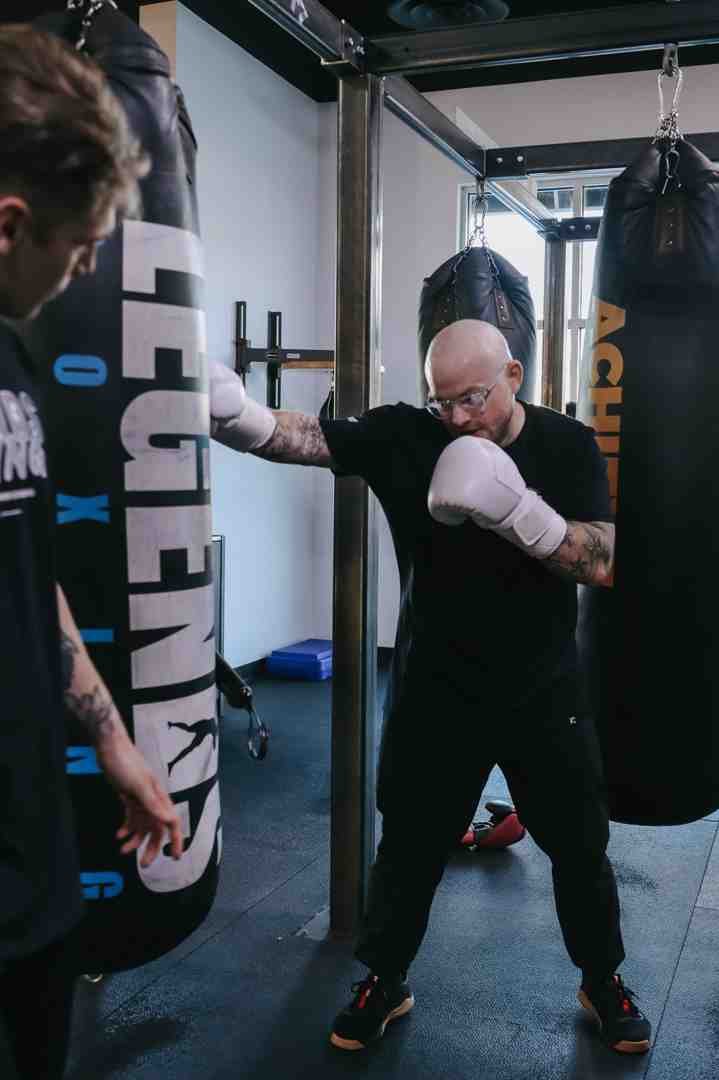
Are you ready to take your boxing skills to the next level? Whether you're new to the sport or a seasoned fighter, learning how to punch a heavy bag properly is crucial.
This skill not only enhances your technique but also boosts your confidence. Imagine stepping into your training space and delivering powerful punches with precision. You feel unstoppable, and that’s because you’ve mastered the art of using a heavy bag. But here's the catch: without the right guidance, you might end up wasting your efforts or, worse, injuring yourself.
That's why understanding the correct technique can make all the difference. In this guide, we’ll break down each step, so you can punch with power, protect your body, and maximize your workout. Dive in, and let’s unlock the secrets to punching a heavy bag like a pro!

Credit: www.fighterssuperstore.com
Choosing The Right Heavy Bag
Choosing the right heavy bag is key to improving your punching technique and avoiding injury. The bag you pick should match your skill level, strength, and the type of training you want to do. If your bag is too light or too heavy, it can mess with your timing and power development.
Types Of Heavy Bags
Heavy bags come in various shapes and fillings. Traditional heavy bags are usually filled with sand, cloth, or a mix of materials, offering a firm hitting surface.
You can also find water-filled bags, which absorb impact differently and reduce joint stress. Some bags are longer for practicing kicks along with punches, while others are shorter for pure boxing drills.
Think about what you want to train most. Are you focusing on power punches, speed, or combinations? Your choice of bag type should reflect that.
Selecting The Correct Weight
The right weight helps your punches feel realistic and protects your wrists and hands. A general rule is to choose a bag that is about half your body weight.
If you weigh 160 pounds, a 70-80 pound bag is a good start. Lighter bags swing more, which can improve your timing, but heavy bags help build strength and endurance.
When I first started, I used a bag too heavy for me and ended up with sore wrists. Adjusting to a lighter bag improved my technique and confidence quickly.
Proper Bag Placement
Where you place your heavy bag affects your training efficiency. Ideally, hang the bag in a spot with enough room to move around it freely.
A ceiling mount is common, but a heavy bag stand works well if you don’t want to drill holes. Make sure the bag hangs at about head to chest height.
Also, consider the floor surface; too hard a floor can cause discomfort when you move around. A mat or padded area can make your workouts safer and more enjoyable.
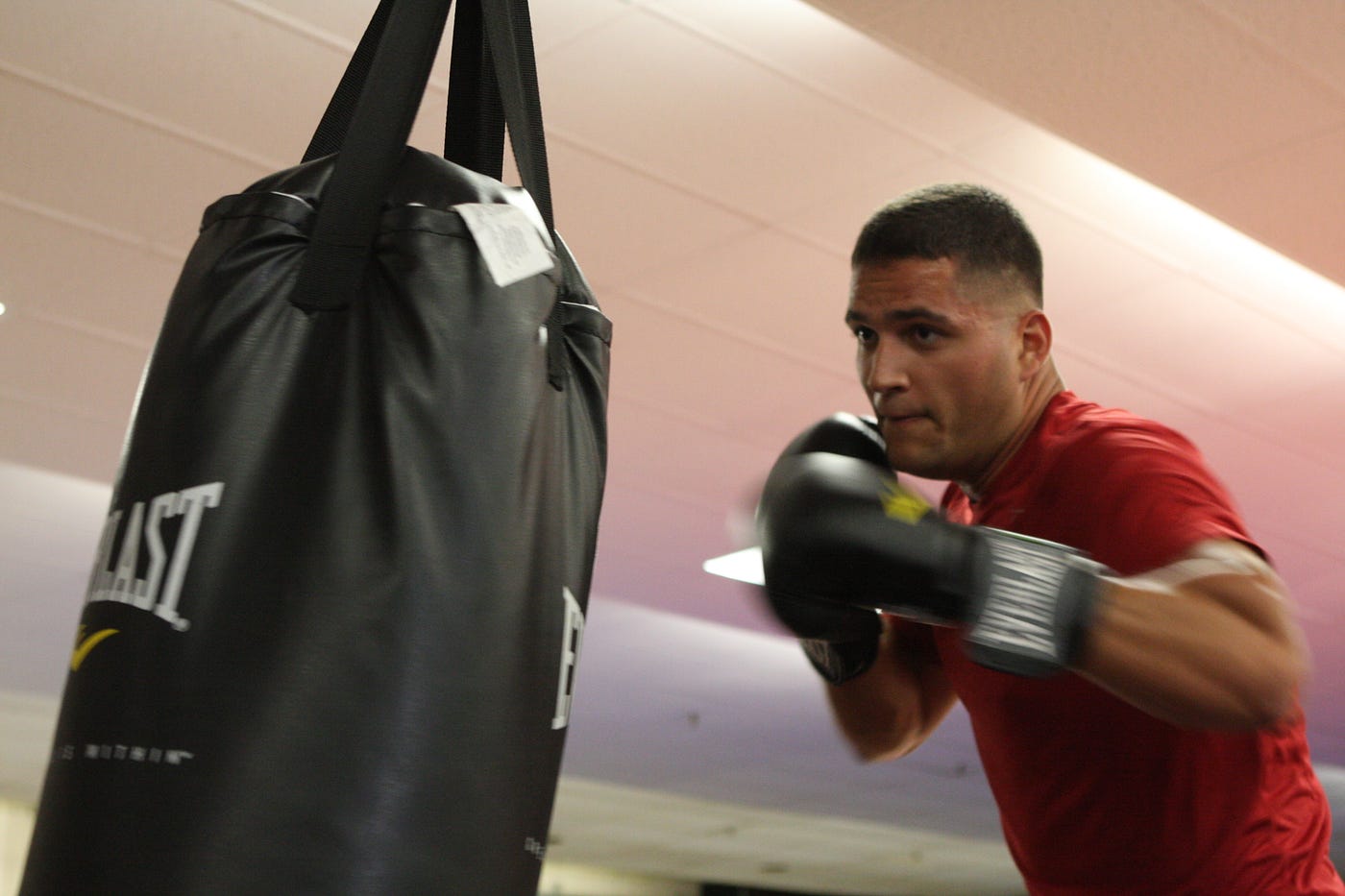
Credit: boxingathome.medium.com
Essential Gear For Training
Punching a heavy bag requires the right gear to protect your body. Proper equipment helps avoid injuries. It also improves your training experience and performance. Choosing essential gear prepares you for powerful, safe punches.
Hand Wraps And Gloves
Hand wraps protect your knuckles and wrists during punches. They keep your joints tight and stable. Wrap your hands firmly but not too tight. Boxing gloves cushion your fists and reduce impact. Use gloves designed for heavy bag training. They prevent cuts and bruises on your hands.
Footwear And Clothing
Wear shoes with good grip and ankle support. Proper footwear helps you move quickly and stay balanced. Avoid running shoes that can cause slipping. Choose light, breathable clothes that allow free movement. Comfortable clothing keeps you cool and flexible. Avoid loose clothes that can get caught or slow you down.
Basic Stance And Footwork
Mastering the basic stance and footwork is essential before throwing powerful punches at a heavy bag. Your stance is your foundation—it controls your balance, power, and ability to move quickly. Without a solid base, your punches lose impact, and you risk injury or fatigue.
Finding Your Balance
Stand with your feet about shoulder-width apart. Your weight should be distributed evenly, slightly favoring the balls of your feet rather than your heels. This subtle shift helps you stay light on your feet and ready to move.
Try this: shift your weight forward and backward a few times. Notice how staying centered allows you to absorb impact better and push off quickly. If you feel off-balance, adjust your stance until you find a comfortable, stable position.
Positioning Your Feet
Your lead foot points straight ahead, aimed at the bag. The rear foot sits at about a 45-degree angle, offering support and power. Keep your feet spaced so you can easily pivot and shift your weight during punches.
- Lead foot placement controls your reach.
- Rear foot position helps generate power.
- Maintain a slight bend in your knees for flexibility.
Imagine trying to throw a punch with your feet close together—you’d wobble and lose strength. Proper foot positioning locks your body into a powerful, controlled stance.
Movement And Angles
Footwork isn’t just about standing still. Small, precise steps let you create better punching angles and avoid overcommitting. Move by pushing off your rear foot and sliding your lead foot forward or backward.
Practice circling the bag softly on the balls of your feet. This keeps you balanced and ready to strike from unexpected angles. Ask yourself: Are you stuck in one spot, or can you flow around the bag with ease?
Working on your stance and footwork pays off quickly. You’ll notice your punches hit harder and your defense improves. Next time you hit the bag, focus on your feet—you might be surprised how much difference it makes.

Credit: m.youtube.com
Punching Techniques
Proper punching techniques improve power and reduce injury risk. Each punch type has unique mechanics. Learning these basics helps you train smart and hit hard.
Jab Mechanics
The jab is a quick, straight punch from the lead hand. Keep your elbow close to your body. Extend your arm fully but avoid locking your elbow. Snap your fist out, rotating your thumb slightly down at impact. Retract quickly to guard your face. Keep your feet balanced and your shoulders relaxed.
Cross Technique
The cross is a powerful punch thrown with the rear hand. Rotate your hips and shoulders as you extend your arm. Pivot your rear foot to add force. Keep your elbow in line with your fist. Aim to hit with the first two knuckles. Pull your hand back fast to maintain defense.
Hooks And Uppercuts
Hooks are short punches thrown in a circular motion. Bend your arm at about 90 degrees. Swing your arm from the side, aiming to hit with the knuckles. Rotate your hips and pivot your front foot for power. Uppercuts travel upward, targeting the chin. Drop your body slightly and drive your fist up. Keep your other hand up to protect your face.
Breathing And Timing
Breathing and timing play a crucial role in punching a heavy bag effectively. Without proper breath control, you risk losing power and tiring quickly. Timing your punches with your breath can also improve your overall rhythm and control.
Coordinating Breath With Punches
Each punch should be paired with a deliberate breath. Exhale sharply as your fist connects with the bag. This technique not only helps you deliver stronger punches but also stabilizes your core.
In my early training, I noticed my punches felt weak until I focused on breathing out during impact. It made a clear difference in power and endurance. Try counting your breaths along with your punches to develop this habit.
- Exhale sharply on impact
- Inhale deeply during recovery
- Keep your breathing steady and controlled
Maintaining Rhythm
Rhythm keeps your punches fluid and prevents you from burning out too fast. It’s like finding a steady beat that keeps your body relaxed but ready. Avoid rushing; instead, focus on a consistent pace that you can hold for several rounds.
Think of your heavy bag session as a conversation between you and the bag. What message do you want to send? Fast and aggressive or steady and precise? Experiment with different rhythms to find what suits your style and fitness level.
- Start slow to build control
- Increase speed without losing form
- Pause briefly between combinations to reset
Common Mistakes To Avoid
Punching a heavy bag is a great workout, but mistakes can slow progress or cause injury. Avoiding common errors helps improve technique and safety. Focus on proper form and control to get the best results.
Overextending Punches
Overextending happens when you stretch your arm too far during a punch. This can strain your shoulder and reduce power. Keep your punches short and controlled. A compact punch delivers more force and keeps you balanced.
Poor Hand Position
Incorrect hand position puts your knuckles and wrists at risk. Always keep your fists tight and wrists straight. Relax your hands slightly but avoid letting them flop. Proper hand alignment protects your joints and improves impact.
Neglecting Defense
Ignoring defense leaves you open to injury. Keep your hands up to protect your face and body. Move your head slightly to avoid direct hits. Defense is as important as offense in heavy bag training.
Building Power And Speed
Building power and speed is essential for effective heavy bag training. Power makes your punches strong and impactful. Speed helps you deliver quick, surprising strikes. Combining both improves your overall boxing skills and endurance.
Training these elements requires focus on specific muscle groups and exercises. Using proper technique enhances your punching ability. It also reduces the risk of injury while increasing your confidence in the ring.
Engaging Core Muscles
Your core is the power center for punching. Tighten your abs and lower back before each punch. This creates a solid base and transfers force efficiently. Rotate your hips and torso to add extra strength.
Strong core muscles stabilize your body during fast, powerful punches. Practice twisting motions and planks to build core strength. This will improve your punch speed and control.
Speed Drills
Speed drills train your fast-twitch muscle fibers. Use light punches in quick bursts on the heavy bag. Focus on snapping your punches back quickly to guard your face.
- Try double or triple punch combos with minimal rest
- Use a timer for short, intense intervals
- Keep your hands relaxed to increase speed
Speed drills also improve your hand-eye coordination and reaction time. Over time, these drills make your punches faster and sharper.
Strength Training Tips
Building muscle power supports strong punches. Include exercises that target your shoulders, arms, and legs. Squats and lunges help develop leg strength for stable footing.
- Use push-ups and dumbbell presses for upper body power
- Incorporate resistance bands to enhance punching muscles
- Train your grip strength for better hand control
Rest is important to let muscles recover and grow. Consistent strength training boosts your punching force and overall stamina.
Developing A Training Routine
Building a consistent training routine improves your heavy bag workouts. It helps you gain strength, speed, and endurance. A well-planned routine keeps your sessions safe and effective. Focus on warming up, practicing punch combinations, and cooling down. These parts create balance and avoid injuries.
Warm-up Exercises
Start with light cardio like jogging or jump rope for 5-10 minutes. This raises your heart rate and warms muscles. Follow with dynamic stretches for arms, shoulders, and legs. Include arm circles, shoulder shrugs, and leg swings. Finish with shadowboxing to prepare your punches and footwork.
Punch Combinations
Practice simple punch combos to build coordination and power. Use basic punches like jabs, crosses, hooks, and uppercuts. Combine them in sequences such as jab-cross or jab-cross-hook. Repeat combos slowly at first, then increase speed. Focus on form, balance, and breathing as you punch.
Cool-down And Recovery
End your session with light movement to lower heart rate. Walk or perform gentle shadowboxing for 5 minutes. Stretch your shoulders, arms, and back muscles to reduce stiffness. Drink water to stay hydrated and aid recovery. Proper cool-down helps your body heal and prepares for the next workout.
Frequently Asked Questions
How Do I Properly Position My Hands On A Heavy Bag?
Place your hands at chin level with fists clenched tightly. Keep wrists straight and elbows close to the body for protection. This stance ensures effective punches and prevents injury during heavy bag workouts.
What Footwork Should I Use When Punching A Heavy Bag?
Maintain a balanced stance with feet shoulder-width apart. Keep your dominant foot slightly back and pivot on the balls of your feet. Good footwork helps generate power and maintain stability while punching the bag.
How Often Should I Practice Punching On A Heavy Bag?
Practice 3 to 5 times per week for 20 to 30 minutes. Consistent workouts improve technique, strength, and endurance. Avoid overtraining to prevent injuries and allow muscle recovery.
What Common Mistakes Should I Avoid When Punching A Heavy Bag?
Avoid dropping your hands, overextending punches, and stiffening your arms. Also, do not neglect proper breathing and stance. These mistakes reduce power and increase injury risk during heavy bag training.
Conclusion
Practicing proper punches keeps you safe and improves your skill. Focus on your stance, hand position, and power. Consistent training builds strength and confidence over time. Keep your movements sharp and controlled for best results. Enjoy the process and stay patient with progress.
Punching right helps you get the most from your workouts. Keep practicing, and you will see steady improvement.