
Have you ever stood at the airport, fumbling with your luggage lock because you forgot the code? It’s frustrating and stressful, especially when you're in a hurry.
But don’t worry—resetting your luggage lock code is easier than you think. You’ll learn simple, step-by-step methods to change or reset your lock quickly. Whether you want to update your code for security or you’ve simply forgotten it, these tips will save you time and hassle.
Keep reading, and take control of your luggage lock today.
Types Of Luggage Locks
Choosing the right type of luggage lock can save you time and hassle, especially when you need to reset the code. Different locks offer various levels of security and convenience. Understanding these types helps you manage your luggage better and prevents unexpected lockouts during travel.
Combination Locks
Combination locks are popular because you don’t need to carry a key. You set a numeric code to secure your luggage. Resetting the code usually involves aligning the current combination and then pressing or sliding a reset button or lever.
Have you ever forgotten your combination and felt stuck at the airport? It’s a common problem that can be avoided by writing down your code in a safe place. These locks offer flexibility but require careful attention to the set code.
Keyed Locks
Keyed locks use a physical key to open and close. They don’t require a code but depend on keeping the key safe. If you lose the key, resetting the lock can be tricky and might require professional help or lock replacement.
One advantage is the simplicity—no need to remember numbers. But ask yourself, are you better at keeping track of small keys or numeric codes? This can determine which lock type suits your travel habits.
Tsa Approved Locks
TSA approved locks add an extra layer of convenience for travelers flying within or to the United States. They allow Transportation Security Administration agents to open and inspect your luggage without breaking the lock. These locks come in both combination and keyed varieties.
Resetting TSA locks is similar to standard locks but remember, TSA agents have master keys for inspections. Would you rather risk your lock being broken or use a TSA-approved option for hassle-free security checks? It’s a practical choice for frequent flyers.
When To Reset Your Lock Code
Knowing when to reset your luggage lock code is key to keeping your belongings safe and accessible. It’s not just about forgetting the code; there are several situations where resetting becomes essential. Understanding these moments can save you from unnecessary stress at the airport or on the road.
Lost Or Forgotten Code
Have you ever stood in front of your suitcase, staring blankly because you can’t remember the lock code? It happens more often than you think. Resetting the code is the only option when the original one slips your mind.
Instead of forcing the lock or damaging your luggage, take a moment to reset the code carefully. This avoids costly repairs or replacements and ensures you regain access quickly.
Security Concerns
What if someone else knows your luggage lock code? Maybe you shared it with a friend or a travel agent, but now you want to regain control. Resetting the code immediately protects your items from unauthorized access.
Regularly changing your lock code can also prevent potential theft. Think about how often you travel and who might have had access to your code—this simple step enhances your travel security.
New Lock Setup
Got a new luggage lock? Setting your own code right away helps you avoid confusion later. Most locks come with a default code, often “000,” which anyone could guess.
Resetting the code to a unique number you can remember ensures only you can open your luggage. It’s a quick and easy way to personalize your security before your trip even begins.
Tools Needed For Resetting
Resetting a luggage lock code requires a few essential tools. Having the right tools makes the process easier and faster. Some locks need only simple items. Others, like TSA-approved locks, might need special tools.
Basic Tools
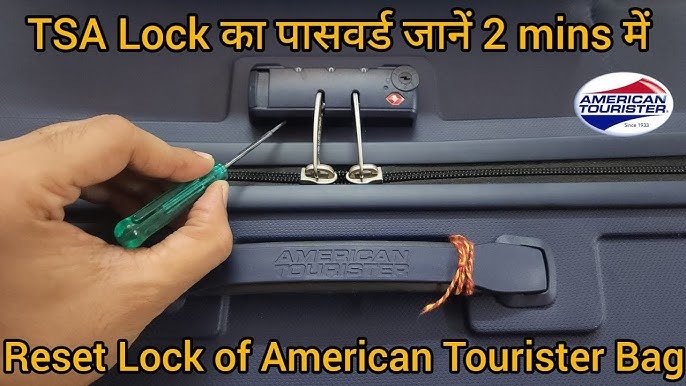
- Small flathead screwdriver – helps press reset buttons.
- Paperclip or pin – fits into tiny reset holes.
- Pen or pencil – useful for turning dials smoothly.
- Flashlight – improves visibility inside small lock areas.
Specialized Tools For Tsa Locks
- TSA master key – needed for authorized access only.
- Lock pick set – for professional use or emergencies.
- Combination decoder tool – reads current lock settings.
- Magnifying glass – helps see small reset mechanisms clearly.
Step-by-step Reset Process
Resetting your luggage lock code can feel tricky if you've never done it before. But once you understand the process, it becomes straightforward and quick. Here’s a clear, step-by-step guide to help you reset your luggage lock code with confidence.
Opening The Lock
Start by entering the current code to open the lock. If you’ve forgotten the code, check if the lock has a default setting like “000” or “123.” Some locks come with a small reset button or lever that only works when the lock is open, so unlocking it first is crucial.
If your lock won’t open, try gently pulling the shackle while rotating the dials. Sometimes this helps align the internal mechanism. Have you ever struggled with a lock that just wouldn’t budge? Patience here saves you from forcing and possibly breaking it.
Locating The Reset Mechanism
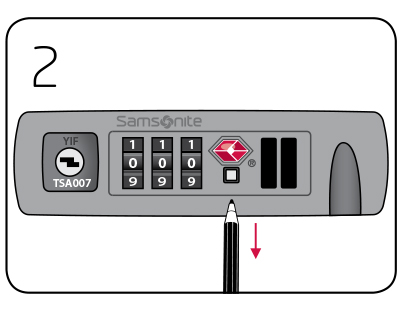
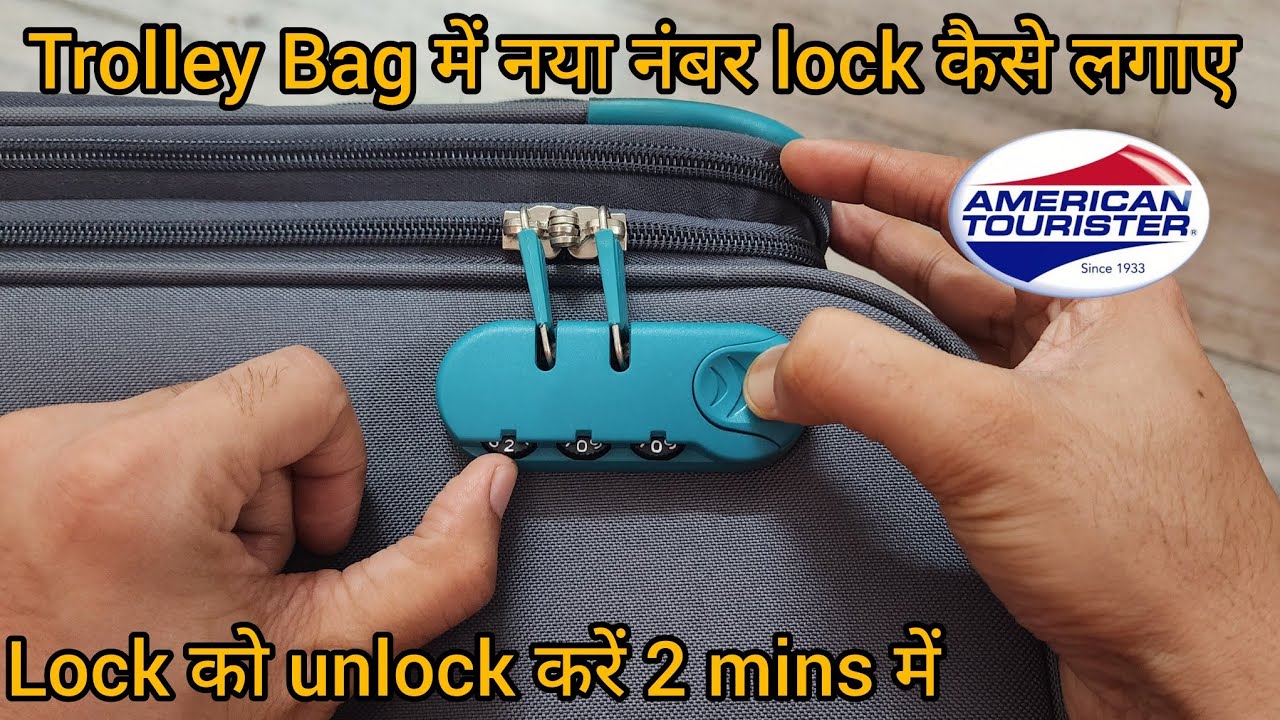
Once open, look closely for a reset button or lever. It’s often a small pinhole or a tiny switch near the dials or inside the lock’s body. Some locks require a pen tip or paperclip to press the button.
Not all locks have the reset mechanism in the same place. Take a moment to inspect both sides and the edges carefully. Missing this step could lead to frustration later on.
Setting A New Code
With the reset mechanism engaged, turn the dials to your desired new combination. Choose a code you can easily remember but avoid obvious sequences like “111” or “123.”
Think about a number meaningful to you but not easily guessed by others. Did you know some travelers use the last three digits of a memorable phone number or a special date?
Testing The New Code
Before closing the lock, test the new code several times. Rotate the dials away from the new combination and then try to open it again using your new code.
Confirm the lock opens smoothly every time. This simple test can save you from getting locked out during your next trip. Have you ever reached your destination only to realize your lock didn’t open? Avoid that hassle by double-checking now.
Tips For Choosing A Secure Code
Choosing a secure code for your luggage lock is essential. It keeps your belongings safe and prevents unwanted access. A strong code is easy for you to remember but hard for others to guess. Use these tips to create a reliable combination that protects your luggage.
Avoid Common Combinations
Steer clear of easy-to-guess codes like 1234 or 0000. Avoid birthdates, anniversaries, or simple sequences. These numbers are the first ones thieves try. Pick a code unrelated to your personal information. This reduces the risk of unauthorized access.
Use Memorable Patterns
Create a code based on a pattern you can recall easily. Think of shapes on the lock dial or numbers that form a simple path. For example, a diagonal or zigzag pattern. This helps you remember the code without writing it down. Keep the pattern unique to avoid common guesses.
Regularly Update Your Code
Change your luggage lock code regularly. This keeps your lock secure over time. Update it after each trip or every few months. Avoid using the same code repeatedly. Changing codes reduces the chance of someone learning your combination.

Credit: www.youtube.com
Troubleshooting Common Issues
Resetting your luggage lock code can sometimes hit a snag. Troubleshooting common issues will save you time and frustration. Let’s look at some problems you might face and how to fix them quickly.
Lock Won’t Open
Facing a lock that won’t open can feel like a dead end. First, double-check that you’re entering the correct code—sometimes the numbers can slip your mind. If you’re sure the code is right, try gently jiggling the lock while turning the dials; some locks need a little nudge to release.
If that doesn’t work, inspect the lock for dirt or debris blocking the mechanism. Use a small brush or compressed air to clean it out. Have you ever found that a tiny piece of lint or dust was the culprit? It’s often the small things that cause big problems.
Reset Button Stuck
A stuck reset button can stop you from changing your code. Don’t force it—this might break the lock. Instead, apply a small amount of lubricant like WD-40 to the button area and press it a few times to loosen it up.
If the button remains stuck, try pressing it while gently moving the dials. This combination sometimes frees the mechanism. Remember, patience is key here; rushing can cause damage you don’t want to deal with later.
Code Not Changing
It’s frustrating when you follow the steps but the code doesn’t change. Confirm you are holding the reset button down firmly while turning the dials. Releasing the button too soon is a common mistake that prevents the lock from updating.
If your lock still won’t accept the new code, try resetting it back to the factory default and starting over. Some locks require the new code to be set in a specific order—have you checked the instructions carefully? Small details often make a big difference.
Preventive Measures To Avoid Resetting
Resetting your luggage lock code can be frustrating and time-consuming. Avoiding the need to reset it in the first place saves you from unnecessary hassle. Taking simple preventive measures helps you keep your lock secure and accessible at all times.
Keep Code Records Safely
Write down your lock code and store it somewhere secure but easy to remember. A dedicated notebook or a password manager app can be great places to keep this information. You might think you’ll remember the code, but forgetting happens more often than you expect.
Have you ever struggled to recall a number you used just a few weeks ago? Keeping a backup record prevents that stress. Just make sure your record is protected from prying eyes to maintain your luggage’s security.
Regular Lock Maintenance
Locks can get stuck or malfunction if not cared for properly. Apply a little lubricant every few months to keep the mechanism smooth and responsive. Dirt and rust can build up and cause your lock to jam, making you think you need to reset it.
Check your lock regularly, especially before trips. This small habit helps you catch issues early and ensures your lock works perfectly when you need it most. Would you rather deal with a broken lock on vacation or fix it beforehand?
Use Backup Keys If Available
Some luggage locks come with backup keys for emergencies. Keep these keys in a safe but accessible place separate from your luggage. This gives you an alternative if you forget your code or the lock stops working.
Relying solely on the combination can be risky. Having a backup key saved me once when I couldn’t remember my code after a long trip. Do you have a backup plan for your lock?
Credit: www.samsonite.co.nz
Credit: www.youtube.com
Frequently Asked Questions
How Do I Reset A Luggage Lock Code Easily?
To reset a luggage lock code, find the reset button or lever. Press or slide it, then set your new code. Release the button to lock in the new combination. Always test the new code before traveling to avoid lockouts.
What Tools Are Needed To Reset A Luggage Lock?
Most luggage locks require no tools to reset. Some need a small pointed object like a pen to press the reset button. Check your lock’s manual for specific instructions to ensure accurate resetting without damage.
Can I Reset A Tsa-approved Luggage Lock Code?
Yes, TSA-approved locks can be reset using the reset mechanism. Follow the manufacturer’s instructions carefully. Usually, you must open the lock with the current code, press the reset button, and enter your new combination.
What If I Forget My Luggage Lock Code?
If you forget your code, try default combinations like 000 or 123. If unsuccessful, contact the lock manufacturer for recovery options or use professional locksmith services to avoid damaging your luggage.
Conclusion
Resetting your luggage lock code is simple. Follow these steps carefully. First, locate the reset button. Press it using a tool. Set your new code by turning the dials. Release the button. Test your code to ensure it works. Keep your code safe and easy to remember.
Resetting your lock enhances security. It provides peace of mind during your travels. No more worries about lost keys. Travel confidently with your secure luggage. Always remember your new code. Safe travels!