
Ever found yourself staring at an open bag of chips or snacks, wishing you had a clip to seal it up? You’re not alone.
This small dilemma can lead to stale food and wasted money. But here’s the good news: you don’t need a fancy clip to keep your snacks fresh. With just a few simple tricks, you can seal a bag without a clip and keep your treats crisp and delicious.
Imagine the satisfaction of knowing your snacks will stay fresh without the need to hunt for a clip every time. Intrigued? Let’s dive into the clever techniques that will transform the way you store your snacks, keeping them as fresh as the day you opened them.

Credit: m.youtube.com
Common Reasons To Seal Bags Without Clips
Sealing bags without clips is a handy skill that many overlook until the need arises. Whether you're in the middle of cooking or packing for a trip, not having a clip on hand shouldn't mean your food or items go to waste. Understanding why you might need to seal bags without clips can prepare you to handle unexpected situations efficiently.
Running Out Of Clips Or Seals
Have you ever opened a bag only to find you have no clips left? It happens more often than you think. Sometimes, clips break, get lost, or simply aren't available in your kitchen or pantry.
Instead of tossing the contents or transferring them to another container, sealing the bag without a clip can save time and reduce waste. It’s a quick fix that keeps your food fresh and your space organized.
Traveling Or On-the-go Situations
You might find yourself needing to seal a bag while traveling or during outdoor activities. Clips and seals can be bulky to carry, and sometimes you forget them altogether.
Knowing how to seal bags without clips helps you keep snacks fresh and prevents spills in your bag. It’s especially useful during hikes, picnics, or road trips when convenience matters most.
Environmental And Cost Concerns
Using clips repeatedly can add to plastic waste, and buying new clips can be an unnecessary expense. Many people aim to reduce waste and save money by using alternatives to plastic clips.
Sealing bags without clips reduces reliance on single-use plastics and helps you make the most of what you already have at home. It’s a small step toward a more sustainable lifestyle.
Emergency Situations And Unexpected Needs
Sometimes, you need to seal a bag quickly and don’t have any clips nearby. This could happen during a power outage, while camping, or even in a busy kitchen environment.
Being able to improvise and seal a bag without a clip can prevent food spoilage and keep your items secure. Have you ever faced a moment where a clip was nowhere to be found but you still needed to keep things fresh?
Credit: diyjoy.com
Using Heat To Seal Plastic Bags
Using heat to seal plastic bags is a simple and effective way to keep food fresh without clips. Heat melts the plastic slightly, creating a tight seal that stops air and moisture from entering. This method works well for many types of plastic bags like sandwich bags, freezer bags, and small storage bags.
Heat sealing is quick and requires only common household items. It helps save money and reduces waste by avoiding single-use clips or ties. Always be careful when using heat to avoid burns or damaging the bag.
Methods With A Hairdryer
A hairdryer can melt the plastic edges gently to seal a bag. Set the hairdryer to high heat and hold it close to the open edge of the bag. Move it slowly along the edge to warm the plastic evenly.
Press the heated edge together with your fingers or a flat object like a ruler. Wait a few seconds for the plastic to cool and stick. This method works best with thin plastic bags and smaller openings.
Sealing With An Iron
An iron can create a strong seal by applying heat and pressure. Place a piece of parchment paper or cloth over the bag’s open edge to protect it. Set the iron to a low or medium heat setting without steam.
Press the iron gently onto the covered edge for a few seconds. Move it slowly along the bag’s opening to melt the plastic evenly. Let the bag cool before handling to ensure the seal holds well.
Using A Candle Or Lighter
A candle or lighter flame can melt the plastic edge for sealing. Hold the bag’s open edge near the flame, but do not touch it directly to avoid burning. Slowly move the edge through the heat to soften the plastic.
Press the warmed edges together and hold until the plastic cools and sticks. This method works well for small bags but requires careful attention to prevent fire hazards. Always work in a safe area away from flammable materials.
Folding Techniques For Temporary Seals
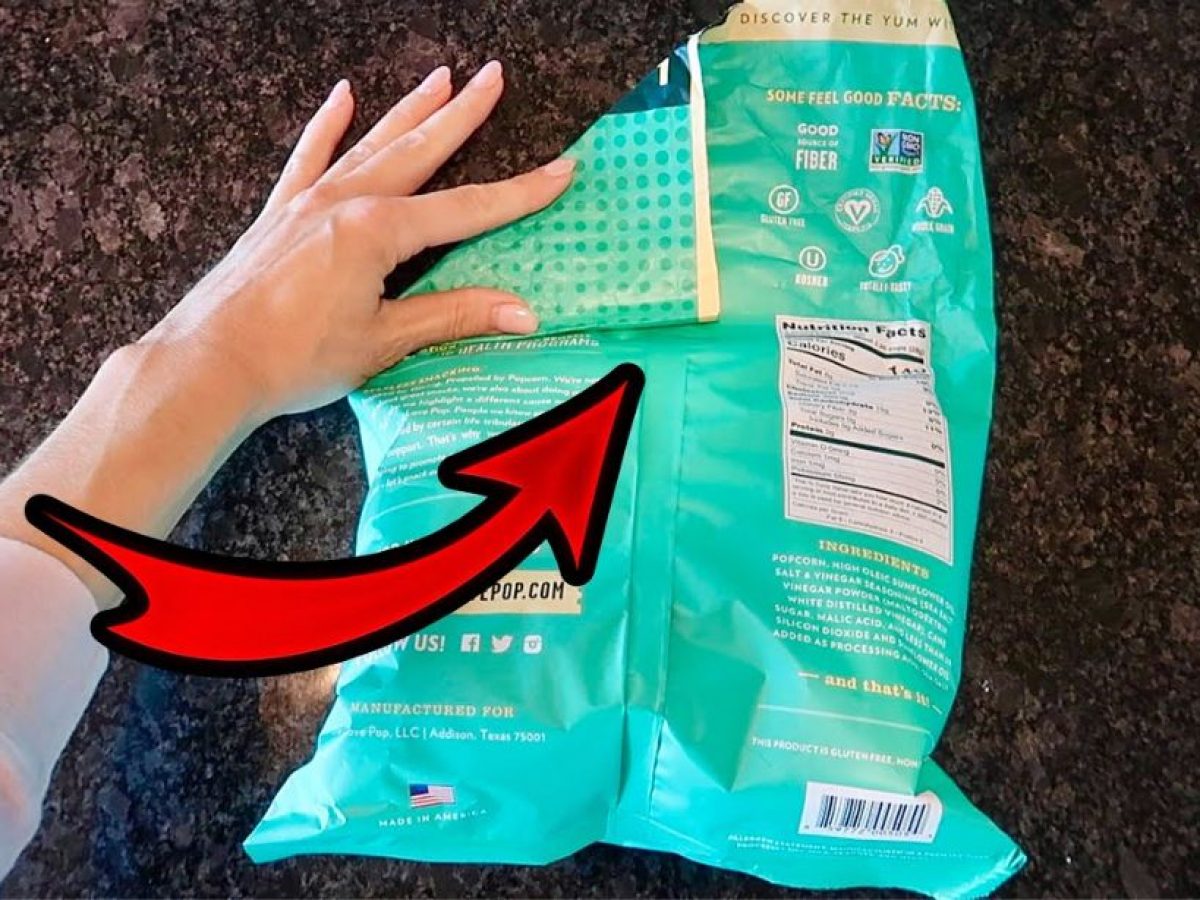
Sealing a bag without a clip is simple with folding techniques. These methods keep your food fresh and prevent spills. They work well for snacks, frozen foods, or leftovers. Each technique uses the bag's own material to create a tight seal. No extra tools needed.
Twist And Fold Method
Start by twisting the top of the bag tightly. Make sure no air is trapped inside. Then fold the twisted part down toward the bag’s body. Press the fold firmly to hold it in place. This creates a temporary seal that stops air and spills.
Rolling The Bag
Flatten the bag’s opening to remove extra air. Roll the top of the bag downward several times. Keep the roll tight and close to the food inside. Press the rolled part firmly against the bag’s body. This method keeps the bag closed and fresh.
Tying Knots
Gather the top edges of the bag together. Twist the edges tightly to make a small neck. Loop the twisted part around itself to form a knot. Pull the knot tight to secure the bag’s contents. This technique works best for strong plastic bags.
Household Items As Bag Sealers
Sealing a bag without a clip might sound tricky, but you probably have plenty of household items that can do the job just as well. These everyday objects are often right at your fingertips, making it easy to keep your food fresh without running to the store. You might be surprised how simple solutions can save your snacks from going stale.
Rubber Bands And Bands Alternatives
Rubber bands are one of the easiest and most effective tools for sealing bags. Just twist the top of the bag and wrap a rubber band around it tightly. This creates a secure seal that keeps air out and freshness in.
If you don’t have rubber bands, try hair ties or even twist ties from produce bags. These alternatives work just as well and are usually found in most homes. Have you ever noticed how a simple hair tie can double as a bag sealer?
Using Zip Ties Or String
Zip ties are incredibly strong and perfect for sealing bags tightly. Simply twist the bag’s opening, loop the zip tie around it, and pull it tight. The bag will stay closed until you cut the tie, making it a great option for long-term storage.
If zip ties aren’t available, string or thin shoelaces can do the trick too. Wrap the string around the twisted bag top several times and tie a knot. This method is surprisingly secure and reusable, perfect for snacks or leftovers.
Repurposing Bread Ties
Bread ties are designed to keep bread fresh, so why not reuse them for other bags? These small plastic or wire fasteners are easy to twist and lock. You can use bread ties on bags of chips, frozen vegetables, or even craft supplies.
Keep a few bread ties handy in your kitchen drawer—you’ll find they save time and reduce waste. Next time you open a new loaf, save the tie and see how many other bags you can seal with it!
Creative Hacks For Sealing Bags
Sealing a bag without a clip doesn’t have to be a hassle. With a little creativity, everyday items around your home can keep your snacks fresh and prevent spills. Let’s dive into some clever hacks that really work when you need a quick and easy bag seal.
Binder Clips And Paper Clips
Binder clips are a surprising lifesaver for sealing bags tightly. Their strong grip holds thick or thin bags shut, whether it’s chips or frozen veggies. You can even use paper clips if you’re out of binder clips—they work well on smaller bags and are easy to find in most homes.
Try folding the open edge of your bag a couple of times before clipping it. This adds extra protection against air sneaking in. Have you ever noticed how a binder clip can keep your cereal fresh for days? It’s a simple trick that saves you money and waste.
Using Straws To Create Airtight Seals
Did you know a straw can do more than just sip your drink? Slide a straw inside your bag’s opening, then fold the plastic tightly around it. Pinch the bag closed and seal the fold with a twist or a small clip.
This creates an airtight seal by trapping the air inside the straw, preventing the bag from opening accidentally. It’s a great option for snack bags on the go or sandwich bags in your lunchbox. Next time you pack a snack, try this and see how long it stays fresh.
Clothespins And Other Clips
Clothespins are not just for hanging laundry—they work perfectly to seal bags too. Their wooden or plastic grip is firm and wide, which helps keep bags closed without slipping.
You can also look around for other clips like hair clips or chip bag clips. Many of these are designed to hold tightly and can double as a bag sealer in a pinch. What other items do you have nearby that could keep your bags sealed? Sometimes, the best solutions are right in front of you.
Tips For Maintaining Freshness Without Clips
Keeping food fresh without clips can be simple with the right strategies. Proper sealing helps preserve flavor and prevent spoilage. These tips focus on easy ways to maintain freshness using common household items and smart storage ideas.
Storing Bags In Airtight Containers
Transfer opened bags into airtight containers to block air and moisture. Containers come in various sizes and shapes to fit different food types. Glass or plastic containers with tight lids work best.
This method stops air from entering the bag and slows down spoilage. It also prevents odors from mixing with other foods in the fridge.
Using Vacuum-sealing Techniques
Remove air from bags by pressing out excess air manually before sealing. Fold the bag edge tightly and press down to push air out. Seal the bag by twisting and tucking the end under the bag.
Vacuum-sealing reduces oxidation and moisture loss. It works well for chips, nuts, and dried fruits. This simple technique extends freshness without special tools.
Best Practices For Different Food Types
- Dry foods:Keep them in cool, dry places and use airtight containers.
- Fresh produce:Store in perforated bags or containers that allow some airflow.
- Leftovers:Use sealed containers and refrigerate promptly.
- Baked goods:Wrap tightly in plastic wrap or foil before storing in a container.
Adjust storage to each food type’s needs for best freshness. Avoid mixing wet and dry items in the same bag or container.
When To Consider Alternative Storage Solutions
Sometimes sealing a bag without a clip is not enough to keep food fresh. Certain items need better protection to stay good longer. Knowing when to switch to other storage options can save food and reduce waste.
Different foods have different needs for storage. Some need airtight containers or resealable bags. Others might need freezing or refrigeration. Choosing the right storage helps keep food safe and tasty.
Foods That Lose Freshness Quickly
Fresh fruits and vegetables can spoil fast in open bags. Moisture and air cause them to rot. Alternative storage like airtight containers slows this process. It keeps produce crisp and fresh longer.
Items That Attract Pests
Dry goods like flour, rice, and cereals attract bugs easily. Open or loosely sealed bags invite pests inside. Using sealed jars or plastic containers protects food. It also keeps pantry clean and safe.
Foods That Release Strong Odors
Onions, garlic, and cheese have strong smells. Open bags let odors spread to other foods. Airtight containers stop smells from mixing. They keep fridge and pantry fresh.
Long-term Food Storage
For storing food for weeks or months, bags may fail. Air and moisture cause spoilage over time. Vacuum-sealed bags or plastic containers work better. They extend shelf life and save money.
When Convenience Is A Priority
Some storage methods are easier to use than bag sealing. Stackable containers save space and organize better. Resealable bags offer quick access. Choose what fits daily habits and kitchen style.

Credit: www.tasteofhome.com
Frequently Asked Questions
How Can I Seal A Bag Without Using Clips?
You can seal a bag by folding the top tightly, then rolling or twisting it. Use a rubber band or string to secure it.
What Household Items Help Seal Bags Without Clips?
Common items like rubber bands, twist ties, or string work well to seal bags tightly without clips.
Is Heat Sealing A Bag Without A Clip Possible?
Yes, you can use heat by folding the bag’s top and pressing it with a warm iron or pan.
Can I Reuse Sealed Bags Without Clips?
Absolutely! Bags sealed without clips can be reused if sealed tightly and stored properly to maintain freshness.
Conclusion
Sealing a bag without a clip is easy and useful. You can try folding, twisting, or tying methods. Each way keeps food fresh and stops spills. These tricks work well in the kitchen or on the go. Practice a few times to find your favorite method.
Saving money and avoiding waste feels good. Keep bags sealed tight, and your snacks stay safe. Simple steps make a big difference every day. Try these tips next time you need to close a bag fast.