
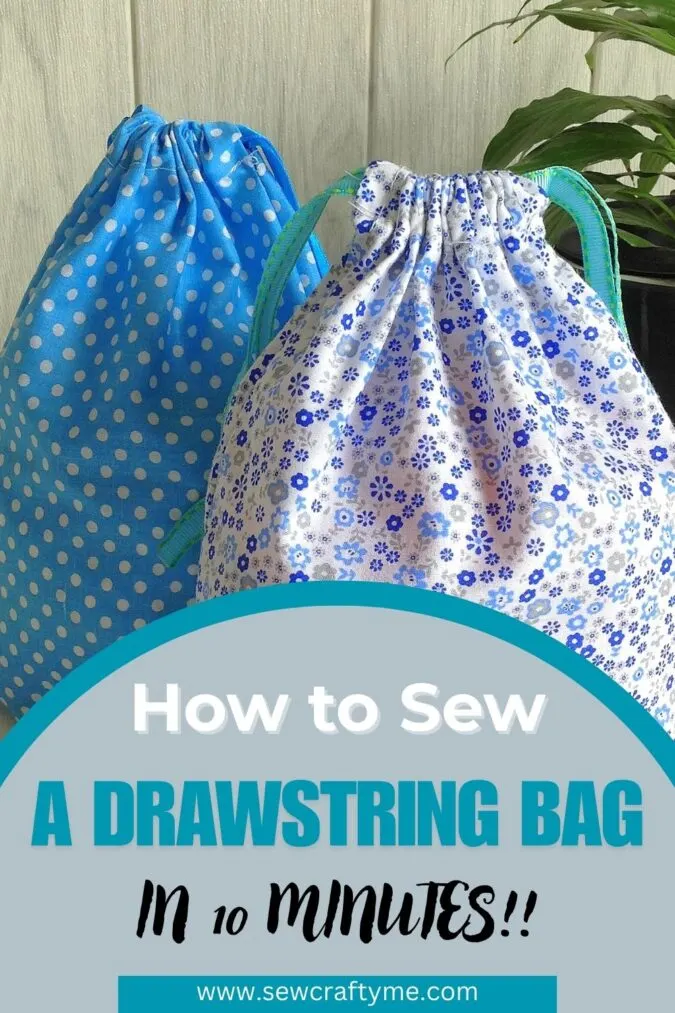
Are you looking for a quick and satisfying sewing project? Imagine crafting a handy, stylish drawstring bag in mere minutes.
It sounds like magic, but with the right steps and a touch of creativity, you can make it happen. Whether you're a seasoned sewing enthusiast or just starting out, this simple project promises instant gratification. Plus, it’s incredibly versatile—perfect for gifts, organizing your essentials, or adding a personal touch to your travels.
Dive into this guide, and discover how you can effortlessly create a drawstring bag that not only serves a purpose but also showcases your unique style. Ready to unleash your creativity and see immediate results? Let’s get started!

Credit: www.youtube.com
Materials Needed
Gathering the right materials is the first step toward sewing a drawstring bag quickly and efficiently. Having everything at hand not only speeds up the process but also ensures your bag looks and feels just right. Let’s break down what you’ll need to get started.
Fabric Choices
Pick a fabric that matches your bag’s purpose. Cotton is a popular choice because it’s easy to work with and washes well. Canvas offers durability if you want a sturdier bag, while lightweight nylon works great for water-resistant options.
Think about the bag’s use—will it carry heavy items or be more decorative? A thicker fabric might slow you down slightly but adds strength. Feel the fabric before you buy; sometimes what looks good online doesn’t feel right in your hands.
Required Tools
- Sewing machine:Speeds up stitching and gives a professional finish.
- Scissors or rotary cutter:Clean cuts make sewing easier.
- Measuring tape or ruler:Ensures your pieces are the right size.
- Pins or clips:Hold fabric layers together while sewing.
- Thread:Choose a color that matches or contrasts with your fabric.
I once tried sewing a bag without a proper measuring tape and ended up with uneven sides. Having the right tools really cuts down mistakes and frustration.
Optional Accessories
- Drawstring cord or ribbon:Essential for the bag’s closure; choose a material that slides easily through the casing.
- Eyelets or grommets:Reinforce the holes where the drawstring passes through, adding durability and style.
- Decorative patches or fabric paint:Personalize your bag with fun designs or names.
Adding eyelets might take a bit more time, but it keeps the drawstring from fraying and makes your bag last longer. What small upgrade could make your bag uniquely yours?

Credit: creativefashionblog.com
Preparing The Fabric
Preparing the fabric is a key step in sewing a drawstring bag quickly. It ensures your bag looks neat and fits well. Taking time here saves effort later. Follow simple steps to get your fabric ready for sewing.
Measuring And Cutting
Start by measuring the fabric pieces carefully. A typical drawstring bag needs two rectangles of equal size. Use a ruler and fabric chalk to mark the dimensions clearly.
Cut along the marked lines with sharp fabric scissors. Keep the edges straight for easy sewing. Avoid cutting too small; add extra space for seams.
Marking Seam Allowances
Mark seam allowances around each fabric piece. Usually, a ½ inch allowance works well. Use fabric chalk or a washable marker for clear lines.
Seam allowances give room to sew pieces together without shrinking the bag. Marking them before sewing helps maintain even edges. Double-check your marks to avoid mistakes.
Sewing The Main Body
Sewing the main body of your drawstring bag is where your project starts to take shape. This part focuses on creating the foundation—the pouch that will hold everything. It’s simple, quick, and a great chance to practice neat stitching and fabric handling.
Folding And Pinning
Begin by folding your fabric in half, right sides facing each other. This means the side you want visible on the outside should be inside the fold. Align the edges carefully to keep the bag symmetrical.
Next, secure the fabric with pins along the sides. Pinning keeps the layers from shifting while you sew, making your stitches straight and even. Place pins about every 2-3 inches to hold the fabric firmly without creating bulk.
Stitching The Sides
Now, sew along the pinned edges using a straight stitch. Keep your seam allowance consistent—usually about ½ inch. This gives your bag strength without wasting fabric.
Remember to backstitch at the beginning and end to lock your stitches in place. This simple step prevents your seams from unraveling after use. If your machine has a speed control, slow down for corners to keep your stitching precise.
Have you noticed how a well-stitched seam can make your bag look professional? Taking your time here pays off with a durable and neat finish. Try pressing the seams open with an iron after sewing; it helps the bag sit better and makes the next steps easier.
Creating The Drawstring Channel
Creating the drawstring channel is a crucial step in sewing a drawstring bag. This part holds the cord that lets you open and close the bag easily. Getting this right ensures your bag looks neat and functions smoothly.
Folding The Top Edge
Start by folding the top edge of your fabric down to create the channel. The fold should be wide enough to fit the drawstring comfortably—usually about 1 to 1.5 inches. Use an iron to press the fold flat; this keeps the fabric in place and makes sewing easier.
Have you noticed how a simple press can save you time and improve your finish? I once skipped this step and ended up with a crooked channel that made threading the drawstring a hassle. Take a moment to press, and your sewing will be smoother.
Sewing The Casing
Next, sew close to the lower edge of the folded fabric to create the casing for the drawstring. Keep your stitches straight and consistent so the channel looks professional and strong. Leave a small opening on one side to thread your drawstring through.
Using a sewing machine foot guide helps maintain an even seam. If you don’t have one, mark your sewing line with a fabric pen for accuracy. This small detail makes a big difference in the final look of your bag.
Inserting The Drawstring
Inserting the drawstring is a key moment in making your drawstring bag functional and easy to use. It’s where your simple fabric creation turns into a practical item you can carry or store things in. The process might seem tricky, but with the right tools and a bit of patience, you’ll have your drawstring in place quickly.
Choosing The Drawstring
Picking the right drawstring affects both the look and feel of your bag. You want something sturdy but flexible enough to slide smoothly through the casing. Common choices include:
- Cotton cord:Soft and natural, easy to handle, and comfortable on your hands.
- Nylon rope:Stronger and more durable, great for heavier bags or outdoor use.
- Ribbon or fabric strips:Adds a decorative touch but may wear out faster.
Consider the bag’s purpose before choosing. Will it carry heavy items? Or is it more about style? Your choice will influence how well the drawstring performs every day.
Threading Techniques
Threading the drawstring can be the most fiddly part, but a few tricks make it easier. Here’s what worked well for me:
- Safety pin method:Attach a small safety pin to one end of the drawstring. Use it as a guide to push and pull the string through the bag’s casing.
- Using a bodkin or loop turner:These tools are designed to slide through narrow channels and pull the drawstring along smoothly.
- Paperclip or straw:If you don’t have specialized tools, a straightened paperclip or a drinking straw can help guide the drawstring.
Don’t rush it. If the drawstring gets stuck, gently wiggle it back and forth instead of forcing it. This reduces the risk of tearing the fabric or casing.
Have you tried threading a drawstring before? What tools made it easier for you? Sometimes the simplest household items become the best helpers in sewing projects.

Credit: www.youtube.com
Finishing Touches
Finishing touches can make your drawstring bag stand out and last longer. These small details not only enhance the bag’s look but also improve its durability. Taking a few extra minutes here can turn a simple project into something you’re proud to use or gift.
Securing The Ends
To keep your drawstrings from slipping out or fraying, secure the ends properly. You can tie a simple knot at each end of the cord, but for a cleaner look, try adding a small dab of clear nail polish or fabric glue on the knots. This prevents the string from unraveling and adds a polished finish.
If you’re working with raw fabric edges on the bag itself, use a zigzag stitch or a serger to stop fraying. These stitches lock the edges firmly and give your bag a professional touch. Have you ever noticed how a little stitch detail can completely change the feel of a handmade item?
Adding Decorative Elements
Decorations can personalize your drawstring bag and make it truly unique. Consider sewing on patches, attaching buttons, or using fabric paint to add patterns or designs. Even simple ribbon trims along the edges can make a big difference.
Think about what matches your style or the bag’s intended use. Would you like a cute floral patch for a garden tote, or maybe some bold stripes painted on for a gym bag? Adding these elements not only boosts the look but also tells your story through your craft.
Tips For Faster Sewing
Speeding up your sewing process doesn’t mean cutting corners on quality. It’s about working smarter with the right tools and clever tricks. These tips will help you finish your drawstring bag faster without losing any of the fun or satisfaction of sewing.
Using Efficient Tools
Choosing the right tools can shave off precious minutes from your project. A sharp rotary cutter cuts fabric faster and more accurately than scissors. Pair it with a self-healing cutting mat to keep your work neat and safe.
Invest in a sewing machine with adjustable speed control. This lets you sew quickly on straight lines and slow down on tricky curves. A magnetic pin holder keeps your pins handy and prevents you from hunting for them constantly.
Think about using clips instead of pins. They hold layers together securely and save time because you don’t need to unpin as you sew. Have you noticed how much smoother sewing gets when you don’t have to stop every few seconds to remove pins?
Time-saving Shortcuts
Streamline your process by prepping all materials before you start sewing. Cut all pieces at once and arrange them neatly. This reduces stop-and-start moments and keeps your focus sharp.
Try sewing long seams in one go without stopping to trim threads. Once the seam is complete, trim everything at once. It’s a small habit that speeds things up and keeps your workflow steady.
Skip unnecessary steps like ironing every seam if your fabric doesn’t require it. Instead, press only the critical areas for neatness. This keeps your project moving without sacrificing finish.
Common Mistakes To Avoid
Sewing a drawstring bag is fun and quick. Yet, some common mistakes can slow you down or cause problems. Avoid these errors to make your bag neat and strong. Paying attention to details helps you sew with confidence and achieve better results.
Fabric Handling Errors
- Not ironing fabric before cutting can cause uneven edges.
- Cutting fabric without a proper ruler leads to size mismatches.
- Ignoring fabric grain can make the bag twist or lose shape.
- Using the wrong type of fabric weakens the bag’s durability.
- Failing to pin fabric layers may cause slipping during sewing.
Sewing Inaccuracies
- Sewing too close to the edge can unravel the seams quickly.
- Skipping backstitching at the start and end weakens the bag.
- Pulling the fabric while sewing causes uneven stitches.
- Not following the seam allowance makes the bag smaller than planned.
- Forgetting to leave space for the drawstring channel stops functionality.
Frequently Asked Questions
How Long Does It Take To Sew A Drawstring Bag?
Sewing a basic drawstring bag takes about 15 to 30 minutes. Time depends on your sewing speed and skill level. Beginners might take a bit longer, but the process is straightforward and quick for all skill levels.
What Materials Are Needed For A Drawstring Bag?
You need fabric, drawstring cord or ribbon, scissors, pins, and a sewing machine or needle. Cotton or canvas works best. These simple materials keep the project easy and accessible for beginners and experienced sewers alike.
Can I Customize The Size Of The Drawstring Bag?
Yes, you can easily adjust the fabric dimensions to make any size bag. Just increase or decrease the length and width before cutting. This flexibility allows you to create bags for different purposes and needs.
Is A Sewing Machine Necessary For This Project?
A sewing machine speeds up the process but isn’t required. You can hand-sew the bag if you prefer. Hand-sewing takes more time but achieves the same neat and durable results.
Conclusion
Sewing a drawstring bag is quick and fun. You only need a few materials and simple steps. Practice will make your sewing better each time. These bags work great for gifts or personal use. Try making different sizes and colors next time.
Enjoy creating something useful with your own hands. Keep sewing and explore new projects soon.