
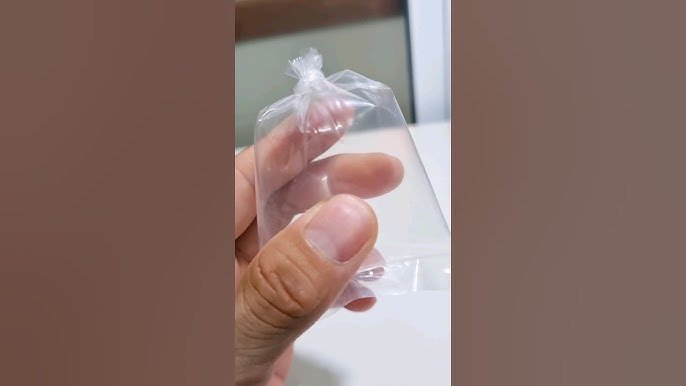
Ever found yourself struggling to tie a plastic bag securely? You’re not alone.
Whether you're packing lunch, storing leftovers, or disposing of trash, a well-tied plastic bag can make life a lot easier. Imagine never worrying about spills or messy leaks again. Picture the satisfaction of a neatly tied bag that stays closed until you decide to open it.
This small skill can save you time, reduce frustration, and even help keep your home tidier. In this guide, you’ll discover simple, foolproof methods to tie plastic bags perfectly every time. Ready to master this everyday task? Let’s dive in.

Credit: www.youtube.com
Choosing The Right Bag
Choosing the right plastic bag can make all the difference when you want to tie it securely and keep your items safe. Not every plastic bag is designed to hold tightly once knotted, so understanding what types work best will save you time and frustration. Let’s look at the options and find out which bags are easiest to seal.
Types Of Plastic Bags
Plastic bags come in various shapes, sizes, and thicknesses. Here are some common types you might have at home or find in stores:
- Grocery Bags:Thin and flexible, these are great for light items but can tear easily when tied tightly.
- Ziplock Bags:Designed with a built-in seal, they are perfect for airtight closure without tying.
- Trash Bags:Thick and durable, they are excellent for bulky or heavy items and hold knots well.
- Produce Bags:Lightweight and often perforated, these are not ideal for tight sealing.
Have you noticed how some bags slip through your fingers when tying? That’s usually the thin grocery or produce bags. Choosing a bag with enough thickness can make your knot hold better.
Best Bags For Sealing
When you want a strong, reliable knot, thicker bags like trash bags are your best bet. Their material grips well, so your knot won’t unravel easily.
Ziplock bags save you the trouble of tying altogether and provide a neat, reusable seal. However, if you must tie, opt for bags that have some texture or thickness to them.
Here’s a quick guide to help you pick the best bag for tying:
| Bag Type | Thickness | Ease of Tying | Best Use |
|---|---|---|---|
| Grocery Bags | Thin | Moderate | Lightweight items |
| Ziplock Bags | Medium | Not necessary | Food storage |
| Trash Bags | Thick | Easy | Heavy or bulky items |
| Produce Bags | Very thin | Difficult | Fresh fruits and vegetables |
Next time you grab a bag, ask yourself: will this hold my items securely if I tie it? If the answer is no, look for a stronger option. Your future self will thank you when your bag doesn’t pop open unexpectedly.
Basic Knot Techniques
Knowing basic knot techniques helps tie plastic bags quickly and securely. These simple knots keep the bag closed and protect its contents. Learning these knots saves time and reduces spills.
Simple Twist And Tie
Gather the open ends of the plastic bag together. Twist the gathered part tightly to form a firm bundle. Loop the twisted section around itself to create a knot. Pull the end through the loop to secure it. This method works well for light to medium loads.
Double Knot Method
Start by twisting the bag's open end as in the simple twist. Tie the first knot by looping the twisted section and pulling it tight. Then, make a second knot right after the first one. This extra knot adds strength and prevents slipping. Use this method for heavier or leak-prone contents.
Advanced Sealing Tricks
Advanced sealing tricks make tying plastic bags more secure and hassle-free. These techniques go beyond the usual twist and knot, helping you keep contents safe and avoid spills. Once you master these, your bags won’t easily come undone, even with heavier or oddly shaped items.
Using A Loop Tie
The loop tie method creates a strong hold by forming a loop from the bag’s handles or edges. Start by pulling one handle through the other, creating a loop. Then, pull the end of the handle through that loop and tighten it firmly.
This technique works great if your bag has sturdy handles or edges. It keeps the bag sealed without excessive twisting, which can damage thinner plastic. Have you noticed how some bags come with built-in handles? Using them this way can save you time and effort.
Fold And Knot Method
The fold and knot method adds extra layers of protection by folding the top of the bag before tying it. Begin by folding the bag’s opening down twice to make a thick band of plastic. Then, tie a simple knot with the folded part for a tighter seal.
This method is ideal for bags with loose or thin plastic that tears easily. The folded layer strengthens the plastic, reducing the chance of holes or breaks. Next time you pack leftovers, try this to keep freshness locked in and avoid leaks during transport.

Credit: www.poultryshrinkbags.com
Tools To Enhance Sealing
Sealing plastic bags tightly helps keep items fresh and secure. Using the right tools makes this task easier and more effective. Tools improve the seal and prevent spills or leaks. They also save time and reduce plastic waste by reusing bags.
Using Clips And Ties
Clips and ties are simple tools to seal plastic bags. They come in various shapes and sizes. Clips grip the bag opening firmly. They stop air and moisture from entering. Ties wrap around the bag neck and hold it closed. Twist ties are flexible and adjustable. Reusable silicone ties offer durability and a strong hold.
- Plastic or metal clips for quick sealing
- Twist ties for adjustable tightness
- Silicone bands for reusable sealing
These tools are affordable and easy to use. They keep snacks, leftovers, and other items fresh longer.
Heat Sealing Options
Heat sealing provides an airtight and waterproof closure. It uses heat to melt and fuse the plastic edges. This method works best for thin plastic bags. Small handheld sealers are available for home use. They create a smooth, strong seal in seconds.
- Handheld heat sealers for home use
- Impulse sealers for thicker plastic bags
- Iron or hair straightener in a pinch
Heat sealing prevents leaks and keeps food fresher. It is perfect for long-term storage or freezing. Always follow safety instructions when using heat tools.
Common Mistakes To Avoid
Tying a plastic bag may seem simple, but many make avoidable errors. These mistakes can cause spills, tearing, or difficulty carrying the bag. Understanding common pitfalls helps keep your bag secure and your items safe.
Overfilling The Bag
Packing too much into a plastic bag stretches it beyond its limit. The bag can tear or the knot may not hold properly. Overfilled bags are harder to carry and more likely to break.
Keep these tips in mind:
- Use multiple bags for heavy or bulky items.
- Leave some space at the top for tying the knot.
- Distribute weight evenly to avoid stress on one side.
Improper Knot Tightness
Tying a knot too loosely causes the bag to open easily. Too tight a knot can damage the bag or make it hard to untie later. Finding the right tightness is key.
Follow these guidelines:
- Pull the knot snug enough to hold but not tear the plastic.
- Double knot if extra security is needed.
- Practice to find a comfortable tightness level.

Credit: www.youtube.com
Tips For Different Uses
Tying a plastic bag properly changes based on its use. Different needs require different tying techniques. This helps keep things secure and fresh. Below are simple tips for common uses.
Sealing Food Bags
Keep food fresh by tying bags tightly. Remove excess air before sealing. Twist the top of the bag evenly. Fold the twisted part once or twice. Then, loop the end through the folded section. Pull gently to make a secure knot. This keeps food from spilling and slows spoilage.
- Use small knots for snacks or bread bags.
- Double knot if the bag holds liquids.
- Label bags after tying to track freshness.
Securing Garbage Bags
Stop garbage from spilling or smelling. Gather the bag’s edges evenly at the top. Twist the gathered part tightly. Make a loop with the twisted section. Pull the end through the loop to lock it. This prevents the bag from opening accidentally.
- Do not overfill the bag to avoid tearing.
- Tie a strong knot for heavy or wet trash.
- Use a second knot if the first feels loose.
Frequently Asked Questions
How Do You Tie A Plastic Bag Securely?
To tie a plastic bag securely, gather the handles or edges tightly. Twist them together and loop one handle around the twist. Pull it through to create a tight knot. This prevents spills and keeps contents safe during transport.
What Is The Easiest Way To Tie A Plastic Bag?
The easiest way is to twist the top of the bag and fold it over. Then, tuck the twisted part under the fold. This simple method holds the bag closed without complex knots or extra tools.
Can Plastic Bags Be Reused After Tying?
Yes, plastic bags can be reused if tied properly. Secure knots keep items fresh and prevent leaks. Reusing bags reduces waste and saves money, making it an eco-friendly choice.
Why Should I Tie Plastic Bags Before Disposal?
Tying plastic bags before disposal prevents messes and keeps waste contained. It stops liquids and small items from spilling out. This practice helps maintain cleanliness and aids in efficient waste handling.
Conclusion
Tying a plastic bag is simple and useful. Practice the steps a few times to feel confident. A well-tied bag keeps items secure and prevents spills. Use these tips daily to save time and avoid mess. Everyone can learn this easy skill with little effort.
Try different methods to find what works best for you. Keep bags tied tight for better storage and transport. Small actions like this make daily tasks smoother and cleaner.