
If you want to boost your strength, improve your endurance, and sharpen your focus, working out with a heavy bag is one of the best ways to do it. But how do you get started?
How can you make sure your training is effective and safe? This guide will walk you through everything you need to know to make the most out of your heavy bag workouts. By the end, you’ll feel confident, energized, and ready to take your fitness to the next level.
Ready to hit the bag and see real results? Let’s dive in.

Credit: www.legendsboxing.com
Choosing The Right Heavy Bag
Choosing the right heavy bag is key for a good workout. The right bag fits your training style and body strength. It helps improve your punches, kicks, and stamina. Picking the wrong bag can cause injury or slow progress. Understanding the types, weight, size, and material of heavy bags will guide your choice.
Types Of Heavy Bags
Heavy bags come in several types. Each type serves a different training purpose.
- Standard Heavy Bag:Great for punching and kicking. Usually cylindrical and hangs from the ceiling.
- Uppercut Bag:Designed for uppercuts and close-range punches. Shaped to help practice specific moves.
- Free-Standing Bag:Does not need hanging. Good for small spaces and easy to move.
- Double-End Bag:Attached by two points. Helps improve timing and accuracy.
Weight And Size Considerations
Choosing the correct weight is important. A bag too light moves too much. A bag too heavy strains your muscles.
- Beginners should start with a bag about half their body weight.
- Advanced users can choose heavier bags for more resistance.
- Height matters. Taller users need longer bags to practice kicks.
- Smaller bags help focus on speed and precision.
Material And Durability
Heavy bags come in different materials. Material affects feel and durability.
- Leather:Durable and soft. Feels natural but costs more.
- Vinyl:Affordable and tough. Good for beginners.
- Canvas:Breathable and sturdy. May wear out faster.
- Filled Bags:Filled with sand, cloth, or water. Each filling changes the weight and feel.
Choose a material that lasts and matches your budget.
Setting Up Your Training Space
Setting up your training space is the foundation of a productive workout with a heavy bag. Your environment influences how often you train and how well you perform each session. Creating the right setup not only protects your equipment but also keeps you motivated and safe.
Proper Bag Installation
Start by choosing a sturdy support for your heavy bag. Ceiling mounts or wall brackets designed for heavy bags work best to handle the bag’s weight and movement. Make sure the anchor point is secure—loose fittings can cause the bag to fall or swing unpredictably.
Check that the bag hangs at the correct height, roughly at your shoulder level. This positioning helps you practice punches and kicks naturally. Using chains or straps with adjustable lengths allows you to fine-tune the height as needed.
Safety Precautions
Clear the area around your bag from obstacles and fragile items. You need enough space to move freely without risking injury or damage. A minimum of three feet of clearance around the bag is a good rule.
Use gloves and hand wraps to protect your hands and wrists during workouts. Consider placing a mat under the bag to reduce noise and protect your floor. Always inspect the bag and mounting regularly for signs of wear to avoid accidents.
Creating A Comfortable Environment
Lighting matters more than you might think. Bright, natural light keeps you alert, while adjustable lighting lets you switch to softer tones for evening sessions. Ventilation is equally important—good airflow prevents overheating and keeps you fresh.
Add a fan or open windows to maintain air circulation. Keep water and a towel nearby to stay hydrated and wipe off sweat. Personal touches like motivational posters or your favorite music setup can also boost your energy and focus.
Essential Warm-up Exercises
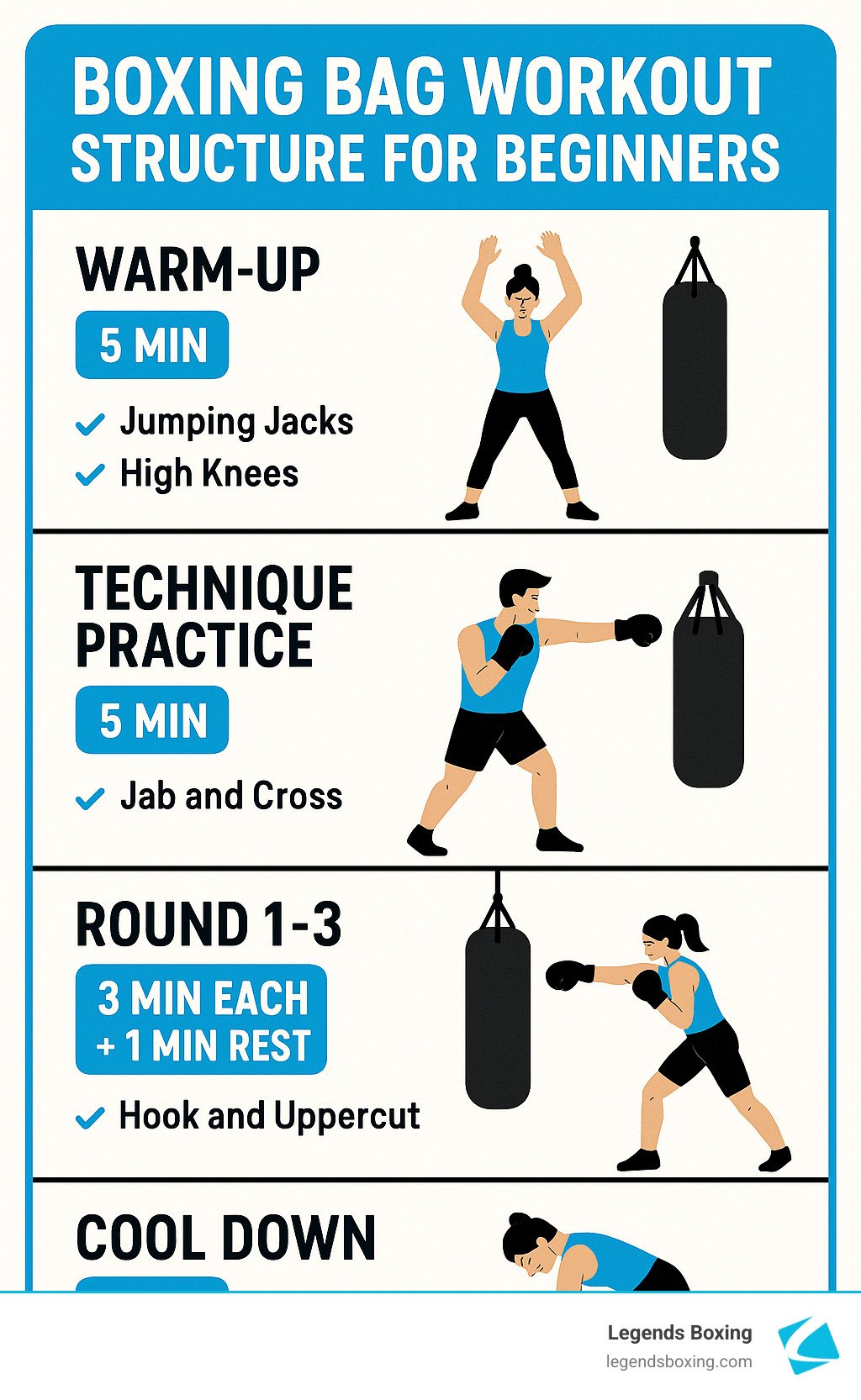
Warming up before hitting the heavy bag is crucial. It prepares your body for intense movement. Warm muscles reduce injury risk. Your heart rate should increase gradually. Your joints need to move freely. A good warm-up improves performance and stamina.
Dynamic Stretching
Dynamic stretching uses active movements to stretch muscles. It boosts blood flow to your limbs. Examples include leg swings, arm circles, and torso twists. These moves increase flexibility and range of motion. Avoid static stretches before heavy bag work. Dynamic stretches keep your body ready and alert.
Cardio Warm-ups
Cardio warm-ups raise your heart rate smoothly. Try jumping jacks, light jogging, or skipping rope. These exercises prepare your lungs and heart for effort. Spend 5 to 10 minutes on cardio. This step makes your workout safer and more effective.
Joint Mobility Drills
Joint mobility drills loosen your shoulders, hips, knees, and ankles. Perform circular motions with each joint. Include wrist rotations and neck rolls. These drills prevent stiffness and enhance movement quality. They help you deliver powerful strikes with the bag.
Basic Heavy Bag Techniques
Mastering basic heavy bag techniques is essential for building strength, improving coordination, and enhancing your overall fight skills. The heavy bag provides resistance and feedback, helping you refine your punches, kicks, and movements. Focusing on these basics will make your workouts more effective and keep you motivated to push harder.
Proper Stance And Footwork
Your stance is the foundation of every strike. Stand with your feet shoulder-width apart, one foot slightly ahead of the other, and knees slightly bent. This position helps you stay balanced and ready to move quickly.
Footwork is about control and mobility. Practice small, deliberate steps forward, backward, and side to side. Avoid crossing your feet to maintain stability and power in your punches.
Have you noticed how shifting your weight changes the speed and impact of your strikes? Experiment with pushing off your back foot to add extra force.
Basic Punches And Combinations
Start with the four basic punches: jab, cross, hook, and uppercut. The jab is quick and keeps your opponent at a distance, while the cross delivers more power from your rear hand.
Combine these punches in simple sequences like jab-cross or jab-cross-hook. These combinations help you develop rhythm and flow.
- Jab:Lead hand, quick and straight.
- Cross:Rear hand, powerful and straight.
- Hook:Lead hand, arcing punch to the side.
- Uppercut:Rear hand, rising punch aimed at the chin.
Try mixing punches with varying speeds. Can you keep your hands relaxed and snap your punches out quickly?
Kicks And Knee Strikes
Adding kicks and knee strikes increases your versatility and conditioning. Start with front kicks to the bag, pushing it away to build power and control.
Roundhouse kicks target the side of the bag and require pivoting on your supporting foot. This movement helps improve balance and hip flexibility.
Knee strikes come from a close distance and engage your core. Drive your knee upward into the bag while keeping your hands up for protection.
- Front Kick:Push with your ball of the foot, extend your leg straight.
- Roundhouse Kick:Pivot your foot, swing your leg in a circular motion.
- Knee Strike:Lift your knee sharply, push into the bag.
Have you tried combining punches with kicks? It challenges your coordination and makes your workout more dynamic.
Advanced Training Methods
Advanced training with a heavy bag pushes your skills beyond the basics. It builds strength, speed, and precision through focused exercises. These techniques improve your power, reflexes, and defensive skills simultaneously. Train smart to get the most from each session.
Power Punching Techniques
Focus on hitting the bag with force, not just speed. Use your hips and legs to drive punches. Keep your body aligned and engage your core for maximum power. Try variations like hooks and uppercuts with controlled strength. Rest briefly between sets to maintain explosive energy.
Speed And Agility Drills
Move quickly around the bag while throwing rapid punches. Incorporate footwork drills like side steps and pivots to stay light on your feet. Practice short bursts of fast punches followed by quick movements. Use timed intervals to challenge your endurance and speed together.
Incorporating Defensive Moves
Mix blocks, slips, and ducks with your punches to simulate real fight scenarios. After each combination, practice moving away or circling the bag. This trains your reaction time and keeps your body ready to defend. Use shadowboxing with the bag for smooth transitions between offense and defense.

Credit: www.youtube.com
Building Endurance And Strength
Building endurance and strength with a heavy bag requires focus and consistency. A heavy bag is excellent for boosting muscle power and stamina. Training regularly enhances your ability to sustain effort over time. It also helps develop stronger punches and better overall fitness.
Interval Training With The Bag
Interval training involves short bursts of intense work followed by rest. Hit the bag hard for 30 seconds, then rest for 15 seconds. Repeat this cycle for 10 to 15 minutes. This approach improves cardiovascular fitness and muscle endurance. It teaches your body to recover quickly and keep going.
Resistance And Conditioning Exercises
Use the heavy bag for resistance by pushing and controlling its movement. Throw punches with power and hold the bag to build upper body strength. Combine punches with bodyweight exercises like squats or lunges. This mix develops full-body conditioning and muscle tone. Conditioning exercises increase your ability to handle longer, tougher workouts.
Tracking Progress
Keep a workout journal to track your sessions and improvements. Note the number of rounds, punches thrown, and rest times. Measure how long you can maintain high intensity without losing form. Tracking helps identify strengths and areas that need work. It motivates you to push harder and stay consistent.
Avoiding Common Mistakes
Working out with a heavy bag can be incredibly effective, but it’s easy to fall into habits that slow your progress or cause injury. Avoiding common mistakes is key to making every session count and keeping your body in top shape. Understanding what not to do is just as important as knowing the right techniques.
Overtraining Risks
Hitting the heavy bag too often or for too long can wear down your muscles and joints. Your body needs time to repair, or you risk getting hurt or burning out quickly.
Listen to your body’s signals like persistent soreness or fatigue. Have you noticed your performance dropping after consecutive long workouts? That might be a sign to dial back and rest.
- Limit sessions to 3-4 times a week.
- Keep workouts between 20-30 minutes for beginners.
- Focus on quality punches, not just quantity.
Incorrect Form Issues
Throwing punches with poor technique can cause strain and reduce the benefits of your workout. You might feel powerful, but improper form risks wrist, shoulder, and back injuries.
Check your stance, hand position, and punch delivery regularly. Are your fists aligned, and do you rotate your hips correctly? Small adjustments can make a big difference.
- Keep your wrists straight to avoid sprains.
- Engage your core and hips for power, not just your arms.
- Maintain a balanced stance to prevent falls or twists.
Ignoring Recovery
Skipping recovery days or not stretching after workouts can lead to tight muscles and slower progress. Recovery boosts strength and helps prevent injuries.
Do you take time to cool down and stretch after your heavy bag sessions? Even a few minutes can improve flexibility and reduce muscle soreness.
- Incorporate light stretching post-workout.
- Use foam rolling to relieve muscle tension.
- Get enough sleep to allow your body to rebuild.

Credit: www.youtube.com
Post-workout Recovery Tips
After a heavy bag workout, your body needs attention beyond just finishing the session. Recovery is where progress happens, preventing injury and preparing you for the next round. Paying close attention to how you recover can make a huge difference in your performance and overall fitness journey.
Stretching And Cool Down
Don’t skip stretching right after your workout. It helps relax tight muscles and improves flexibility, which reduces soreness the next day.
Focus on dynamic stretches that target your shoulders, back, and legs—these areas take the brunt of heavy bag training. Try slow arm circles, hamstring stretches, and gentle torso twists to gradually bring your heart rate down.
Have you noticed how skipping a cool down leaves your muscles feeling stiff? Giving yourself a few minutes here can save you from that discomfort.
Hydration And Nutrition
Your body loses a lot of fluids through sweat during heavy bag sessions. Replenish by drinking water immediately after training and continue sipping throughout the day.
Eating a balanced meal or snack within 30 minutes helps repair muscle damage and restore energy. Include protein sources like chicken, beans, or yogurt, along with carbs such as rice or fruit.
Think about your last workout: did you refuel properly or feel drained afterward? Proper hydration and nutrition can change how you recover and perform next time.
Rest And Injury Prevention
Rest is not optional—it’s essential. Your muscles need time to rebuild stronger after all that pounding on the bag.
Listen to your body; persistent pain or unusual stiffness signals you to slow down. Adding rest days or light activity like walking can prevent injuries from becoming setbacks.
Consider using foam rollers or massage tools to ease muscle tightness. These small habits can keep you on track and injury-free for longer.
Frequently Asked Questions
How Do I Start Working Out With A Heavy Bag?
Begin with light punches to warm up. Focus on form and footwork. Gradually increase intensity as you build strength and endurance.
What Are The Benefits Of Heavy Bag Workouts?
Heavy bag workouts improve strength, endurance, and coordination. They also enhance cardiovascular health and help relieve stress effectively.
How Long Should A Heavy Bag Workout Last?
Start with 15-20 minutes per session. Gradually increase to 30-45 minutes as your stamina improves. Rest between rounds is essential.
What Techniques Are Best For Heavy Bag Training?
Use jabs, crosses, hooks, and uppercuts. Combine punches with foot movement for balance and power. Proper technique prevents injury.
Conclusion
Working out with a heavy bag boosts strength and endurance. It's simple and effective. Start slowly and build up your routine. Focus on form to prevent injuries. Consistency is key to seeing results. Track your progress to stay motivated. Mix it up to keep workouts exciting.
A heavy bag can transform your fitness journey. Remember to listen to your body and rest as needed. Enjoy the benefits of a stronger, fitter you. Keep challenging yourself, but have fun. The journey is just as important as the destination.