
When you're preparing for a trip, packing your bags is just one of the many tasks on your list. But, have you ever stopped to wonder whether you should lock your checked luggage?
It's a question that many travelers face. You might think locking your suitcase offers peace of mind, but is it always the best choice? We’ll dive into the reasons why you should or shouldn't lock your checked luggage. With travel safety being a top priority, understanding this simple yet crucial decision can make all the difference.
Stay with us to discover the pros and cons, and ensure your belongings remain secure on your next journey.
Risks Of Unlocked Luggage
Leaving luggage unlocked during travel carries several risks. Unlocked bags invite unwanted attention and can lead to lost or damaged belongings. Protecting your items starts with understanding these risks. Let’s explore common theft scenarios and potential damage concerns.
Common Theft Scenarios
Unlocked luggage is an easy target for thieves. Airport baggage handlers, cleaning staff, or other travelers may access your bag. Items like electronics, jewelry, and cash often disappear from unlocked bags.
- Theft at crowded baggage claim areas
- Pickpocketing during transit or layovers
- Unauthorized access in hotel rooms or lockers
Thieves often look for quick access to valuables. An unlocked bag makes their job easier.
Potential Damage Concerns
Unlocked luggage faces risks beyond theft. Bags may open accidentally during handling. Loose items can fall out or get damaged.
- Contents spilling out onto airport floors
- Damage to fragile items from impact
- Exposure to dirt, moisture, or weather
Locking luggage helps keep belongings secure and intact.

Credit: www.youtube.com
Benefits Of Locking Luggage
Locking your checked luggage offers clear benefits that protect your belongings. It adds a layer of security that helps avoid potential problems during travel. Travelers who lock their bags often feel safer and more relaxed. This simple step can make a big difference in your travel experience.
Deterrence Against Theft
Locked luggage discourages thieves from targeting your bag. It signals that your belongings are protected and not easy to access. Many opportunistic thieves look for easy targets. A locked suitcase reduces the chance of your items being stolen. Even a basic lock can be enough to keep most thieves away.
Peace Of Mind During Travel
Travel can be stressful. Knowing your luggage is locked helps you relax. You can focus on enjoying your trip instead of worrying about your bags. Peace of mind is valuable, especially in crowded airports and busy terminals. Locked luggage gives you confidence that your items are safe.
Types Of Luggage Locks
Choosing the right luggage lock protects belongings during travel. Different types of locks offer various levels of security and convenience. Understanding these types helps pick the best fit for your luggage needs.
Tsa-approved Locks
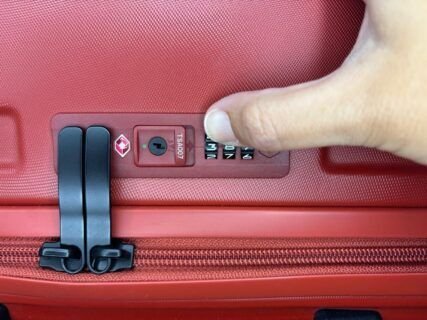
TSA-approved locks allow airport security to open luggage without damage. These locks have a special key for TSA agents. Travelers can lock bags securely and avoid broken zippers or locks. TSA-approved locks come in both combination and key varieties. They are ideal for checked luggage on domestic and international flights.
Combination Vs. Key Locks
Combination locks use numbers to open the luggage. No need to carry a key, which reduces loss risk. Resetting codes is easy for added security. Key locks require a physical key to unlock. They are simple but risk losing the key. Combination locks are popular for ease, while key locks suit those preferring physical keys.
Smart Locks And Technology
Smart locks use Bluetooth or apps to control luggage access. They provide alerts if someone tampers with the bag. Some models track luggage location via GPS. Smart locks offer convenience but need battery power. They suit tech-savvy travelers wanting enhanced control and monitoring.

Credit: www.forbes.com
Airline Policies On Locked Bags
Airline policies on locked bags vary widely. Many airlines allow locked luggage, but rules differ depending on the destination and security requirements. Passengers should know these policies to avoid luggage issues during travel. Understanding airline rules helps keep belongings safe and ensures smooth check-in and baggage handling.
Tsa Inspection Procedures
The Transportation Security Administration (TSA) inspects checked luggage for safety. TSA agents may need to open locked bags. Only TSA-approved locks can be opened by security without damage. Bags locked with non-approved locks risk being cut open. TSA agents reseal inspected bags with a special notice. This process ensures safety while respecting passenger security.
Restrictions And Recommendations
- Use TSA-recognized locks for checked luggage.
- Avoid locking bags if unsure about airline rules.
- Pack valuables in carry-on bags to avoid loss.
- Check airline websites for specific baggage policies.
- Label bags clearly with contact information.
Following these tips reduces the chance of luggage damage or loss. Knowing airline restrictions helps travelers protect their belongings.
Security Tips For Checked Luggage
Keeping checked luggage safe requires smart planning and simple actions. These security tips help reduce risks and protect your belongings during travel. Small steps can make a big difference.
Packing Valuables Strategically
Place valuable items in carry-on bags, not checked luggage. If you must pack valuables in checked bags, wrap them in soft clothes. This hides them and offers extra protection. Avoid packing expensive jewelry or important documents in checked luggage.
Using Luggage Wrapping Services
Luggage wrapping adds a layer of plastic around your suitcase. This prevents tampering and keeps your bag sealed. Wrapping also protects against dirt and damage. Many airports offer this service near check-in counters.
Labeling And Identification
Attach clear, sturdy tags with your name and contact details. Use a covered ID tag to avoid public exposure of personal information. Include a second label inside the bag for backup. Bright or unique tags help spot your luggage quickly.
Credit: www.smh.com.au
Alternatives To Locking Luggage
Locking luggage is a common practice for travelers. Still, it is not the only way to protect belongings during a trip. Some choose different approaches to keep their items safe and avoid the hassle of lost keys or forgotten codes. Exploring alternatives can offer peace of mind and flexibility.
Using Carry-on Bags
Carry-on bags allow travelers to keep valuables close. Items stay within sight and reach during the journey. This reduces the risk of theft or loss. Small, lightweight bags fit essentials like passports, wallets, and electronics.
Benefits include:
- No need to lock or unlock luggage.
- Easy access to important items.
- Less chance of lost or damaged belongings.
Travel Insurance Options
Travel insurance covers lost, stolen, or damaged luggage. It offers financial protection without physical locks. Travelers can file claims for essential items and get reimbursement.
Insurance plans differ. Some cover only specific items or situations. Choosing a plan that fits personal needs is crucial. This option helps reduce worry over luggage safety.
Frequently Asked Questions
Is It Safe To Lock Checked Luggage During Air Travel?
Yes, locking checked luggage is generally safe. Use TSA-approved locks to allow security inspections without breaking your lock.
Can Tsa Open Locked Checked Bags Without Damage?
TSA agents can open TSA-approved locked bags using special tools. This prevents damage and ensures smooth security checks.
What Are The Risks Of Not Locking Checked Luggage?
Unsecured luggage is vulnerable to theft or tampering. Locking reduces the chance of unauthorized access to your belongings.
Are All Luggage Locks Accepted By Airlines?
No, airlines recommend TSA-approved locks for checked bags. Non-TSA locks may be cut if inspection is needed.
Conclusion
Locked luggage offers extra security during travel. It helps keep your belongings safe from theft. Yet, some locks may be broken by airport staff. Choose TSA-approved locks to avoid this issue. Always weigh the risks and benefits before locking bags.
Stay aware of airline rules about luggage security. Protect your items but stay flexible for inspections. Safe travels start with smart packing choices.