
You're preparing for your next adventure, and your bags are almost packed. But there's one lingering question in your mind: Should you lock your checked luggage?
This seemingly small decision can make a big difference in your travel experience. Imagine the peace of mind you'll feel knowing your belongings are secure and untouched. On the other hand, what if a locked suitcase attracts unwanted attention or causes delays at airport security?
It's a dilemma many travelers face, and understanding the pros and cons can help you make the best choice. Dive into this article to explore expert insights and practical tips that will guide you to a confident decision. Your journey to worry-free travel starts here.
Why Lock Your Checked Luggage
Locking your checked luggage might seem like an extra hassle, but it offers clear benefits that can save you from a lot of trouble during your trip. You might think airports have secure systems, yet luggage theft and mishandling still happen more often than you expect. Taking a few seconds to lock your bag can protect your belongings and give you peace of mind.
Preventing Theft
Theft can happen anywhere—from busy airport terminals to baggage claims crowded with travelers. A locked suitcase acts as a simple but effective deterrent. It signals to potential thieves that accessing your belongings won’t be easy, making your luggage a less attractive target.
Think about that time you heard stories of someone’s laptop or valuables disappearing from their bag. Wouldn’t you want to avoid that? Locking your luggage reduces the risk, especially if you carry items like electronics, jewelry, or cash.
Protecting Personal Items
Your luggage holds more than just clothes—it often contains personal and important items you wouldn’t want damaged or lost. A locked bag keeps your belongings secure inside, preventing unauthorized people from rummaging through or accidentally removing things.
Imagine your travel documents or medication slipping out during transit. A lock helps keep everything intact and in place, so you won’t face last-minute stress searching for essentials. It’s a simple step that helps safeguard your trip.
Avoiding Accidental Opening
Ever had your suitcase pop open on the baggage carousel? That’s not only embarrassing but can also lead to lost or damaged items. A lock ensures your luggage stays firmly closed throughout your journey.
Even if your bag has strong zippers, rough handling can cause them to unzip slightly. A lock adds extra security, keeping your belongings together and preventing any accidental spills. Isn’t it better to avoid that hassle entirely?

Credit: www.travelsentry.org
Types Of Luggage Locks
Choosing the right luggage lock can make a big difference in your travel experience. Locks vary in design, security level, and convenience. Understanding the types available helps you pick one that fits your travel style and needs.
Tsa-approved Locks
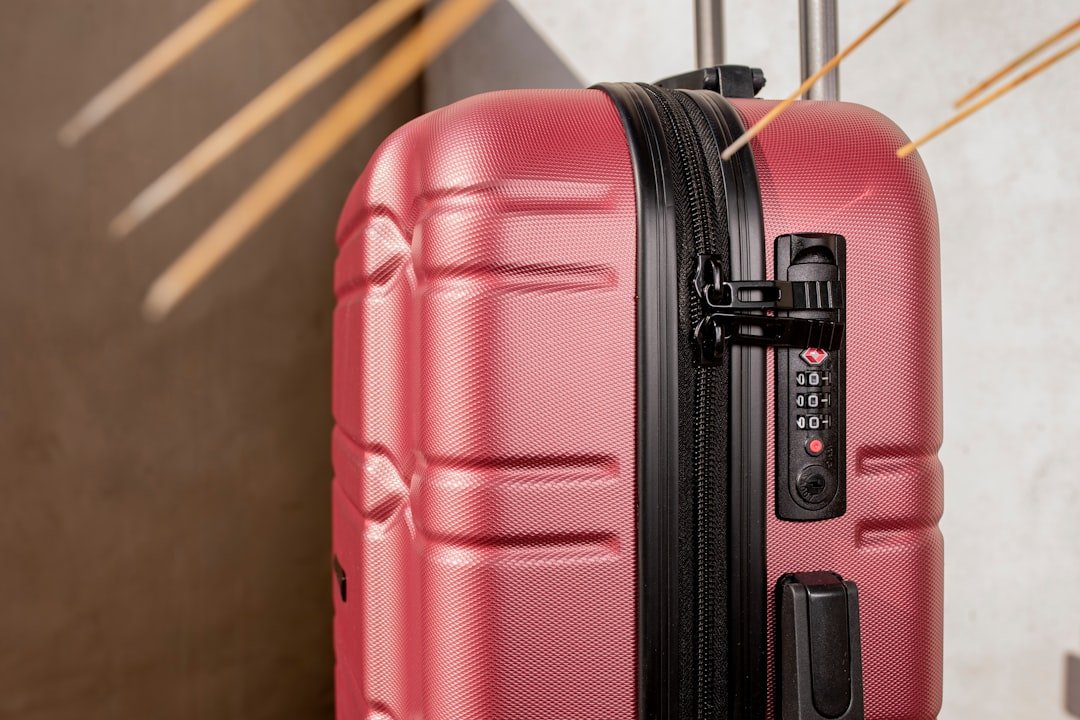
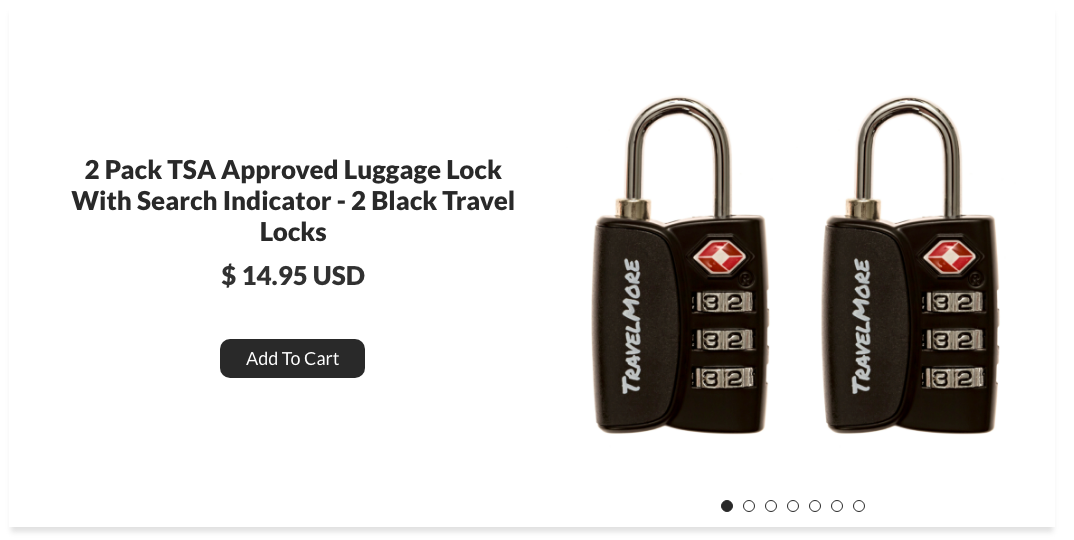
TSA-approved locks allow airport security to open and inspect your luggage without breaking the lock. These locks have a special key that only TSA agents possess. If you’ve ever had a lock cut off at the airport, a TSA-approved lock could save you that hassle.
They come in both combination and keyed versions. If you travel frequently to the U.S., using a TSA-approved lock is almost a necessity. It keeps your luggage secure while complying with security regulations.
Combination Locks
Combination locks let you set a numeric code instead of using a key. This means no need to carry extra keys that can get lost. Just remember your code, and you’re set.
These locks are convenient but can be vulnerable if someone guesses the code. Choose a lock with a longer combination for better security. Have you ever forgotten a combination? It’s a good idea to write it down somewhere safe.
Keyed Locks
Keyed locks use physical keys to secure your luggage. They often provide a stronger sense of security compared to combinations, especially if you prefer not to deal with codes. However, losing the key can be a real headache during travel.
Some travelers like keyed locks because they feel more reliable. If you pick one, keep a spare key in a separate place, like your carry-on or with a travel companion. This simple trick can save you time and stress.
Cable And Strap Locks
Cable and strap locks offer flexible security options for various types of bags. Instead of just locking zippers, these locks can secure multiple bags or attach luggage to fixed objects. They are lightweight and easy to carry.
These locks are great if you want to keep your bags together or secure items like backpacks to a chair. Think about how you travel—would a cable lock help prevent quick grab-and-run theft? Their versatility makes them worth considering.
Airport Security And Locking Rules
Understanding airport security and locking rules helps travelers protect their checked luggage. Different airports and countries have specific rules for locks. Knowing these rules reduces hassle and keeps belongings safe during travel.
Tsa Guidelines
The Transportation Security Administration (TSA) allows travelers to use locks on checked bags. These locks must be TSA-approved. TSA agents have special keys to open these locks. This lets them inspect luggage without breaking the lock. Non-TSA-approved locks may be cut off if inspection is needed.
Choosing a TSA-approved lock helps keep luggage secure and avoids damage. These locks are available at most travel stores and online. Remember, TSA does not guarantee luggage will not be opened. Their focus is on safety and security screenings.
International Travel Considerations
Different countries have different rules about locking checked luggage. Some countries do not allow locks that cannot be opened by customs officials. Others require luggage to be unlocked for inspection. Research the rules of your destination before you lock your bags.
Using a lock with a combination or key may not always be safe internationally. Customs agents might break locks during checks. Consider using luggage straps or tamper-evident seals as alternatives. These methods show if luggage has been opened.
Security Screening Procedures
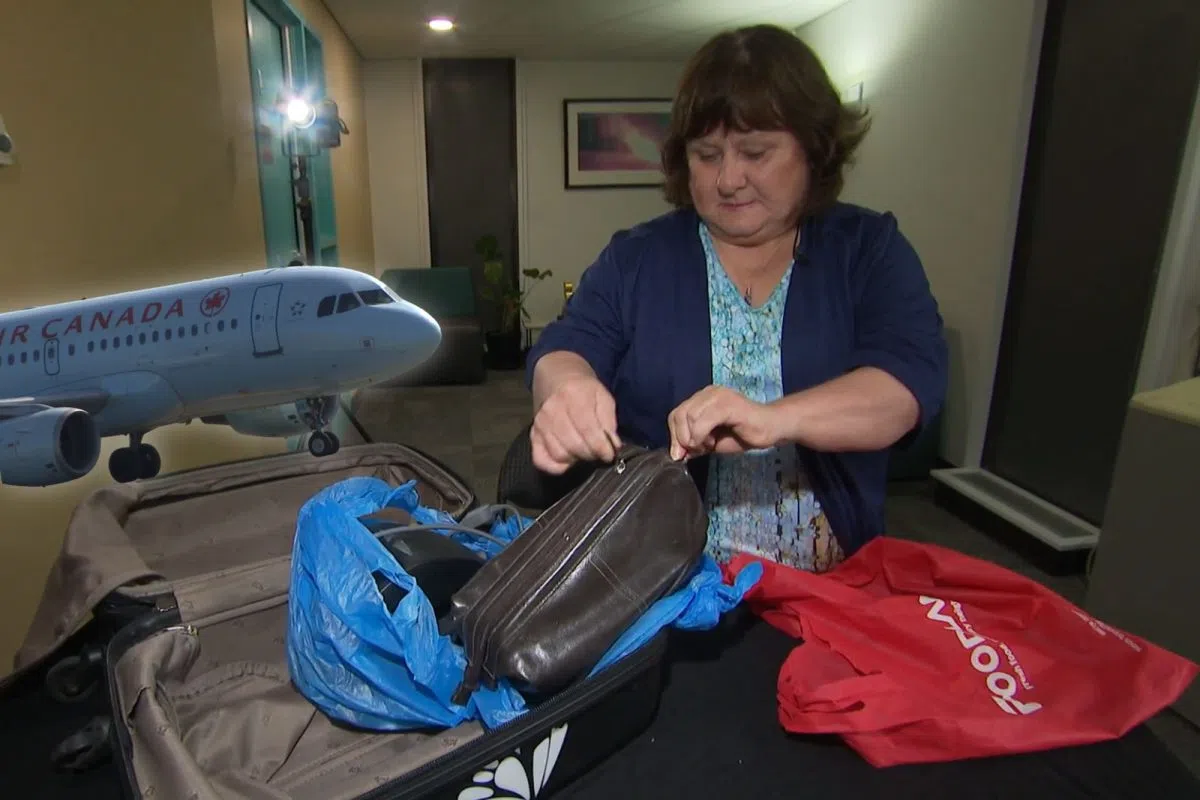
Airport security staff screen checked luggage to ensure safety. They may open locked bags for inspection. If the lock is not TSA-approved or allowed by local rules, they might cut it off. This can damage luggage or locks.
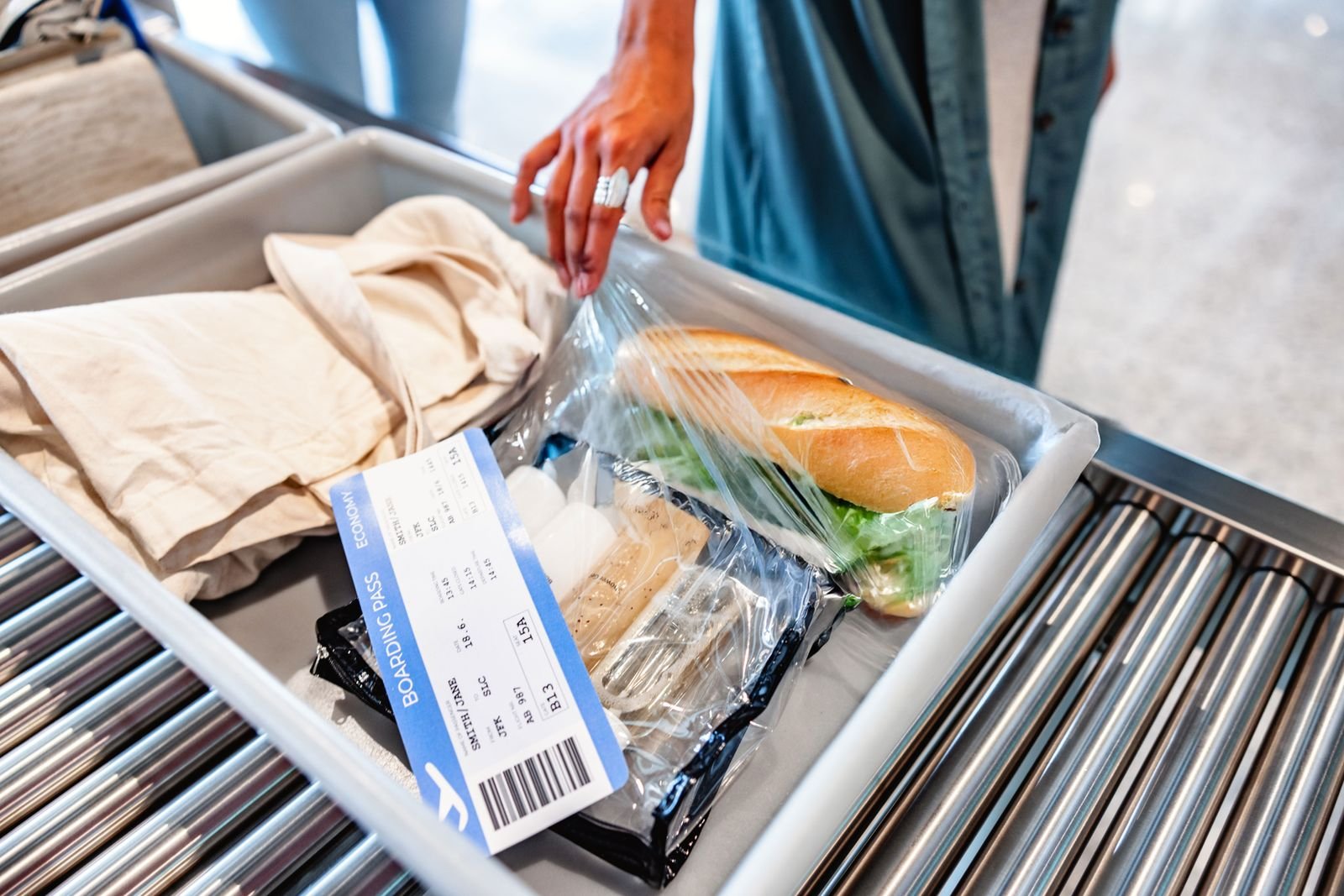
Security screenings include X-rays, manual checks, and sometimes sniffer dogs. Some airports use advanced technology to reduce the need to open bags. Still, luggage may be inspected randomly or if suspicious items are detected.
Locking luggage provides peace of mind but does not guarantee full protection. Follow airport security guidelines and choose locks wisely to avoid problems.

Credit: www.briggs-riley.com
Pros And Cons Of Locking Luggage
Deciding whether to lock your checked luggage involves weighing the benefits and drawbacks. Locked bags can offer peace of mind but may also cause complications during travel. Understanding these pros and cons helps you make a smart choice for your trip.
Advantages Of Locked Luggage
- Protects your belongings from theft or tampering during transit.
- Acts as a deterrent to opportunistic thieves at airports.
- Helps keep your items organized and secure inside the suitcase.
- Gives a sense of control over your luggage’s safety.
- Can reduce stress about lost or stolen valuables.
Potential Downsides
- Airport security may break locks to inspect your bag.
- Lost keys or forgotten combinations can cause delays.
- Some locks are not TSA-approved, risking damage by security staff.
- Locks add extra weight and bulk to your luggage.
- False sense of security; locks don’t stop determined thieves.
Safe Packing Tips
Packing your checked luggage safely helps protect your belongings during travel. Smart packing reduces damage and loss risks. Follow simple tips to keep your items secure and organized.
Valuables And Fragile Items
Never pack valuable items like jewelry, cash, or electronics in checked luggage. Carry these essentials in your carry-on bag. Fragile items need extra padding to avoid breakage. Wrap them in clothes or bubble wrap. Place fragile items in the center of your suitcase for better protection.
Using Packing Cubes
Packing cubes keep your items organized and compact. They prevent clothes from shifting and wrinkling. Use different cubes for categories like shirts, pants, and underwear. This makes unpacking easier and keeps your bag tidy. Choose cubes made of durable material for long trips.
Labeling Your Bag
Label your suitcase with your name, phone number, and email. Use a sturdy luggage tag that won't easily fall off. Inside the bag, place a card with your contact details. Clear labeling helps airport staff return lost bags quickly. Avoid showing your home address on tags for safety.
Credit: medium.com
Alternatives To Locking
Deciding whether to lock your checked luggage can be tricky. Instead of focusing solely on locks, consider other ways to protect your belongings. These alternatives can offer peace of mind without the hassle of lost keys or broken locks.
Using Tamper-evident Seals
Tamper-evident seals are a smart way to spot if someone has tried to open your bag. These seals break when opened, making it clear that your luggage was interfered with. Airlines and security personnel often use these, so they’re widely accepted and don’t cause delays.
Using a seal doesn’t stop theft but makes it obvious when your bag’s been tampered with. Think about it: would you choose to sneak into a suitcase with a shattered seal or one that looks untouched? That little visual clue can deter casual thieves.
Keeping Valuables In Carry-on
Why risk your most important items in checked luggage? Carrying valuables like electronics, jewelry, and travel documents in your carry-on puts them under your watchful eye. This simple step reduces the chances of loss or theft dramatically.
On a personal trip, I once had my checked bag delayed for two days. Because I kept my laptop and passport in my carry-on, my trip went on without a hitch. Have you ever considered what’s truly essential to keep close at hand?
Choosing Hard-shell Luggage
Hard-shell luggage offers more protection than soft fabric bags. Its rigid exterior resists impacts and makes it harder to cut or slash through. This can prevent easy access by thieves and protect your items from rough handling.
When I switched to hard-shell luggage, I noticed fewer dents and less wear after every trip. It’s not foolproof, but it adds a layer of security. Could your luggage choice be the simplest way to improve your travel safety?
What To Do If Your Lock Is Broken
Discovering a broken lock on your checked luggage can cause stress during travel. It raises worries about security and access to your belongings. Knowing the right steps to take helps you manage this issue calmly. Acting quickly reduces the chance of lost or damaged items.
Reporting To Airline
Notify the airline staff immediately if your lock is broken. Visit the airline’s baggage service office at the airport. Provide details about your luggage and the damage. The airline may document the issue for their records. This report can assist in any claims for lost or damaged items.
Replacing Locks During Travel
Carry a spare lock or buy a new one from airport shops. Choose TSA-approved locks to avoid future problems. Replace the broken lock before your next flight. This keeps your luggage secure and compliant with airport security rules. Always keep the lock key or combination in a safe place.
Preventing Future Damage
Use durable, high-quality locks designed for travel. Avoid forcing locks to open or close. Pack your luggage carefully to reduce pressure on locks. Consider using luggage with built-in locking systems. Regularly check locks for wear and tear before trips.
Frequently Asked Questions
Should I Lock My Checked Luggage For Security?
Locking your checked luggage adds a layer of security by deterring theft. Use TSA-approved locks so airport security can open your bag without damage.
What Type Of Lock Is Best For Checked Luggage?
TSA-approved locks are best for checked luggage. They allow security to inspect your bag without breaking the lock, keeping your belongings safe and intact.
Can Locked Luggage Delay My Baggage At The Airport?
Locked luggage may cause minor delays if security needs to inspect it. Using TSA-approved locks helps avoid delays by allowing quick, authorized access.
Does Locking Checked Luggage Prevent All Theft?
Locking luggage reduces theft risk but doesn’t guarantee full protection. Always avoid packing valuables in checked bags and use locks as an extra security step.
Conclusion
Locking your checked luggage adds an extra layer of safety. It helps protect your belongings from theft and accidental openings. Keep in mind, airport security may need to open locked bags. Use TSA-approved locks to avoid damage during inspections. Choose a lock that is easy to use and durable.
Weigh the pros and cons based on your travel needs. A locked bag gives peace of mind while traveling. Make your choice based on what feels safest for you. Safe travels start with smart packing decisions.