

Picture this: you're standing at the airport check-in counter, your suitcase packed to the brim, and you suddenly wonder, "Can I actually bring this?" Navigating the rules of what you can take in your checked luggage can feel like a puzzle.
You don't want to leave your essentials behind, but you also don't want any surprises at the airport. This guide is here to ease your travel anxieties and help you pack with confidence. You'll discover exactly what is allowed, what’s not, and some surprising items that might be in a gray area.
Stick around, and you'll be a pro at packing for your next trip, avoiding those unnecessary last-minute dashes to remove items at the airport. Ready to become a packing expert? Let's dive in!
Checked Luggage Basics
Understanding what you can take in checked luggage starts with knowing the basics. Checked bags have specific rules set by airlines to keep your belongings safe and the flight secure. Knowing these rules helps you pack smartly and avoid surprises at the airport.
Size And Weight Limits
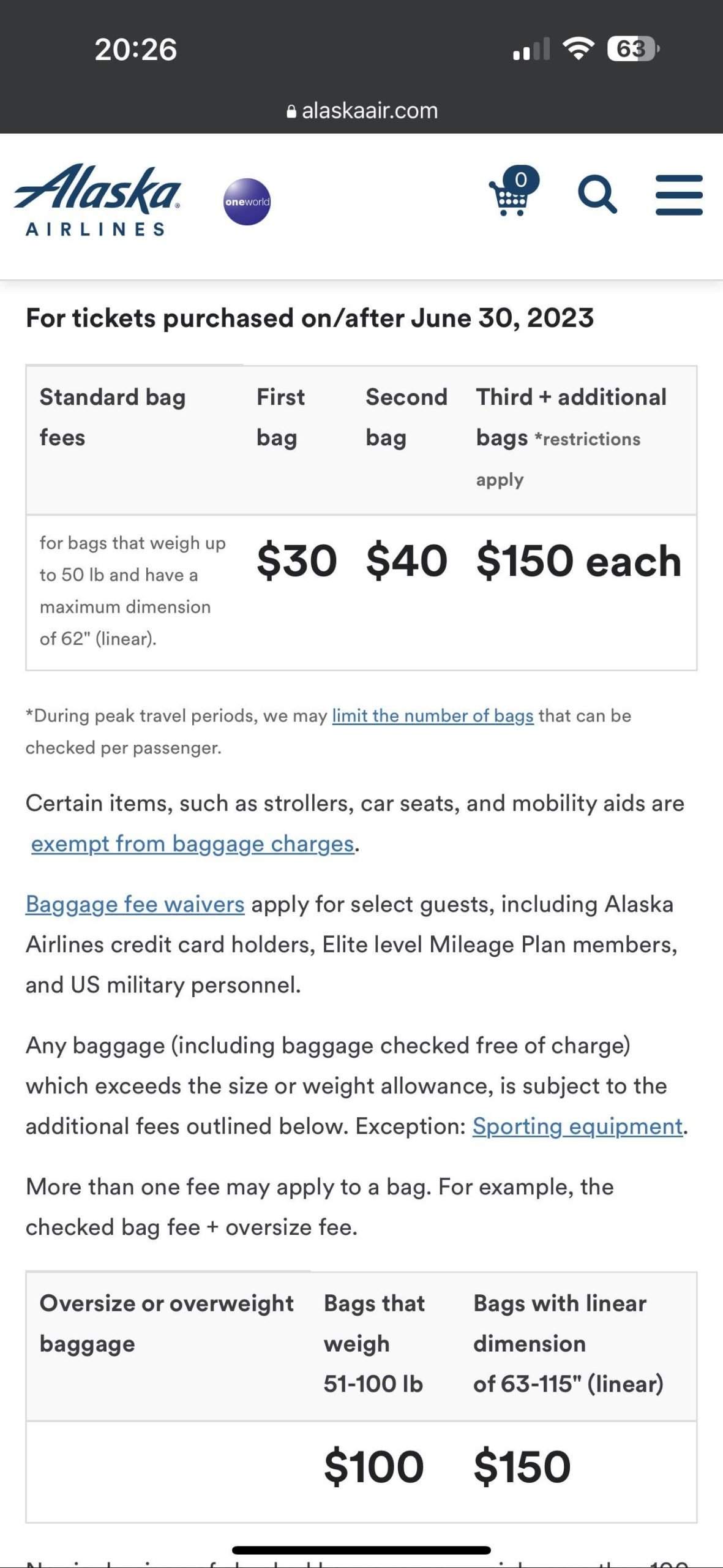
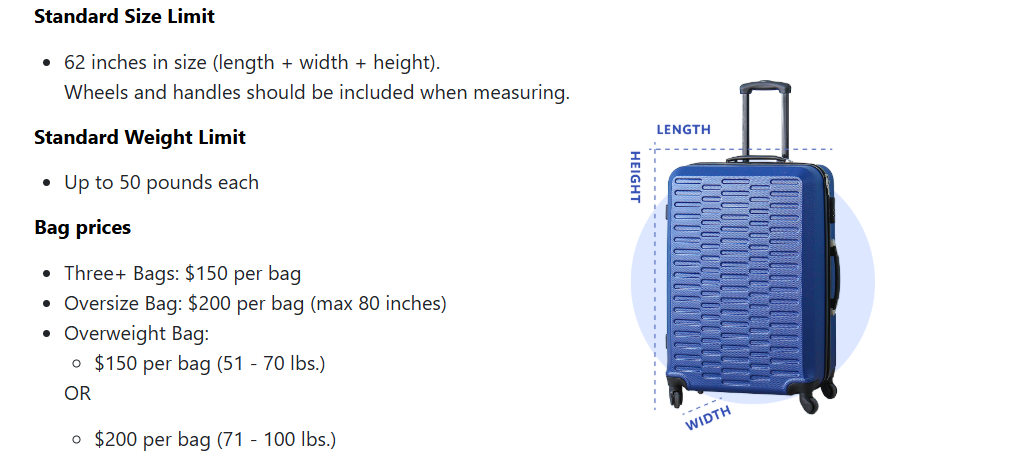
Every airline sets limits on the size and weight of checked luggage. Usually, the maximum weight is around 50 pounds (23 kilograms), but some airlines allow up to 70 pounds (32 kilograms) for certain ticket classes. Oversized or overweight bags often come with extra fees, so weighing your luggage before heading to the airport saves money and stress.
The size limit typically refers to the total of the bag's length, width, and height. Most airlines allow a combined dimension of around 62 inches (158 centimeters). If your suitcase is bigger, it might not fit in the cargo hold properly or will cost you more. Have you ever been surprised by a fee because your bag was just a bit too heavy or large?
Common Airline Policies
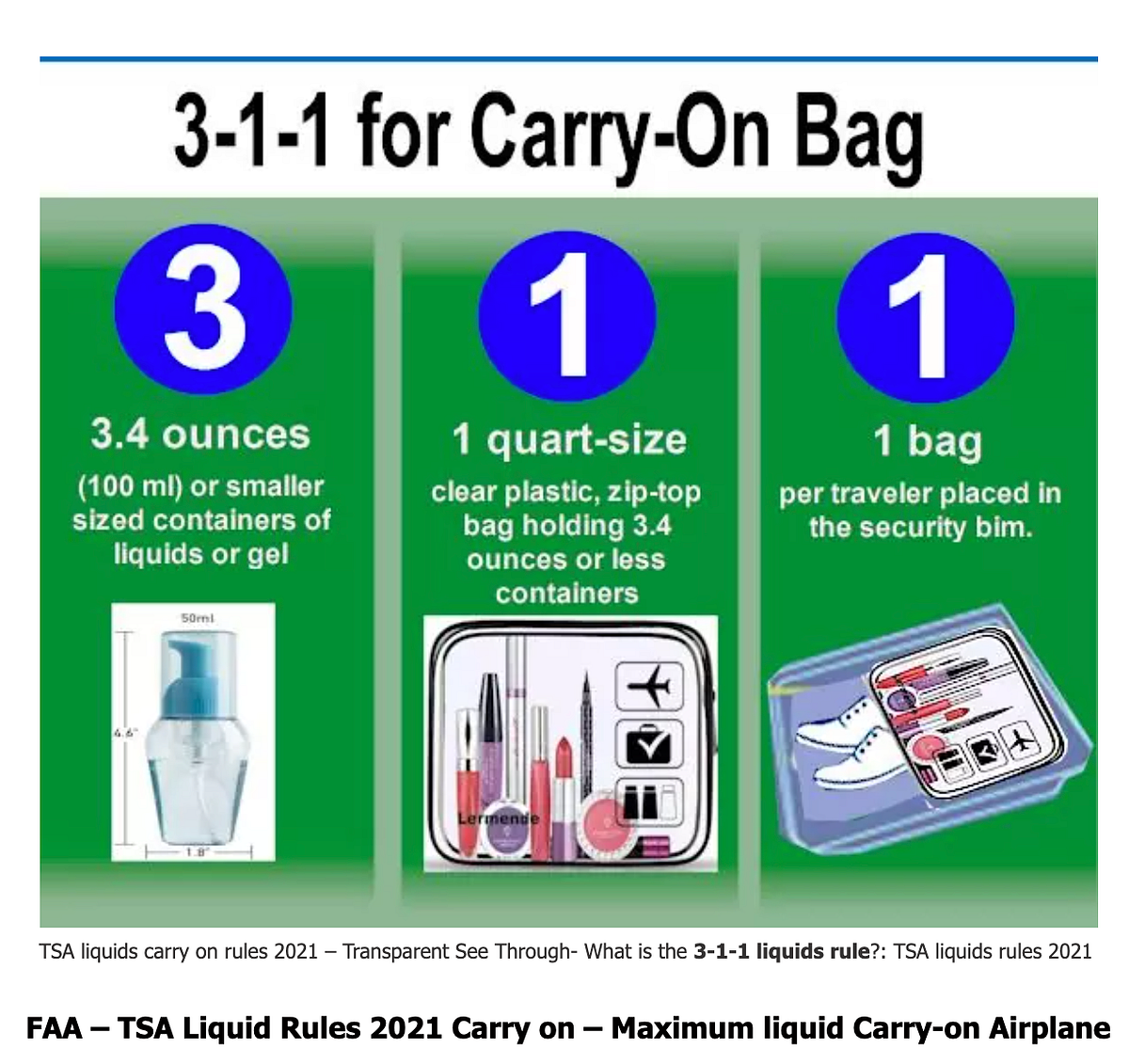
Policies on what you can pack in checked luggage vary but share many similarities. Sharp objects like knives are usually banned unless securely wrapped. Liquids over 100ml should be in checked bags rather than carry-ons, but remember, some airlines restrict flammable or hazardous materials entirely.
Many airlines also restrict batteries, especially lithium-ion types, in checked luggage. It’s better to keep electronics with batteries in your carry-on. Knowing these details in advance prevents your bag from being opened or confiscated.
- Check your airline’s website for specific rules before packing.
- Declare any items that may seem unusual or valuable.
- Use sturdy, lockable luggage to protect your belongings.
Credit: www.upgrademystatus.com
Prohibited Items
Checked luggage has many rules to keep flights safe. Some items are not allowed at all. These prohibited items can cause harm or danger during travel. Knowing what you cannot pack helps avoid problems at the airport. Below are some common types of prohibited items in checked bags.
Sharp Objects And Tools
Sharp items can injure baggage handlers or security staff. Knives, scissors, and razor blades are not allowed in checked luggage unless properly sheathed or packed. Tools such as screwdrivers, crowbars, and drills are also banned. These objects can be used as weapons. Always check airline rules before packing any sharp or pointed tools.
Flammable And Explosive Materials
Flammable substances pose serious fire risks on planes. Gasoline, lighter fluid, and fireworks cannot go in checked bags. Aerosol sprays and paint thinner are also banned. Explosives like dynamite or gunpowder are forbidden. Airlines and airports follow strict rules to prevent fires and explosions during flights.
Restricted Liquids And Gels
Liquids and gels have limits for checked luggage. Large quantities of alcohol over 70% are not allowed. Certain perfumes and solvents may be restricted too. These items can leak or cause damage. Pack liquids in sealed containers and check airline guidelines to avoid issues. Small amounts of toiletries usually pass security without problems.
Permitted Items
Knowing what items are allowed in checked luggage helps avoid travel delays. Airlines and security agencies set clear rules on permitted items. This ensures safety and smooth handling of your bags. Understanding these rules lets you pack confidently and efficiently.
Clothing And Accessories
Clothing items are generally safe to pack in checked luggage. This includes shirts, pants, dresses, and jackets. Shoes can also be placed in your checked bag. Avoid packing valuable jewelry or fragile accessories here. Keep those in your carry-on for protection.
Electronics And Gadgets
Many electronics can go in checked luggage, but choose carefully. Larger devices like hair dryers and electric shavers are fine. Avoid packing laptops, tablets, or cameras in checked bags. These items risk damage or theft and should stay in carry-on luggage.
Toiletries And Personal Care
Solid toiletries are allowed in checked bags without restrictions. This includes bar soap, solid deodorant, and toothpaste tablets. Liquids and gels must follow airline size limits or go in carry-on. Pack shampoos, lotions, and perfumes in tightly sealed containers.
Food And Snacks
Most dry and packaged foods can be placed in checked luggage. Examples include nuts, crackers, and dried fruit. Avoid fresh fruits, vegetables, or meats due to customs rules. Pack snacks in sealed containers to prevent spills or odors.
Packing Tips For Fragile Items
Handling fragile items in your checked luggage can be nerve-wracking. These items need extra care to survive the rough handling luggage often faces during travel. Knowing how to pack them properly can save you from disappointment and unnecessary expenses.
Protective Wrapping Techniques
Wrap each fragile item individually with bubble wrap or foam sheets. This creates a cushion that absorbs shocks and prevents cracks or breaks.
Use soft clothing like sweaters or scarves to add extra padding around your wrapped items. This not only protects but also saves space by combining packing materials.
Place smaller items inside sturdy containers or boxes before putting them in your suitcase. This extra layer helps keep them secure and prevents movement during transit.
- Seal fragile items in plastic bags to protect them from moisture.
- Fill empty spaces with packing peanuts or crumpled paper to avoid shifting.
- Label the container "Fragile" to alert baggage handlers.
Using Hard-shell Luggage
Hard-shell luggage offers better protection against impacts than soft-sided bags. Its rigid exterior shields your fragile belongings from crushing forces.
Choose a hard-shell suitcase with a smooth interior to avoid snagging delicate items. Some come with adjustable compartments to secure items in place.
Consider investing in luggage with built-in locks and waterproof features. This combination keeps your fragile items safe from theft and water damage.
Have you ever opened your suitcase to find a broken souvenir? Switching to hard-shell luggage could be the simple fix you need.
Handling Special Items
Handling special items in your checked luggage requires careful planning. These items often have unique rules or need extra protection. Knowing how to pack them can save you from damage or delays at the airport.
Sports Equipment
Sports gear like golf clubs, skis, or bicycles usually go in checked bags because of their size. Most airlines allow them but may charge extra fees. Protect your equipment with sturdy cases or padding to avoid scratches and dents.
Think about how you use your gear—does it have delicate parts? You might want to remove or secure those. Have you ever had a golf club arrive with a broken head? Proper packing can prevent that frustration.
Musical Instruments
Musical instruments are often valuable and fragile. Airlines sometimes allow small instruments as carry-ons, but larger ones must be checked. Use a hard case and add cushioning inside to keep your instrument safe.
Label your case with your contact details. Consider insuring your instrument in case of damage or loss. Would you trust a soft case for your violin on a bumpy flight? Probably not—choose protection wisely.
Medication And Medical Supplies
While it's best to keep essential medication in your carry-on, some medical supplies can go in checked luggage. Items like extra syringes or bulky equipment may need special packaging. Check airline rules and bring a doctor’s note if necessary.
Keep medication in its original packaging for easy identification. Think about how you will access your supplies if your luggage is delayed. Have you packed a backup plan for important medical items?

Credit: www.rd.com
Customs And Security Considerations
Understanding customs and security rules helps keep your travel smooth. Checked luggage often faces strict inspections. Knowing what to declare and how to avoid delays saves time. Different countries have unique rules for allowed items. Preparing your luggage with care prevents problems at airports and borders.
Declaring Valuables
Always declare valuables like jewelry, electronics, and large amounts of cash. Customs officers need this information to avoid misunderstandings. Failure to declare can cause fines or confiscation. Keep receipts or proof of ownership ready. Declare items clearly on your customs form to speed up processing.
Avoiding Delays At Security
Pack your checked luggage with security checks in mind. Avoid prohibited items such as sharp objects and flammable materials. Use TSA-approved locks to secure your bags. Label your luggage with your contact details. Remove any liquids over the allowed limit from checked bags. Follow airline and airport rules to prevent extra screening.
International Travel Rules
Check rules for each country you travel to or from. Some countries ban certain foods, plants, or medications. Research customs regulations before packing to avoid confiscation. Understand weight limits and fees for checked bags. Know that security standards vary by region and airport. Comply with all guidelines for hassle-free travel.
Tips To Avoid Extra Fees
Extra baggage fees can quickly turn a smooth trip into a stressful one. Knowing how to avoid these charges helps keep your travel budget intact and your luggage hassle-free. Here are practical tips that can save you money and make packing easier.
Weight Management
Airlines charge extra when your luggage exceeds their weight limit. Use a reliable luggage scale at home to weigh your bags before you leave. This small step can prevent surprises at check-in.
If your bag is too heavy, consider moving some items to your carry-on or wear heavier clothes during travel. Have you ever paid extra just because you didn’t check your bag’s weight?
Packing Smart To Save Space
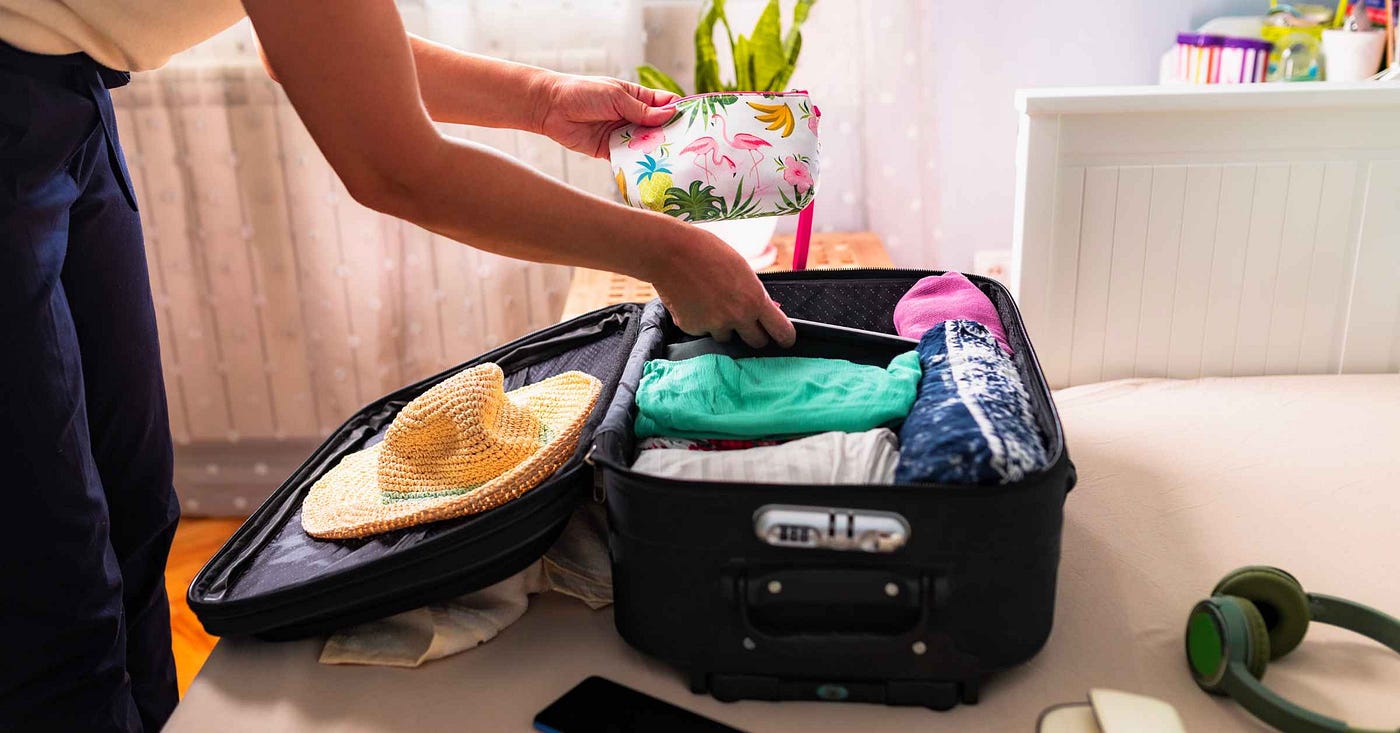
Rolling clothes instead of folding them can save significant space. Use packing cubes to organize items and compress your clothes.
Place heavier items at the bottom of your suitcase to avoid crushing delicate things. How often do you find yourself struggling to close a suitcase that’s stuffed unevenly?
Choosing The Right Airline
Some airlines offer more generous baggage allowances or lower fees for checked luggage. Before booking, compare baggage policies, especially if you plan to pack more than a carry-on.
Low-cost carriers might seem cheaper but often add high fees for checked bags. Would choosing an airline with better baggage terms save you money in the long run?
Credit: extraordinary.care
Frequently Asked Questions
What Items Are Allowed In Checked Luggage On Flights?
Checked luggage can include clothes, shoes, toiletries, and non-perishable food. Sharp objects and liquids over 100ml are usually restricted. Always check airline rules before packing.
Can I Pack Electronics In My Checked Luggage?
Small electronics like cameras and laptops are best carried in carry-on bags. Checked luggage risks damage or theft, so avoid packing valuable gadgets there.
Are Liquids Allowed In Checked Baggage?
Liquids over 100ml are generally allowed in checked bags but must be sealed. Follow airline and TSA guidelines to prevent leaks and ensure safety.
Can I Pack Batteries In Checked Luggage?
Spare lithium batteries are not allowed in checked luggage. Installed batteries in devices are usually permitted. Always check specific airline policies on battery transport.
Conclusion
Packing checked luggage needs care and attention. Always check airline rules before you pack. Keep liquids in small, sealed containers. Avoid carrying sharp objects or dangerous items. Pack valuable things in your carry-on bag. This helps prevent loss or damage.
Stick to allowed items for smooth airport checks. Safe packing means a stress-free trip. Remember, smart packing saves time and trouble.