

Ever heard of a "suitcase school"? You might be wondering what this intriguing term means and why it matters to you.
Picture this: a bustling campus during the week, yet eerily quiet by the weekend. Sounds familiar? If you're a student, parent, or educator, understanding the concept of a suitcase school can directly impact your decisions and experiences. It’s more than just a catchy phrase—it’s a reality for many college students who pack their bags each weekend.
Discover how this phenomenon influences campus life, social dynamics, and even your academic journey. Ready to dive deeper? Keep reading to uncover the unique world of suitcase schools and why it might just be something you need to consider.
Suitcase School Concept
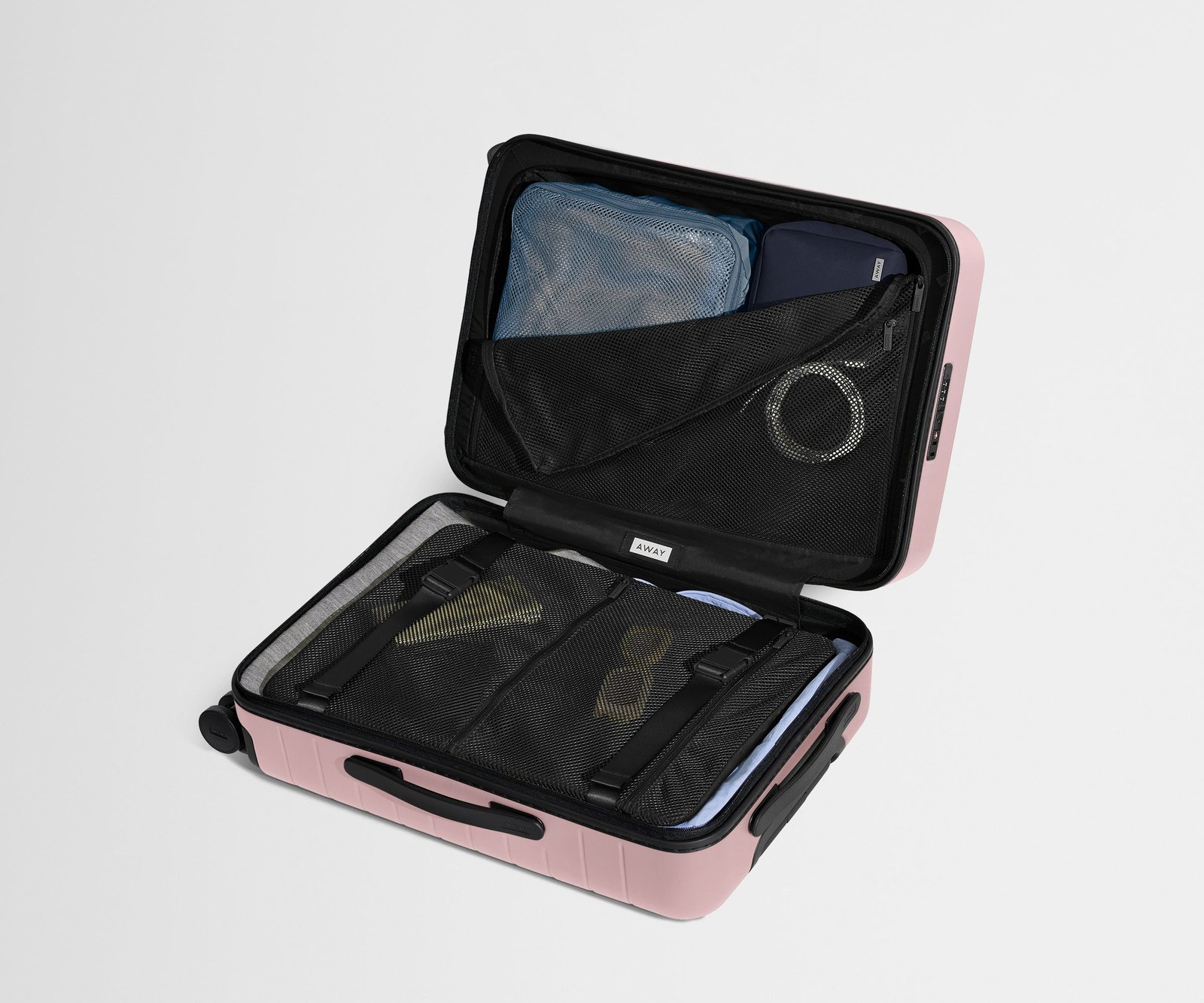
The Suitcase School concept offers a fresh approach to learning that fits right into your lifestyle. It’s designed for flexibility, allowing education to travel with you wherever you go. This idea challenges traditional schooling by making learning portable and adaptable to different environments.
Origins And Evolution
The Suitcase School idea started as a way to support children of traveling families and expatriates. It grew from the need to provide consistent education without being tied to one location. Over time, it evolved to include digital tools and compact resources that make it easy to learn anywhere.
Think about how many times you’ve wished for a school that moves with you, not the other way around. This concept emerged from that exact desire. It also reflects changes in technology and lifestyle, where mobility is key.
Key Features
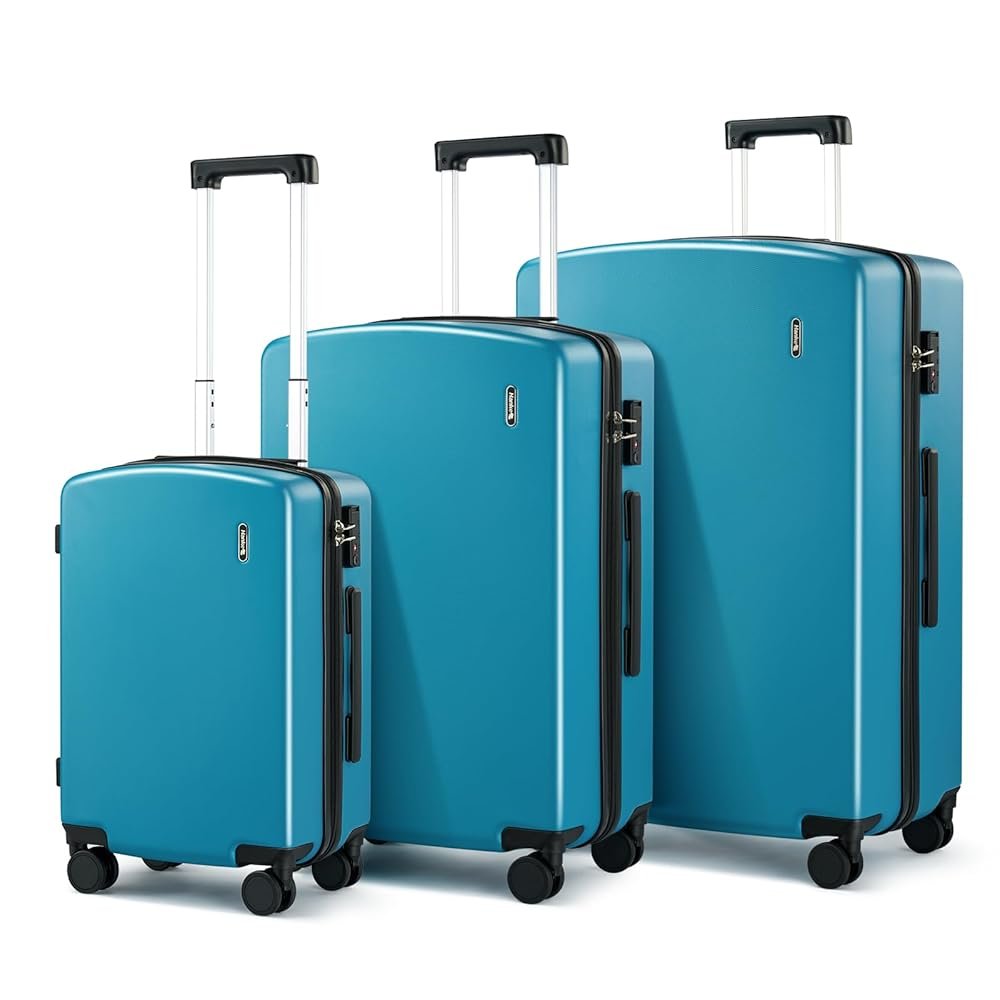
- Portability:Learning materials fit into a suitcase or backpack, making it easy to carry.
- Flexibility:Lessons can be done anywhere—parks, hotels, or even airports.
- Self-Paced Learning:You control when and how fast you move through lessons.
- Digital Integration:Combines physical books with apps and online resources.
- Customizable Curriculum:Tailor what you learn to your interests and needs.
Imagine packing your school in a suitcase and picking it up whenever you want to learn. You could spend mornings on math exercises, afternoons exploring nature, and evenings reading stories—all without a fixed classroom. How could this freedom change the way you learn and grow?

Credit: www.amazon.com
Learning Anywhere
Learning Anywhere means education is not tied to one place. Students can study in parks, homes, or cafes. This approach fits today’s busy and changing world. It helps learners stay curious and engaged no matter the location. Suitcase Schools make this possible by carrying essential tools and materials anywhere.
Mobility And Flexibility
Suitcase Schools offer true mobility. Teachers and students can move easily between locations. Lessons adapt to different spaces and times. This flexibility suits families who travel or live in remote areas. Learning is no longer limited to traditional classrooms. It happens wherever the suitcase opens.
Technology Integration
Technology plays a key role in Suitcase Schools. Tablets, laptops, and portable Wi-Fi connect learners to resources instantly. Digital apps and e-books support diverse learning styles. Technology allows access to videos, quizzes, and interactive lessons. It keeps students connected and motivated, even far from school buildings.
Benefits For Students
Suitcase schools offer many benefits for students. They create a flexible learning environment. This helps students learn at their own pace. The approach focuses on each student's needs and interests. Students become more active and motivated in their studies.
Personalized Learning Paths
Each student follows a unique learning plan. This plan matches their skills and goals. Students work on topics they find interesting. Teachers guide students based on their progress. This way, no one feels left behind or bored. Students gain confidence as they see their growth.
Enhanced Engagement
Suitcase schools use tools that keep students focused. Activities are interactive and fun. Students participate more in lessons. They can explore subjects deeply and creatively. This active involvement helps students remember information better. Learning becomes a positive experience every day.

Credit: www.walmart.com
Challenges To Overcome
Suitcase schools offer a unique approach to education by bringing learning directly to students wherever they are. However, this innovative model faces significant hurdles that must be addressed for it to succeed and serve all learners effectively. Understanding these challenges helps you see what needs to be done to make suitcase schools a viable option for quality education.
Access And Equity
One of the biggest challenges suitcase schools face is ensuring equal access for all students. Many learners live in remote or underserved areas where internet connectivity and technology are limited. This lack of resources can block students from fully participating in educational programs delivered through suitcase schools.
Think about a child in a rural village who can’t join virtual classes because there’s no reliable internet. How can suitcase schools bridge this gap? Solutions might include distributing offline materials, using mobile learning kits, or partnering with local community centers to provide access points.
Equity also means recognizing diverse learning needs. Not every student learns the same way or at the same pace. Suitcase schools must adapt their teaching methods to accommodate different abilities and backgrounds, or risk leaving some students behind.
Quality Assurance
Ensuring high-quality education is another major hurdle. Unlike traditional schools with fixed locations and established standards, suitcase schools move frequently and operate in varied environments. This can make it hard to maintain consistent teaching quality and curriculum standards.
How do you measure success when classrooms are on the move? Regular assessments and feedback loops become essential. Incorporating tools to track progress and adjust instruction ensures students don’t just receive education but gain knowledge and skills effectively.
Teacher training is crucial here. Educators must be skilled not only in their subject areas but also in delivering lessons flexibly and engagingly in changing settings. Without ongoing professional development, quality can suffer, impacting student outcomes.
Impact On Traditional Education
The rise of suitcase schools has shifted how traditional education works. It challenges old teaching methods and learning spaces. This change affects teachers, students, and the entire learning system.
Classrooms are no longer the only place for education. Suitcase schools encourage learning anywhere, anytime. This flexibility reshapes the traditional roles and approaches in education.
Changing Roles Of Educators
Teachers now act more as guides than just knowledge sources. They support students in self-directed learning. Educators focus on helping students find answers and think critically.
Technology use grows, so teachers must adapt quickly. They learn new skills to manage digital tools and remote classrooms. Communication with students also becomes more frequent and varied.
Hybrid Learning Models
Suitcase schools promote hybrid learning, mixing online and face-to-face lessons. This model offers students more control over their study pace and style.
Schools combine digital resources with traditional methods for deeper learning. Hybrid models increase access to education for diverse learners. They also prepare students for a tech-driven world.

Credit: www.level8cases.com
Future Trends
The future of Suitcase Schools shines bright with new tech and fresh ideas. These mobile learning spaces adapt to changing needs. They help learners stay curious and connected no matter where they are.
Ai And Adaptive Learning
Artificial intelligence tailors lessons to each student's pace. It spots strengths and weaknesses quickly. This means learning feels personal and less stressful.
Adaptive tools suggest activities that fit individual skill levels. They keep students challenged but not overwhelmed. AI also tracks progress and gives instant feedback.
Global Collaboration
Suitcase Schools break down distance barriers. Students from different countries can work together on projects. They share ideas and cultures through virtual meetings.
Collaboration helps build teamwork and communication skills. It prepares learners for a connected world. This global approach makes education richer and more diverse.
Frequently Asked Questions
What Is A Suitcase School Concept?
A suitcase school is a mobile learning setup. It allows education to be delivered anywhere using packed materials. This approach suits remote areas or during emergencies. It ensures continuous learning without the need for permanent classrooms.
How Does A Suitcase School Work?
A suitcase school contains teaching aids, books, and supplies in a portable case. Educators carry it to various locations. They set up quick, temporary classrooms. This method supports flexible and accessible education for children without school facilities.
Who Benefits From Suitcase Schools?
Children in remote, conflict, or disaster-affected areas benefit most. It helps those lacking access to traditional schools. Suitcase schools provide education continuity despite challenges. They support marginalized communities and improve literacy rates.
What Materials Are Included In A Suitcase School?
Materials usually include textbooks, workbooks, stationery, and teaching aids. Some kits also have digital devices for interactive learning. These resources are designed to support multiple subjects and age groups. The goal is to provide a complete learning experience.
Conclusion
A suitcase school offers learning anywhere, anytime. It fits busy and traveling lifestyles well. Students carry what they need in one bag. This method makes education flexible and simple. It suits those who want freedom to learn. Choosing a suitcase school can change how you study.
It blends travel and education smoothly. Learning does not have to be tied to one place. This approach helps build skills on the go. Consider it for a fresh, flexible schooling option.