

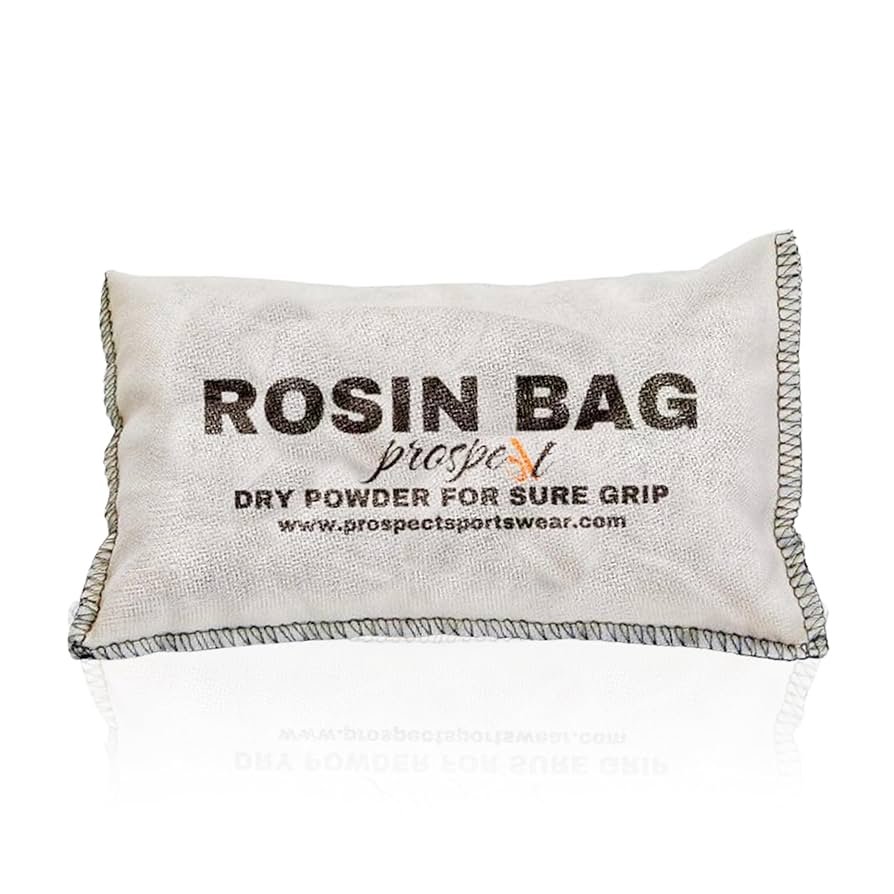
Have you ever wondered what's inside a rosin bag and why it's a must-have for athletes like baseball pitchers and weightlifters? Whether you're an athlete yourself or just curious, uncovering the secrets of a rosin bag can be surprisingly intriguing.
Imagine having a simple tool that can enhance your grip, boost your performance, and even give you a mental edge. That's exactly what a rosin bag offers. This seemingly small, inconspicuous item holds the power to transform your game, but how?
Stick around as we delve into what's in a rosin bag and why it might just become your next best friend in sports.

Credit: 27baseball.com
Key Materials In Rosin Bags
Understanding what goes into a rosin bag can change how you approach pressing. The materials inside are more than just fabric and mesh—they directly affect the quality and purity of your rosin. Knowing the key materials helps you choose the right bag for your needs.
Types Of Fabrics Used
Rosin bags are typically made from nylon or silk. Nylon is popular because it's durable and can withstand high heat without melting. Silk, while less common, offers a smoother surface which some users prefer for cleaner rosin extraction.
Have you noticed how some bags feel more flexible while others are stiff? That difference usually comes down to the weave and fabric thickness. Thinner nylon bags allow better flow of rosin but might tear more easily. Thicker fabrics provide durability but can reduce yield.
Mesh Sizes And Their Roles
Mesh size is measured in microns and it controls what gets filtered during pressing. Smaller mesh sizes (like 25-37 microns) catch finer particles, resulting in cleaner rosin. Larger meshes (around 90-160 microns) let more material through, which can increase yield but may reduce purity.
Choosing the right mesh size depends on what you want from your rosin. If you want something clean for flavor and smoothness, go with smaller mesh sizes. If quantity matters more, larger meshes might be your best bet.
- 25-37 microns:Best for fine pollen and very clean rosin
- 45-90 microns:Balanced for good yield and decent purity
- 100-160 microns:Higher yield but with more plant material
Common Ingredients Inside Rosin Bags
Rosin bags are essential tools in extracting pure rosin from plant material. These bags hold various components that impact the final quality of the rosin. Understanding what is inside a rosin bag helps in choosing the right product and achieving better extraction results.
Plant Material And Resin Content
Rosin bags mainly contain finely ground plant material. This material includes flowers, leaves, or hash, depending on the source. The resin content within the plant is critical. Resin is the sticky substance rich in cannabinoids and terpenes. High resin content leads to more potent and flavorful rosin. The quality of the plant material directly affects the yield and purity of the extracted rosin.
Impurities And How They Affect Quality
Impurities often come from unwanted parts of the plant, such as stems and seeds. These can pass through low-quality rosin bags, contaminating the extract. Dirt, dust, and small debris may also enter if the bag is not well-made. Impurities lower the flavor and potency of the rosin. They can cause a darker color and a harsher taste. Using rosin bags with the right micron size helps filter out these unwanted particles.
How Rosin Bags Work
Understanding how rosin bags work can change the way you approach extracting concentrates. These simple yet effective tools use a combination of filtration and heat to produce pure, solventless rosin. Let’s break down the process so you can see why the right bag matters for your results.
Filtration Process
Rosin bags act like filters that separate plant material from the valuable oils inside. The bags are made from fine mesh fabric, which catches unwanted particles while letting the rosin flow through. The size of the mesh pores determines how clean your final product will be.
Choosing the right micron size can make a big difference. Smaller pores trap more plant matter but might slow down the flow, while larger pores let more oils pass quickly but may allow some impurities. Have you ever noticed how much clearer rosin looks after using a finer mesh bag?
Heat And Pressure Effects
Heat and pressure work together to push the oils out of the plant material inside the rosin bag. When you apply heat, the sticky resin inside the plant becomes more fluid. Pressure then squeezes this resin through the bag’s mesh, separating it from the solid plant matter.
Too much heat can degrade the quality of your rosin, causing it to darken and lose flavor. Too little pressure, and you won’t extract all the oils. Finding the right balance is key—you want enough heat and pressure to maximize yield without sacrificing purity.
Choosing The Right Rosin Bag
Choosing the right rosin bag is key to a smooth pressing process. The bag affects the quality and yield of your rosin. Picking a bag that suits your material and pressing needs saves time and effort. Consider the material and size carefully to get the best results.
Material Compatibility
Rosin bags come in various mesh sizes and materials. The mesh size controls what passes through during pressing. A finer mesh keeps small particles out but may reduce flow. A coarser mesh allows more flow but lets some debris through.
Common materials include nylon and polyester. Nylon is durable and heat-resistant. Polyester resists stretching and shrinks less after washing. Choose a bag material that fits the type of material you press. For example, dry herb needs a different mesh than hash or kief.
Size And Capacity Considerations
Rosin bags come in many sizes. The size affects how much material you can press at once. Small bags are good for personal use or small batches. Larger bags work better for bigger yields and commercial use.
Think about the thickness of your material. Thick material needs a bigger bag to avoid clogging. Thin material works well with smaller bags for better control. Always match the bag size with your press size. This balance helps avoid waste and improves pressing efficiency.
Maintaining And Cleaning Rosin Bags
Maintaining and cleaning rosin bags is essential for consistent results. Clean bags improve the quality of your rosin and prevent contamination. Proper care saves money by reducing the need for frequent replacements. Simple cleaning steps keep the bags functional and effective.
Cleaning Techniques
Start by gently brushing off loose plant material from the bag. Use a soft brush to avoid damaging the mesh. Rinse the bag in warm water to remove sticky residue. Avoid harsh chemicals that can weaken the fabric. For stubborn buildup, soak the bag in isopropyl alcohol for 20 minutes. Rinse thoroughly with water after soaking. Let the bag air dry completely before the next use. Never use heat to dry the bags as it may cause damage.
Extending Bag Lifespan
Handle bags with care to prevent tears and holes. Store bags in a clean, dry place away from direct sunlight. Avoid overfilling bags to reduce stress on the mesh. Use bags dedicated to specific strains or materials to avoid cross-contamination. Regular cleaning after each use keeps bags in top condition. Inspect bags for wear and replace them if mesh starts to break. Following these habits ensures your rosin bags last longer and perform better.
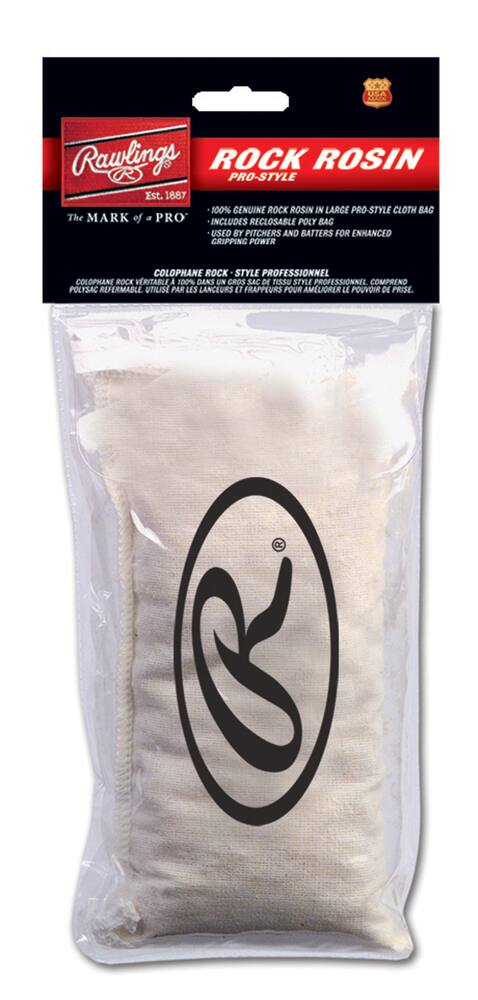
Credit: www.canadiantire.ca
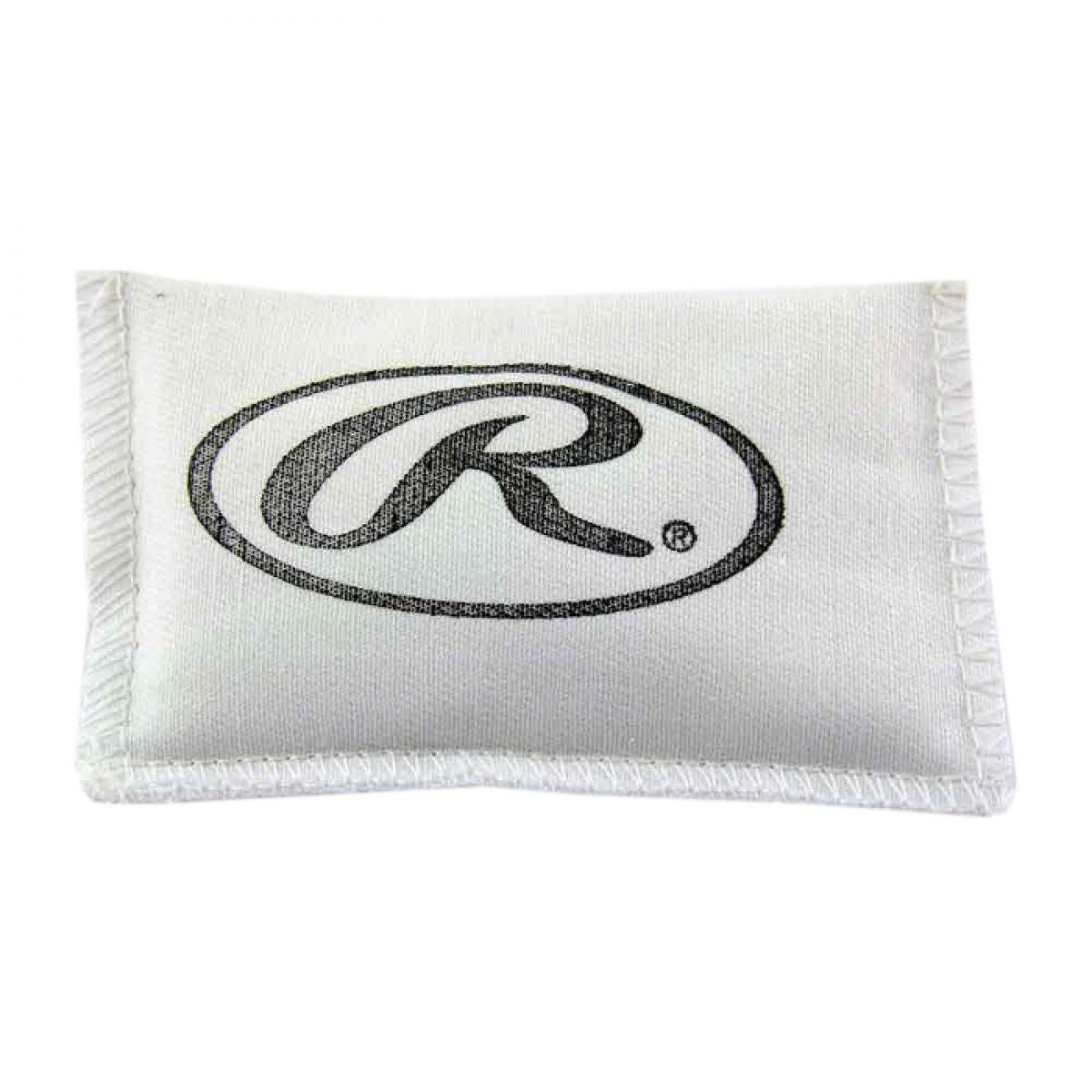
Credit: teamexpress.com
Frequently Asked Questions
What Materials Are Used In A Rosin Bag?
Rosin bags are typically made from micron-filtered nylon or silk mesh. These materials ensure purity by filtering plant material during extraction. The mesh size varies to control the quality and clarity of the rosin produced.
How Does A Rosin Bag Work In Extraction?
A rosin bag filters plant material while heat and pressure extract resin. It allows oils to pass through but blocks contaminants, yielding cleaner, high-quality rosin without solvents.
What Sizes Do Rosin Bags Come In?
Rosin bags come in various sizes, typically ranging from 25 to 160 microns. Smaller sizes filter finer particles, while larger sizes allow more resin flow, affecting the texture and purity of the rosin.
Why Choose A Rosin Bag Over Other Extraction Methods?
Rosin bags enable solventless extraction, preserving natural flavors and cannabinoids. They offer a safer, eco-friendly alternative to chemical solvents, producing pure, high-quality concentrates efficiently.
Conclusion
Rosin bags hold essential materials for extraction. They keep plant matter contained during pressing. The fabric and mesh size affect purity and yield. Choosing the right bag improves your final product. Understanding what’s inside helps you make better decisions. Simple tools can lead to quality results.
Try different bags to see what works best for you. The process stays natural and safe with the right bag. Quality rosin bags support a cleaner, richer extraction every time.