
Planning your next big trip? You might be thinking about what to pack, but have you considered the size of your check-in luggage?
Knowing the maximum size for check-in luggage can save you from last-minute hassles at the airport and unexpected fees. Imagine arriving at the airport, excited to begin your adventure, only to find out your suitcase is too big. Frustrating, right?
In this blog post, we'll uncover the secrets to avoiding this common travel pitfall. You'll discover the standard size limits, tips for measuring your luggage, and how to ensure your suitcase meets airline requirements. Stick with us, and you’ll be packing like a pro in no time, ready to breeze through check-in with confidence.

Credit: www.cabinzero.com
Check-in Luggage Size Limits
Check-in luggage size limits set rules for the luggage you can check at the airport. Airlines want to keep bags manageable and safe during travel. Knowing these limits helps you avoid extra fees and travel stress. Size limits depend on airline rules and where you travel.
Standard Dimensions For Airlines
Most airlines allow check-in bags up to 62 linear inches. Linear inches mean the total of length, width, and height. For example, a bag 27 x 21 x 14 inches equals 62 linear inches. This size fits in the cargo hold without problems. Bags larger than this may not be accepted or can cost extra fees.
Variations By Airline And Region
Airlines in different regions may have different rules. Some airlines in Asia or Europe allow slightly smaller or larger bags. Budget airlines often have stricter size limits. Long-haul international flights usually follow the 62 linear inch rule. Always check your airline's website before packing your bag.
Weight Restrictions To Consider
Size is not the only rule for check-in luggage. Airlines also limit how much your bag can weigh. The common weight limit is 50 pounds or 23 kilograms. Overweight bags can cost a lot more in extra fees. Some airlines allow 70 pounds or 32 kilograms for business class. Weigh your bag before heading to the airport to avoid surprises.
Measuring Your Luggage
Measuring your luggage correctly helps avoid extra fees at the airport. Airlines have strict size limits for checked bags. Knowing the exact size ensures your bag meets those limits. Follow simple steps to measure your luggage accurately.
How To Measure Length, Width, And Height
Place your bag on a flat surface. Use a tape measure or ruler. Measure the longest side for length. Measure the shortest side for width. Measure from the base to the highest point for height. Write down each measurement clearly.
Including Wheels And Handles
Always include wheels and handles in your measurements. They add extra length and height to your bag. Measure the bag fully expanded if it has expandable sections. Check your airline’s rules to see if they count handles or wheels.
Tools For Accurate Measurement
Use a flexible tape measure for the best fit. A metal tape measure works well on hard surfaces. A ruler can help with smaller bags or parts. Avoid guessing or using rough estimates. Accurate tools save time and prevent surprises at check-in.
Airline Policies And Fees
Understanding airline policies and fees is key to managing your checked luggage without surprises. Each airline sets its own rules for the maximum size and weight allowed, which can vary widely. Ignoring these rules can lead to unexpected charges or even having to repack at the airport.
Common Oversize Luggage Charges
Most airlines impose extra fees when your checked bag exceeds size limits. These limits are usually around 62 linear inches (length + width + height), but some airlines allow slightly larger or smaller sizes.
Oversize charges can range anywhere from $50 to over $200, depending on the airline and the degree of oversize. For example, a bag that’s just a few inches over the limit might cost less than one that’s significantly larger.
Some airlines also differentiate between oversize and overweight fees, so a large but light bag may incur a different charge than a smaller, heavier one.
How Fees Are Calculated
Airlines calculate fees based on size and weight thresholds. If your bag exceeds the standard size limit, you’re hit with an oversize fee. If it also weighs more than the allowed limit (usually 50 pounds or 23 kilograms), an additional overweight fee applies.
Fees may increase with the amount your bag exceeds these limits. For example, 2 inches over might cost $75, while 5 inches over could be $150 or more. This tiered system means even small differences in size can affect your costs.
Some carriers charge a flat fee for any oversize bag, so it’s worth checking your airline’s specific policy before you pack.
Tips To Avoid Extra Costs
- Measure and weigh your luggagebefore you leave home. Use a tape measure and a reliable scale to ensure your bag fits within limits.
- Choose lightweight luggageto maximize the amount you can pack without exceeding weight limits.
- Distribute weightbetween carry-on and checked bags to avoid overweight fees on checked luggage.
- Check your airline’s websitefor the exact size and weight restrictions, as they can differ between carriers and routes.
- Consider mailing bulky itemsto your destination if the fees for oversize luggage seem too high.
Have you ever been surprised by an oversize fee? Taking a few minutes to double-check your luggage can save both money and stress at the airport.

Credit: milesopedia.com
Tips For Choosing The Right Luggage
Choosing the right luggage can make or break your travel experience. It’s not just about size; the material, weight, and extra features all play a role in how easy and comfortable your journey will be. Think about the kind of trips you usually take and what kind of luggage would suit those needs best.
Materials And Durability
Your luggage needs to withstand the bumps and bruises of travel. Hard-shell suitcases offer excellent protection for fragile items, while soft-sided bags provide flexibility and extra pockets.
Consider materials like polycarbonate for strength or ballistic nylon for durability. If you’ve ever had a zipper break mid-trip, you know why durability is key. Ask yourself: does your luggage need to handle rough handling or just smooth airport floors?
Lightweight Options
Heavy luggage can quickly become a burden, especially if you’re hopping between multiple destinations. Lightweight suitcases help you avoid extra fees and make maneuvering easier.
Look for bags that balance lightness with sturdiness. I once chose a heavy bag and regretted it after dragging it through busy streets. Wouldn’t you want to save your energy for exploring, not hauling your suitcase?
Expandable Features
Expandable luggage offers flexibility when packing. It gives you extra space for souvenirs or unexpected items without the need to carry an additional bag.
However, remember that expanding your luggage might push you over airline size limits. Think about how often you bring back more than you left with and whether an expandable option fits your travel habits.
Packing Strategies For Maximum Efficiency
Packing efficiently helps you maximize space in your checked luggage. Smart packing reduces stress and avoids extra fees. It also protects your belongings during travel. Use these strategies to pack smarter and fit more in your bag.
Organizing To Save Space
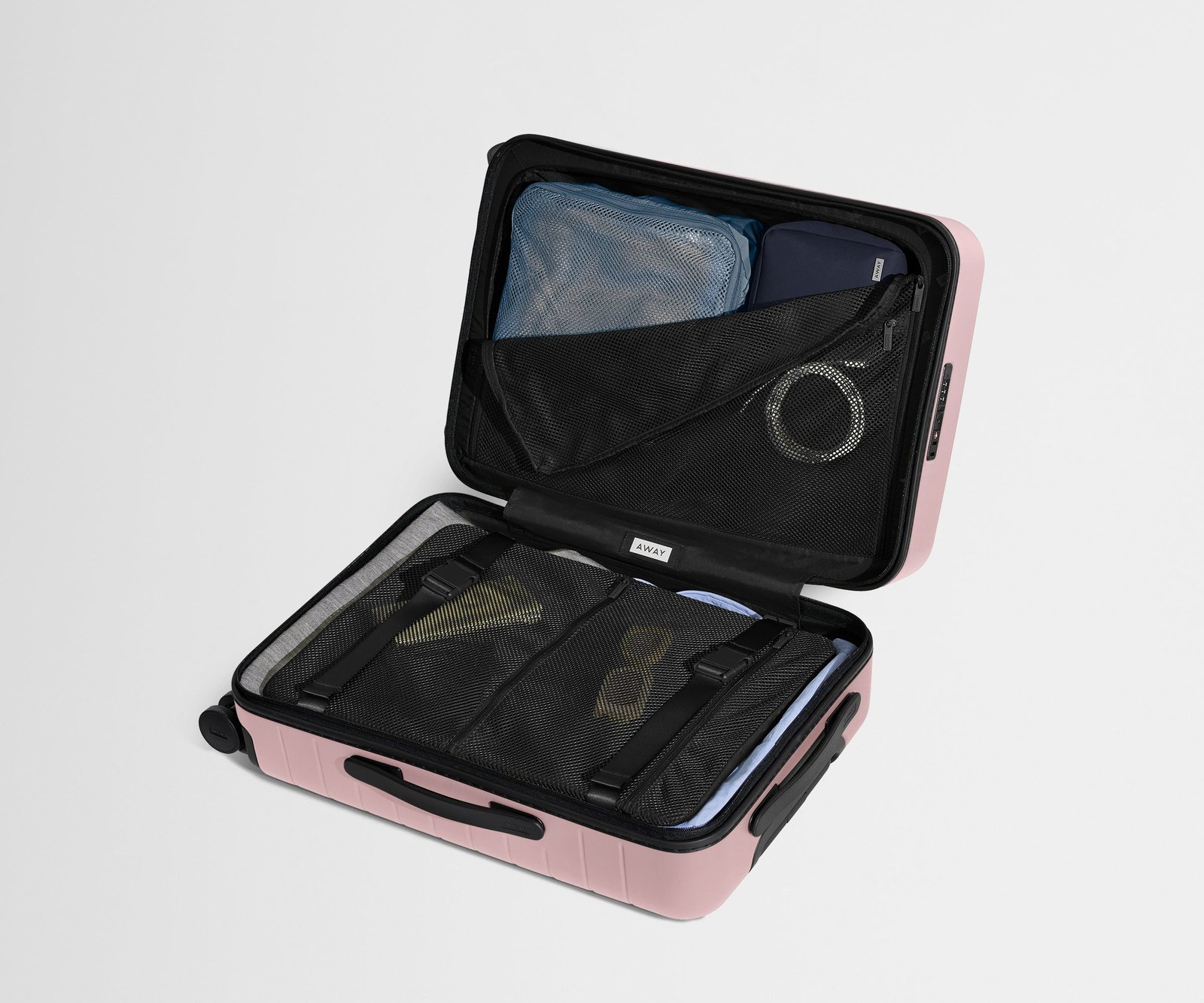
Start by sorting items by size and type. Place heavier items at the bottom of the suitcase. Use small pouches for toiletries and chargers. Roll clothes instead of folding to prevent wrinkles and save space. Group similar items together for easy access.
Using Compression Bags
Compression bags reduce the volume of soft items like clothes. They remove air, making clothes compact and flat. This creates extra room for other essentials. Use vacuum-sealed bags for bulky items such as jackets. Make sure bags are sealed tightly to avoid leaks.
Balancing Weight Distribution
Distribute weight evenly to avoid strain and damage. Place heavier items near the wheels for easier rolling. Keep fragile items in the center, cushioned by clothes. Avoid overloading one side to maintain balance. Proper weight distribution helps with handling and prevents luggage from tipping over.
Special Cases And Exceptions
Special cases and exceptions can affect the allowed size for checked luggage. Airlines set general rules, but these rules may change for certain items or situations. Understanding these exceptions helps avoid extra fees and travel delays. Some items need special handling or have different size limits.
Sports Equipment And Oversized Items
Sports gear often requires larger luggage space. Items like golf clubs, skis, and surfboards usually exceed standard size limits. Airlines may allow bigger bags but charge extra fees. Packaging rules apply to protect equipment during transit. Always check specific airline policies before traveling with sports gear.
International Flight Considerations
International flights often have different baggage size rules. Airlines may follow stricter or more relaxed limits depending on the country. Customs regulations can also impact luggage size and contents. Some airports have unique restrictions on bag dimensions. Travelers should review the airline and destination rules carefully.
Traveling With Children Or Pets
Traveling with kids or pets can change luggage rules. Airlines may allow extra bags for baby items or pet carriers. Size limits for pet crates vary by airline and animal size. Carrying essential items for children or pets often requires special planning. Confirm baggage allowances and rules before the trip.
Latest Updates For 2026
Travel regulations are constantly evolving, and 2026 is no exception. Airlines and airports worldwide are updating their rules on the maximum size for checked luggage. Staying informed can save you from unexpected fees or last-minute repacking at the airport.
New Regulations To Watch
Many airlines have adjusted their checked luggage size limits slightly for 2026. While the common maximum dimension remains around 62 linear inches (length + width + height), some carriers are now enforcing stricter weight limits alongside size restrictions.
Airlines in Europe and Asia are leading these changes, aiming to improve baggage handling and reduce delays. Have you checked your airline’s updated luggage policy before packing? It’s easy to assume old rules still apply, but that can cost you.
Emerging Trends In Luggage Design
To meet new size restrictions, luggage manufacturers are focusing on lightweight materials and expandable compartments. Smart designs help travelers pack efficiently without exceeding size or weight limits.
You might notice more suitcases with adjustable frames or modular sections. These allow you to customize your bag’s dimensions based on your trip’s length and airline rules. Could your next suitcase simplify your packing and keep you under limits?
How Technology Is Changing Travel
Technology is playing a bigger role in managing luggage size and weight. Some airlines now offer apps that scan and measure your luggage before you even leave home.
Smart luggage with built-in scales and GPS trackers is also becoming popular. These features give you real-time feedback on your bag’s weight and location, reducing stress at check-in. What if your suitcase could alert you when it’s too heavy or going off track?
Credit: www.cabinzero.com
Frequently Asked Questions
What Is The Standard Maximum Size For Checked Luggage?
The standard maximum size for checked luggage is 62 linear inches. This is the sum of length, width, and height. Airlines commonly enforce this limit to avoid extra fees. Always check your specific airline’s rules before traveling.
How Much Does Checked Luggage Usually Weigh?
Checked luggage typically has a weight limit of 50 pounds (23 kilograms). Some airlines allow up to 70 pounds for certain ticket types. Overweight bags often incur additional fees. Weigh your bag before heading to the airport.
Do All Airlines Have The Same Luggage Size Rules?
No, luggage size rules vary between airlines. Most follow the 62 linear inches guideline but some have stricter limits. Always verify your airline’s policy online before packing. This helps avoid unexpected fees or repacking at the airport.
Can Oversized Checked Luggage Be Accepted?
Oversized checked luggage may be accepted but often incurs extra charges. Airlines charge fees for bags exceeding size or weight limits. Oversized bags might need special handling, causing delays. Check airline policies and fees in advance to prepare.
Conclusion
Knowing the maximum size for check-in luggage helps avoid extra fees. Airlines set size limits to keep luggage safe and manageable. Always check your airline’s rules before packing. Measure your bag’s length, width, and height carefully. Staying within limits means smoother travel and less stress.
Packing smart saves time at the airport. Keep your trip easy and enjoy your journey.