
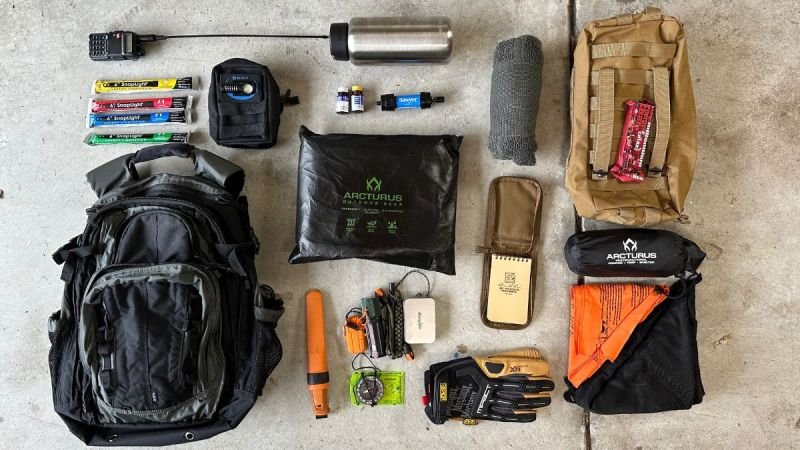
Imagine this: a sudden emergency strikes, and you have mere minutes to leave your home. In such a situation, having a bug out bag ready can make all the difference.
But what should your bug out bag contain to ensure your safety and survival? This isn't just about throwing random items into a backpack; it’s about carefully selecting essentials that could be your lifeline in a crisis. If you've ever felt overwhelmed by the myriad of survival gear options or wondered if your current bag is truly prepared for the unexpected, you're not alone.
We'll uncover the must-have items your bug out bag should contain to keep you ready for anything. Stay with us, and discover how to build a bug out bag that’s not only practical but could be a game-changer when it matters most.
Choosing The Right Bag
Choosing the right bag for your bug out kit is more than just picking a pretty design. It’s about finding a reliable partner that will carry your essentials safely and comfortably. Your choice affects how fast you move, how much you carry, and how prepared you feel when every second counts.
Backpack Types
There are several backpack styles to consider, each with strengths for different scenarios. A tactical backpack offers lots of compartments and MOLLE webbing for attaching extra gear. Hiking backpacks usually have better support and ventilation, which helps on long treks.
Think about where you’ll go and what you’ll carry. Do you need quick access pockets, or do you want a simple bag with fewer distractions? Your bug out bag should match your environment and mission.
Size And Weight Considerations
Size matters, but bigger isn’t always better. A 40-liter pack often hits the sweet spot for most people — enough room for essentials without being bulky. Overpacking can slow you down and cause fatigue, which is dangerous in an emergency.
How much weight can you realistically carry for hours? Test your loaded pack before deciding. If it feels too heavy or awkward, rethink what you really need versus what you want to bring.
Durability And Comfort
Your bag will face rough conditions, so durability is non-negotiable. Look for materials like 500D or 1000D nylon that resist tears and water. Strong zippers and reinforced stitching can save you from disaster when you least expect it.
Comfort keeps you moving. Padded shoulder straps, a supportive back panel, and adjustable hip belts distribute weight evenly. Imagine carrying your pack all day—without these features, you’ll feel every pound.

Credit: trueprepper.com
Water And Hydration Gear
Water is essential for survival, especially in emergencies. A bug out bag must have reliable water and hydration gear. It ensures you stay hydrated and safe. Carrying the right tools helps you find, store, and purify water. Here are key items to include for water and hydration.
Water Storage Options
- Collapsible water bottles save space and are lightweight.
- Durable plastic bottles resist breaking and leaks.
- Water bladders fit easily in backpacks and provide hands-free drinking.
- Metal canteens are strong and can be heated over a fire.
- Small water pouches offer emergency reserves and are easy to carry.
Purification Methods
- Water purification tablets kill harmful bacteria and viruses.
- Portable water filters remove dirt and pathogens physically.
- UV light purifiers use ultraviolet rays to disinfect water.
- Boiling water kills germs but needs fuel and time.
Hydration Systems
- Hydration packs with built-in tubes allow easy sipping on the move.
- Water bottles with built-in filters offer clean water instantly.
- Reusable straws with filters provide quick, portable purification.
Food And Nutrition
Food and nutrition are crucial for survival in an emergency. Your bug out bag needs to include items that provide energy, nutrients, and last long. Choose foods that are easy to carry and prepare. Focus on foods that keep well without refrigeration. Balance calories and nutrition for strength and endurance.
Non-perishable Food Items
Non-perishable foods stay safe without refrigeration. They are essential for a bug out bag.
- Canned beans and vegetables
- Dehydrated meals
- Instant noodles or pasta
- Rice and lentils
- Powdered milk or protein powder
These items provide variety and essential nutrients. Pack enough to last several days.
High-energy Snacks
Snacks give quick energy during long treks or stressful situations.
- Energy bars or granola bars
- Nuts and seeds
- Dried fruits like raisins or apricots
- Peanut butter packets
- Trail mix
Choose snacks rich in protein, fat, and carbohydrates. They help maintain stamina.
Portable Cooking Gear
Cooking gear allows you to prepare meals wherever you are.
- Compact camping stove
- Lightweight fuel canisters
- Small pot or pan
- Utensils like a spork or knife
- Fire starters or waterproof matches
Simple gear keeps your food safe and tasty. Always test your gear before packing.
Shelter And Warmth
Staying warm and protected in an emergency is vital. Shelter and warmth keep your body safe from harsh weather and cold nights. Your bug out bag should have items that offer comfort and security anywhere you go. These essentials help you rest, recover, and stay healthy in tough situations.
Tents And Tarps
Tents provide a solid shield against wind and rain. They create a small, dry space to sleep and store gear. Choose lightweight, compact tents for easy carrying. Tarps are versatile and can be set up quickly. They protect you from rain and sun. Use ropes or paracord to secure tarps between trees or poles. Both tents and tarps are important for flexible shelter options.
Sleeping Bags And Mats
Sleeping bags trap body heat to keep you warm at night. Select bags rated for low temperatures. Compact, lightweight bags save space and weight. Sleeping mats add comfort and insulation from cold ground. Foam mats or inflatable versions work well. Mats reduce heat loss and improve sleep quality. Together, these items help you rest better outdoors.
Clothing Layers
Layering clothes helps control body temperature. Start with a moisture-wicking base layer to keep skin dry. Add an insulating layer like fleece or wool for warmth. Finish with a waterproof outer layer to block wind and rain. Carry extra socks and gloves for cold weather. Layered clothing adapts to changing conditions and keeps you comfortable.
First Aid And Medical Supplies
First aid and medical supplies are vital in any bug out bag. They help treat injuries and prevent infections. These items can save lives during emergencies or accidents. Prepare for minor cuts, burns, and more serious wounds. Keep everything organized and accessible.
Basic First Aid Kit
- Adhesive bandages in various sizes
- Sterile gauze pads and adhesive tape
- Antiseptic wipes and antibiotic ointment
- Elastic bandage for sprains and strains
- Scissors and tweezers for removing debris
- Disposable gloves to maintain hygiene
- CPR mask for emergency resuscitation
Medications And Treatments
- Pain relievers like ibuprofen or acetaminophen
- Antihistamines for allergic reactions
- Anti-diarrheal medication and rehydration salts
- Insect bite and sting relief creams
- Any personal prescription medications
- Cold and flu tablets for common symptoms
Emergency Tools
- Instant cold packs to reduce swelling
- Thermal blanket for shock or cold weather
- Small flashlight with extra batteries
- Multi-tool with knife and pliers
- Safety pins for securing bandages
- Medical instruction booklet for quick reference
Tools And Equipment
Your bug out bag’s tools and equipment can make a huge difference when you need to rely on yourself. These items are your survival partners, helping you solve problems quickly and efficiently. Choosing the right tools means you can handle unexpected situations with confidence and ease.
Knives And Multi-tools
A sharp knife is essential. It can help you prepare food, cut rope, or even defend yourself if needed. Look for a sturdy fixed-blade knife with a comfortable grip.
Multi-tools add versatility. They combine scissors, screwdrivers, pliers, and more in one compact device. This saves space and gives you access to many functions without carrying extra gear.
Think about how often you’ve needed a simple tool that wasn’t around. Having a reliable knife and a good multi-tool can prevent those frustrating moments. Which tasks do you think you’d face most often?
Fire Starters
Fire saves lives. It keeps you warm, cooks food, and signals for help. Pack several fire-starting options like waterproof matches, a lighter, and a ferrocerium rod.
A ferrocerium rod is a powerful backup. It works even when wet and lasts for thousands of strikes. This kind of reliability can mean the difference between staying warm or freezing.
Have you ever tried lighting a fire in bad weather? Fire starters that work in tough conditions give you peace of mind and can keep you safe.
Navigation Devices
Getting lost is more common than you might think. A map and compass are basic tools that never fail when batteries die. Make sure you know how to use them before an emergency arises.
GPS devices offer precision and convenience, but they depend on power. Carry extra batteries or a portable charger to keep them running.
Ask yourself: would you be able to find your way back if your phone died? Including reliable navigation tools in your bag means you’re prepared for that scenario.
Communication And Signaling
Communication and signaling tools are essential in your bug out bag. They help you stay connected or attract attention when you’re in an emergency. Without reliable ways to communicate, even the best survival plans can fall apart quickly.
Whistles And Mirrors
A whistle is a simple, lightweight tool that can carry your call for help over long distances. Its sharp sound is easier to locate than shouting, especially in dense forests or noisy environments.
A signal mirror can catch sunlight and flash it toward rescuers or passing aircraft. It requires no power and can be seen from miles away on clear days. Have you ever tried signaling with a mirror? It’s surprisingly effective if you know the right angle to use.
Two-way Radios
Two-way radios provide instant communication between you and your group without relying on cell towers. They work well in remote areas where cell signals are weak or nonexistent.
Choose radios with a good range and weather resistance. Test them regularly to ensure the batteries hold up. Would you feel safer knowing you can check in with your team anytime?
Signal Flares
Signal flares are bright and visible over long distances, especially at night. They can alert rescuers to your exact location quickly.
Keep them in a waterproof container and handle them with care. Knowing when and how to use flares can save precious time in a survival situation. Have you practiced using one before packing it?

Credit: trueprepper.com
Personal Hygiene
Keeping up with personal hygiene in a survival situation is more important than many realize. It helps prevent illness, boosts morale, and keeps you feeling somewhat normal amid chaos. Packing the right hygiene items in your bug out bag is essential for maintaining your health and comfort when resources are limited.
Sanitation Supplies
Sanitation supplies are the backbone of your hygiene kit. Include items like biodegradable soap, travel-sized packs of disinfectant wipes, and a small towel or washcloth. Don’t forget a roll of toilet paper or a pack of tissue; these are often overlooked but critical for sanitary needs.
Consider adding a portable waste disposal system such as zip-lock bags or a lightweight trowel to manage human waste properly. Clean surroundings reduce the risk of infections and keep pests away. Have you thought about how you’ll handle waste if you’re stuck outdoors for days?
Hand Sanitizers
Hand sanitizers are non-negotiable in your bug out bag. They provide a quick and effective way to kill germs when water isn’t available. Choose a sanitizer with at least 60% alcohol content for maximum effectiveness.
Small bottles or gel packs fit easily in your bag and pockets, making them accessible at all times. I’ve found keeping a couple of mini bottles handy saves a lot of trouble after handling dirty gear or food. How often do you clean your hands during a busy day outside?
Compact Toiletries
Compact toiletries save space without sacrificing cleanliness. Pack travel-sized toothpaste, a toothbrush, and a small comb or brush. Add multipurpose items like a bar of soap that can be used for both body and laundry.
Consider solid toiletries over liquids to avoid leaks and weight. A small container of deodorant and lip balm can also make a big difference in comfort and confidence. What personal care items make you feel most refreshed after a long day?
Important Documents And Money
Your bug out bag should have more than just food and water. Important documents and money can be lifesavers when you're on the move. Losing access to your ID or funds can turn a tough situation into a nightmare.
Waterproof Storage
Protect your documents from water damage by using waterproof pouches or zip-lock bags. You can even double-bag important papers to ensure they stay dry. Think about the last time your phone got wet—wouldn't you want to avoid the same fate for your paperwork?
Keep these pouches in an easy-to-access spot inside your bag. That way, you won't waste time digging around when you need them quickly.
Identification Papers
Include copies of your driver's license, passport, birth certificate, and any medical records. Having these on hand can speed up aid or travel during emergencies. Don’t forget to update these copies regularly to keep them current.
Consider scanning these documents and saving digital copies on a secure USB drive. This backup can be a lifesaver if the physical copies get lost or damaged.
Cash And Cards
Carry a mix of cash and cards for flexibility. Cash is useful when electronic payment systems are down, while cards work well when available. Avoid carrying large amounts of money, but enough to cover essentials like food and fuel is smart.
Store cash in different places within your bag to reduce the risk of losing it all at once. Have you thought about how you would pay if your card stopped working or ATMs were offline?
Customizing Your Bug Out Bag
Customizing your bug out bag is essential for making sure it truly serves you in an emergency. It’s not just about packing generic survival gear; it’s about tailoring the contents to fit your unique situation. Your environment, personal needs, and how often you update your bag all play a big role in its effectiveness.
Considering Your Environment
Think about where you live and where you might need to go in an emergency. A bug out bag for a snowy mountain area will look very different from one designed for a hot, dry desert. Items like extra warm clothing, snow boots, or sunscreen and water filters should reflect your surroundings.
Ask yourself: What natural threats are common in my area? Floods, wildfires, or earthquakes? Your environment should guide the tools and supplies you add. Carrying a heavy water filter in a place with safe tap water might be unnecessary, but a sturdy rain poncho could be a lifesaver.
Adapting To Personal Needs
Everyone’s health and lifestyle impact what should go into their bug out bag. If you take medication daily, make sure you pack an ample supply. Consider any allergies and include necessary treatments like an EpiPen or antihistamines.
Also, think about your physical strength and mobility. Heavy gear might slow you down if you’re not used to carrying it. Choose lightweight, multipurpose items to keep your bag manageable and effective for your specific needs.
Regular Maintenance
Building your bug out bag isn’t a one-time task. You need to check it regularly to replace expired food, batteries, and medications. This keeps your bag ready for immediate use without last-minute scrambles.
Test your equipment frequently to make sure everything works. I once found a flashlight with dead batteries when I needed it the most—don’t let that happen to you. Set a reminder every few months to review and update your bag.

Credit: www.mypatriotsupply.com
Frequently Asked Questions
What Essential Items Should My Bug Out Bag Contain?
Your bug out bag should include water, food, first aid kit, flashlight, multi-tool, and emergency shelter. These essentials help you survive during emergencies and sustain yourself until help arrives or you reach safety.
How Much Water Is Needed In A Bug Out Bag?
Carry at least one liter of water per person per day. Include a portable water filter or purification tablets to ensure a safe drinking supply in any situation.
What Food Types Are Best For Bug Out Bags?
Pack lightweight, non-perishable foods like energy bars, dried fruits, nuts, and freeze-dried meals. These foods provide necessary nutrients and are easy to store and carry.
Should I Include Tools In My Bug Out Bag?
Yes, include multi-tools, a sturdy knife, fire starter, and duct tape. These tools are vital for shelter building, repairs, and fire making in emergencies.
Conclusion
A well-packed bug out bag keeps you ready for emergencies. Choose items that meet your basic needs: water, food, shelter, and first aid. Keep your bag light but complete to avoid carrying too much. Regularly check and update your supplies to stay prepared.
Remember, simple and practical choices work best. Stay safe by planning ahead and knowing what to take. Your bug out bag can make a real difference when you need it most.