
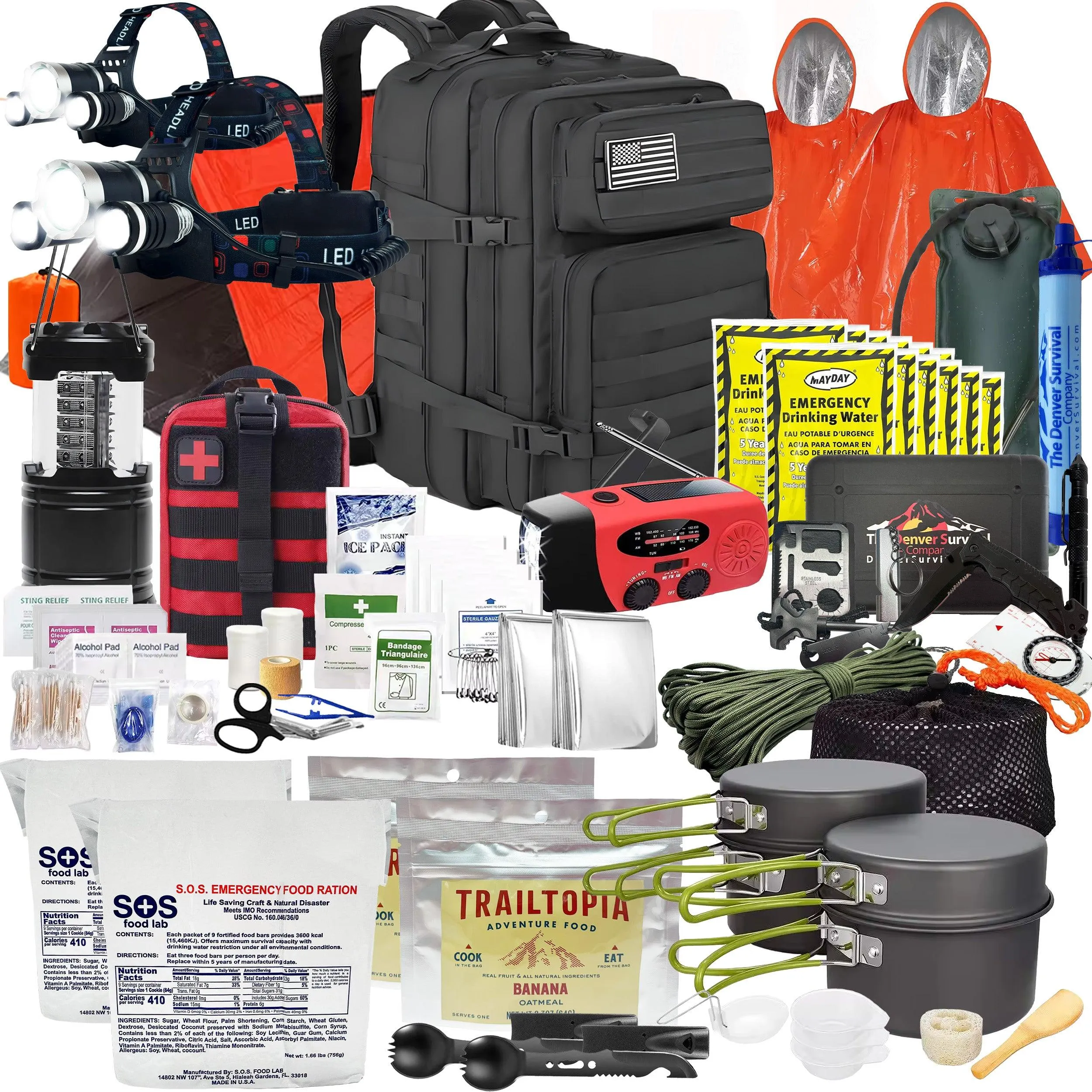
Imagine a scenario where you have to leave your home at a moment's notice. It could be due to a natural disaster, a sudden emergency, or any unforeseen event.
In such situations, being prepared is your best defense. This is where a bug out bag becomes essential. But what exactly should you pack in it? You might feel overwhelmed by the choices, but don't worry—you're not alone. Many people struggle with deciding what is truly necessary for survival and what is just extra weight.
By the end of this article, you'll have a clear understanding of the must-have items for your bug out bag, ensuring you're ready for whatever comes your way. Stay with us to uncover the essentials that could make all the difference when it matters most.
Basic Survival Tools
Basic survival tools are essential in any bug out bag. They help you manage daily challenges in the wild or during emergencies. These tools must be reliable, lightweight, and easy to use. Carrying the right equipment can improve your safety and comfort in tough situations. Focus on items that serve multiple purposes and require minimal maintenance.
Multi-tool And Knife
A good multi-tool combines several functions in one compact device. It usually includes pliers, screwdrivers, scissors, and a knife blade. A sharp, durable knife is crucial for cutting, preparing food, and self-defense. Choose tools made from strong materials like stainless steel. They must fit comfortably in your hand and be easy to carry.
Fire Starters
Fire is vital for warmth, cooking, and signaling for help. Include reliable fire starters such as waterproof matches, lighters, or ferro rods. Ferro rods produce sparks even when wet, making them highly effective. Store these items in waterproof containers to keep them dry. Practice starting a fire before an emergency to build confidence.
Flashlight And Batteries
A flashlight provides light in dark or low-visibility conditions. It also helps signal rescuers and navigate safely at night. Opt for LED flashlights as they use less power and last longer. Carry extra batteries to ensure your light source remains functional. Consider compact, lightweight models to save space in your bag.
Water And Hydration
Water is the most important item in any bug out bag. Staying hydrated keeps your body working well. Without clean water, you can get sick quickly. Carrying enough water and ways to purify it is essential for survival. Prepare to drink safely from different water sources.
Water Bottles And Containers
Choose strong, leak-proof bottles for your bag. Durable plastic or metal bottles work best. Carry at least two bottles to hold enough water. Collapsible water containers save space when empty. Look for containers with wide mouths for easy filling and cleaning.
- Stainless steel bottles resist damage and keep water cool
- Plastic bottles are lightweight and easy to carry
- Collapsible bladders fit inside backpacks without bulk
- Make sure containers have secure lids to avoid spills
Water Purification Methods
Water from streams or lakes may contain germs. Purify water before drinking to avoid illness. Carry portable purification tools in your bag. Tablets, filters, and UV devices are popular choices.
- Water purification tablets kill bacteria and viruses
- Portable filters remove dirt and harmful organisms
- UV purifiers use light to clean water quickly
- Boiling water for several minutes also makes it safe
Food And Nutrition
Food and nutrition are vital in a bug out bag. Proper nourishment keeps energy high and mind sharp. Choose foods that last long and provide needed calories. Balanced nutrition helps survive tough situations.
Non-perishable Food Options
Non-perishable foods stay good for months or years. These foods do not need refrigeration. They are easy to carry and prepare. Include a variety of types for balanced nutrition.
- Dehydrated fruits and vegetables
- Canned beans and meats
- Nut butters in sealed packets
- Granola or energy bars
- Dried nuts and seeds
- Instant oatmeal or rice
- Powdered milk or protein shakes
Choose lightweight items with high calories. Avoid foods that spoil quickly or need cooking.
Portable Cooking Gear
Portable cooking gear allows food preparation anywhere. Choose gear that is compact and easy to use. Fuel should be lightweight and reliable.
- Small camping stove with fuel canisters
- Lightweight pot or pan
- Collapsible utensils and cutlery
- Fire starter kits or waterproof matches
- Portable water filter or purification tablets
Cooking gear helps make meals warm and safe. Always test your gear before packing it.

Credit: www.gninsurance.com
Shelter And Warmth
Shelter and warmth are key for survival in any emergency. Protecting your body from cold and wet conditions helps prevent hypothermia. Your bug out bag must include items that keep you dry and warm. These items should be lightweight and easy to carry. They must also provide quick protection in harsh environments.
Emergency Blankets And Sleeping Bags
Emergency blankets are thin, light, and compact. They reflect your body heat and block wind. These blankets fit easily into any bug out bag. Use them to wrap yourself or line your shelter for extra warmth.
Sleeping bags provide better insulation for long rest periods. Choose a sleeping bag rated for cold weather. Look for one that compresses small for easy transport. A quality sleeping bag keeps your body temperature stable during cold nights.
Tents And Tarps
Tents offer full protection from rain, wind, and insects. Opt for a lightweight, easy-to-set-up tent. It should fit your needs without adding much weight to your bag.
Tarps are versatile and serve many purposes. They can act as a ground cover, rain shelter, or windbreak. Carry a waterproof tarp made of durable material. Pair it with ropes or paracord for quick shelter construction.
First Aid Supplies
First aid supplies are essential in any bug out bag. You never know when a minor injury could turn into a serious problem without the right tools. Having these supplies ready ensures you can treat wounds, manage pain, and prevent infections on the go.
Basic Medical Kit
Your basic medical kit should cover common injuries and emergencies. Include items like adhesive bandages in various sizes, sterile gauze pads, and medical tape to secure dressings. Antiseptic wipes and antibiotic ointment help prevent infections after cuts or scrapes.
Don’t forget tools like tweezers for splinter removal and scissors for cutting tape or clothing. A CPR face shield can be a lifesaver if you need to perform rescue breathing. Think about adding a digital thermometer to monitor fever and disposable gloves to keep things sanitary.
Medications And Personal Items
Medications are as important as bandages in a bug out bag. Pack pain relievers like ibuprofen or acetaminophen to manage headaches or muscle pain. Include any prescription medications you need daily, along with extras in case you get stuck away from home.
Consider adding antihistamines for allergic reactions and anti-diarrheal medicine to handle unexpected digestive issues. Personal items like an extra pair of glasses or contact lenses can make a big difference in your ability to navigate and stay safe. What specific medications do you rely on that must be in your kit?

Credit: www.mypatriotsupply.com
Clothing And Protection
Your bug out bag’s clothing and protection items play a crucial role in keeping you safe and comfortable when you need to move fast or stay outdoors for extended periods. The right choices here can prevent hypothermia, sunburn, insect bites, and injuries. You want items that adapt to changing conditions without weighing you down.
Weather-appropriate Clothing
Choosing clothes suited for the climate you expect is not just smart—it can be lifesaving. In cold weather, layering is key: start with a moisture-wicking base layer, add an insulating layer, and top it with a waterproof shell. Each piece should be lightweight and quick-drying.
For hot climates, breathable fabrics like cotton blends or moisture-wicking synthetics will keep sweat off your skin and reduce overheating. Don’t forget a wide-brimmed hat and UV-protective clothing to shield you from the sun’s harsh rays.
Have you tested your clothing in real conditions? Wearing your bug out clothes on a long hike can reveal comfort issues you wouldn’t notice otherwise.
Protective Gear
Protection goes beyond clothing. Durable gloves protect your hands from cuts and scrapes, while a sturdy pair of boots guards your feet against rough terrain and potential snake bites. Make sure your boots are broken in to avoid blisters.
Adding a reliable rain poncho or a compact tarp can provide shelter and keep your body dry. Don’t forget insect repellent and a head net if bugs are likely to be a problem—they can drain your energy quickly.
How prepared are you to face unexpected hazards? Having protective gear ready means you can handle surprises without panic or injury.
Navigation And Communication
Having reliable navigation and communication tools in your bug out bag can make a huge difference when you're off the grid. Without these, even the best supplies won’t keep you safe if you lose your way or can’t reach help. Think about how you would find your route in unfamiliar terrain or alert someone if you’re in trouble.
Maps And Compass
Always include a detailed paper map of your area and a sturdy compass in your bug out bag. Electronic devices can fail or run out of battery, but a map and compass don’t rely on power. Knowing how to read a map and use a compass can guide you through the toughest situations.
Practice your navigation skills before you need them. I once trusted only my phone’s GPS during a hike, and when the battery died, I was lost for hours. Carrying a compass and map would have saved me time and stress.
- Choose waterproof or laminated maps for durability.
- Mark key locations like safe zones and water sources.
- Familiarize yourself with compass basics: bearings, declination, and orientation.
Emergency Radios
Emergency radios are your lifeline to the outside world when standard communication breaks down. Look for a hand-crank or solar-powered radio with NOAA weather channels and emergency alerts. This tool keeps you informed about weather changes, rescue efforts, and critical updates.
In an emergency, silence can be dangerous. Broadcasting your location on the right frequency could mean the difference between being found or being overlooked. Always test your emergency radio periodically to ensure it works when you need it most.
- Pick radios with multiple power sources—battery, solar, and hand crank.
- Learn the frequencies used by local emergency services.
- Consider models with built-in flashlight and USB charging for extra utility.
Credit: www.nytimes.com
Personal Documents And Money
Having your personal documents and money ready in a bug out bag can be a lifesaver during unexpected emergencies. These items are often overlooked but can make a huge difference when you need to prove your identity, access resources, or secure shelter. Think about the last time you needed a document quickly—how much easier would it have been if it was already packed and ready?
Important Papers
Keep copies of key documents in a waterproof pouch or sealed plastic bags to protect them from damage. Essential papers include:
- Identification cards (driver’s license, passport)
- Birth certificates
- Medical records and prescriptions
- Insurance policies (health, home, vehicle)
- Emergency contact information
Don’t forget digital backups stored on a USB drive or cloud service, but rely on physical copies first. Imagine needing medical care in an unfamiliar place—having your records on hand can speed up treatment and avoid errors.
Cash And Cards
Cash is king when electronic payment systems fail, so stash a mix of small bills and coins in your bag. Cards can be useful, but only if ATMs or card readers work.
- Carry multiple forms of payment, like debit and credit cards
- Keep cash in different denominations for flexibility
- Consider prepaid cards or traveler’s checks as backups
Ask yourself: how would you buy essentials if your phone or bank is unreachable? Having cash and cards ready gives you options and peace of mind.
Additional Survival Items
Additional survival items can make a big difference in an emergency. These tools help you adapt to many situations. They add flexibility and usefulness beyond basic supplies. Keep these extras ready to improve your chances in the wild or urban chaos.
Paracord And Duct Tape
Paracord is a lightweight, strong rope with many uses. It can build shelters, fix gear, or make traps. Carry at least 10 to 20 feet of paracord in your bag. It can also serve as a tourniquet or shoelace.
Duct tape is another essential item. It sticks to almost anything and repairs torn clothing or broken gear. Wrap a small roll around a water bottle or stick. You can use it for first aid, sealing leaks, or making tools.
Signal Devices
Signal devices help rescuers find you faster. A whistle is loud and uses no batteries. Blow three short blasts to signal for help.
A mirror or signal reflector can catch sunlight. Flash it to attract attention from far away. Include a small, lightweight mirror in your bag.
Consider a compact flashlight or headlamp. It helps you see at night and signals with light patterns. Choose one with extra batteries stored safely.
Frequently Asked Questions
What Essential Items Belong In A Bug Out Bag?
A bug out bag should include water, food, shelter, first aid, tools, and clothing. These items ensure survival for 72 hours during emergencies or evacuations.
How Much Water Should A Bug Out Bag Contain?
Your bug out bag should hold at least one gallon of water per person per day. Include water purification tablets or filters for extended use.
What Type Of Food Is Best For A Bug Out Bag?
Choose lightweight, non-perishable, high-calorie foods like energy bars, dried fruits, and nuts. These provide quick nutrition and are easy to carry.
Why Is A First Aid Kit Important In A Bug Out Bag?
A first aid kit helps treat injuries and prevents infections during emergencies. Include bandages, antiseptics, pain relievers, and any personal medications.
Conclusion
A well-packed bug out bag can keep you safe in emergencies. Choose items that are light, useful, and easy to carry. Focus on basics like water, food, shelter, and first aid. Practice using your gear before you need it. Staying prepared helps you stay calm and ready.
Remember, a simple bag can make a big difference. Take time now to build your bug out bag right. It’s peace of mind when life gets tough.