

Navigating the rules of air travel can sometimes feel like solving a complex puzzle, especially when it comes to packing. You might be wondering, "What size backpack can you take on a plane?"
This seemingly simple question can make or break your travel experience. Imagine breezing through airport security, confident that your backpack meets all the airline requirements. No need to worry about unexpected fees or last-minute repacking. In this guide, you'll uncover the secrets to choosing the perfect backpack size for your next flight.
Stay with us, and you'll be well-prepared to pack smart and travel with ease.

Credit: www.amazon.ca
Carry-on Size Limits
Knowing the carry-on size limits can save you from last-minute hassles at the airport. Each airline sets rules on how big your backpack can be if you want to bring it onboard without checking it in. Understanding these limits helps you pack smarter and avoid unexpected fees.
Standard Airline Restrictions
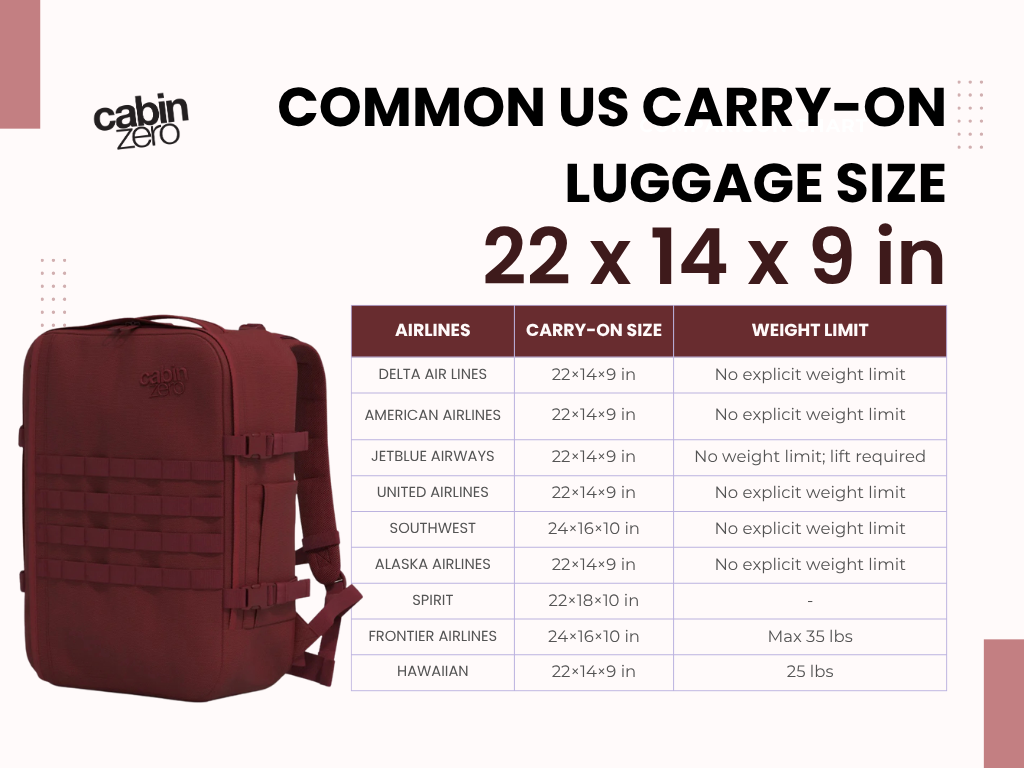
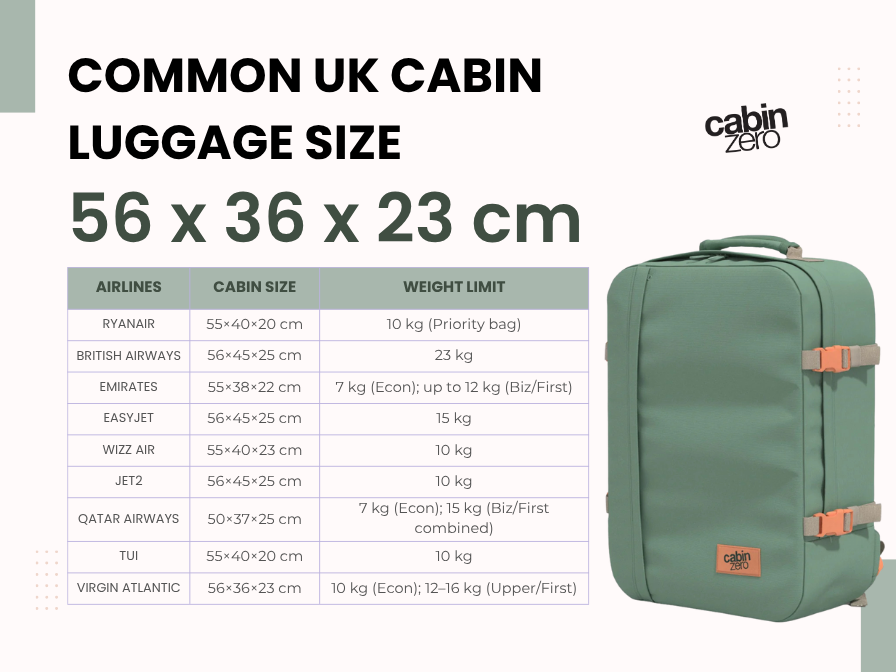
Most airlines allow carry-on bags around 22 x 14 x 9 inches (56 x 36 x 23 cm). This size fits easily in overhead bins and under the seat in front of you. However, weight limits can vary, with some airlines capping carry-ons at 15 to 22 pounds (7 to 10 kg).
I once tried to board with a backpack slightly larger than these dimensions and was asked to check it in last minute. It cost me extra and delayed my trip. Always measure your backpack before you travel to avoid surprises.
Variations By Airline
Each airline has its own rules about carry-on size and weight. For example:
- Southwest Airlines allows a carry-on up to 24 x 16 x 10 inches.
- JetBlue limits carry-ons to 22 x 14 x 9 inches, but also enforces a strict weight policy.
- Alaska Airlines permits 22 x 14 x 9 inches but may be more flexible on weight.
Checking your specific airline's website before packing is crucial. You might be able to bring a slightly larger bag on one airline but not on another.
International Vs Domestic Rules
International flights often have stricter carry-on size limits compared to domestic ones. Airlines flying internationally may require smaller or lighter bags due to security and customs regulations. For example, European carriers usually limit carry-ons to about 21 x 15 x 9 inches.
Think about your route: are you flying domestic or international? Your backpack size choice might need to change accordingly. If you travel frequently, having a backpack that fits the smallest allowed size can save time and stress.
Measuring Your Backpack
Measuring your backpack accurately is key to avoiding surprises at the airport. Knowing its exact size helps you ensure it fits airline requirements and avoids last-minute repacking. Let’s break down how to measure your backpack correctly so you can travel with confidence.
Height, Width, And Depth
Start by measuring the height from the base to the top, including any raised parts. Next, measure the width at the widest point, usually across the front. Finally, check the depth by measuring from the front to the back of the backpack.
Remember, these three dimensions are the core numbers airlines use to determine if your bag qualifies as carry-on. Even a small extra inch can cause problems, so be precise.
Including Wheels And Handles
Many backpacks have wheels and handles that add to their overall size. Measure these parts fully extended, as airlines often consider them part of the bag’s dimensions. Don’t just measure the fabric portion—include any protruding wheels or handles.
This can be a surprise if you’ve only measured the bag’s main body. I once faced this issue when my backpack’s retractable handle added a couple of inches, making it too large for overhead bins.
Using Measuring Tools
Use a soft measuring tape or a ruler for the most accurate results. Lay your backpack on a flat surface to avoid distortion while measuring. If you don’t have a tape, a piece of string can work—just mark the length and measure it against a ruler.
Double-check your measurements by repeating the process. How confident are you that your backpack fits within the airline limits? Taking the time to measure carefully can save you from unexpected fees or gate check hassles.
Types Of Carry-on Backpacks
Choosing the right carry-on backpack can make your travel experience smoother and more enjoyable. There are several types designed to fit different needs and preferences. Understanding these types helps you pick one that fits airline size limits while keeping your essentials organized.
Compact Daypacks
Compact daypacks are small and lightweight, perfect for short trips or as an additional bag. They usually fit easily under the seat or in the overhead bin, making them ideal for strict carry-on size rules.
I once traveled with a compact daypack that held just my essentials—passport, charger, a book—and it fit perfectly without any hassle. If you travel light, this type is a smart choice to avoid baggage fees and save time at security.
- Typically 15-20 liters in capacity
- Minimal compartments, focused on essentials
- Easy to stow and carry
Expandable Backpacks
Expandable backpacks offer flexibility by allowing you to increase storage when needed. This feature is great if you expect to pick up souvenirs or carry extra gear on your trip.
Imagine starting your flight with a compact bag and ending with a fully expanded backpack packed to the brim. It’s a clever way to stay within airline limits on the way out but have more room on the way back.
- Expand from 20 to 30 liters or more
- Often include multiple compartments for organization
- Adjustable zippers or panels for extra space
Tech-friendly Options
Tech-friendly backpacks come with padded compartments for laptops, tablets, and other gadgets. These are perfect for business travelers or digital nomads who need to keep devices safe and charged.
When I carried a tech-friendly backpack, I appreciated having quick access to my laptop during security checks and flights. Features like USB ports and cable organizers add convenience to your travel routine.
- Padded laptop sleeves (usually fits 15-inch laptops)
- Built-in charging ports or cable management
- Water-resistant materials to protect electronics
Which type fits your travel style best? Think about what you carry daily and how you want to move through airports. The right backpack can make all the difference in keeping your trip hassle-free.
Credit: es.cabinzero.com
Packing Tips For Carry-on Backpacks
Packing a carry-on backpack needs smart choices and good planning. The right packing makes travel easier. It avoids extra fees and stress at the airport.
Use every inch of your backpack. Pack items that fit the size rules of airlines. Keep essentials handy for quick access.
Maximizing Space
Roll clothes instead of folding. This saves space and reduces wrinkles.
Use packing cubes to group items. It keeps things neat and easy to find.
Fill small gaps with socks, chargers, or belts. Every inch counts.
Weight Considerations
Check your backpack’s weight before heading to the airport.
Carry only what you need. Heavy backpacks cause discomfort and can exceed limits.
Choose lightweight items. Avoid packing duplicates or heavy books.
Organizing Essentials
Keep travel documents in an easy-to-reach pocket.
Store electronics in padded compartments for protection.
Use clear bags for liquids and toiletries to pass security checks fast.
Airline Exceptions And Fees
Airlines have specific rules about backpack sizes and carry-on allowances. These rules vary by airline and ticket type. Some airlines allow larger backpacks without extra fees. Others charge for backpacks that exceed size or weight limits. Knowing these exceptions helps avoid surprises at the airport.
Overweight Charges
Most airlines set a weight limit for carry-on bags. Backpacks over this limit may incur overweight fees. Fees can range from $25 to over $100. Fees depend on the airline and flight route. Some budget airlines have stricter weight rules. Check your airline's website for exact limits and fees.
Oversized Backpack Policies
Backpacks larger than the allowed dimensions may be considered oversized. Oversized bags often must be checked in. This can lead to extra fees and waiting times. Some airlines allow slightly bigger backpacks if the flight is not full. Confirm your airline’s policy on backpack size before traveling.
Tips To Avoid Extra Fees
- Measure your backpack before packing to meet size limits.
- Weigh your backpack to stay under the weight limit.
- Use lightweight packing techniques to reduce bag weight.
- Choose airlines with generous carry-on size and weight rules.
- Consider checking your backpack if it’s close to limits.
- Arrive early to allow time for bag adjustments if needed.
Choosing The Right Backpack For Travel
Choosing the right backpack for travel is key to a smooth journey. It affects your comfort, ease of movement, and how well you carry your items. The perfect backpack fits airline rules and meets your travel needs. Consider important factors like material, comfort, and style before buying.
Material And Durability
Strong material protects your belongings from damage. Look for water-resistant fabrics like nylon or polyester. Durable zippers and reinforced stitching add to the backpack's lifespan. A tough backpack stands up to rough handling during travel.
Comfort And Support
Comfort matters on long trips. Choose backpacks with padded straps and back panels. Adjustable straps help fit the backpack to your body. Good support reduces strain on your shoulders and back. Ventilation features keep you cool while carrying.
Style And Functionality
Your backpack should match your travel style. Simple designs work well for business trips. Multiple compartments keep items organized and easy to access. Extra pockets provide space for small essentials. Pick a backpack that balances looks and practical use.
Alternative Carry-on Options
Not all backpacks fit the standard carry-on size, but that doesn’t mean you’re out of options. Airlines usually allow a personal item alongside your carry-on bag, giving you room to bring more without paying extra. Understanding how to use alternative carry-on options can help you pack smarter and travel easier.
Personal Item Allowances
Most airlines let you bring a personal item like a purse, laptop bag, or small backpack in addition to your carry-on. These items typically must fit under the seat in front of you, so size limits are stricter—usually around 18 x 14 x 8 inches.
If your backpack is slightly too big for carry-on, check if it qualifies as a personal item. This can save you from checking bags or paying extra fees.
Combining Bags Strategically
You don’t have to squeeze everything into one backpack. Use a small backpack or tote as your personal item and a larger bag as your carry-on. This split lets you organize your belongings better and stay within airline size limits.
I once carried a compact daypack inside a larger suitcase and breezed through security with no issues. Think about what you need quick access to and pack those in your personal item.
Using Packing Cubes
Packing cubes help you maximize space inside your bags. They compress clothing and keep your items neatly arranged, making even a smaller backpack feel roomier.
Try separating clothes by type or outfit in different cubes. This not only saves space but speeds up unpacking, which is a lifesaver when you’re on the go.

Credit: www.cabinzero.com
Frequently Asked Questions
What Is The Standard Carry-on Backpack Size For Planes?
Most airlines allow backpacks up to 22 x 14 x 9 inches as carry-on. Always check specific airline guidelines before packing.
Can I Take A Large Backpack As A Carry-on?
Large backpacks may exceed airline size limits and require checked baggage. It’s best to measure your backpack and confirm with the airline.
Are There Weight Limits For Backpacks On Planes?
Yes, many airlines have weight limits, typically between 15-22 pounds for carry-ons. Check your airline’s policy to avoid extra fees.
How To Measure Backpack Size For Airline Carry-on?
Measure height, width, and depth including pockets and wheels. Compare dimensions with your airline’s maximum allowed carry-on size.
Conclusion
Choosing the right backpack size makes travel less stressful. Airlines set clear size limits for carry-on bags. Small backpacks usually fit under the seat or in overhead bins. Check your airline’s rules before packing. A well-sized backpack helps you carry essentials with ease.
Avoid surprises at the airport by measuring your bag. Travel light and stay comfortable on your journey. Simple steps keep your trip smooth and hassle-free.