
Choosing the right duffel bag size for your week-long trip can feel like a puzzle. You want enough space for all your essentials without lugging around unnecessary bulk.
Imagine stepping off the plane, your bag slung comfortably over your shoulder, everything you need neatly packed inside. No more struggling to fit in that extra pair of shoes or worrying if your toiletries will spill over your clothes. In this guide, you'll discover the perfect duffel bag size for a week of adventure.
You'll learn how to balance capacity with convenience and ensure you have exactly what you need for your journey. Dive in, and let's make packing a breeze, leaving you free to enjoy every moment of your trip.
:max_bytes(150000):strip_icc()/tal-product-calpak-luka-duffel-jkim-0074-1-27d61061e7be4d1e9e80f2b03682c951.jpeg)
Credit: www.travelandleisure.com
Choosing Duffel Bag Sizes
Choosing the right size duffel bag is key for a week-long trip. The bag should hold all essentials without being too bulky. Consider how much you pack and what type of trip you have. Different sizes offer different benefits. Understanding these sizes helps pick the perfect duffel bag.
Small Duffel Bags
Small duffel bags usually hold about 20 to 30 liters. They fit light travelers or short trips. Ideal for those who pack minimal clothes and essentials. Easy to carry and store in tight spaces. Not best for bulky items or extra shoes. Perfect for quick getaways or gym visits.
Medium Duffel Bags
Medium duffel bags range from 40 to 60 liters. They offer more room for a week’s clothes and gear. Good choice for most travelers packing casual outfits and toiletries. Often include extra pockets for organization. Still easy to manage but with more space. Suitable for both weekend and week-long trips.
Large Duffel Bags
Large duffel bags hold 70 liters or more. Great for travelers needing extra clothes or equipment. Best for active trips like hiking or sports. Can carry bulky jackets, shoes, and gadgets. May be heavier and harder to carry. Ideal for those who pack everything and want flexibility.
Packing Essentials For A Week
Packing for a week-long trip can feel like a puzzle. You want to bring everything necessary without overloading your duffel bag. Knowing exactly what essentials to pack helps you choose the right size bag and keeps your travel stress-free.
Clothing Basics
Start with versatile clothing that you can mix and match. Think about packing:
- 3-4 shirts or tops
- 2 pairs of pants or shorts
- 1 light jacket or sweater
- 7 pairs of underwear and socks
Choose fabrics that dry quickly and resist wrinkles. Have you ever packed bulky clothes only to regret the extra weight? Keeping your clothing basics simple saves space and effort.
Toiletries And Accessories
Focus on compact, travel-sized toiletries to avoid unnecessary bulk. Include:
- Toothbrush, toothpaste, and floss
- Travel-size shampoo and conditioner
- Deodorant and any skincare products
- Small hairbrush or comb
Remember that some hotels provide basic toiletries, so check before packing. What’s your must-have toiletry item that you never travel without?
Shoes And Extras
Limit yourself to two pairs of shoes to save space: a comfortable pair for walking and a dressier option if needed. You might also want to add:
- Flip-flops or sandals
- Reusable water bottle
- Travel umbrella or hat
- Electronics chargers and headphones
These small extras can make a big difference in your comfort and convenience. How do you decide which extras are worth the space in your bag?
Matching Bag Size To Trip Type
Choosing the right duffel bag size depends heavily on the type of trip you're planning. Each trip style demands a specific approach to packing, which directly influences the bag size you should bring. Understanding your travel needs ensures you avoid carrying too much or too little, keeping your journey comfortable and hassle-free.
Business Trips
For business trips, a compact duffel bag around 30-40 liters usually works best. You’ll need space for a couple of outfits, a laptop, and essential documents without lugging around unnecessary bulk. A bag with organized compartments helps keep your items neat and easy to access during busy days.
Think about how many meetings you’ll attend and the dress code. If you need formal wear, choose a bag with enough room for wrinkle-free packing. Have you considered a bag that fits under the airplane seat? It could save you time at the baggage claim.
Casual Vacations
Casual vacations often call for a slightly larger duffel bag, between 40-60 liters. You want enough room for comfortable clothes, toiletries, and maybe a swimsuit or two. The key is balancing capacity with convenience, so you’re not weighed down while exploring new places.
Ask yourself how many outfit changes you realistically need. Do you plan to do laundry on the trip? If yes, you can pack lighter. A duffel with external pockets can be great for storing travel essentials like sunscreen or a guidebook.
Adventure Travel
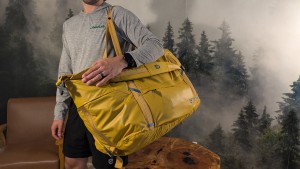
Adventure trips require a durable duffel bag with a capacity of 60 liters or more. You’ll need space for extra gear like hiking boots, jackets, and specialized equipment. Choose a bag with water-resistant materials to protect your belongings in unpredictable weather.
Consider your mode of transport—will you be hiking, biking, or driving? A bag with padded straps can ease the burden during long treks. Have you thought about a duffel that converts into a backpack? It might be a game changer for hands-free travel.
Credit: www.outdoorgearlab.com
Maximizing Space In Your Duffel
Maximizing space in your duffel bag is key to packing efficiently for a week-long trip. The right techniques can help you fit more without overstuffing or damaging your clothes. You’ll find that smart packing not only saves space but also keeps your items organized and easy to access.
Rolling Vs Folding Clothes
Rolling clothes tightly can save a surprising amount of space compared to traditional folding. It also helps reduce wrinkles, which means fewer last-minute ironing sessions. However, delicate fabrics sometimes do better when folded carefully to avoid creases.
Try rolling your casual wear and saving folding for dress shirts or structured pieces. This mix can balance space-saving with garment care. Have you tried rolling your clothes before packing? You might be surprised how much more fits inside your duffel.
Using Packing Cubes
Packing cubes act like mini suitcases inside your duffel, keeping your items separated and easy to find. They compress your clothes and prevent everything from shifting during travel. Using different cubes for categories—like tops, bottoms, and underwear—can speed up unpacking and repacking.
Invest in lightweight, durable cubes with mesh panels to quickly see what’s inside. Imagine opening your bag and immediately spotting your essentials without a mess. This small addition can make your packing process smoother and less stressful.
Organizing Small Items
Small items such as chargers, toiletries, and accessories tend to get lost at the bottom of your bag. Use zippered pouches or small containers to keep these essentials organized and easy to reach. Group similar items together—like all your electronics or personal care products.
Consider labeling each pouch or using clear bags so you don’t waste time searching. When you organize small items thoughtfully, you avoid the frustration of unpacking half your bag to find a single charger or toothbrush. What’s your current strategy for keeping small items in check?
Material And Durability Considerations
Choosing the right material and durability features is key for a week-long duffel bag. The bag must handle heavy use and different weather conditions. Strong materials keep your belongings safe and make the bag last longer.
Focus on materials that resist tearing and wear. Think about how often you will carry the bag and where you will use it. These factors help pick the best option for durability and comfort.
Waterproof Options
Waterproof bags protect your stuff from rain and spills. Look for duffels made with materials like nylon or polyester with a waterproof coating. Some bags have sealed seams to stop water from getting inside.
Waterproof bags work well for outdoor trips or rainy places. They keep clothes and electronics dry. A good waterproof bag saves trouble and keeps your items safe.
Weight And Portability
Lightweight materials make the bag easy to carry. Heavy bags add strain, especially if you walk a lot. Choose fabrics like ripstop nylon or lightweight polyester for easy handling.
Check for padded straps and handles. They improve comfort during long carries. A balance between durability and weight is best for travel ease.
Zippers And Handles
Strong zippers prevent breakage and keep the bag secure. Look for bags with metal zippers or high-quality plastic ones. Double zippers offer more flexibility for opening and closing.
Handles should feel sturdy and comfortable. Reinforced stitching adds strength. Some bags have extra grip or padding for better hold. Good zippers and handles make travel smoother and safer.
Tips For Carrying Duffel Bags
Carrying a duffel bag comfortably matters, especially for a week-long trip. Choosing the right features helps reduce strain and makes travel easier. A few key points can improve your experience with duffel bags.
Shoulder Straps And Handles
Look for padded shoulder straps. They spread weight evenly on your shoulder. Adjustable straps let you find the best fit. Dual handles give options for carrying by hand. Some bags have a crossbody strap for hands-free use. Comfortable straps prevent pain during long walks.
Wheels Vs No Wheels
Wheeled duffel bags roll smoothly on flat surfaces. They reduce the need to carry heavy loads. Non-wheeled bags are lighter and easier to store. They work well on stairs or rough paths. Consider where you will travel most. Choose wheels if you face long airport walks. Pick no wheels for easier lifting and packing.
Security Features
Good duffel bags have lockable zippers for safety. Some include hidden pockets for valuables. Look for durable zipper materials to prevent break-ins. RFID-blocking compartments protect cards from theft. Bright colors or tags help identify your bag quickly. Secure features keep your belongings safe on trips.

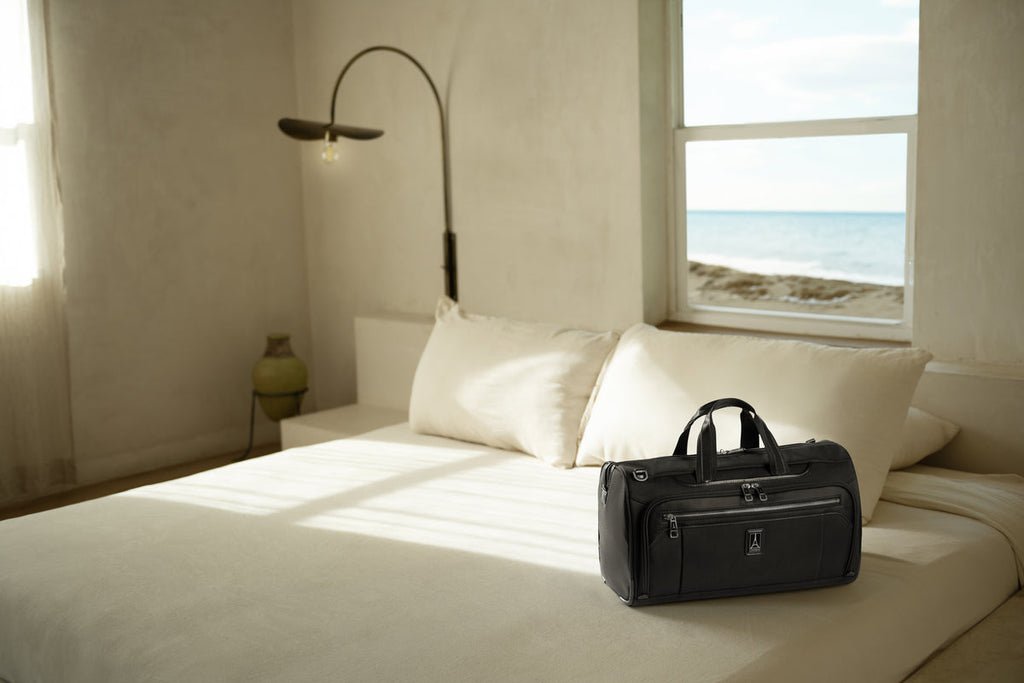
Credit: nypost.com
Frequently Asked Questions
What Size Duffel Bag Fits A One-week Trip?
A 40-50 liter duffel bag is ideal for a week. It holds enough clothes and essentials without being bulky or heavy.
How Many Clothes Fit In A 45l Duffel Bag?
A 45L duffel bag fits 5-7 outfits comfortably. You can pack shirts, pants, underwear, and a jacket easily.
Should I Choose A Carry-on Or Larger Duffel?
For a week, a carry-on sized duffel is best. It avoids checked luggage fees and fits in overhead bins.
Can I Pack Shoes And Toiletries In A Week Duffel?
Yes, a week-sized duffel has space for shoes and toiletries. Use compartments or packing cubes to stay organized.
Conclusion
Choosing the right duffel bag size makes packing easier and travel smooth. A bag too big means extra weight and space. Too small, and you risk leaving things behind. For a week, a medium-sized bag usually fits clothes and essentials well.
Think about your trip activities and what you need daily. Pack smart, keep it light, and enjoy your journey. The right bag helps you stay organized and stress-free. Simple planning leads to better travel experiences every time.