
Have you ever found yourself standing in the luggage aisle, overwhelmed by the sheer variety of suitcase sizes? You're not alone.
Choosing the right suitcase size is crucial for a stress-free travel experience. After all, no one wants to deal with an overstuffed bag or pay extra fees at the airport. Understanding the different sizes can make all the difference in packing efficiently and traveling with ease.
We'll demystify suitcase sizes, helping you select the perfect one for your needs. Stick around to discover the ideal suitcase that will make your next trip a breeze.

Credit: es.cabinzero.com
Suitcase Size Categories
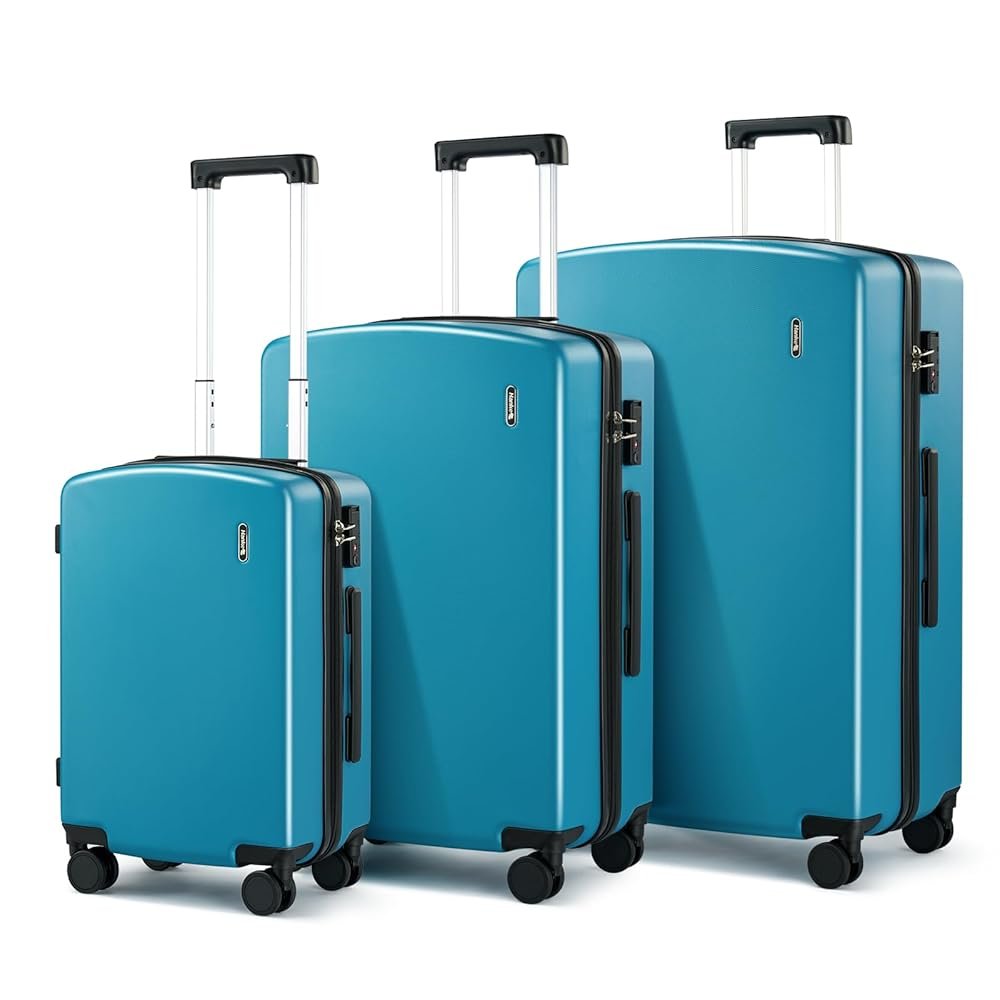
Suitcases come in different sizes to fit various travel needs. Each size category serves a specific purpose. Choosing the right size helps with packing and ease of travel. Understanding these categories makes your trip smoother.
Carry-on Suitcases
Carry-on suitcases are small and light. They fit in overhead airplane bins. Usually, they measure around 22 inches tall. Perfect for short trips or weekend getaways. No need to check them in at the airport.
Medium Suitcases
Medium suitcases are bigger than carry-ons but still easy to handle. They range from 24 to 26 inches in height. Ideal for trips lasting one week or more. They offer more space without being too heavy.
Large Suitcases
Large suitcases measure 27 to 30 inches tall. They provide ample space for long trips. Good for family vacations or packing bulky items. They may require checking in before the flight.
Extra-large Suitcases
Extra-large suitcases exceed 30 inches in height. They are best for extended travel or moving. Offer maximum packing capacity. These suitcases can be heavy and harder to carry.
Dimensions Explained
Understanding suitcase dimensions is key to picking the right travel companion. Dimensions affect not only how much you can pack but also how easily you can carry your luggage and whether it meets airline rules. Let's break down what height, width, depth, weight restrictions, and volume mean for your suitcase choice.
Height, Width, And Depth
Height, width, and depth make up the three main measurements of a suitcase. Height measures from the bottom wheels to the top handle, width is the suitcase's side-to-side span, and depth refers to how thick or deep the suitcase is.
These dimensions determine if your suitcase fits in overhead bins or car trunks. For example, carry-on bags usually stay under 22 inches in height to comply with most airline rules. Knowing these numbers helps avoid surprises at the airport.
Weight Restrictions
Airlines often set weight limits for both checked and carry-on luggage. Even the sturdiest suitcase won’t help if it exceeds these limits when packed. Typically, checked bags should weigh less than 50 pounds (23 kg), but this can vary.
Remember, the suitcase's empty weight counts against your allowance. Choose lightweight materials if you plan to pack heavy items. How often have you struggled to lift an overweight bag onto the scale?
Volume And Capacity
Volume refers to how much space is inside the suitcase, usually measured in liters. Capacity impacts how many outfits, shoes, or gadgets you can bring. Larger volumes are great for long trips but can tempt you to overpack.
Some suitcases offer expandable compartments to give you extra space when needed. It’s a smart feature if you often bring back souvenirs or shop while traveling. What’s your biggest packing challenge when trying to fit everything?
Choosing Size By Trip Type
Choosing the right suitcase size depends largely on the type of trip you're planning. Different trips demand different packing needs, and selecting the correct luggage size can save you time, money, and frustration. Think about your destination, duration, and activities to decide what size will work best for you.
Weekend Getaways
For short trips, a carry-on suitcase usually fits the bill. These suitcases are compact, often around 20-22 inches, making them easy to handle and quick to pack.
If you’ve ever tried squeezing a weekend’s worth of clothes into an oversized bag, you know the hassle it causes. A smaller suitcase encourages packing only the essentials, which means less stress at the airport and faster travel through security.
Business Trips
Business trips often last a few days and require formal clothes alongside casual wear. A medium-sized suitcase, typically 23-26 inches, offers enough space without being cumbersome.
Consider a suitcase with compartments to keep your shirts wrinkle-free and your laptop safe. Have you ever arrived at a meeting with creased clothes? The right suitcase size helps you maintain a professional look effortlessly.
Family Vacations
When traveling with family, luggage needs multiply. You may need several large suitcases, around 27-30 inches, to fit everyone’s belongings comfortably.
Think about sharing space by packing family essentials in one large suitcase and individual items in smaller bags. This approach saves room and makes unpacking easier once you reach your destination.
Extended Travel
Long trips require more clothing and gear, making large suitcases or even checked luggage essential. Sizes 28 inches and above give you the space to pack for various climates and occasions.
Do you plan to shop or bring back souvenirs? A larger suitcase ensures you have room for new items without the need to overstuff your bag on the way out.

Credit: www.amazon.ca
Airline Size Regulations
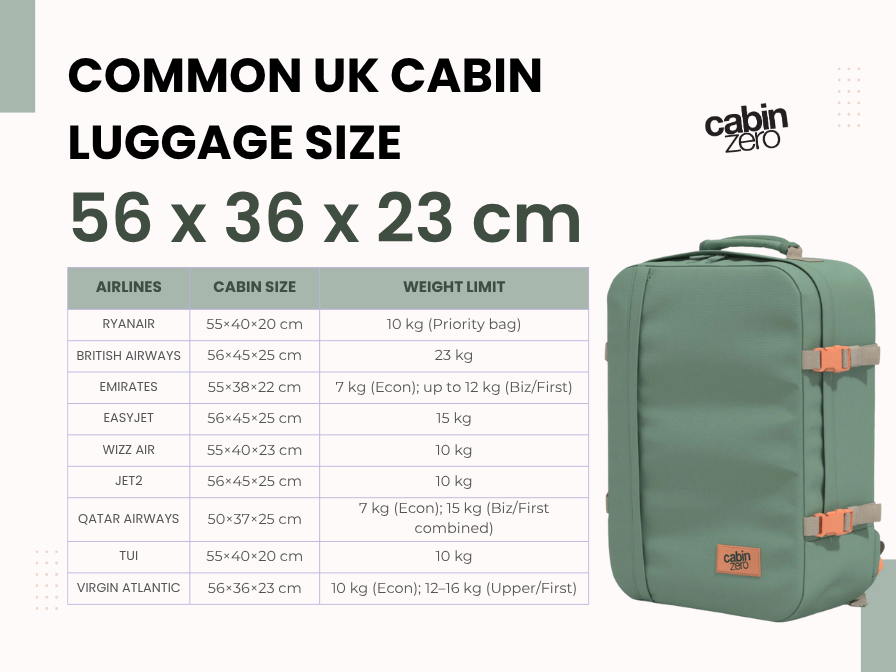
Airline size regulations set clear limits on suitcase dimensions. These rules help luggage fit in cabins or cargo holds. They vary by airline and flight type. Knowing these sizes avoids extra fees and travel stress.
Carry-on Limits
Carry-on bags must fit overhead bins or under seats. Most airlines allow bags around 22 x 14 x 9 inches. Weight limits may also apply, usually between 15 and 22 pounds. Small personal items like backpacks or purses have separate size rules. Check your airline’s policy before packing.
Checked Luggage Rules
Checked bags have larger size allowances but still face limits. Common maximum size is 62 linear inches (length + width + height). Weight limits often range from 50 to 70 pounds. Oversized or overweight bags can lead to extra charges. Some airlines charge for the first checked bag, others include it in the ticket price.
Budget Vs. Full-service Airlines
Budget airlines often have stricter size and weight limits. Carry-on bags may be smaller and checked bags cost more. Full-service airlines usually allow bigger bags and include checked luggage fees. Always read the rules carefully for your airline type. This helps avoid surprises at the airport.
Material And Durability Impact
The material of your suitcase plays a huge role in its durability and how it handles different travel scenarios. Choosing the right material affects not only the suitcase’s lifespan but also its weight and ease of use. Understanding these factors helps you pick a suitcase that fits your travel style and needs.
Hard-shell Vs. Soft-shell
Hard-shell suitcases are usually made from polycarbonate, ABS, or aluminum. They offer excellent protection for fragile items and resist scratches better. However, they can crack under extreme pressure and might be less flexible when packing.
Soft-shell suitcases, often made from nylon or polyester, flex more and can expand to fit extra items. They tend to be lighter and easier to squeeze into tight overhead bins. But they might not protect delicate belongings as well and are prone to tearing if snagged.
Weight Considerations
Material affects how heavy the suitcase is before you even pack it. Hard-shell models generally weigh more but can save weight by requiring less padding for fragile items inside. Soft-shell suitcases are lighter but may need extra packing materials to protect your stuff.
Think about your travel style—do you prefer to travel light and move fast, or do you pack for any situation? Your suitcase’s weight can impact airline fees and how easily you can carry or wheel it around.
Handling And Maneuverability
The material influences how a suitcase handles bumps, drops, and rough terrain. Hard-shell suitcases glide smoothly on flat surfaces but can be tougher to maneuver on stairs or uneven paths. Soft-shell bags can absorb shocks better and sometimes have extra pockets for quick access.
Consider your typical routes: Will you be navigating airports with smooth floors or cobblestone streets? The right material can make your travel experience less stressful and more efficient.
Packing Tips For Different Sizes
Packing changes with the size of your suitcase. Each type demands a different approach to fit your items neatly and safely. Understanding how to pack smartly saves space and prevents wrinkles. It also helps avoid overpacking and extra fees at the airport.
Maximizing Carry-on Space
Carry-ons have limited room. Use packing cubes to separate clothes by type. Roll clothes instead of folding to save space. Put heavy items at the bottom near the wheels. Use every corner, including shoes, to store small items like socks or chargers.
Organizing Medium Suitcases
Medium suitcases offer more space but require planning. Layer clothes flat to reduce wrinkles. Use ziplock bags for toiletries to avoid spills. Pack outfits together to make dressing easier. Keep essentials like chargers and documents in an easy-to-reach pocket.
Filling Large Luggage Efficiently
Large suitcases can hold many things but can get messy fast. Use packing organizers or cubes to group items. Place shoes in bags and put them along the edges. Fill gaps with small accessories or underwear. Avoid overstuffing to keep the suitcase easy to close and carry.
Specialty Suitcase Sizes
Specialty suitcase sizes go beyond the standard small, medium, and large categories. They serve specific travel needs and can offer more flexibility and convenience depending on your trip. Understanding these unique options can help you pack smarter and travel lighter.
Expandable Luggage
Expandable suitcases give you extra space when you need it. A zipper around the middle opens up to add a few inches of packing room.
This is perfect if you’re bringing back souvenirs or if your packing needs change mid-trip. Have you ever struggled with fitting everything into a single bag? Expandable luggage might be the answer.
Underseat Bags
Underseat bags are compact and designed to fit under airplane seats. They usually measure around 16-18 inches, making them ideal for personal items and essentials.
If you want to avoid overhead bin hassle or keep your valuables close, this size works great. Think about how much easier security checks and boarding become with a smaller carry-on.
Duffel And Weekender Bags
Duffel and weekender bags often don’t follow rigid suitcase dimensions but come in various sizes tailored for short trips. They typically range from 18 to 24 inches in length.
These bags are flexible, lightweight, and easy to squeeze into tight spaces. Have you ever wished your bag could just mold around your belongings instead of forcing you to pack around it?

Credit: es.cabinzero.com
Trends In Suitcase Sizes
Suitcase sizes have evolved with travel needs and style. New trends focus on convenience, technology, and sustainability. Travelers want luggage that fits in tight spaces and offers smart features. Eco-friendly materials also gain popularity as people care about the environment.
Compact Designs
Compact suitcases are easier to carry and store. They fit better in overhead compartments and small car trunks. These designs often include expandable sections for extra space. Lightweight materials keep the weight low. Travelers prefer compact sizes for short trips or carry-on luggage.
Smart Luggage Features
Smart luggage includes built-in chargers for phones and devices. Some suitcases have GPS tracking to prevent loss. Digital locks add extra security without keys. LED indicators show battery levels. These features make travel smoother and safer for users.
Eco-friendly Materials
More suitcases use recycled plastics and sustainable fabrics. These materials reduce waste and pollution. Some brands use biodegradable or organic textiles. Eco-friendly luggage often lasts longer and resists wear. Travelers choose these for green travel options and durability.
Frequently Asked Questions
What Are The Standard Suitcase Sizes?
Standard suitcase sizes include small (20-22 inches), medium (24-26 inches), and large (28-30 inches). These sizes suit most travel needs and airline requirements.
How To Choose The Right Suitcase Size?
Choose a suitcase size based on trip length and luggage allowance. Small suits short trips, medium fits week-long travel, large works for extended stays.
Are Carry-on Suitcase Sizes Universal?
Carry-on sizes vary by airline but generally measure 22 x 14 x 9 inches. Always check your airline’s specific carry-on size rules before packing.
What Size Suitcase Fits In Overhead Bins?
Suitcases up to 22 inches typically fit in overhead bins. This size meets most airlines’ carry-on regulations for cabin storage.
Conclusion
Suitcases come in many sizes to fit different travel needs. Small carry-ons work well for short trips. Medium suitcases offer more space for longer journeys. Large bags suit family vacations or extended stays. Choose a size based on how long you travel and what you pack.
Knowing suitcase sizes helps avoid extra fees and hassle. Pick the right suitcase for comfort and convenience. Travel smarter with the right luggage size. Simple and clear.