
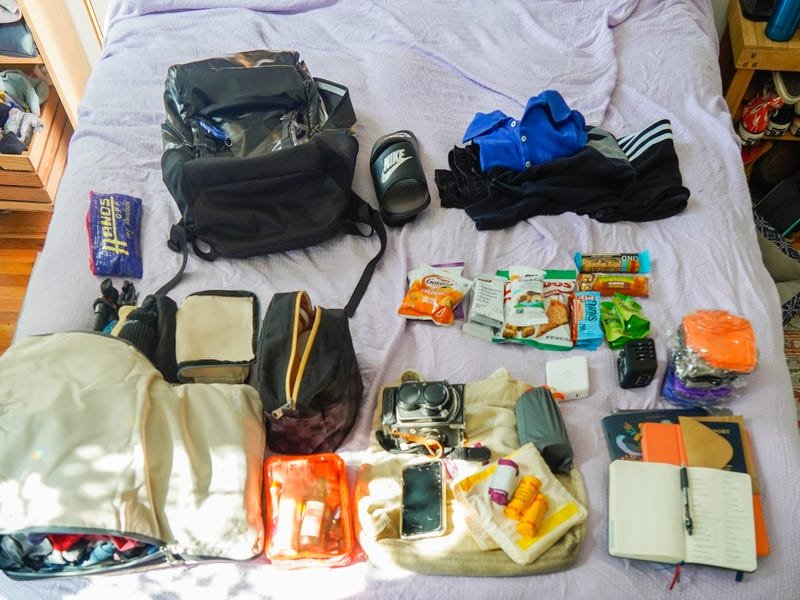
Planning a backpacking trip to Europe? Knowing exactly what to bring can make all the difference between a smooth adventure and a stressful one.
You don’t want to carry too much, but you also don’t want to forget essentials that could save your day. Imagine arriving in a new city and realizing you left behind something important—frustrating, right? This guide will help you pack smart, stay comfortable, and enjoy every moment without the weight of unnecessary items.
Keep reading to discover the must-have gear and tips that will make your European backpacking trip unforgettable.

Credit: bookatrekking.com
Backpack Basics
Choosing the right backpack is the first step to a successful Europe backpacking trip. Your backpack will carry all your essentials, so it needs to fit your travel style and comfort needs perfectly. Understanding the basics of backpack selection can save you from unnecessary hassle on the road.
Choosing The Right Size
Backpacks come in various sizes, typically measured in liters. For a Europe trip lasting a couple of weeks, a 40-50 liter backpack usually hits the sweet spot. It’s large enough to hold all essentials but small enough to stay manageable on trains and busy city streets.
Think about how often you want to do laundry or buy new clothes along the way. If you prefer packing light and washing frequently, a smaller bag works best. On the other hand, if you want to carry extra gear or souvenirs, consider a slightly larger size.
Comfort Features To Look For
Comfort is key when you’re carrying your backpack for hours. Look for padded shoulder straps and a hip belt to distribute weight evenly. Adjustable straps help you customize the fit to your body, reducing strain on your back and shoulders.
Ventilation panels on the back can prevent excessive sweating, which makes a big difference during summer travel. A sturdy frame inside the backpack maintains shape and supports heavy loads, improving your posture on long walks.
Packing Cubes And Organization
Packing cubes are a game-changer for organization. They separate your clothes, toiletries, and gadgets, making it easy to find what you need without unpacking everything. This simple tool can save you precious time and reduce stress during quick stops or hostel check-ins.
Try color-coding your cubes or labeling them for even faster access. You’ll appreciate this system when you need to grab your rain jacket or passport in a hurry. Keeping your backpack organized also helps you track what you’ve packed and avoid overpacking.
Clothing Essentials
Packing the right clothes for a Europe backpacking trip is important. Weather changes fast, and you need to be ready. Clothes must be light, easy to wash, and fit many activities. Choose pieces that work well together and keep you comfortable all day.
Layering For Changing Weather
Layers help you stay warm or cool as the weather shifts. Start with a thin base layer to keep sweat away from your skin. Add a middle layer for warmth, like a fleece or sweater. Finish with a waterproof outer layer to protect from rain and wind. Layers let you add or remove clothes easily.
Versatile And Quick-dry Options
Choose clothes that dry fast and work for many occasions. Quick-dry shirts and pants save time when washing on the road. Pick neutral colors that match each other to mix and match outfits. This saves space and keeps your bag light. A scarf or buff can add extra warmth or style.
Footwear For Walking And Hiking
Good shoes make walking long distances easier. Bring comfortable walking shoes with good support. Hiking boots are a must if you plan to explore mountains or rough trails. Sandals or flip-flops are useful for hostel showers or relaxing after walking. Always break in new shoes before your trip.
Travel Documents And Money
Traveling through Europe with just a backpack means you need to be extra careful about your travel documents and money. These items are your lifeline when navigating borders, booking accommodations, and making purchases. Forgetting or mismanaging them can turn your adventure into a stressful experience.
Passport And Visas
Your passport is your primary ID and entry ticket to every country you visit. Check its expiration date well before your trip; many countries require it to be valid for at least six months beyond your travel dates.
Visas can be tricky since each European country has different rules. Research visa requirements for each destination on your route. Some countries allow visa-free travel for short stays, while others require you to apply in advance.
Keep a digital and physical copy of your passport and any visas. This helps if you lose the originals or face unexpected checks. Have you ever tried to prove your identity with just a photo on your phone? It’s not always enough.
Travel Insurance
Travel insurance is often overlooked but can save you thousands of dollars and headaches. It covers emergencies like medical issues, trip cancellations, or lost belongings.
Choose a policy that covers health emergencies, theft, and trip interruptions. Some insurers offer coverage for adventure activities, which is useful if you plan hiking or cycling.
Keep your insurance documents both digitally and on paper. You never know when you might need quick access, especially if you’re in an area with poor internet.
Managing Cash And Cards Safely
Carrying money in multiple forms reduces risk. Bring a mix of cash and cards, but never keep all of your cash or cards in one place.
Use a money belt or hidden pouch under your clothing to protect your valuables from pickpockets. I learned this the hard way in a busy train station where a distracted moment almost cost me my wallet.
Notify your bank before traveling to avoid card blocks. Also, know the fees associated with foreign transactions and ATM withdrawals to avoid surprises.
Think about how you will access emergency funds if needed. Services like online bank transfers or prepaid travel cards can be lifesavers in tight situations.
Tech Gear
Tech gear is essential for a smooth backpacking trip across Europe. Carrying the right devices helps with navigation, communication, and capturing memories. Packing smart tech saves space and keeps you connected.
Smartphone And Charger
Your smartphone is your best travel companion. Use it for maps, translation, and booking tickets. Bring a reliable charger to keep it powered throughout the day. Consider a compact charger that fits easily in your bag.
Universal Adapter
Europe has many types of power outlets. A universal adapter lets you charge devices anywhere. Choose one with multiple USB ports to charge several gadgets at once. It’s lightweight and fits well in any backpack.
Power Bank And Accessories
A power bank keeps your phone charged on long journeys. Pick one with enough capacity for multiple charges. Carry extra cables and earphones to avoid last-minute problems. Store all accessories in a small pouch to stay organized.
Health And Hygiene
Staying healthy and clean is key to enjoying your backpacking trip across Europe. Carrying the right health and hygiene items helps prevent illness and keeps you comfortable. Being prepared lets you focus on exploring new places without worry.
Basic First Aid Kit
A small first aid kit is a must-have. Include:
- Band-aids for cuts and blisters
- Antiseptic wipes to clean wounds
- Pain relievers like ibuprofen or paracetamol
- Allergy tablets for unexpected reactions
- Small scissors and tweezers
- Sterile gauze pads and medical tape
Keep your kit lightweight and compact. It helps handle minor injuries fast.
Toiletries And Personal Care
Pack travel-sized toiletries to save space. Essentials include:
- Toothbrush and toothpaste
- Soap or body wash
- Deodorant
- Shampoo and conditioner
- Razor and shaving cream
- Hand sanitizer for quick cleaning
- Wet wipes for freshening up
Choose items that suit your skin type. This keeps you feeling fresh daily.
Medications And Supplements
Bring any personal medicines you need. Also consider:
- Motion sickness pills if you travel by bus or boat
- Vitamins to support your energy
- Anti-diarrheal tablets for digestive issues
- Cold and flu medicine
Store medicines in original packaging. Carry a doctor’s note for prescription drugs.
Credit: mofundafrica.org
Safety And Security
Keeping your belongings safe while backpacking across Europe is crucial. It allows you to relax and enjoy your adventure without constant worry. Taking a few smart safety measures can make a huge difference in protecting your gear and peace of mind.
Travel Locks And Anti-theft Gear
Travel locks are a simple but effective way to secure your backpack zippers and lockers. Choose TSA-approved locks if you’re flying, so airport security can open them without damage.
Anti-theft backpacks with lockable zippers, slash-resistant straps, and hidden compartments add another layer of protection. These features can stop thieves from accessing your belongings quickly, especially in crowded places.
Keeping Valuables Secure
Keep your passport, money, and electronics close to your body in a money belt or neck pouch. These items are the most tempting targets and the hardest to replace.
A good habit is to carry only what you need for the day, leaving extra cards or cash safely locked in your accommodation. This way, losing your bag or wallet won’t ruin your entire trip.
Emergency Contact Tools
Always have a list of emergency contacts stored both digitally and on paper. This includes local emergency numbers, your country's embassy, and contacts of friends or family.
Consider carrying a portable phone charger to avoid running out of battery when you might need to make an urgent call. A simple whistle can also help attract attention if you find yourself in a risky situation.
Extras For Comfort
Extras for comfort can make your Europe backpacking trip more enjoyable. Small items help you relax during travel and downtime. These essentials improve your rest and keep you refreshed.
Travel Pillow And Sleep Aids
A compact travel pillow supports your neck on long journeys. It reduces stiffness and helps you sleep better in planes or trains. Consider a lightweight eye mask and earplugs. They block light and noise, creating a calm environment for rest.
Reusable Water Bottle
A reusable water bottle keeps you hydrated all day. It saves money and reduces plastic waste. Choose a bottle with a secure lid to prevent leaks. Many cities have clean water fountains for easy refills.
Entertainment And Reading Material
Bring a book or e-reader to pass time during waits or travel. Download movies, music, or podcasts for offline enjoyment. These simple distractions keep boredom away and lift your mood.
Packing Tips
Packing for a backpacking trip across Europe requires careful thought. Every item you include affects your comfort and mobility. Smart packing helps you stay light, organized, and ready for anything.
Minimizing Weight
Carry only essentials to keep your backpack light. Choose multi-use clothing like a jacket that works as a raincoat and a windbreaker. Avoid heavy shoes; a sturdy pair of sneakers usually does the job.
Think about the weight of electronics and chargers. Could you get by with just your phone and one universal charger? Remember, every extra pound adds up fast when you're walking miles daily.
Smart Packing Techniques
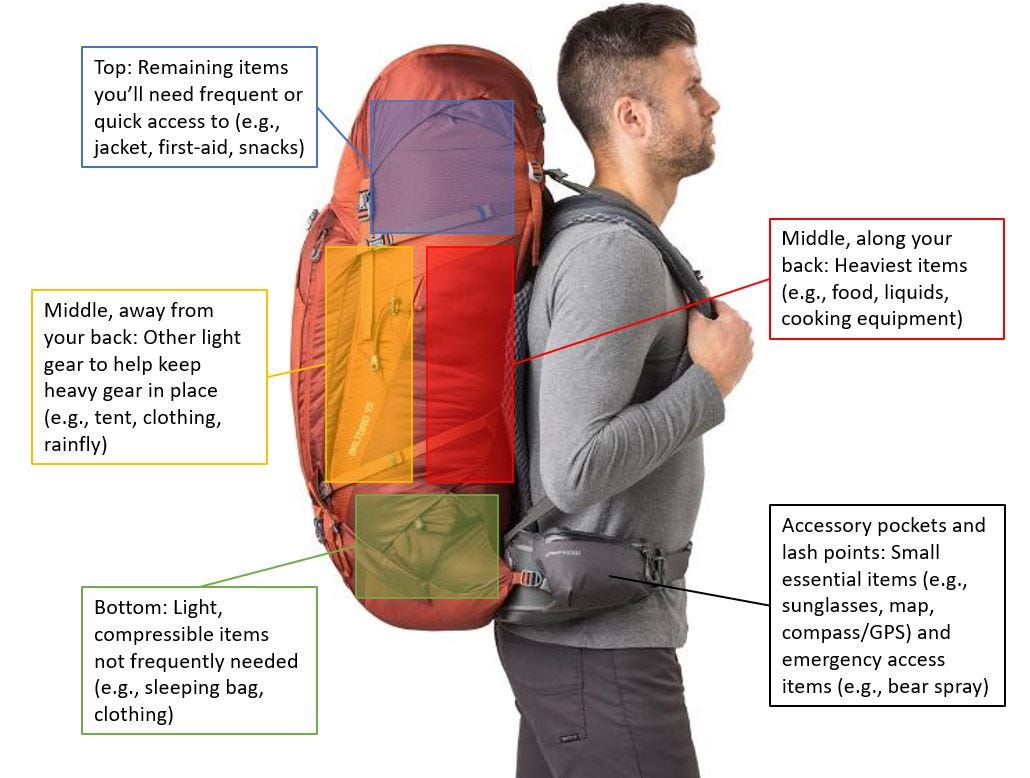
Roll your clothes instead of folding to save space and reduce wrinkles. Use packing cubes to separate your items and find things quickly. Keep frequently used items, like your passport and snacks, in an easily accessible pocket.
Layer your clothing inside your bag strategically: heavier items at the bottom and lighter ones on top. This balances the load and makes your backpack more comfortable to carry.
Laundry On The Road
Plan to wash clothes during your trip to pack fewer items. Many hostels offer laundry services or have washing machines you can use. Carry a small, travel-sized detergent packet for hand washing in sinks or showers.
Quick-drying fabrics are a game changer. You can wash clothes in the evening and wear them the next day. Have you ever packed enough for two weeks only to realize hand washing saves you so much space and hassle?

Credit: www.aol.com
Frequently Asked Questions
What Essentials Should I Pack For Europe Backpacking?
Pack lightweight clothes, comfortable shoes, travel documents, a power adapter, and a small first aid kit. Include a reusable water bottle and a secure daypack for daily use.
How To Pack Light For A Europe Backpacking Trip?
Choose versatile clothing, layer smartly, and limit shoes to two pairs. Use packing cubes to organize and compress your items efficiently.
What Electronics Are Necessary For Backpacking In Europe?
Bring a universal power adapter, a smartphone with offline maps, a portable charger, and headphones. A compact camera is optional but useful.
Should I Carry A Travel Insurance Card While Backpacking?
Yes, always carry travel insurance. It covers emergencies, medical expenses, and trip interruptions. Keep a digital and physical copy accessible.
Conclusion
Packing smart makes your Europe backpacking trip easier and fun. Choose light clothes for changing weather. Don't forget important documents and chargers. Keep your bag simple and organized. Carry only what you really need. This helps you move fast and enjoy more.
Travel safe and stay curious. Your adventure in Europe will be great with the right gear. Happy backpacking!