
Imagine this: You're excited about your upcoming trip, tickets are booked, and bags are packed. But there's one thing that’s been nagging at the back of your mind—your layover.
What happens to your checked bag during this time? Will it arrive at your final destination, or will you find yourself in a luggage nightmare? If these thoughts have crossed your mind, you're not alone. Understanding the ins and outs of checking a bag when you have a layover can save you from unnecessary stress and help ensure a smooth travel experience.
We’ll uncover essential tips and secrets that will give you peace of mind and keep your journey hassle-free. Dive in to learn how you can manage your checked baggage like a pro and focus on what really matters—enjoying your trip!

Credit: www.youtube.com
Checking Bags With Layovers
Checking bags during a trip with layovers can feel confusing. Understanding how airlines handle your luggage helps you travel smoothly. Each airline has rules about checked bags, especially during layovers. Knowing these details avoids surprises at the airport.
How Checked Bags Are Handled
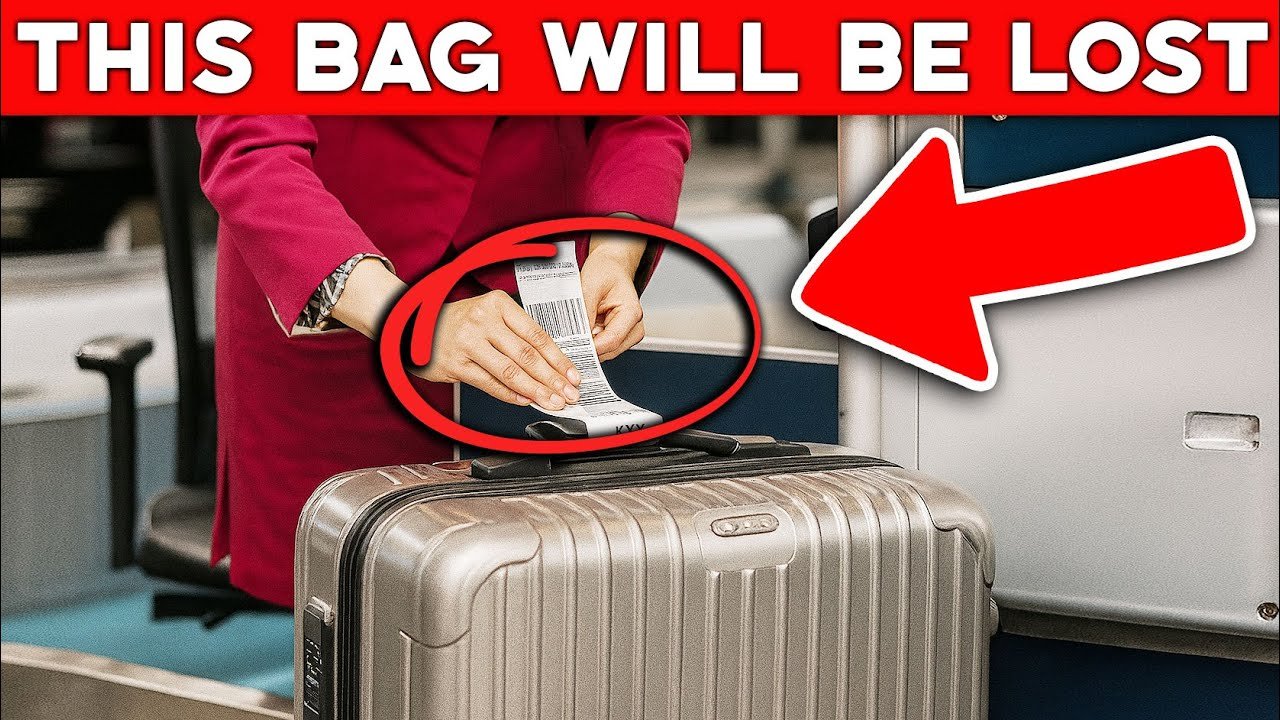
When you check a bag, the airline tags it to your final destination. Airport staff move your luggage from one plane to another. Sometimes bags go straight to the next flight. Other times, they stay at the layover airport for a while. Staff carefully track bags to avoid losses. Still, delays or mistakes can happen during transfers.
Airline Policies On Layovers
Airlines have different rules about checked bags on layovers. Some airlines allow through-checking, meaning bags go directly to your final stop. Others require you to pick up and re-check bags at layover airports. Policies depend on the airline, ticket type, and flight route. Always check these rules before traveling. It helps plan your layover time and avoid stress.
Through-check Vs. Reclaiming Bags
Through-check means your bag moves automatically to the next flight. You do not see or handle it during layovers. This saves time and effort. Reclaiming bags means you collect your luggage at the layover airport. You must pass through customs and check the bag again. This process takes longer and needs extra time. Knowing which applies helps you prepare better for your trip.

Credit: www.reddit.com
Tips For Smooth Bag Transfers
Transferring checked bags during a layover can be tricky. Smooth bag transfers reduce stress and save time. Follow these tips to keep your luggage safe and on track.
Choosing The Right Airlines
Pick airlines that have good baggage transfer policies. Airlines in the same alliance often handle bags together. Choose flights with a single ticket to avoid rechecking bags. Check if the airline offers guaranteed transfers during layovers.
Allowing Enough Layover Time
Plan for enough time between flights. Short layovers increase the risk of lost bags. Airlines recommend at least 1.5 to 2 hours for international connections. Longer layovers help if flights are delayed or bags take time to transfer.
Using Luggage Tags And Tracking
Always use sturdy luggage tags with clear contact information. Attach tags inside and outside your bag. Use airline bag tracking services when available. Some apps let you track your bag’s journey in real time. This helps reduce worry and locate bags quickly.
Navigating Customs And Security
Navigating customs and security during a layover can be tricky, especially if you have checked bags. Understanding when and where to collect your luggage and how to handle security checks can save you from stressful delays. Let’s break down the key points to keep your journey smooth and hassle-free.
When To Collect Bags For Customs
Usually, you need to collect your checked bags at the first airport where you enter a country. This is because customs authorities want to inspect your luggage before you continue. Even if your final destination is different, expect to pick up your bags and clear customs at the initial arrival point.
Here’s a quick tip: Check your airline’s baggage policy before you travel. Some airports and airlines allow you to check bags through to your final destination, but you still might need to collect them for customs. Missing this step could mean losing your bags or delaying your trip.
Security Checks During Layovers
Security checks can feel repetitive during layovers, but they are necessary to keep flights safe. After clearing customs, you often have to go through security screening again before boarding your next flight. This means your carry-on and personal items will be checked once more.
Keep your liquids and electronics easily accessible to speed up the process. In some airports, security rules may differ, so watch for signs and listen to staff instructions carefully. Have you ever been caught off guard by stricter rules during a layover? Preparing in advance helps avoid that.
Dealing With International Transfers
International transfers with checked bags can be confusing. Sometimes you must claim your bags and re-check them for the next flight, other times the airline handles it for you. It depends on whether your flights are on one ticket or separate bookings.
When flights are booked separately, expect to pick up your luggage and check it in again. This gives you a chance to stretch or grab a bite, but also means you need extra time between flights. Double-check your itinerary and ask airline staff if you’re unsure about your bag’s path.
Packing Smart For Layovers
Packing smart for layovers can make your travel smoother and less stressful. Checked bags will not be with you during a layover, so plan accordingly. Your carry-on should include everything you might need if your checked bag is delayed or lost. Organizing your items well helps you find what you need fast. This saves time and keeps you comfortable during long waits.
Essential Items In Carry-on
- Important documents like passport and boarding passes
- Medications and basic first aid supplies
- A change of clothes for comfort and emergencies
- Chargers and power banks for your devices
- Snacks and a refillable water bottle
- Entertainment like books, headphones, or tablets
Packing For Delays Or Lost Bags
Carry a small toiletry kit with basics: toothbrush, toothpaste, and face wipes. Include essential personal items to stay fresh and comfortable. Pack an extra pair of socks and underwear in your carry-on. Keep a small bag with emergency cash and credit cards. This helps cover costs if you lose your checked baggage.
Organizing For Quick Access
- Use packing cubes or small pouches to separate items
- Keep electronics and documents in easy-to-reach compartments
- Place liquids in clear, resealable bags for security checks
- Store snacks and entertainment near the top of your bag
- Label pouches for fast identification during layovers
Handling Common Layover Challenges
Handling layover challenges can turn a smooth trip into a stressful ordeal, especially when you’ve checked a bag. Understanding how to manage common issues helps you stay calm and in control. Let’s look at some typical problems and how you can tackle them effectively during your layover.
Lost Or Delayed Bags
Discovering your bag didn’t arrive with you is frustrating, but acting quickly makes a difference. Immediately report the issue at the airline’s baggage desk before leaving the airport. Provide your baggage claim ticket and a clear description of your bag.
Keep essentials like medication, a change of clothes, and chargers in your carry-on, just in case your checked bag is delayed. Ask the airline about their compensation policies and how they’ll update you on your bag’s status. Have you ever experienced a delay that changed your travel plans?
Missed Connections And Rebooking
Missing a connecting flight can feel overwhelming, especially with checked luggage involved. Approach the airline counter or customer service desk promptly to discuss rebooking options. Sometimes, airlines automatically rebook you on the next available flight, but confirming this yourself is crucial.
Keep your boarding passes and itinerary handy, and ask about priority boarding or lounge access if the wait is long. If your layover is short, consider the distance between gates and security lines to avoid missing your next flight again.
Communication With Airline Staff
Clear communication with airline staff can ease many layover headaches. Be polite but assertive when explaining your situation and what you need. Staff members are more likely to help if you stay calm and provide all necessary information.
Use airline apps or websites to check your flight and baggage status frequently, and don’t hesitate to ask questions. Have you found that a friendly approach has ever made a difference when dealing with airline issues?

Credit: www.reddit.com
Frequently Asked Questions
Can I Collect My Checked Bag During A Layover?
Usually, your checked bag is transferred automatically to your connecting flight. You only collect it at your final destination, unless you have to clear customs during the layover.
What If My Layover Is Long With A Checked Bag?
For long layovers, your bag stays checked through to your final destination. However, if you leave the airport, check if you need to re-check your bag upon return.
Do I Need To Re-check My Bag During A Layover?
In most cases, no. Your airline typically handles bag transfers during layovers. Exceptions occur if you change airlines or must clear customs.
How Can I Track My Checked Luggage On Layovers?
Use the airline’s app or website to track your checked bag. Most airlines provide real-time updates during layovers and transfers.
Conclusion
Checking a bag during a layover can feel tricky. Knowing the rules helps avoid stress and lost luggage. Always confirm if your bag goes straight to the final destination. Keep essentials in your carry-on just in case. Arrive early to give yourself enough time at each stop.
These simple steps make travel smoother and less confusing. Safe travels start with good planning and clear information.