
Imagine this: You’re all set to explore the breathtaking landscapes of Japan, but there's just one thing standing in your way—your luggage. When you're aboard the Shinkansen, Japan's iconic bullet train, finding the perfect spot to store your bags can be a bit of a puzzle.
You might be wondering, "Where do I put my luggage without it being a hassle? " Don’t worry; you're not alone. Many travelers face this challenge, and knowing the right spots can make your journey smoother and more enjoyable. You'll discover the best places to store your luggage on the Shinkansen, ensuring a stress-free travel experience.
Keep reading to unlock the secrets to a more comfortable ride!
Luggage Policies On Shinkansen
Understanding the luggage policies on Shinkansen trains is essential to ensure a smooth and stress-free journey. These rules are designed to keep the aisles clear and provide enough space for everyone’s belongings. Knowing what you can bring, where to store it, and any extra costs will help you avoid surprises.
Size And Weight Limits
Each passenger is allowed to bring luggage that fits within specific size and weight limits. The maximum size for carry-on bags is typically around 250 cm in total dimensions (length + width + height) and up to 30 kg in weight.
If your bag is larger or heavier, it may not fit in the overhead racks or under the seat. Have you checked your suitcase dimensions recently? Measuring your luggage before packing can save you from last-minute hassles.
Reserved Large Luggage Spaces
For bigger bags, Shinkansen offers reserved spaces at the end of certain cars. These areas can hold luggage that exceeds the standard size limits but still fits within the allowed maximum dimensions (usually up to 160 cm in one dimension and 250 cm total).
Booking your seat with a large luggage reservation ensures your bag has a safe spot during the trip. This service is especially useful if you’re traveling with sports equipment or multiple large suitcases. Have you ever missed out on these spots by not reserving in advance?
Additional Fees For Oversized Bags
If your luggage exceeds the reserved space limits, Shinkansen may require an additional fee. This surcharge helps manage space and maintain comfort for all passengers.
Be prepared to pay this fee when buying your ticket or during boarding. It’s a good idea to check the latest fee schedule, as costs can vary by route and season. Would you rather pay a small fee upfront or struggle with your luggage on the platform?

Credit: www.japan-experience.com
Main Storage Areas On Shinkansen
Knowing where to store your luggage on the Shinkansen can make your journey much smoother. The train offers several main storage areas designed to keep your bags safe and accessible. Understanding these spots helps you plan better, especially during busy travel times.
Overhead Racks
Overhead racks run above the seats and are perfect for smaller suitcases and backpacks. They’re easy to reach, so you can quickly grab your bag when the train stops. However, if your luggage is large or heavy, lifting it up might be tricky without help.
Think about the size of your bag before relying on this space. If you’ve ever struggled to hoist a bulky suitcase overhead, you know it’s best for lighter items.
Behind The Last Row Seats
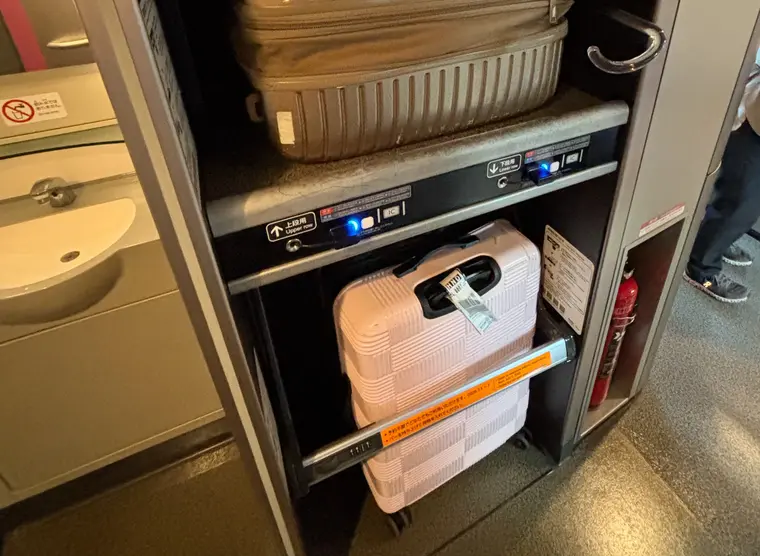
At the end of each car, there’s a dedicated space behind the last row of seats for larger luggage. This area is ideal for big suitcases that won’t fit in the overhead racks. It keeps your bags out of the way but still within sight.
Be aware that these spots fill up fast during peak travel times. Arriving early or choosing a car with available space can save you from a last-minute scramble.
Under-seat Storage
Some Shinkansen trains offer limited storage under the seats. This area works best for small bags and personal items like purses or laptops. It’s convenient because your belongings stay right next to you throughout the trip.
However, don’t expect to fit large suitcases here. If you’ve ever tried to cram a big bag under a seat, you know it’s usually not possible.
Maximizing Space For Carry-on Bags
Traveling on the Shinkansen means managing limited space for carry-on bags. Efficient packing helps keep your luggage organized and easy to store. Knowing how to maximize space ensures a smooth journey without hassle.
Packing Tips For Easy Storage
- Use compact packing cubes to save room.
- Roll clothes tightly to reduce bulk.
- Place heavier items at the bottom of your bag.
- Limit liquids to small, travel-sized containers.
- Keep essentials in a small, accessible pouch.
Using Soft Bags Vs Hard Cases
Soft bags fit better in tight spaces. They can squeeze into overhead racks or under seats. Soft bags are lighter and easier to handle.
Hard cases protect fragile items well. They keep shape but take more space. Choose hard cases only if necessary for protection.
Organizing Personal Items
- Keep tickets, passport, and money in an easy-to-reach pocket.
- Use small pouches for chargers and cables.
- Separate clean and dirty clothes in different compartments.
- Keep snacks and water handy but compact.

Credit: www.japan-experience.com
Handling Large Or Bulky Luggage
Handling large or bulky luggage on the Shinkansen requires some planning. Space is limited, and not all trains offer the same storage options. Knowing how to manage your luggage can make your trip smoother and more comfortable.
Large suitcases may not fit in the overhead racks. Some trains have designated areas for bigger bags, but these spots are limited. Finding the best way to store your luggage helps avoid stress during your journey.
Booking Reserved Spaces In Advance
Many Shinkansen trains allow passengers to reserve spaces for large luggage. These spots are near the end of each car. You must book them when buying your ticket. It ensures your bag has a safe place on the train. Without a reservation, you might have to keep your luggage in the aisle or under your seat.
Using Delivery Services
Delivery services offer a convenient way to manage bulky luggage. You can send your bags ahead to your destination. This service is called “takkyubin” in Japan. It’s reliable and fast. Using delivery reduces the hassle of carrying heavy bags on the train. You travel light and pick up your luggage after arriving.
Storing Luggage At Stations
Many Shinkansen stations have coin lockers and luggage storage counters. Coin lockers vary in size but can be small for very large bags. Luggage storage counters handle bigger items for a fee. Storing bags at the station lets you explore without your heavy suitcases. Check opening hours and availability before relying on this option.
Practical Tips For A Smooth Journey
Keeping your luggage secure and accessible on the Shinkansen can make a big difference in how relaxed you feel during your trip. Knowing where to store your bags and how to manage your space helps avoid last-minute stress. Here are some practical tips to help you enjoy a smooth journey without wrestling with your belongings.
Arriving Early To Secure Space
Getting to the platform ahead of time gives you the best chance to find ample storage space for your luggage. The overhead racks fill up quickly, especially during peak travel hours. Arriving early lets you choose a spot close to your seat so you don’t have to haul your bags through a crowded car later.
Have you noticed how some travelers rush on board and then struggle to fit their bags? Avoid that hassle by planning your arrival time carefully. It’s a small step that pays off with less stress and more comfort.
Traveling Light For Convenience
Carrying lighter luggage means you can use the overhead racks without blocking the aisle or taking up too much space. A compact suitcase or a well-packed backpack fits more easily and leaves room for everyone else. Plus, lighter bags are easier to lift and stow quickly.
Think about what you really need for your trip. Could leaving behind a bulky item make your journey easier? Traveling light isn’t just about convenience—it’s about making your whole experience smoother.
Communicating With Staff
Don’t hesitate to ask Shinkansen staff for help if you’re unsure where to put your luggage. They are familiar with the train layout and can guide you to less crowded storage areas. Sometimes, they even offer advice on which car might have more space.
Imagine arriving with heavy bags and feeling lost—wouldn’t it be great to have someone assist you right away? Staff communication can save you time and energy, making your trip more enjoyable.

Credit: www.youtube.com
Frequently Asked Questions
Where Can I Store Large Luggage On Shinkansen?
Large luggage can be stored in designated spaces at the end of each car. Some Shinkansen trains also provide overhead racks and under-seat space for smaller bags. It’s best to arrive early to secure a good spot for your luggage.
Is There A Luggage Size Limit On Shinkansen Trains?
Yes, luggage must not exceed 250 cm in total dimensions (length + width + height). Oversized bags may require advanced reservation or separate arrangements. Always check the specific train’s policy before traveling to avoid issues.
Can I Keep My Luggage With Me On Shinkansen Seats?
Small luggage can be kept on overhead racks or under your seat. Large suitcases should be stored in the designated luggage area. Keeping bulky bags on seats is discouraged as it blocks other passengers.
Are There Luggage Storage Services At Shinkansen Stations?
Yes, many Shinkansen stations offer coin lockers and luggage storage services. These services are ideal if you want to explore without carrying heavy bags. Availability varies by station, so check in advance.
Conclusion
Storing luggage on the Shinkansen is simple and convenient. Use the overhead racks for small bags. Larger suitcases fit in the space behind the last row of seats. Always keep your items close to you. This helps avoid losing or damaging them.
Plan ahead to save time and stress. Now you can enjoy your trip with ease and peace of mind. Travel smart and make your Shinkansen journey smooth.