

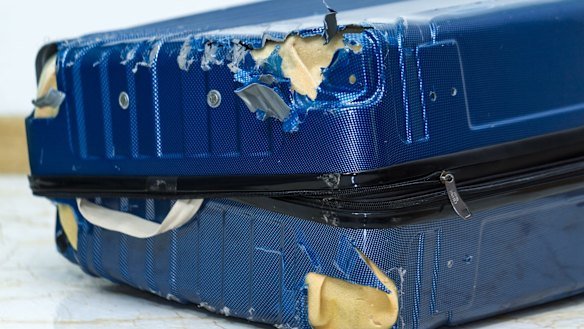
Have you ever stood at the baggage claim, eagerly waiting for your luggage, only to find it damaged when it finally arrives? It’s a frustrating situation, and you’re not alone in experiencing it.
You might wonder, "Are airlines responsible for damaged luggage? " Before you start navigating the maze of customer service, it's crucial to understand your rights and the airline's responsibilities. This knowledge empowers you, ensuring you don’t miss out on any compensation or necessary steps to take.
Stick with us as we unravel the mystery behind airline policies on damaged luggage, so you can travel with peace of mind.
Airline Liability For Baggage
Understanding airline liability for baggage can save you time and frustration if your luggage arrives damaged. Airlines have specific responsibilities, but these vary depending on where you’re traveling and the rules in place. Knowing these details helps you take the right steps to claim compensation or repair costs.
International Regulations
International flights follow the Montreal Convention, which sets limits on how much airlines must pay for damaged baggage. The maximum compensation is usually around 1,288 Special Drawing Rights (SDR), which is about $1,700 USD, but this can vary with exchange rates.
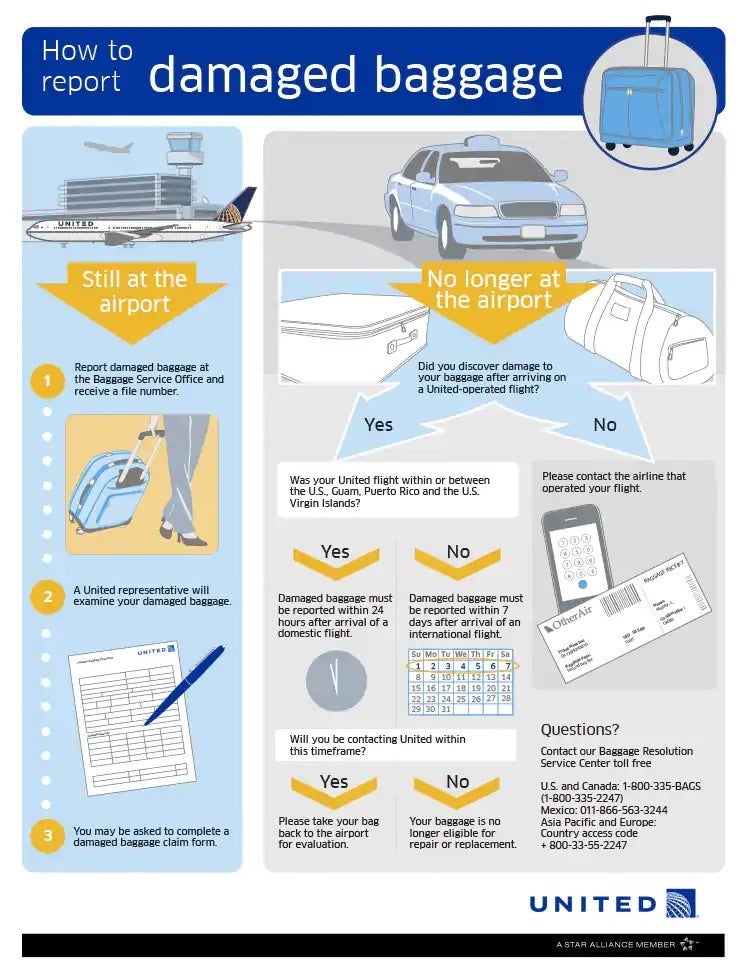
If your luggage is damaged on an international flight, you must report it immediately at the airline’s desk before leaving the airport. Airlines often require a written complaint within seven days to process your claim, so acting fast is crucial.
Domestic Rules
Domestic flights follow local aviation regulations that can differ widely by country. For example, in the US, the Department of Transportation limits airline liability to about $3,800 per passenger for lost or damaged baggage.
Your airline’s contract of carriage will outline specific procedures and limits. Some airlines offer additional coverage if you declare the value of your baggage before flying, so check your ticket details carefully.
Carrier's Limitations
Airlines are not responsible for damage caused by packing your bags improperly. Fragile items should be packed securely in hard cases or carry-on luggage.
Also, airlines may deny claims if the damage happens due to normal wear and tear or if you fail to report the issue within their specified time frame. Always keep your baggage tags and receipts as proof.
Have you ever wondered how much you could actually claim if your suitcase arrives broken? Knowing the limits and your airline’s policies helps you set realistic expectations and avoid surprises.

Common Causes Of Luggage Damage
Luggage damage is a common problem travelers face during air travel. Several factors cause bags to get damaged. Understanding these causes helps in handling claims and protecting belongings better.
Handling Issues
Bags often suffer from rough handling by airport staff. Loading and unloading baggage quickly can cause scratches, dents, or broken handles. Conveyor belts and trolleys sometimes cause tears and rips. Baggage handlers work under pressure, which increases damage risks.
Security Checks
Security screenings can also lead to luggage damage. Scanners and X-ray machines expose bags to pressure and movement. Sometimes, security staff open bags for inspection and may not close them properly afterward. This process can cause zippers to break or contents to spill.
Improper Packing
Packing mistakes contribute to damage inside and outside the luggage. Overstuffed bags may burst or strain seams. Fragile items without padding break easily. Loose items can shift during transit, causing dents or cracks. Proper packing reduces these risks significantly.
Passenger Rights And Claims
Knowing your rights as a passenger can make a huge difference when your luggage arrives damaged. Airlines have specific rules and processes to handle these situations, but understanding them helps you act quickly and effectively. You don’t have to accept a broken suitcase without a fight—your claim can lead to compensation or repair.
Filing A Damage Report
Always inspect your luggage immediately after you collect it. If you notice any damage, report it to the airline’s baggage service desk before leaving the airport. This step is crucial because most airlines require a damage report filed on-site to accept responsibility.
When filing, provide clear details about the damage. Take photos and keep your boarding pass and baggage claim ticket handy. Airlines may ask you to fill out a form, so be honest but detailed—describe the damage, how it happened, and any costs you might anticipate for repairs.
Time Limits For Claims
Did you know airlines often have strict time limits for damage claims? These can vary by carrier, but typically you have between 7 and 21 days from your flight date to submit your claim. Missing this window might mean losing your right to compensation.
Check the airline’s policy before you fly, so you’re not caught off guard. If you spot damage after leaving the airport, act fast and notify the airline in writing. Waiting too long can make your claim invalid, even if the damage wasn’t obvious initially.
Compensation Policies
Compensation isn’t always straightforward. Airlines usually offer repair, replacement, or reimbursement based on the damage and the luggage’s value. However, they might limit the amount they pay, often based on international agreements or their own terms of service.
Keep receipts for your luggage purchase and any repairs to strengthen your claim. Some airlines exclude certain types of damage, like wear and tear or pre-existing issues, so knowing the fine print helps you avoid surprises. What’s your experience with airline compensation—did you get what you expected?
Preventing Luggage Damage
Damaged luggage can turn a smooth trip into a frustrating experience. While airlines have some responsibility, much of the prevention starts with you. Taking proactive steps can save your belongings and your peace of mind.
Choosing Durable Bags
Your choice of luggage matters more than you might think. Opt for hard-shell suitcases made from materials like polycarbonate or aluminum, which resist dents and cracks better than soft fabric bags.
Look for reinforced corners and sturdy zippers; these small details make a big difference. I once switched to a bag with reinforced edges, and it came back from multiple trips without a single scratch.
Do you check the warranty before buying? Many durable brands offer coverage for damage, which can be a lifesaver.
Packing Tips
Packing smartly reduces the risk of damage inside your bag. Wrap fragile items in clothes or bubble wrap to cushion them from shocks.
Place heavier items at the bottom near the wheels to balance the weight and prevent crushing lighter contents. Avoid overpacking, as this puts stress on zippers and seams.
Consider using packing cubes to organize and protect your belongings. Have you ever had a zipper burst open mid-flight? Proper packing helps avoid that nightmare.
Using Protective Covers
Protective covers add an extra layer of defense against scratches and dirt. Stretchable luggage covers fit snugly and shield your bag from rough handling.
They also make your suitcase easy to spot on the carousel, saving you time and hassle. Some covers come with waterproof materials, helping protect against rain or spills.
Have you tried a cover that doubles as a security feature? Certain models include lockable zippers, giving you peace of mind.
When Airlines Deny Responsibility
When airlines deny responsibility for damaged luggage, it can feel like hitting a dead end. But understanding the reasons behind their denial helps you navigate the situation more effectively. Knowing your rights and the airline’s limits empowers you to take the right steps.
Exclusions And Exceptions
Airlines often exclude certain types of damage from their liability. For example, normal wear and tear or damage caused by fragile or improperly packed items usually aren’t covered.
Some airlines also exclude damage resulting from weather conditions or security inspections. Always check the airline’s baggage policy before traveling—knowing what’s excluded can save you frustration later.
Proving Negligence
To hold an airline responsible, you usually must prove negligence. This means showing the damage happened due to the airline’s mishandling, not your own actions.
Keep evidence like photos of your luggage before and after the flight, baggage claim tags, and any written communication. Have you ever struggled to prove your case without clear evidence? Gathering proof upfront can make all the difference.
Escalating Disputes
If the airline denies your claim, don’t give up immediately. You can escalate the issue by filing a formal complaint with the airline’s customer service or the aviation authority in your country.
Consider using mediation services or small claims court if the amount justifies it. Sometimes, simply being persistent and clear about your rights prompts the airline to reconsider.
Alternative Solutions For Damaged Luggage
Dealing with damaged luggage can be frustrating, especially when the airline’s responsibility feels unclear or limited. Luckily, you don’t have to rely solely on the airline to cover your losses. There are several alternative solutions that can help protect your belongings and ease the stress if your luggage arrives damaged.
Travel Insurance
Travel insurance is a smart safety net for any traveler. Many policies include coverage for damaged, lost, or delayed baggage. Before you buy, check the fine print to understand what types of damage are covered and the claim limits.
Think about your last trip—did you pack anything valuable or fragile? If so, travel insurance could save you a lot of hassle and money. It’s worth considering especially if you travel frequently or carry expensive gear.
Credit Card Protections
Some credit cards offer built-in baggage protection if you purchase your ticket with the card. This benefit can cover damage to your luggage without extra cost. However, coverage varies widely, so it’s important to review your card’s terms.
Have you ever checked your credit card benefits after a trip? You might find you’re already protected. Keep receipts and photos of your luggage condition to speed up any claim process.
Third-party Claims
If the airline denies your claim, you might still have options through third-party claims. This involves filing a claim with external agencies or consumer protection groups. Some travelers have found success by reaching out to aviation consumer advocates or using mediation services.
Are you ready to pursue a third-party claim if needed? Being persistent and informed can make a difference. Keep all documentation, including baggage tags and correspondence, as you may need it to support your case.

Frequently Asked Questions
Are Airlines Legally Liable For Damaged Luggage?
Airlines are generally responsible for damaged luggage if caused by their handling. Liability may vary by airline policy and international agreements. Passengers should report damage promptly and keep receipts for claims. Some damages, like wear and tear, may not be covered.
How Can I File A Claim For Damaged Luggage?
To file a claim, notify the airline immediately at the airport. Fill out a damage report and keep all travel documents. Submit your claim within the airline's specified time frame for faster processing. Include photos and receipts for proof.
What Compensation Can Airlines Offer For Damaged Luggage?
Compensation usually covers repair costs or luggage replacement, up to a certain limit. Airlines may also offer travel vouchers or refunds. Compensation depends on the damage type, airline policies, and international conventions like the Montreal Convention.
Does Travel Insurance Cover Damaged Luggage?
Many travel insurance plans cover damaged luggage beyond airline liability. Check your policy details for coverage limits and claim procedures. Insurance can reimburse repair or replacement costs, providing extra protection during your trip.
Conclusion
Airlines have a duty to handle luggage with care. Passengers should report damage quickly to get help. Knowing your rights can make claims easier. Not all damage is the airline’s fault. Clear communication helps solve problems fast. Traveling can be stressful, but being prepared helps.
Keep receipts and photos to support your case. Airlines usually fix or pay for damaged bags. Stay calm and follow the right steps. This way, you protect your belongings and peace of mind.