


Ever found yourself wondering if you can bring your Airtags on a flight? You’re not alone.
With travel becoming a part of your routine, keeping track of your belongings is more crucial than ever. Airtags offer a convenient way to keep tabs on your luggage, but are they allowed in your carry-on? Knowing the rules can save you from last-minute stress at the airport.
You’ll discover everything you need to know about traveling with Airtags, ensuring your trip is smooth and worry-free. Stick around to learn how to keep your items secure while following airline regulations.
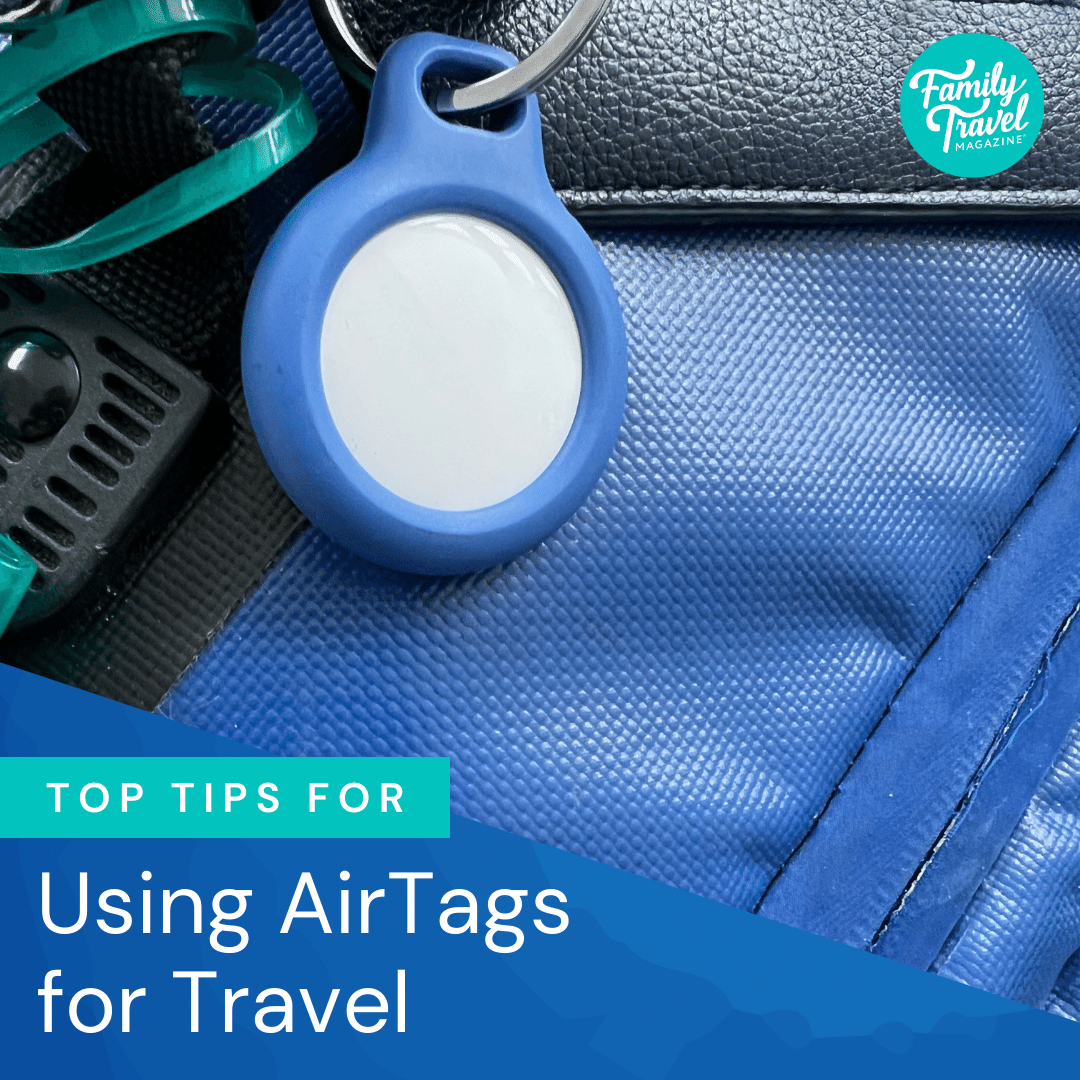
Airtags And Air Travel Rules
Apple AirTags are small tracking devices designed to help you find lost items. Many travelers wonder if these devices are allowed in carry-on luggage during flights. Airlines and security agencies set rules for electronic items and batteries in bags. Understanding these rules helps you avoid problems at the airport.
Basic Airtag Features
AirTags use Bluetooth to connect with nearby Apple devices. They help locate missing items through the Find My app. Each AirTag has a small battery that lasts about one year. The device contains a built-in speaker to make sounds for easy finding. AirTags do not use GPS, but they rely on nearby Apple devices to track location.
Airline Policies On Airtags
Most airlines allow AirTags in carry-on luggage. AirTags contain small lithium batteries. These batteries meet airline safety rules for carry-on items. Airlines prefer passengers to carry electronic devices in the cabin. This helps prevent battery fires in checked luggage. Airport security usually does not remove AirTags from bags. Still, always check your airline’s specific rules before traveling.
Carry-on Luggage Regulations
Carry-on luggage regulations keep air travel safe and smooth. These rules control what you can bring on board. They protect passengers and crew from potential dangers. Knowing these rules helps avoid delays at the airport. Airlines and security agencies set these rules. They check your bags carefully before boarding. Understanding these checks and restrictions makes travel easier.
Security Screening Procedures
Security screening involves scanning your carry-on bag. Airport officers use machines to detect dangerous items. Passengers must place bags on a conveyor belt. Electronic devices often require separate screening. Items like liquids must follow size limits. Officers may ask to inspect items by hand. Cooperation speeds up the process for everyone. Always follow instructions during security checks.
Prohibited Items Checklist
Some items cannot enter the cabin. These include sharp objects and flammable liquids. Guns and explosives are strictly banned. Large batteries or power banks may have restrictions. Liquids over 100ml are not allowed. Some sports equipment is also prohibited. Always check the airline’s list before packing. This avoids confiscation and delays at security.
Airtags In Carry-on Bags
Airtags in carry-on bags provide a simple way to track your luggage during travel. Many travelers use Airtags to keep an eye on their belongings and reduce the risk of lost bags. Airlines and security agencies have different rules about carrying these devices in the cabin.
Understanding these rules helps avoid problems at the airport. Knowing what airlines allow and any limits on Airtags ensures smooth travel.
Permissibility Across Airlines
Most airlines allow Airtags in carry-on luggage. These small devices use Bluetooth and have a built-in battery. Airlines treat them like other electronic items such as smartphones or smartwatches.
Airlines usually accept Airtags because they do not emit strong signals. Passengers can place Airtags inside bags without removing them during security checks. Still, some airlines ask passengers to carry the Airtag on their person.
It is important to check the airline’s website for specific rules before travel. Some airlines may have unique policies, especially for international flights.
Potential Restrictions
Some restrictions may apply due to the Airtag’s lithium battery. Aviation rules limit the size and type of batteries allowed on planes. Airtags have small batteries, which generally meet these safety standards.
Security officers might ask to inspect bags with Airtags. This is a routine check and not a ban on the device. In rare cases, airline staff may request the removal of the Airtag.
Passengers should avoid placing multiple Airtags or other tracking devices in one bag. Excessive electronic devices can raise security concerns.

Benefits Of Using Airtags For Travelers
Using Airtags during your travels can bring peace of mind and add convenience to your journey. These small devices offer more than just a way to find your luggage—they help you stay connected to your belongings throughout your trip. Let’s look at some clear benefits that make Airtags a smart choice for any traveler.
Tracking Luggage
Have you ever wondered where your luggage goes after check-in? Airtags let you track your bags in real-time through your smartphone. This means you can see exactly when your luggage arrives on the carousel or if it’s been misplaced during transit.
It’s especially helpful during tight layovers or when flying through busy airports. You gain control over your travel experience by knowing the location of your bags at all times. This can reduce stress and help you plan better during your trip.
Lost Item Recovery
Losing personal items while traveling can ruin your trip. Airtags increase your chances of recovering lost items by sending location updates to your phone whenever someone with an Apple device passes nearby. This crowd-sourced feature vastly improves the odds of finding your missing belongings.
Imagine losing your wallet or a favorite jacket at a crowded venue. With an Airtag, you’re not left guessing where to look—you get actionable information that guides you straight to your item. This can save time, money, and frustration during your travels.
Safety And Privacy Concerns
Using AirTags in carry-on luggage raises safety and privacy questions. Travelers want to know if these devices follow airline rules and protect their information. Understanding the battery and electronic device rules helps ensure compliance. Privacy implications must be clear to avoid risks during travel.
Battery And Electronic Device Rules
AirTags contain small lithium batteries. Airlines restrict certain batteries for safety reasons. These batteries are usually allowed in carry-on bags but not in checked luggage. AirTags must be switched off during flights if requested. Devices with batteries must follow the airline’s safety instructions.
- AirTags use a non-removable battery.
- Battery size is small, meeting airline safety limits.
- Carry-on luggage is the safest place for AirTags.
- Checked bags may have stricter rules for batteries.
Privacy Implications
AirTags use Bluetooth to track items. This can raise privacy concerns for travelers. Some worry about unwanted tracking or data sharing. Apple includes privacy features to limit misuse. Notifications alert users if an unknown AirTag is nearby.
- AirTags do not share location without consent.
- They use encrypted signals for security.
- Alerts help prevent unauthorized tracking.
- Travelers should be aware of privacy settings.

Tips For Traveling With Airtags
Traveling with Airtags can make locating your luggage easier. Proper handling ensures smooth travel and avoids issues. Keep a few simple tips in mind to use Airtags safely during your trip.
Placement In Luggage
Place Airtags inside your luggage, not outside. Keep them hidden in a pocket or pouch. This prevents damage and loss. Avoid placing Airtags near metal objects that may block signals. Choose a spot where the Airtag stays secure during transit.
Preparing For Security Checks
Inform security personnel if asked about your Airtags. These devices are small and usually cause no issues. Keep your luggage accessible for quick inspection. Remove Airtags if requested to speed up the process. Knowing airport rules helps avoid delays at checkpoints.
Frequently Asked Questions
Are Airtags Allowed In Carry-on Luggage On Flights?
Yes, Airtags are allowed in carry-on luggage. Airlines permit them as they contain small batteries meeting safety standards. Always check specific airline policies before travel for any updates or restrictions.
Can Airtags Be Placed In Checked Baggage?
Airtags can be placed in checked baggage but are safer in carry-on bags. This allows better tracking if luggage is lost or delayed during transit.
Do Airtags Interfere With Airport Security Scanners?
No, Airtags do not interfere with airport security scanners. They use Bluetooth technology and are safe to carry through security checkpoints without issues.
Are There Airline Restrictions On Airtags In Luggage?
Most airlines have no restrictions on Airtags in luggage. However, some may have specific rules about electronic devices, so verify with your airline before flying.
Conclusion
Airtags are generally allowed in carry-on luggage on flights. Airlines and security agencies accept them because they use safe batteries. Keep your Airtags switched on to track your bag easily. Avoid placing them in checked luggage to prevent loss. Always check airline rules before packing to stay safe.
Using Airtags helps keep your belongings secure during travel. Small and lightweight, they cause no trouble at security checks. Traveling with Airtags gives peace of mind to many passengers. Simple, useful, and allowed—Airtags fit well in your carry-on.