

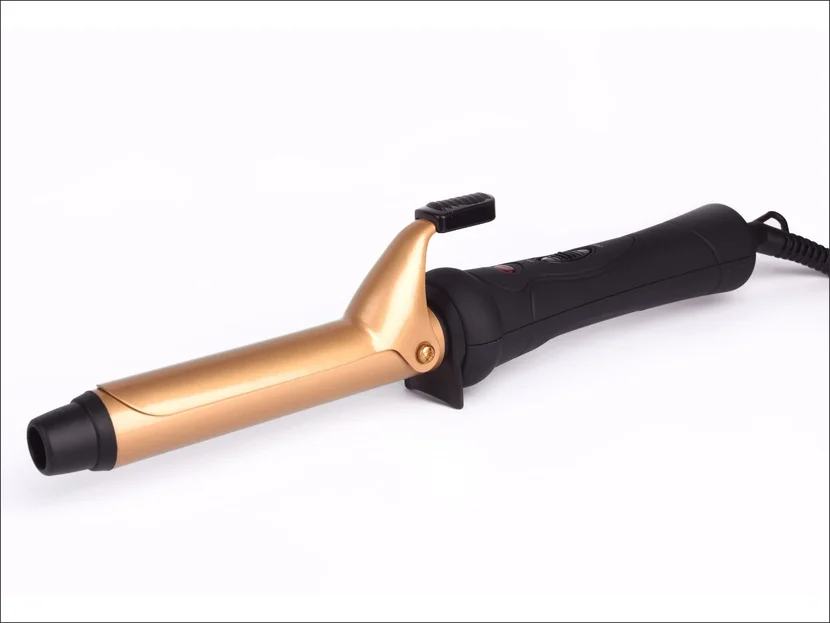
Traveling can be both exciting and stressful, especially when it comes to packing. You want to make sure you have everything you need, but you also have to follow the rules.
If you're someone who loves styling your hair on the go, you might be wondering about your curling iron. Are curling irons allowed in your carry-on? It’s a common question, and the answer might surprise you. Before you head to the airport, let’s uncover the truth about bringing your favorite styling tool on board.
Stick with us, and you'll discover the ins and outs of packing your curling iron safely and legally. This could make your next trip a little easier and a lot more stylish!
Carry-on Rules For Curling Irons
Knowing the carry-on rules for curling irons can save you a lot of stress at the airport. Whether you’re a frequent traveler or packing for a special trip, understanding these rules helps you avoid surprises at security checkpoints. Let’s break down what you need to know to keep your curling iron with you on the plane.
Tsa Guidelines On Curling Irons
The Transportation Security Administration (TSA) generally allows curling irons in carry-on bags. However, there are a few things to keep in mind to ensure smooth passage through security.
- Your curling iron must be completely cool before packing it in your carry-on.
- It should be easy for TSA officers to inspect, so avoid wrapping it tightly in layers of clothing.
- If your curling iron has a removable battery, remove it and place it in your carry-on separately.
Remember, TSA officers have the final say, so if your curling iron looks suspicious or bulky, be prepared for additional screening. Have you ever had to unpack your bag at TSA? Keeping your curling iron accessible can speed up the process.
International Airline Policies
Airline policies about curling irons can vary widely, especially outside the U.S. Some countries may have stricter rules or additional restrictions.
- Check the airline’s website or contact customer service before you travel to confirm their policy on curling irons.
- Some airlines might limit carry-on size or weight, so a bulky curling iron could be problematic.
- Voltage and plug compatibility might require you to pack a converter or adapter, which should also comply with carry-on rules.
Traveling internationally? It’s smart to research local security regulations. Have you ever been caught off-guard by differing international rules? Preparing ahead lets you keep your styling tools ready wherever you go.

Types Of Curling Irons Permitted
Knowing the types of curling irons allowed in carry-on bags helps avoid travel delays. Airlines and security have rules about the device's power source and size. Travelers must choose curling irons that meet these guidelines to pass through airport security smoothly.
Curling irons come in various styles. Some plug into an outlet, and others run on batteries. Each type faces different rules for air travel. Understanding these can help pack smartly and stay compliant with regulations.
Corded Vs. Cordless Devices
Corded curling irons need to be plugged into an electric outlet. These devices are usually allowed in carry-on luggage. The cord should be neatly coiled to avoid damage or tangling.
Security checks often focus on the heating element and size. Corded irons must not exceed airline size limits. They are considered safe since they don’t have an internal power source.
Cordless curling irons use rechargeable batteries. These can raise concerns during security screening. Airlines have rules about lithium-ion batteries inside devices.
Battery-powered Curling Irons
Battery-powered curling irons use lithium-ion or other rechargeable batteries. These batteries must follow airline restrictions on watt-hours (Wh). Most airlines allow batteries up to 100 Wh without special approval.
Devices with removable batteries require extra care. Remove batteries and store them separately if possible. Non-removable batteries should be fully charged or powered off during flight.
Check your curling iron’s battery size. Confirm it meets airline and TSA rules before packing. This step prevents device confiscation or travel delays.
Packing Tips For Curling Irons
Packing your curling iron for travel requires more than just tossing it in your bag. Proper preparation protects your device and keeps your belongings safe. Here are some practical tips to help you pack your curling iron smartly and travel worry-free.
Safe Storage Methods
Always let your curling iron cool completely before packing it. Wrapping it in a heat-resistant pouch or a soft cloth prevents scratches and helps avoid accidental burns. Consider using a dedicated compartment in your luggage to keep it separate from other items.
Do you have a small travel case for your styling tools? If not, investing in one can save you from tangled cords and broken plates. Compact cases with padded interiors offer extra protection and keep everything organized.
Avoiding Damage And Spills
Avoid packing your curling iron near liquids like shampoos or lotions to prevent spills that can damage the device. Secure any bottles in sealed plastic bags to minimize risks. Also, double-check that the iron’s cord is neatly coiled to avoid bending or fraying.
Have you ever had your curling iron’s plates chipped or scratched during a trip? Using a heat-resistant mat or a silicone sleeve can cushion the plates and prevent damage. Small efforts like these extend the life of your tool and keep it functioning well wherever you go.
Security Screening Expectations
Understanding security screening at airports helps avoid delays. Knowing what to expect makes the process smoother. Curling irons are common carry-on items that get attention during screening.
What Happens At The Checkpoint
At the checkpoint, place your carry-on items in bins. These items go through an X-ray machine for inspection. Security officers watch the screen closely for unusual objects. Curling irons appear as metal items on the X-ray. Officers may ask you to take them out for a closer look.
Electronics and metal objects often require extra screening. The process is quick but thorough to ensure safety. Follow the officer’s instructions calmly and clearly.
Handling Additional Inspections
Sometimes, curling irons need a manual inspection. Security may check if the item works or contains batteries. You might be asked to turn it on or show the power cord. The goal is to confirm it poses no risk.
Keep your curling iron easily accessible in your bag. This speeds up the inspection and reduces stress. Always be polite and cooperative with security staff. This helps the process finish faster.
Alternatives To Carrying Curling Irons
If you’re worried about carrying your curling iron in your carry-on, you’re not alone. Many travelers look for ways to keep their hair routine on point without the hassle or risk of packing bulky or restricted tools. Luckily, there are smart alternatives that help you style your hair effortlessly without lugging around your usual curling iron.
Using Travel-friendly Styling Tools
Switching to travel-friendly styling tools can save you space and stress. Compact, battery-operated curling wands or cordless straighteners are great options. They fit easily into your bag and often meet airline regulations for carry-on items.
Another idea is to use heatless styling methods. Think foam rollers, twist braids, or even flexi rods. These tools let you create curls without any heat, making them safe and perfect for travel.
Have you tried a mini hair dryer with a diffuser attachment? It’s smaller than your regular dryer and can help set curls or waves quickly. Plus, it’s easier to pack and usually allowed onboard.
Renting Or Buying At Your Destination
Consider renting or buying a curling iron once you arrive. Many hotels and salons offer styling tools for guests. This option eliminates the need to carry your own and reduces the risk of damage or loss.
If you’re staying somewhere longer, local stores often sell affordable curling irons. This can be a great way to try out different brands or styles without investing in a bulky device for travel. It also frees up your luggage space for other essentials.
Would you be open to experimenting with new styling tools at your destination? Sometimes, trying something different can lead to better results and less packing hassle.

Frequently Asked Questions
Are Curling Irons Allowed In Carry-on Luggage?
Yes, curling irons are allowed in carry-on bags by TSA. They are considered personal care items. Ensure the iron is clean and free of flammable substances. Always check airline policies before flying.
Can I Bring A Heated Curling Iron On A Plane?
Heated curling irons are allowed in carry-on luggage if turned off. They must be cool during security checks. Avoid carrying them while plugged in. TSA may inspect them separately.
Are Cordless Curling Irons Permitted In Carry-on Bags?
Cordless curling irons are allowed in carry-on baggage. Batteries must comply with airline regulations. Remove batteries if requested during security screening. Confirm battery limits with your airline before traveling.
Do Tsa Rules Restrict Curling Iron Size Or Type?
TSA does not restrict curling iron size or type. Both ceramic and metal irons are allowed. However, sharp edges may be questioned. Pack irons safely to avoid damage or injury.
Conclusion
Curling irons can be carried in your carry-on bag with some rules. Make sure the iron is cool and clean before packing. Check the airline’s guidelines to avoid surprises at security. Carrying a curling iron is easy if you follow these tips.
This helps you stay stylish on your trip without trouble. Keep your travel smooth and worry-free by preparing ahead. Safe travels and happy styling!