

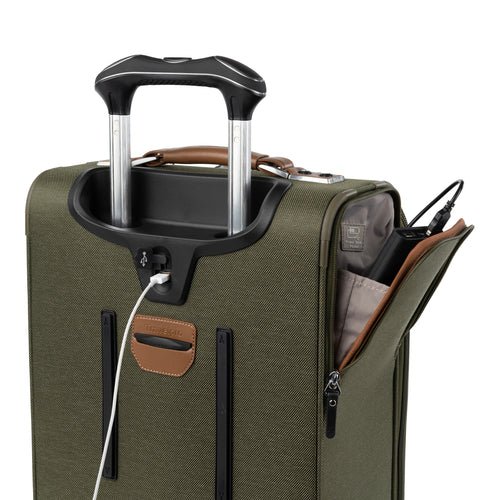
Packing for a flight can be a bit stressful, especially when it comes to figuring out what you can and cannot bring in your carry-on. One item that often leaves travelers puzzled is the portable charger.
Are you allowed to bring it on board? Will security confiscate it at the checkpoint? These are common concerns, and they can add to your pre-flight jitters. But don't worry, you're not alone in this. Many travelers share your concerns about the rules and regulations around portable chargers in carry-on luggage.
This guide is here to clear up the confusion, giving you peace of mind for your upcoming journey. Dive in to discover everything you need to know about traveling with your trusty power bank, so you can keep your devices charged and your stress levels low.
Carry-on Rules For Portable Chargers
Portable chargers are popular for keeping devices powered during travel. Airlines have rules for carrying them in carry-on bags. Knowing these rules helps avoid delays and ensures safe flights. Here’s what to know about carrying portable chargers on planes.
Battery Capacity Limits
Airlines limit the battery size of portable chargers in carry-ons. Most allow batteries up to 100 watt-hours (Wh) without approval. Chargers between 100 Wh and 160 Wh need airline approval. Devices over 160 Wh are usually banned from carry-on bags. Check your charger's capacity before packing it.
Quantity Restrictions
Airlines often restrict the number of portable chargers per passenger. Usually, carrying two or three chargers is allowed. Carrying many chargers might raise safety concerns. Always follow the airline’s specific rules to avoid issues at security.
Packaging Requirements
Proper packaging is important for safety. Portable chargers should be protected from damage and short circuits. Keep chargers in their original packaging or use a plastic bag. Avoid loose batteries in carry-ons. Secure terminals with tape if needed to prevent sparks.

Checked Luggage Policies
Understanding checked luggage policies is crucial before packing your portable charger. Airlines and security agencies often have strict rules about what you can and cannot place in your checked bags. Ignoring these policies can lead to delays, confiscations, or even safety hazards during your flight.
Prohibited Items
Most airlines prohibit lithium-ion batteries, which are common in portable chargers, from checked luggage. This is because these batteries can overheat and cause fires in the cargo hold. You’ll often see warnings against placing power banks or spare batteries in checked bags.
Here’s what you should keep in mind:
- Portable chargers with lithium-ion batteries are usually banned in checked luggage.
- Some airlines may allow batteries below a certain watt-hour (Wh) rating, but this varies.
- Always check the airline’s specific rules before packing.
Exceptions And Special Cases
There are rare cases where exceptions apply. For instance, if your portable charger is installed inside a device, such as a laptop or camera, it may be allowed in checked luggage.
However, you should confirm with your airline. Certain airlines allow spare batteries in checked luggage only if they are properly protected against short circuits—like taping the terminals or placing them in separate plastic bags.
Have you ever been surprised by a rule you didn’t expect at airport security? Knowing these exceptions can save you time and stress. Always pack your portable chargers in your carry-on to avoid complications unless you have explicit confirmation from your airline.
Types Of Portable Chargers
Portable chargers come in various types, each serving different needs. They help keep your devices powered during travel. Understanding these types can help you pick the right charger for your journey.
Power Banks
Power banks are compact devices that store electrical energy. They charge phones, tablets, and other gadgets on the go. Most power banks have USB ports for easy connection. Their capacity varies, affecting how many times they can charge a device.
External Batteries
External batteries are similar to power banks but often larger. They provide more power for longer trips or multiple devices. Some models include extra features like built-in cables or flashlights. These batteries are convenient for extended travel without easy access to outlets.
Solar Chargers
Solar chargers use sunlight to generate power. They are eco-friendly and useful in outdoor settings. These chargers often fold into portable panels for easy carrying. Solar chargers are slower but great for emergencies or off-grid travel.
Airline Variations
Understanding the variations in airline policies about portable chargers can save you from last-minute hassles at the airport. Different airlines have distinct rules based on safety concerns, battery capacity, and international regulations. Knowing these differences helps you pack smarter and travel with peace of mind.
Domestic Airlines
Most domestic airlines in the U.S. allow portable chargers in carry-on bags but restrict them in checked luggage. The Federal Aviation Administration (FAA) sets guidelines limiting battery capacity to 100 watt-hours (Wh) for most devices. If your charger exceeds this, you often need airline approval before bringing it on board.
For example, when I flew with Delta, I noticed their website clearly stated the watt-hour limits and encouraged passengers to carry chargers in their hand luggage. This rule helps avoid fire risks from damaged batteries stored in the cargo hold. Always check the airline’s specific policy before your flight—it’s easy to overlook these details.
International Carriers
International airlines tend to follow the International Air Transport Association (IATA) guidelines, but enforcement can vary by country. Some carriers impose stricter rules, especially for flights involving Asian or Middle Eastern airports, where security protocols differ.
For instance, on a flight with Emirates, I had to declare my portable charger at check-in due to its high capacity. They required it to be carried in the cabin and sometimes limited the number of spare batteries you can carry. This shows how international travel demands extra attention to airline policies and local regulations.
Low-cost Airlines
Low-cost airlines often have tighter restrictions to reduce risks and simplify security checks. Some budget carriers may ban large portable chargers altogether or require them to be smaller and less powerful than those allowed on full-service airlines.
When I booked a ticket with Ryanair, I found their rules clearly stated a maximum capacity of 100Wh for power banks, with no exceptions. They also emphasized carrying the charger only in your carry-on bag. This stricter approach means you should double-check low-cost airline policies to avoid surprises at the gate.
Safety Tips For Traveling With Chargers
Traveling with portable chargers can be a real lifesaver, but it’s important to keep safety front and center. Chargers contain batteries that need careful handling to avoid any mishaps during your journey. Paying attention to how you store and manage your charger can protect both you and your devices.
Proper Storage
Store your portable charger in a separate pouch or compartment to prevent it from coming into contact with metal objects like keys or coins. This reduces the risk of short circuits. Also, keep it easily accessible for security checks at the airport to avoid last-minute scrambling.
Have you ever tried digging through your bag at the security checkpoint? Keeping chargers separate not only speeds up the process but also lowers the chance of accidental damage.
Handling Damaged Batteries
If your charger shows signs of swelling, cracks, or unusual heat, don’t use it. Damaged batteries can leak harmful chemicals or even catch fire. It’s better to replace a questionable charger than risk your safety or your flight being delayed.
Think about the last time you ignored a small defect. Could that minor damage have turned into a bigger problem? Your safety is worth the extra caution.
Avoiding Overheating
Overheating is a common issue when using portable chargers, especially during long flights or in hot climates. Avoid charging your devices non-stop and give your charger breaks to cool down. Never leave it under direct sunlight or inside a hot car.
Have you noticed your charger getting hot during use? That’s a warning sign to pause and let it cool. Keeping your charger at a safe temperature extends its life and keeps your journey hassle-free.
Charging Devices During Flights
Charging devices during flights is essential for many travelers. Phones, tablets, and laptops run out of battery fast. Staying connected or entertained requires power. Airlines have adapted by offering various charging options onboard. Knowing these options helps plan your flight better.
In-flight Power Options
Many airplanes provide power outlets at seats. These outlets usually support USB or standard plugs. Some seats have built-in USB ports for charging devices. Power availability varies by airline and aircraft type.
Passengers can use:
- USB ports for phones and tablets
- 110V or 220V outlets for laptops
- Battery packs charged before the flight
Checking with your airline before traveling helps. It avoids surprises and ensures your devices stay charged.
Using Portable Chargers Onboard
Portable chargers are allowed in carry-on bags. They cannot be placed in checked luggage due to safety rules. Airlines limit the battery capacity for these chargers. Most allow power banks up to 100Wh without approval.
Using a portable charger during the flight is simple. Connect your device to the power bank with a USB cable. Use it anywhere in the cabin without needing a power outlet.
Keep these tips in mind:
- Charge your power bank before the flight
- Follow airline rules about battery size
- Do not use power banks during takeoff and landing
Portable chargers provide extra freedom to keep devices powered. They are handy when outlets are unavailable or busy.
Customs And Security Screening
Understanding how customs and security screening handle portable chargers can save you time and stress at the airport. These devices often raise questions because of their batteries, which security teams monitor closely. Knowing the rules helps you pack smart and pass through checkpoints smoothly.
Tsa Guidelines
The TSA allows portable chargers in your carry-on bags but not in checked luggage. This is because lithium-ion batteries can pose a fire risk if they short circuit or overheat. Your charger must meet specific size limits, usually under 100 watt-hours (Wh), without needing airline approval.
If your power bank is between 100 Wh and 160 Wh, you’ll need airline permission before traveling. Anything above 160 Wh is typically banned from both carry-on and checked bags. Keep your charger accessible since TSA officers may ask to inspect it separately.
Security Check Process
At the security checkpoint, you’ll need to place your portable charger in a bin for X-ray screening. Officers look for any damage or signs of tampering. If they spot anything unusual, they might ask you to power it on to prove it works safely.
Have you ever been asked to remove your charger during screening? It happens because TSA wants clear images to spot hidden threats. To avoid delays, pack your charger in an easy-to-reach spot and keep cables untangled.
Remember, following these screening steps not only protects you but also fellow travelers. What’s your experience with bringing portable chargers through airport security? Sharing your story might help others prepare better.

Alternatives To Portable Chargers
Portable chargers are common for keeping devices powered. Yet, airports and airlines limit their use in carry-on bags. There are smart alternatives to stay charged on the go. These options can save you time and hassle during travel.
Charging Stations
Charging stations are found in many airports and public places. They offer quick access to power for phones and tablets. Many stations provide multiple ports and fast charging. No need to carry extra devices or batteries.
Some airports have lounges with charging areas. These spots are safe and convenient. Travelers can charge devices while waiting for flights. A good choice to recharge without carrying a portable charger.
Battery Replacement
Swapping batteries is another alternative. Some devices allow easy battery removal and replacement. Carrying extra charged batteries can keep devices running longer. Airlines may have restrictions, so check rules before flying.
This method works well for cameras and certain phones. It reduces the risk of battery damage during travel. No need to worry about power limits on portable chargers. A practical solution for extended device use.
Frequently Asked Questions
Are Portable Chargers Allowed In Carry-on Bags?
Yes, portable chargers are allowed in carry-on bags. Airlines and TSA permit power banks in hand luggage for safety reasons. However, chargers must meet airline watt-hour limits and be carried, not checked.
Can I Carry Any Size Portable Charger On A Plane?
No, airlines restrict portable chargers above 100Wh. Chargers between 100Wh and 160Wh need airline approval. Chargers over 160Wh are generally prohibited in both carry-on and checked bags.
Why Are Portable Chargers Banned In Checked Luggage?
Portable chargers contain lithium batteries that pose fire risks. Checked luggage lacks immediate access in emergencies. Hence, safety rules require carrying portable chargers only in the cabin.
How To Check If My Portable Charger Meets Airline Rules?
Look for the charger’s watt-hour (Wh) rating on its label. Compare it with airline and TSA limits. If unclear, consult your airline before flying to avoid confiscation.
Conclusion
Portable chargers can usually be taken in carry-on bags. Airlines want them in carry-ons for safety reasons. Always check the battery size before packing. Some large batteries need special approval. Keep the charger easily accessible during security checks. Follow airline rules to avoid delays or problems.
Carrying your charger this way keeps devices powered on the go. Travel smart and stay prepared with your portable charger.