

Are you getting ready for a trip and wondering if you can pack your shaving razor in your carry-on? You're not alone.
Navigating TSA guidelines can be tricky, and the last thing you want is to have your personal items confiscated at the security checkpoint. This guide is here to help you breeze through airport security without a hitch. Discover the ins and outs of what’s allowed, what’s not, and make your travel experience smoother and stress-free.
Read on to uncover the must-know tips and ensure your razor makes it to your destination with you.
Carry-on Razor Rules
Carry-on razor rules keep air travel safe and simple. Knowing which razors you can bring avoids delays and confiscations at security. Different types of razors have different rules. Some are allowed, others are not. Understanding these rules helps travelers pack smart and stress less.
Types Of Allowed Razors
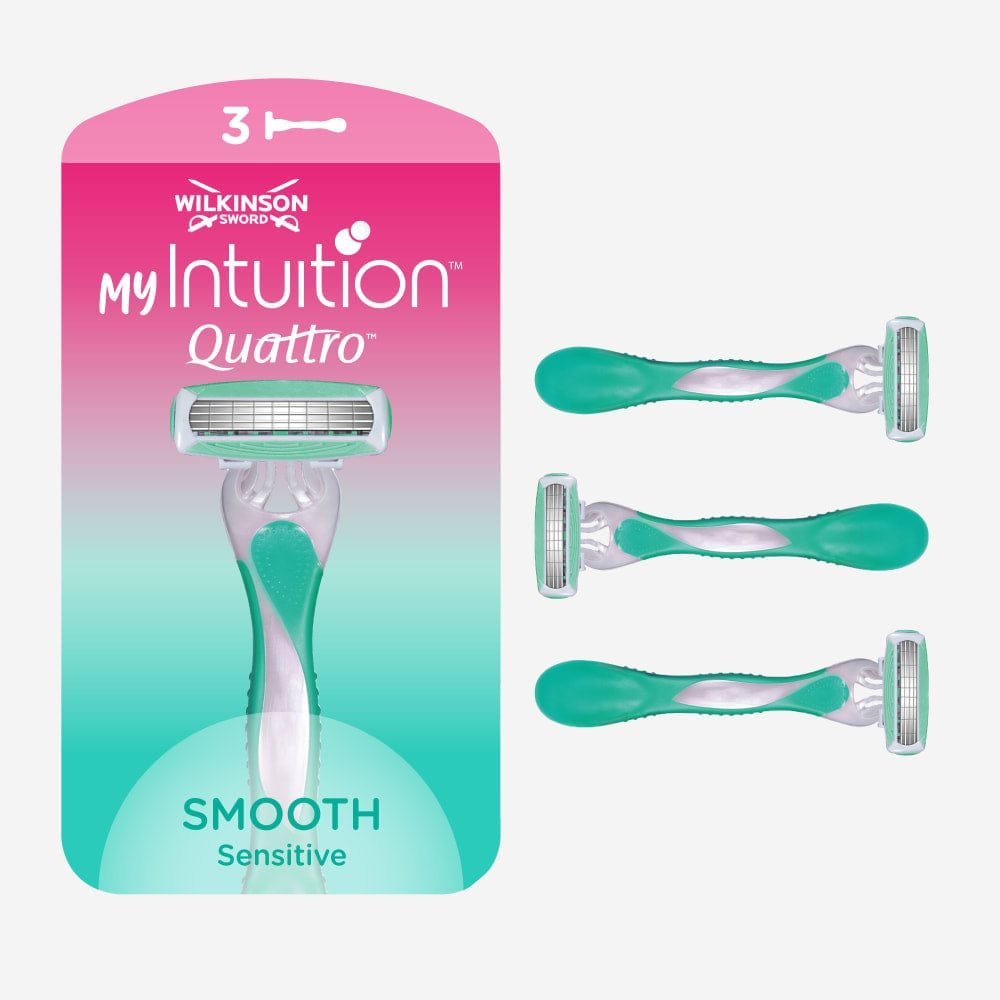
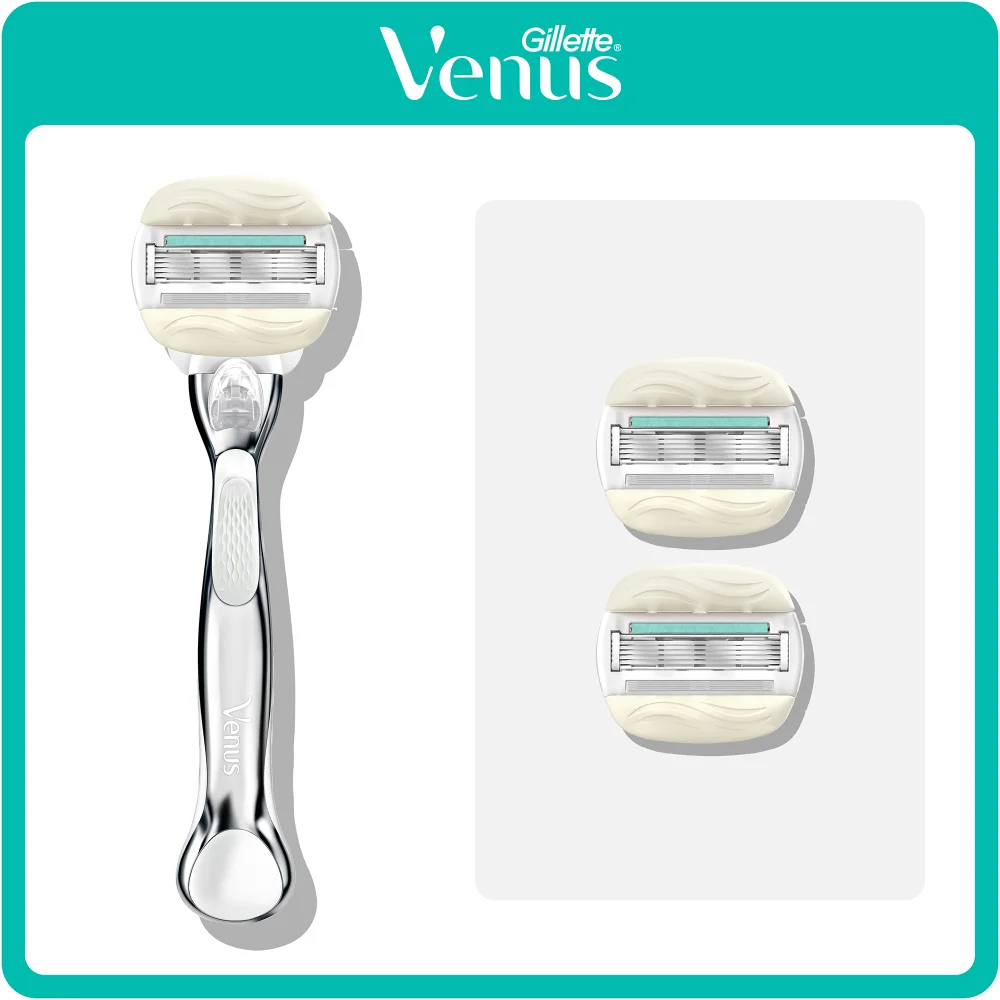
Disposable razors with plastic covers usually pass security checks. Electric razors are generally allowed in carry-on bags. Razors with safety guards, like cartridge razors, are also accepted. These razors do not have exposed blades, making them safe to carry.
- Disposable razors with plastic shields
- Electric razors and trimmers
- Cartridge razors with safety guards
Prohibited Razors Explained
Razors with removable blades are often banned in carry-ons. Straight razors and open blades pose safety risks. These items must go in checked luggage. Airline security may confiscate them if brought in carry-on bags.
- Straight razors with exposed blades
- Razors with removable blades
- Blades without safety covers
Safety Regulations
Safety regulations for carrying shaving razors on planes are strict. These rules protect passengers and crew from sharp objects in the cabin. Airlines and security agencies work together to enforce these laws. Understanding the key safety points helps avoid trouble at airport security checks.
Blade Length Restrictions
Most airports limit the length of razor blades in carry-on bags. Typically, blades longer than 4 inches are not allowed. This rule applies to straight razors and some safety razors. Disposable razors with short blades usually meet the requirements. It is best to check specific airline rules before packing.
Packaging Requirements
Shaving razors must be stored safely to prevent injuries. Blades should be covered or secured in their original packaging. Loose blades are often banned in carry-on luggage. Using a protective case or blade guard is recommended. Proper packaging helps security staff easily identify and approve the razor.
Airport Security Checks
Airport security checks can feel like a hurdle, especially when you’re unsure about what items you can bring in your carry-on. Shaving razors often raise questions because of varying rules and restrictions. Understanding what to expect at the checkpoint helps you avoid delays and hassle.
Common Tsa Procedures
At security checkpoints, TSA agents use X-ray machines to screen your carry-on bags. Items like disposable razors and electric shavers are usually allowed without any issues. However, razor blades, especially those not enclosed in a cartridge, are typically prohibited due to safety concerns.
Security staff might ask you to remove your shaving kit for separate inspection. If you carry a straight razor or loose blades, these will likely be confiscated. Knowing this can save you time and prevent last-minute surprises.
Tips To Pass Security Smoothly
- Use disposable razors or cartridge razors:These are generally accepted in carry-ons because the blades are protected.
- Pack blades in checked luggage:If you prefer safety razors with loose blades, place them in your checked bag to avoid confiscation.
- Organize your toiletries:Keep your shaving items in a clear, easily accessible bag to speed up the screening process.
- Be honest with TSA agents:If asked about your razors, explain clearly what type you have to avoid confusion.
Have you ever experienced your razor being taken away at security? Sharing your story might help others prepare better and save time. Remember, a little preparation can make your travel experience much smoother.

International Travel Guidelines
Traveling internationally often means navigating a maze of security rules that can vary widely by destination. Knowing the rules about carrying shaving razors in your carry-on luggage can save you time and stress at airport security. Different countries and airlines have unique policies, so it's important to check before you pack.
Rules By Region
Each region sets its own regulations about shaving razors in carry-ons. In the United States, disposable razors and cartridge razors are usually allowed, but straight razors and razor blades are not. The European Union has similar restrictions, but some countries may be stricter or more lenient.
In Asia, rules can differ greatly. For example, Japan permits cartridge razors but often bans straight razors. Meanwhile, Middle Eastern countries might have stricter security protocols that restrict all types of blades in carry-ons.
Have you ever been stopped because you weren’t aware of local rules? Checking the airport or government security website for the country you're visiting can clarify what’s allowed.
Airline-specific Policies
Beyond regional laws, airlines may have their own policies regarding shaving razors. Some budget airlines enforce stricter carry-on rules to speed up security checks. Others may allow certain types of razors but require them to be in checked luggage.
For example, Emirates allows disposable and cartridge razors in carry-ons but bans loose razor blades. On the other hand, Ryanair usually follows the EU regulations but can have extra screening for sharp items.
Before you fly, visit your airline’s website or contact customer service. This step helps avoid surprises at the airport and keeps your grooming routine hassle-free during travel.
Alternatives To Carry-on Razors
Traveling with shaving razors in carry-on luggage can be tricky due to security rules. Choosing the right alternative helps you stay groomed without delays. Many travelers prefer options that meet airport regulations and are easy to carry.
These alternatives offer convenience and safety. They ensure you maintain your grooming routine without the risk of having your razor taken away.
Electric Razors
Electric razors are safe for carry-on bags. They do not have exposed blades, so airports allow them easily. These devices work on batteries or can be charged. They are quick and simple to use.
Electric razors suit all skin types and reduce cuts. They also last longer and can be reused many times. Carrying an electric razor saves space and avoids worries about sharp blades.
Disposable Razors
Disposable razors are small and lightweight. Many airlines allow them in carry-on luggage. These razors have plastic covers that protect the blades. They are easy to throw away after use.
Disposable razors are cheap and convenient for short trips. Keep them in their original packaging to avoid issues at security. They are good backups if you cannot carry your regular razor.
Packing Tips For Travelers
Packing razors for your trip can be tricky, especially with TSA rules changing often. Knowing how to pack them not only keeps you safe but also prevents delays at airport security. Let’s look at some practical tips that make carrying razors hassle-free and stress-free.
Storing Razors Safely
Always store your razors in a sturdy case. This protects the blades from damage and stops them from cutting your other items or your hands. A plastic or metal razor case works best, but even a small hard container can do the job.
If you’re carrying disposable razors, keep the protective covers on the blades. This simple step prevents accidental cuts and keeps the blades clean. For electric razors, pack them with their chargers and any detachable parts in a separate pouch to avoid tangling.
Avoiding Common Mistakes
One common mistake is packing loose blades or unsafe razors in carry-on bags. Remember, most airlines don’t allow razor blades in carry-on luggage but may permit them in checked bags. Double-check your airline’s rules before packing.
Another error is waiting until the last minute to pack your shaving kit. I once had to throw away a perfectly good razor at security because I didn’t separate it from my liquids and other gear. Organize your toiletry bag ahead of time to avoid surprises.
Have you ever wondered why some travelers never face security issues? They prepare by reviewing TSA guidelines and packing their shaving tools accordingly. You can do the same to save time and avoid frustration.

Frequently Asked Questions
Are Disposable Razors Allowed In Carry-on Luggage?
Yes, disposable razors with the blade encased are allowed in carry-on bags. They meet TSA safety standards and pose minimal risk.
Can I Carry A Safety Razor On A Plane?
Safety razors without blades are allowed in carry-ons. However, loose blades must be packed in checked luggage only.
Are Electric Razors Permitted In Carry-on Bags?
Electric razors are allowed in carry-on luggage. They have no exposed blades, making them safe and TSA-compliant for flights.
Why Are Razor Blades Banned In Carry-on Luggage?
Loose razor blades are banned due to safety concerns. They are sharp and can be used as weapons onboard.
Conclusion
Carry-on rules for shaving razors vary by airline and country. Disposable razors and cartridge razors usually pass security checks. Safety razors with removable blades often face restrictions. Always check your airline’s rules before packing. Pack your razors safely to avoid delays or confiscation.
Knowing these rules helps keep travel smooth and stress-free. Stay prepared and enjoy your trip without worry. Simple steps make all the difference at airport security.